Table of Contents
I’ll be honest. Before I learned about cycle syncing, I used to think mood swings before my period were just something I had to push through. I’d find myself crying one minute and snapping the next, wondering why I couldn’t “control” my emotions. Why gentle cardio eases pms mood swings quickly. Then I started noticing a pattern. Every month, right around the same time, my energy dipped, my motivation disappeared, and even small things felt overwhelming.
If you’ve ever felt the same, you’re not imagining it. During the luteal phase of the menstrual cycle, your hormones shift dramatically. Estrogen begins to drop while progesterone rises. This shift affects serotonin and dopamine, the brain’s feel good chemicals that regulate mood and focus. When they fluctuate, so does everything else: your patience, your appetite, your sleep, even how you perceive stress.
But here’s the good news. You don’t have to just ride it out. I discovered that gentle, rhythmic movement can genuinely change how you feel during this phase. It’s not about pushing harder. It’s about moving smarter.
Why Gentle Cardio Works (and Fast)
It still surprises people when I tell them that gentle cardio can ease PMS mood swings faster than most other natural methods. I’ve seen it happen repeatedly, both in myself and with clients.
When your body is in a heightened state of stress from hormonal changes, intense workouts can make things worse. Heavy training spikes cortisol, the stress hormone, and depletes energy that your body is already trying to conserve. In contrast, low intensity movement acts like a nervous system reset.
Here’s what I’ve consistently noticed:
- Gentle cardio lowers cortisol, which helps your mood stabilize more quickly.
- It increases oxygen circulation, which supports brain clarity and emotional balance.
- It boosts endorphins, the body’s natural pain and stress relievers.
- It helps release physical tension caused by bloating, cramps, or water retention.
One of my clients once told me that her 25 minute evening walks became her “pre period therapy.” She noticed she could process her thoughts without overreacting. I relate to that. There’s something about moving your body gently while breathing steadily that quiets the mind in ways sitting still never could.
If you’ve ever asked yourself, “Why do I feel less irritated after a light workout during PMS?” the answer is simple. You’re allowing your hormones to harmonize instead of fight against your stress response.
The Hormonal Science Behind the Calm
Understanding why gentle cardio works begins with knowing what your body is actually doing throughout the menstrual cycle phases.
During the follicular phase, the week after your period, estrogen rises and you naturally feel more social, energized, and motivated. This is when higher intensity workouts feel great. Then comes ovulation, where you’re at your physical and mental peak.
After ovulation, you enter the luteal period. This phase is longer and more sensitive. Progesterone dominates and can create a calming but sluggish effect. Estrogen drops, which can affect serotonin. If you combine that with life stress or lack of sleep, it’s the perfect recipe for PMS mood swings.
Here’s a quick guide I often share with my coaching clients:
| Hormonal Phase | Energy Level | Recommended Activity | Why It Helps |
| Follicular | Rising | Light strength training, jogging | Builds endurance as energy increases |
| Ovulatory | High | Cardio or interval training | Maximizes peak energy and stamina |
| Luteal (PMS) | Moderate to low | Walking, cycling, yoga, swimming | Reduces stress and regulates mood |
| Menstrual | Low | Stretching, gentle walks, breathing exercises | Relieves cramps and eases fatigue |
When I first started syncing my workouts this way, I stopped feeling guilty about skipping intense gym days during PMS. Instead, I began using those days for active recovery, and my mood swings became noticeably milder.
Your body isn’t failing you when it craves slower movement. It’s actually asking for balance.
Best Low Intensity Workouts for PMS
There’s no single formula, but here are the gentle cardio routines that make a visible difference for most women, myself included.
1. Brisk Walking
This is my number one PMS mood stabilizer. Walking helps metabolize stress hormones while keeping your joints and muscles relaxed. The steady rhythm has a meditative effect, and it’s especially powerful if you walk outdoors where you can get sunlight and fresh air.
Try a 30 minute walk after work. Don’t track your pace or calories. Just move, breathe, and let your mind unwind.
2. Cycling at a Comfortable Pace
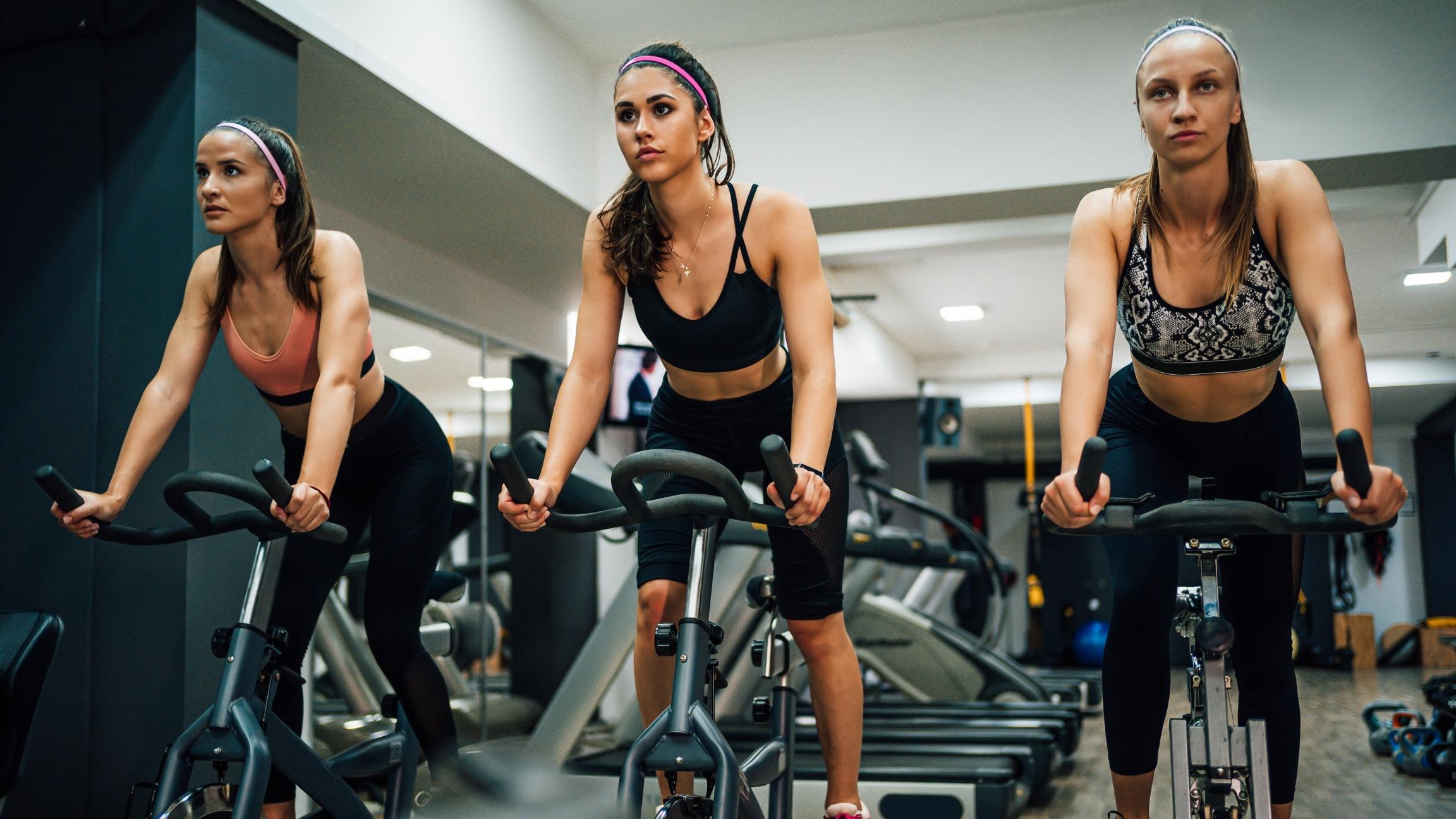
If you can carry a conversation while cycling, you’re doing it right. Light cycling increases blood flow to your lower body, which helps with bloating and fatigue. Many of my clients use it as a gentle commute or weekend ritual during their luteal phase.
3. Swimming or Water Aerobics
Water workouts are soothing because they combine resistance with calm. The buoyancy reduces the heaviness that comes with PMS, and the consistent breathing pattern keeps anxiety in check.
4. Dance or Rhythmic Movement
Some days, I’ll just put on music and move however I feel like moving. Slow dancing, stretching, or even swaying to a rhythm helps release stored tension and instantly uplifts my mood.
5. Yoga Inspired Cardio Flow
I often blend yoga poses with light cardio transitions. It’s perfect for those restless days when you want to move without overexerting. Think of it as flow therapy: your body stays active, and your mind gets to soften.
If you finish your workout feeling calmer, lighter, and emotionally clear, you’ve done exactly what your hormones needed.
When to Move: Understanding the Luteal Phase
The luteal phase usually lasts 10 to 14 days, and it’s the most emotionally sensitive part of the cycle. It’s also the phase where your fitness approach can make or break how you feel leading up to your period.
Early Luteal (Days 15–21)
Energy is still fairly stable. This is a good time for moderate cardio or strength maintenance. I personally like light circuit workouts or hikes with friends.
Late Luteal (Days 22–28)
Here is where you’ll feel the dip. Your body temperature rises, sleep can become inconsistent, and your mood may fluctuate. This is when gentle cardio shines. Activities like walking, yoga, or swimming help regulate temperature, improve sleep, and stabilize serotonin levels.
I’ve noticed that women who ignore this phase and push through high intensity training often experience stronger PMS symptoms: bloating, irritability, and cravings. It’s not a lack of discipline. It’s a mismatch between workout intensity and hormonal capacity.
By aligning your movement with your hormonal rhythm, you support your body’s natural needs instead of fighting them.
Real Life Results : What I’ve Noticed with Clients
Over the years, I’ve worked with hundreds of women who wanted to feel more in control of their energy and emotions around their cycles. One of the biggest mindset shifts I’ve seen is realizing that slowing down isn’t the same as giving up.
When women replace high stress workouts with gentle cardio during PMS, the results come quickly. Here’s what I often see within one or two cycles:
- Mood swings become shorter and less intense
- Sleep quality improves, especially deep sleep
- Sugar and caffeine cravings reduce naturally
- Energy levels stay more consistent throughout the day
- Emotional resilience increases, with fewer tears and less irritation
One client told me she used to dread her premenstrual week because she felt like a stranger in her own body. After switching to 30 minute walks and slow cycling sessions, she said, “I finally feel like myself again, just calmer.”
Personally, I can relate. Before I started honoring my luteal phase, I used to feel trapped in my own irritability. Now, that same week feels like an opportunity to slow down, reflect, and reset before a new cycle begins.
How to Make Gentle Cardio a Habit
The hardest part for most people isn’t understanding the science. It’s consistency. Here are a few methods I’ve used with clients to make gentle cardio feel sustainable, not like another chore.
1. Create a Luteal Phase Routine
Have a short list of go to activities for your premenstrual days. For example:
- 20 minute morning walk
- 10 minutes of stretching before bed
- 25 minute yoga flow after work
Having a routine takes decision fatigue out of the equation.
2. Schedule Movement as Emotional Self Care
Instead of seeing it as exercise, treat it like therapy time. Put it on your calendar just like you would a meeting or social plan.
3. Focus on How You Feel, Not Metrics
During PMS, tracking calories or distance can make you feel pressured. Instead, measure your success by your emotional state after the workout.
4. Pair It with Supportive Habits
Hydration, magnesium rich foods, and adequate rest amplify the effects of gentle cardio. When combined, these habits work like a natural hormone balancing trio.
When you start linking movement with emotional relief instead of punishment, you’ll find it becomes something you look forward to rather than resist.
FAQs
1. What is the best type of exercise for PMS mood swings?
Gentle cardio such as walking, cycling, or yoga based movement works best. These forms of exercise regulate hormones and calm the nervous system without adding extra stress.
2. How much cardio should I do to ease PMS stress or anxiety?
Aim for 20 to 30 minutes, four to five times a week during your luteal phase. The key is consistency over intensity. Some days, even a 10 minute walk can lift your mood.
3. Why do low intensity workouts feel better than intense exercise during PMS?
Because your hormones are already in flux, your body’s stress threshold is lower. Low intensity workouts reduce cortisol instead of spiking it, which helps you feel emotionally steady.
4. Can walking really improve PMS mood swings?
Absolutely. Walking increases endorphins and serotonin while reducing physical tension. It’s one of the simplest and most effective ways to regulate PMS related irritability.
5. What workouts help balance hormones during the luteal phase?
Walking, swimming, slow cycling, and restorative yoga are ideal. They promote relaxation and circulation without draining energy.
Final Thoughts
Every cycle tells a story. When you start listening, you realize your body has been giving you cues all along. The week before your period isn’t a punishment. It’s a recalibration period, and gentle cardio is one of the most effective way s to support that process.
When I began syncing my workouts with my cycle, I stopped feeling at war with myself. My energy became predictable, my moods steadier, and my relationship with my body far more compassionate.
If you’re tired of feeling emotionally hijacked every month, try this for one cycle. Swap one or two intense sessions for slow, mindful movement. Notice how you sleep, how you react to stress, and how your body feels afterward.
Gentle cardio might not look dramatic, but the emotional relief it creates is real. Sometimes, the most powerful transformation doesn’t come from pushing harder but from finally letting your body breathe.