Table of Contents
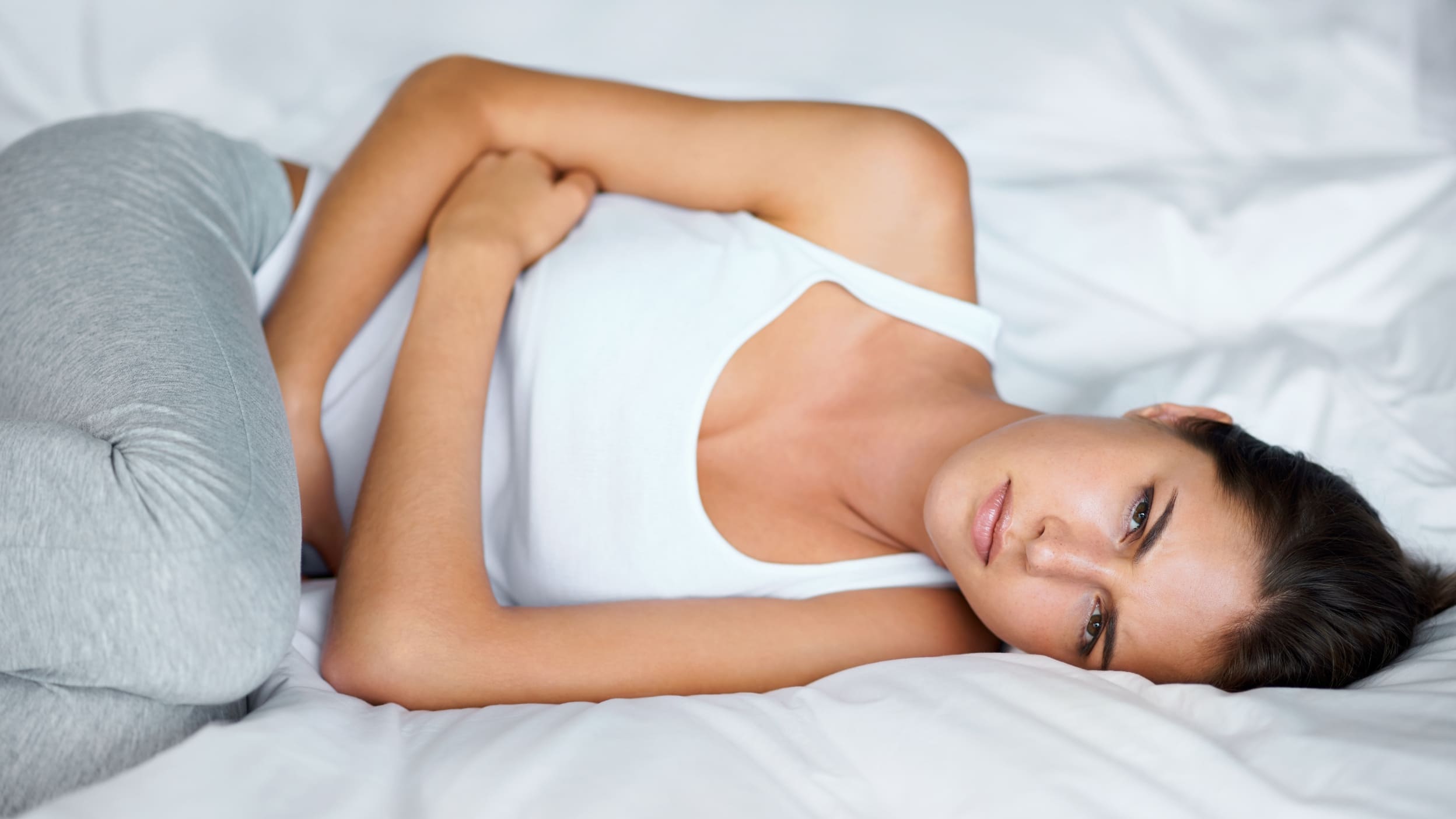
You know that feeling when you finally sit down after a long day, and instead of relaxing, your stomach feels like it doubled in size? I’ve been there more times than I can count. Pms-friendly dinner options that reduce bloating I’d finish dinner, settle onto the couch, and feel the pressure build in my abdomen until I was unbuttoning my jeans just to breathe comfortably.
For years, I told myself that this was just part of PMS. That bloating, discomfort, and heaviness were inevitable. But when I started tracking my symptoms, I noticed something interesting. The bloating wasn’t random. It was worst on the evenings before my period and always after heavier dinners.
That realization changed everything. Instead of accepting discomfort as normal, I started to pay attention to how my dinner choices influenced the way I felt. When I began making PMS-friendly changes to my evening meals, I was shocked at how much lighter and calmer my body felt both physically and emotionally.
Dinner became less about restriction and more about nourishment.
Why Bloating Gets Worse at Night During PMS
If you’ve ever wondered why your stomach feels flatter in the morning but bloated by evening during PMS, the answer lies in your hormones.
During the luteal phase, which happens between ovulation and your period, progesterone levels rise. While progesterone helps prepare your body for menstruation, it also slows digestion. This means food moves more slowly through your intestines, which can lead to gas, constipation, and that uncomfortable bloated feeling.
On top of that, your body naturally retains more water due to fluctuating hormone levels. If your dinner is high in salt or processed foods, that retention gets worse. Add in the fact that your metabolism slows down at night, and it’s easy to see why bloating feels more intense after dinner.
Once I understood that this was biological not just something I was “doing wrong” I started to approach my evening routine differently. I focused on foods that worked with my hormones instead of against them.
That small mindset shift made a huge difference.
How Dinner Choices Affect PMS Bloating
Dinner is often the heaviest meal of the day, which means it has the biggest impact on digestion and bloating during PMS.
I used to eat late and rely on takeout or big, carb-heavy meals that left me feeling stuffed. Even though I was choosing what I thought were healthy options like grain bowls or pasta with vegetables they were still too heavy for my slowing digestion.
The turning point came when I started eating lighter, earlier dinners that were warm, cooked, and rich in fiber and hydration. I realized my body didn’t want less food; it just wanted food it could actually process easily.
Dinner became less about satisfying cravings and more about supporting balance. When I made this shift, my stomach felt flatter, my sleep improved, and that frustrating nighttime bloat became a rare occurrence instead of a daily struggle.
What to Eat for Dinner During PMS
The key to a PMS friendly dinner is to focus on digestion-friendly, anti-inflammatory foods that stabilize your blood sugar and support your hormones.
A well-balanced PMS dinner usually includes:
- Lean proteins: like chicken, fish, tofu, tempeh, or lentils to help repair tissue and keep you full.
- Complex carbohydrates: such as quinoa, sweet potatoes, or brown rice for steady energy and serotonin support.
- Healthy fats: from avocado, olive oil, nuts, or seeds to ease inflammation and promote hormone balance.
- Fiber-rich vegetables: like spinach, zucchini, or kale to improve digestion and reduce water retention.
- Hydrating foods: including cucumber, asparagus, and bell peppers to help your body release excess fluid.
The goal isn’t to eat less it’s to eat smarter. I noticed that when my dinner had this balance, I went to bed without discomfort and woke up feeling lighter and more energized.
My Experience: What Finally Worked for Me
For years, I was trapped in an all or nothing cycle with food during PMS. Some nights I’d overeat, trying to comfort myself after a long day. Other nights, I’d restrict, thinking eating less would prevent bloating. Neither approach worked.
Then, I started experimenting. I tracked what I ate, when I ate it, and how I felt afterward. I quickly learned that my digestion was happiest when I ate earlier around 6 or 7 p.m and focused on warm, cooked foods instead of cold salads or heavy takeout.
One of my favorite PMS dinners became baked salmon with roasted sweet potatoes and steamed spinach. It’s filling but never heavy, and the omega-3s in salmon help reduce inflammation. Another go to is a quinoa bowl with chickpeas, roasted carrots, and tahini dressing. It’s grounding, nutrient-dense, and easy to digest.
After two cycles of eating this way, the difference was undeniable. My bloating was minimal, my sleep improved, and even my energy during PMS felt more stable. It wasn’t a quick fix it was a gradual shift that made me feel more in sync with my body.
The Best PMS-Friendly Dinner Options to Try
Here are some dinner ideas that have worked wonders for me and many of the women I’ve shared them with. Each one is designed to be flavorful, simple, and gentle on digestion.
1. Salmon with Steamed Greens and Sweet Potatoes
This meal is packed with omega-3s, magnesium, and potassium all nutrients that help reduce water retention and calm muscle tension. It’s a go-to when I’m craving something hearty but light.
2. Quinoa Chickpea Bowl with Tahini Dressing
This plant-based meal offers fiber, protein, and healthy fats that stabilize blood sugar and hormones. The tahini adds creaminess without heaviness, and chickpeas keep you full.
3. Turkey and Vegetable Stir-Fry
Turkey contains tryptophan, which supports serotonin production and helps calm your mood. Add colorful vegetables like peppers and carrots for fiber and antioxidants.
4. Miso Soup with Tofu and Bok Choy
This soothing, mineral-rich dinner is perfect for bloated evenings. Miso supports gut health with probiotics, while tofu and bok choy provide gentle, nourishing protein and fiber.
5. Zucchini Noodles with Olive Oil and Pesto
When I’m craving pasta, this version satisfies me without the bloated aftermath. Zucchini is hydrating and light, and pesto provides healthy fats that balance hormones.
6. Lentil and Veggie Stew
This warm, grounding dinner is perfect for colder nights. Lentils are rich in iron and magnesium, while carrots and spinach add fiber and natural sweetness.
7. Brown Rice Sushi with Avocado and Cucumber
If I want something cool and refreshing, I go for brown rice sushi. The avocado’s potassium reduces puffiness, while cucumber keeps me hydrated.
Rotating through these meals gives me variety while keeping my digestion smooth and my evenings comfortable.
Foods to Avoid at Dinner During PMS
Knowing what not to eat during PMS is just as important as knowing what to include. Certain foods can worsen water retention, gas, and inflammation, especially at night.
Here’s what I avoid during my luteal phase:
- Salty takeout meals: Restaurant dishes are often loaded with hidden sodium, which makes fluid retention worse overnight.
- Fried or greasy foods: They slow digestion and leave me feeling sluggish for hours.
- Carbonated drinks: Even sparkling water can trap gas and make bloating worse.
- Cruciferous vegetables in large portions: Broccoli and cauliflower are healthy but harder to digest during PMS.
- Late-night snacks: Eating right before bed gives your body less time to process food, leading to morning puffiness.
When I started cutting these out during PMS, my evenings became dramatically lighter. It’s not about strict rules it’s about knowing how your body reacts and giving it what it truly needs.
Tips to Support Digestion and Hormone Balance
While food plays the biggest role, how you eat and live in the evenings matters just as much.
Eat earlier in the evening. Try to finish dinner at least two to three hours before bed to give your body time to digest.
Chew slowly and mindfully. This helps digestion and reduces swallowed air, which is one of the biggest culprits of bloating.
Drink water throughout the day. Staying hydrated prevents your body from clinging to extra fluid at night.
Take a short walk after dinner. Gentle movement helps your digestive system process food and reduce gas.
Prioritize magnesium-rich foods. Spinach, dark chocolate, and pumpkin seeds all help relax your muscles and reduce PMS tension.
Limit alcohol and caffeine. Both can dehydrate you and disrupt digestion during PMS.
These small habits may sound simple, but together they create powerful results. Over time, they train your body to feel more balanced and less reactive before your period.
FAQs About PMS Dinners and Bloating
What should I eat for dinner during PMS to reduce bloating?
Choose balanced meals with lean proteins, fiber, and complex carbs. Salmon, lentils, spinach, and sweet potatoes are great choices.
Why does bloating get worse before my period at night?
Progesterone slows digestion and increases water retention. Eating heavy or salty dinners makes bloating worse, especially late in the day.
Can eating earlier help reduce PMS bloating?
Yes. Eating earlier gives your body time to digest before bed, reducing discomfort and morning puffiness.
Should I avoid carbs during PMS?
No. Complex carbs like quinoa and sweet potatoes actually support serotonin production and improve mood balance.
Final Thoughts
The biggest lesson I’ve learned about PMS is that it’s not something you have to suffer through it’s something you can support.
When I started eating in a way that honored my body’s changing needs, everything shifted. My evenings went from uncomfortable and bloated to calm and restorative. I stopped feeling at war with my hormones and started working with them.
If you’re struggling with PMS bloating, start small. Eat earlier. Choose warm, balanced dinners. Stay hydrated. Notice how your body responds and adjust from there.
It’s not about being perfect; it’s about being aware. Once you start tuning in, you’ll realize your body has been asking for balance all along.
Your hormones are not your enemy. They’re your guide to deeper self-understanding. When you listen, you’ll not only ease your PMS bloating you’ll also feel more grounded, confident, and connected to your natural rhythm.