Table of Contents
If you have ever felt like a different person the week before your period, you are not imagining it. I used to wonder why my energy dropped, why I felt more sensitive, or why small frustrations suddenly felt huge. Why eating enough pms protein helps mood stability. Over time, I learned that hormones were not the only reason for my emotional rollercoaster. Nutrition, especially protein intake, played a much bigger role than I expected.
When I started tracking my cycle, I noticed a pattern. The days I ate balanced meals rich in protein, my mood felt steadier, my cravings less intense, and my motivation stayed intact. On the days I skipped protein, everything felt heavier, my body sluggish, and my mind foggy.
Protein is not just about building lean muscle. It is the foundation of brain chemistry, hormone balance, and emotional regulation. It fuels the production of serotonin and dopamine, two neurotransmitters that keep you feeling calm and emotionally centered. During PMS, when hormones are already shifting, those amino acids from protein become essential for keeping mood swings in check.
The Hormonal Connection Between Food and Mood
During the luteal phase, which is the two weeks before your period, estrogen levels drop while progesterone rises. This natural shift affects neurotransmitters and blood sugar regulation, which in turn influences mood, appetite, and focus.
When serotonin dips, the brain craves quick energy and comfort, which is why many women reach for carbs and sweets without realizing it is their body’s way of chasing balance. I used to think I had no self-control when PMS cravings hit, but my body was simply trying to restore serotonin levels. The problem was that sugary foods gave me temporary relief followed by an energy crash, irritability, and low mood.
Protein helps break that cycle. It stabilizes blood sugar, supports steady energy, and provides the amino acids your brain needs to create serotonin naturally. It is not about cutting out carbs but about balancing them with enough protein so your energy and emotions stay level.
When I began adding 20 to 30 grams of protein to my breakfast, everything changed. I no longer felt that midmorning brain fog or that late afternoon emotional dip. It felt like someone turned down the emotional volume on my PMS symptoms.
How Low Protein Affects PMS Mood Swings
In my work with women learning to sync their lifestyle with their cycles, one theme appears again and again. Most of us are not eating enough protein, especially during the luteal phase.
Low protein intake can amplify PMS symptoms in several ways:
- Blood sugar crashes: When you eat mostly carbs without enough protein, glucose spikes and drops faster, which triggers fatigue and mood swings.
- Reduced serotonin production: Protein provides tryptophan, an amino acid that becomes serotonin. Low protein means fewer building blocks for mood stability.
- Higher cortisol levels: When blood sugar drops, cortisol rises to compensate. That increase can make you feel anxious or restless before your period.
- More cravings: When the body does not get what it needs, it keeps sending hunger signals. You might eat more but still feel unsatisfied.
I used to see this pattern in myself. I would start my day with toast and coffee, grab something quick for lunch, and by dinner, I would crave everything from pasta to chocolate. Once I intentionally added more protein to my meals, my cravings and irritability became much easier to manage.
It is not magic, it is biology. Your brain and hormones thrive on steady nourishment, not spikes and crashes.
Best Protein Sources for PMS Mood Support
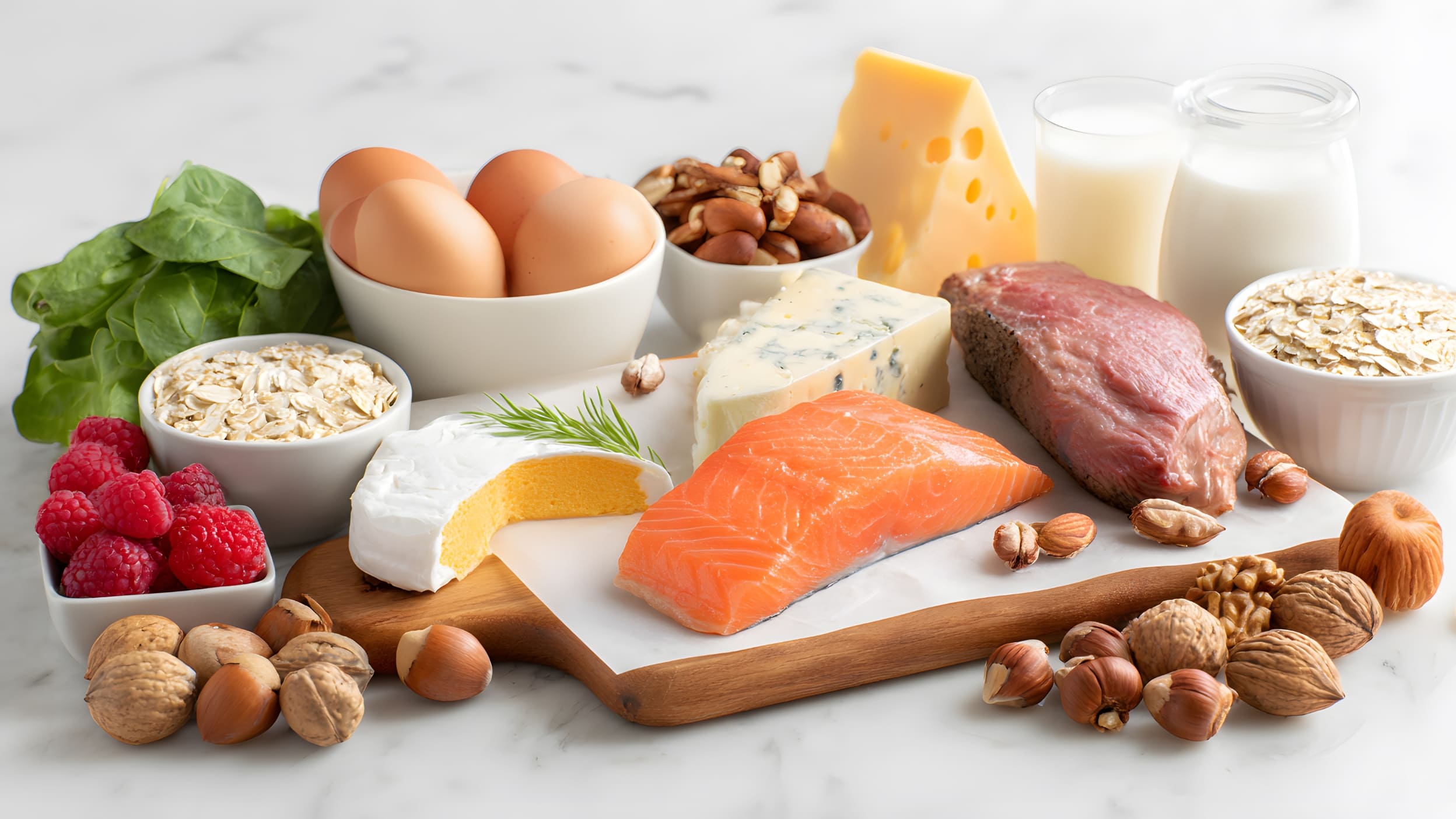
When it comes to choosing protein during PMS, quality matters. You want sources that are nutrient-rich, easy to digest, and supportive of hormone health.
Here are some of the best options I rely on and recommend :
| Type | Food Source | Why It Helps |
| Animal-based | Eggs, chicken, fish, turkey, Greek yogurt | Provides complete amino acids for neurotransmitters |
| Plant-based | Lentils, quinoa, tofu, tempeh, edamame | Great for steady energy and hormone balance |
| Snacks | Protein smoothies, nut butter, roasted chickpeas | Quick, satisfying options that reduce sugar cravings |
| Mood-boosting extras | Salmon, pumpkin seeds, chia seeds | Packed with omega-3s and magnesium to ease mood swings |
For me, salmon is a go-to. It is rich in omega 3s, which reduce inflammation and help regulate mood. If you are vegetarian, lentils and tofu are great staples too. Pair them with healthy fats like avocado or olive oil for added balance.
Even small shifts can make a difference. One of my clients swapped her mid-afternoon pastry for Greek yogurt with berries and a sprinkle of seeds. Within one cycle, she noticed fewer mood dips and less anxiety before her period.
How Much Protein You Really Need
There is a lot of confusion around how much protein women actually need, especially when it comes to hormonal health. While needs vary based on body weight and activity, a good guideline is around 1.2 to 1.6 grams per kilogram of body weight.
For example, if you weigh 65 kilograms, you will want roughly 80 to 100 grams of protein per day. During the luteal phase, you can increase that by an extra 10 to 15 grams to account for the slight rise in metabolism that occurs before your period.
Here is what a day of protein might look like:
- Breakfast: Protein smoothie with whey or plant protein powder, banana, and almond butter (25g)
- Lunch: Quinoa bowl with chickpeas, roasted vegetables, and a hard-boiled egg (30g)
- Snack: Greek yogurt with chia seeds or nuts (15g)
- Dinner: Grilled salmon, sweet potato, and steamed greens (30g)
Once I began hitting these numbers consistently, I felt more grounded emotionally. My energy lasted longer, and those unpredictable mood dips became much less intense.
When to Eat Protein for Emotional Stability
The timing of your protein intake matters as much as the amount. Your body and brain need a steady supply throughout the day to regulate hormones and maintain emotional balance.
Here is how I approach it:
- Start strong in the morning.
A protein-rich breakfast sets your blood sugar on the right track for the day. My favorite combo is eggs, avocado, and greens or a smoothie with protein powder and oats. - Spread protein evenly.
Instead of loading it all at dinner, distribute it across all meals. That steady intake prevents the fatigue and irritability that often peak mid-afternoon. - Include protein in snacks.
I keep roasted chickpeas, almonds, or protein bars on hand. These small additions make a huge difference when PMS cravings kick in. - Balance with fiber and fats.
Combining protein with fiber and healthy fats helps stabilize hormones and energy levels even more.
I noticed that when I prioritize protein early in the day, my evening cravings for sweets nearly disappear. It is a subtle but powerful shift that is worth trying.
Simple Ways to Add More Protein to PMS Meals
Getting enough protein does not mean eating chicken at every meal. There are easy, practical ways to weave it into your daily routine without feeling like you are on a diet.
Here are a few of my favorite strategies:
- Add collagen or protein powder to smoothies, oats, or even coffee.
- Swap regular yogurt for Greek yogurt or skyr for extra protein.
- Sprinkle hemp seeds or chia seeds on salads, soups, or toast.
- Include beans, tofu, or lentils in your main meals.
- Replace sugary snacks with nuts, boiled eggs, or cheese cubes.
I remember one particularly stressful month when I traveled often and barely paid attention to my meals. My PMS hit harder than usual, emotional, bloated, exhausted. The next cycle, I packed protein snacks wherever I went. The difference was night and day. My mood felt balanced, even under stress.
Sometimes it is the smallest changes that create the biggest results.
FAQs About Protein and PMS Mood
Why does protein help stabilize mood during PMS?
Protein provides amino acids that become neurotransmitters like serotonin and dopamine, which regulate mood and energy. During PMS, when these chemicals naturally drop, adequate protein helps maintain emotional stability.
Can low protein intake make PMS mood swings worse?
Yes. Low protein leads to unstable blood sugar and poor serotonin production, which amplifies irritability, anxiety, and cravings before your period.
Should I increase protein intake during the luteal phase?
Yes. Because your body burns more calories and hormones fluctuate more during this time, an additional 10 to 15 grams of protein per day can help support mood and reduce PMS symptoms.
Final Thoughts
I have learned through years of trial, error, and coaching that what we eat before our period can change everything about how we feel. Protein is one of the simplest, most overlooked tools for emotional stability during PMS.
When I eat enough of it, I feel in control of my body and my mind. My focus stays clear, my mood steady, and my cravings do not run the show. When I do not, it is like my hormones amplify every small frustration.
Most women do not realize how deeply nutrition affects their premenstrual mood. It is not about perfection or restriction. It is about awareness and consistent care. When you treat food as a form of self-support rather than self-control, your body responds with balance.
If PMS mood swings are throwing off your rhythm, start by adding more protein. Notice how your energy, patience, and confidence shift over a few cycles. You might be surprised by how something so simple can transform how you move through that premenstrual phase.
Your hormones are not your enemy. They are simply messengers. When you nourish them properly with the right foods, especially enough protein, they respond with calm, clarity, and strength.