Table of Contents
For most of my adult life, I assumed PMS was just something women had to accept. Every month, I would brace myself for cramps, irritability, and fatigue that felt almost inevitable. But when I began studying women’s health and hormonal patterns, I learned that much of what we experience during PMS is not random. It is often tied to inflammation.
Inflammation is not always bad. It is your body’s natural way of healing. But when it becomes chronic or low grade, it can cause hormonal miscommunication, bloating, fatigue, and emotional volatility. The same inflammation that contributes to fatigue and headaches can also make PMS feel more severe.
Once I connected those dots, I began to view food not as a side note to wellness but as one of the main tools for hormone balance. Anti inflammatory eating is not about a diet or quick detox. It is about reducing internal stress so the body can regulate itself more efficiently. Over time, this creates a steady sense of calm and balance instead of that rollercoaster we associate with PMS.
My Personal Experience with PMS and Food Awareness
I remember a specific month when I was juggling work deadlines, inconsistent sleep, and too much caffeine. My PMS symptoms were brutal. I had intense cramps, bloating, skin breakouts, and that emotional heaviness that makes even small problems feel overwhelming.
When I looked at my habits honestly, I realized I was fueling inflammation without meaning to. I relied on takeout, skipped meals, and reached for sugar whenever my energy crashed. My body was not the problem. It was reacting exactly how it was designed to under stress.
I started experimenting with anti inflammatory foods after reading about how they support hormone detoxification and balance. Within two months, I noticed real changes. My cramps became milder, my bloating subsided, and my emotional lows did not feel as deep.
That shift made me realize how often women overlook food as part of their PMS solution. Supplements and painkillers help in the short term, but true relief comes from rebuilding what is happening inside.
How Inflammation Impacts Hormones and Emotional Stability
When inflammation builds up, it can interfere with the way your body uses and clears hormones like estrogen and progesterone. High inflammation also triggers excess prostaglandins, which are hormone-like substances that cause uterine contractions and cramps.
This explains why some months feel worse than others. If your lifestyle or diet has been more inflammatory with too much processed food, alcohol, or stress, your PMS tends to hit harder.
Inflammation also impacts the brain. Studies show that chronic inflammation reduces serotonin levels, which can cause mood swings and anxiety. I have felt this firsthand. During stressful months when I did not eat well, my emotions were sharper, my patience was shorter, and even small irritations could set me off.
Once I began lowering inflammation, my mental clarity and mood improved dramatically. It is amazing how much calmer I feel when my blood sugar and hormones are stable.
That is why anti inflammatory eating works. It addresses PMS from the root instead of just masking the symptoms.
The Core of an Anti Inflammatory Diet for Women
At first, the idea of changing my diet felt overwhelming. But when I realized it was not about perfection, just consistency, it became easier. Anti inflammatory eating is about choosing foods that help your body heal and reducing those that trigger stress or inflammation.
Here is what forms the foundation of my daily meals.
1. Whole, nutrient-dense foods
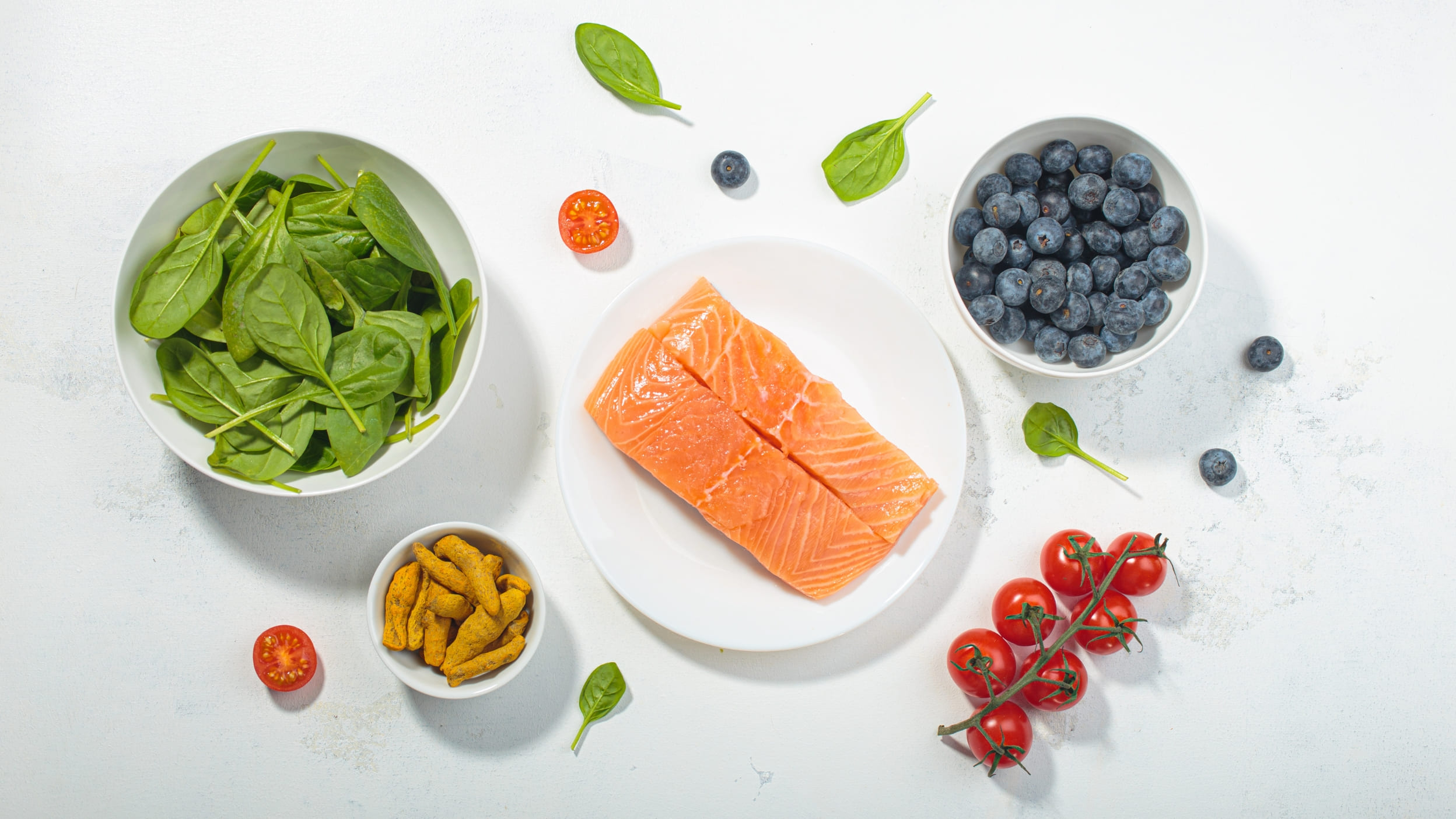
I focus on foods close to their natural state. Fresh vegetables, fruits, and minimally processed proteins are staples. Think leafy greens, colorful peppers, avocados, lentils, salmon, and eggs. The more variety, the better.
2. Healthy fats
Healthy fats are essential for hormone production. I include olive oil, nuts, seeds, and fatty fish several times a week. These fats also reduce prostaglandins and calm inflammation.
3. Fiber for detoxification
Fiber helps the liver and gut process excess hormones, especially estrogen. I include chia seeds, oats, flaxseed, and whole grains in my meals daily.
4. Anti inflammatory herbs and spices
Turmeric, ginger, cinnamon, and garlic are small additions with big impact. They are natural inflammation fighters that also make meals more flavorful.
When I built my meals around these pillars, my energy became more stable, and I noticed fewer sugar cravings during PMS. It did not feel like a restrictive plan. It felt like eating to support how I wanted to feel.
Foods That Worsen PMS Symptoms
It took some trial and error to figure out which foods made my PMS worse. I did not eliminate everything at once, but I started paying attention to patterns.
Processed sugar and refined carbs
These were my biggest triggers. Sugar causes blood sugar spikes and crashes, which intensify irritability and fatigue. Swapping pastries and soda for fruit or whole grains made an immediate difference.
Alcohol
Even moderate drinking disrupted my sleep and worsened bloating. Alcohol taxes the liver, which is responsible for hormone detoxification, so cutting back significantly improved my cycle.
Excess caffeine
I used to rely on multiple coffees daily. But caffeine raises cortisol, the stress hormone, which can amplify PMS anxiety. Now, I enjoy one cup in the morning and switch to herbal teas later in the day.
Highly processed and fried foods
They tend to increase inflammation and water retention. Once I started cooking at home more often, my digestion and mood stabilized noticeably.
Dairy and gluten for some women
Not everyone reacts the same way, but for me, reducing dairy reduced bloating, and cutting back on refined gluten helped minimize fatigue.
The key is not eliminating everything you love. It is about noticing what makes you feel worse and making small, sustainable swaps.
Building a Sustainable PMS Friendly Eating Routine
I believe the best eating habits are the ones that fit into your real life. I did not want another rigid diet. I wanted something I could do long term.
Here is how I approach it.
1. Prep for the luteal phase.
The week before my period is when cravings and fatigue hit hardest. I plan ahead by prepping nutrient-rich meals like quinoa bowls, soups, and roasted vegetables so I do not reach for quick fixes.
2. Focus on balancing meals.
Every meal includes protein, fiber, and healthy fats. For example, breakfast might be oatmeal with chia and berries, lunch a lentil salad with avocado, and dinner baked salmon with vegetables.
3. Stay hydrated.
I underestimated how much dehydration affected my energy. I now drink at least two liters of water daily and include electrolytes during workouts.
4. Honor cravings wisely.
If I crave something sweet, I choose dark chocolate or a banana with nut butter instead of candy. This satisfies my craving without triggering blood sugar chaos.
5. Listen to my body.
If I am tired, I rest. If I am hungry, I eat. My PMS used to feel like my body was working against me, but now it feels like we are on the same team.
This approach is not about being perfect. It is about being aware.
Fitness and Lifestyle Habits That Support Hormonal Balance
Nutrition is just one piece of the puzzle. I noticed the biggest transformation when I paired anti inflammatory eating with a more supportive lifestyle.
Regular movement is crucial. I used to push myself with high-intensity workouts no matter how I felt, but I learned that my body needs different things during different phases. Now, I do strength training and cardio during my follicular and ovulatory phases, then switch to lighter movements like walking or yoga in my luteal phase.
Rest is just as important. Poor sleep raises inflammation, so I make sure to keep a consistent bedtime, avoid screens an hour before sleep, and create a relaxing environment.
Stress management also plays a big role. When cortisol stays elevated, it throws off hormone balance and increases inflammation. Journaling, meditation, or even deep breathing have become part of my PMS toolkit.
Anti inflammatory living is not only about what is on your plate. It is also about how you treat your body outside the kitchen.
How Long It Takes to See Results
One of the most common questions I get is how quickly anti inflammatory eating helps with PMS. From my experience and the women I have coached, the timeline varies.
In my case, I started noticing subtle improvements within one cycle. My cramps were less intense, and I did not feel as bloated. By the third cycle, my mood and energy became more stable.
Most women see noticeable results within two to three months. This is because it takes time for your body to adjust, reduce inflammation, and regulate hormone balance.
Here is what I noticed over six months.
- Month one: Fewer cravings and slightly reduced bloating
- Month three: Improved mood and less irritability
- Month six: Lighter cramps and more consistent energy
Consistency is everything. Even if progress feels slow, your body is recalibrating behind the scenes.
FAQs
Q1. How does anti inflammatory eating help reduce PMS symptoms long term?
It calms inflammation that interferes with hormone balance, helping ease cramps, fatigue, and mood swings naturally.
Q2. What foods should women avoid to lower PMS inflammation?
Limit refined sugar, processed foods, alcohol, caffeine, and excessive dairy, which all contribute to inflammation.
Q3. How long does it take for diet changes to improve PMS?
Most women notice changes within two to three cycles, with long-term results improving as habits become consistent.
Final Thoughts
Looking back, I wish I had understood sooner that PMS is not just a monthly inconvenience. It is a message from your body. It is telling you where stress, inflammation, and imbalance are building up.
Anti inflammatory eating gave me a way to listen instead of fight back. It reminded me that food is not about restriction but restoration. The meals I choose now are not about perfection. They are about peace.
Over time, I have come to see PMS not as a sign of weakness but as a monthly checkpoint for how I am living, eating, and caring for myself. Each meal, each choice, is a vote for stability, balance, and ease.
So if you have been struggling with PMS for years, start small. Add one nourishing meal, one mindful choice, one calm day at a time. It is not just your hormones that will thank you. It is your whole self.