Table of Contents
For years, I thought my PMS symptoms were just bad luck. Some cycles were mild while others were brutal. I would get bloated, irritable, and exhausted, wondering what I had done differently. Anti-inflammatory foods that reduce pms every cycle. Then I started paying attention to my diet.
It didn’t take long to notice a pattern. The months when I lived on quick meals, processed snacks, and takeout were always the hardest. My cramps were worse, my moods more unpredictable, and my skin duller. But when I focused on whole, nourishing foods, my PMS symptoms eased dramatically.
That’s when I learned how deeply inflammation affects the menstrual cycle. Inflammation is your body’s natural response to stress or injury, but when it stays high for too long, it disrupts hormones, worsens pain, and increases fatigue.
Anti-inflammatory foods help calm this process. They don’t just reduce physical pain like cramps; they also help stabilize your mood, support energy, and even reduce cravings. Once I began eating with inflammation in mind, my PMS became more predictable and much easier to handle.
Why Anti-Inflammatory Foods Matter for Hormones
Every month, your hormones go through a rhythm that influences how your body feels and functions. After ovulation, estrogen drops while progesterone rises. This is called the luteal phase, and it’s when many PMS symptoms appear.
During this time, your body also produces inflammatory molecules called prostaglandins. Some prostaglandins are helpful, but when they’re produced in excess, they can cause stronger cramps, headaches, and mood swings.
Eating anti-inflammatory foods can help balance these effects by reducing the production of excess prostaglandins and supporting hormonal detoxification in the liver.
I noticed this firsthand. When I started incorporating foods like salmon, spinach, and turmeric into my routine, my body felt more balanced. My cramps lessened, and my energy no longer plummeted in the afternoons.
It was a turning point for me because I realized PMS didn’t have to feel like a battle every month. By supporting my hormones through food, I was actually supporting my whole system my mood, my energy, and my overall sense of calm.
My Experience Using Food to Reduce PMS Symptoms
The first time I tried eating an anti-inflammatory diet during PMS, I went in with skepticism. I had seen claims online, but part of me thought it was too simple to be true. Still, I was desperate to feel better, so I gave it a try.
That week, I made small changes. I started my mornings with oatmeal topped with berries, chia seeds, and walnuts. Lunch was a salad with quinoa, leafy greens, avocado, and olive oil. Dinner was salmon with roasted vegetables.
The difference by the end of that cycle was undeniable. I didn’t experience the heavy bloating or painful cramps that usually left me curled up on the couch. My mood felt steadier, and my sugar cravings were manageable.
After a few months of consistency, the results became even more noticeable. My cycles became shorter, my skin cleared up, and my energy stayed steady throughout the month. It wasn’t about perfection. It was about paying attention to what helped my body thrive.
How Inflammation Impacts the Menstrual Cycle
Inflammation is part of every menstrual cycle, but for many women, it becomes excessive. When inflammation is high, your body’s stress response is constantly activated, which throws your hormones off balance.
Estrogen and progesterone work best when your body is calm and nourished. Chronic inflammation interferes with their communication, causing PMS symptoms like mood swings, fatigue, and breast tenderness.
High inflammation also increases pain sensitivity. That means the cramps and headaches that might be mild for one woman can feel excruciating for another if her inflammation levels are higher.
When I started addressing inflammation through food and lifestyle, I noticed I wasn’t just reducing pain. I was improving my overall cycle health. My period flow became more consistent, my energy during ovulation improved, and I no longer dreaded PMS week.
Anti-Inflammatory Foods That Help Every Cycle
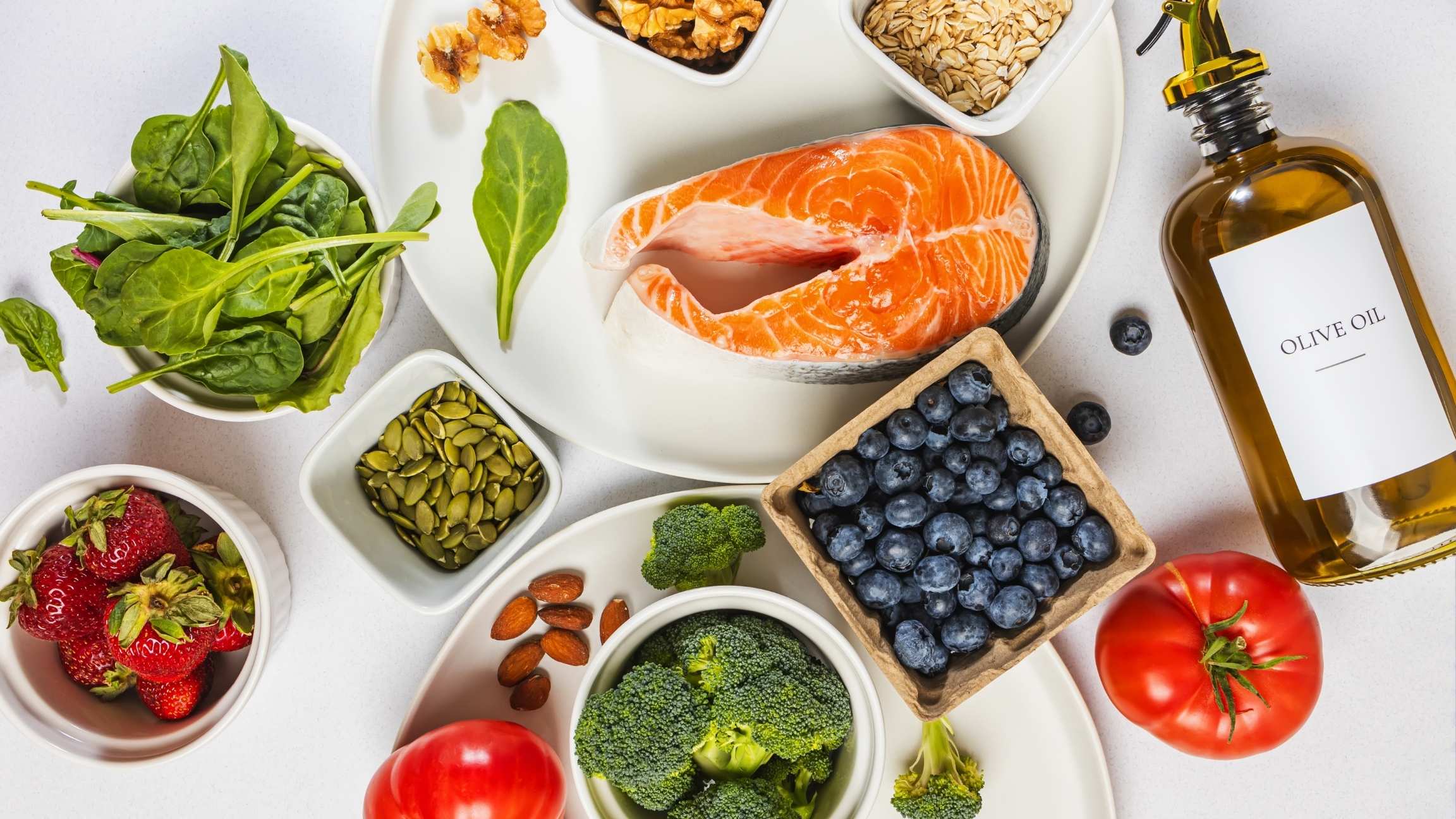
If you want to feel the same shift, focus on these foods. They help calm inflammation, balance hormones, and nourish your body through every phase of your cycle.
1. Fatty Fish
Salmon, sardines, and mackerel are rich in omega-3 fatty acids, which reduce inflammation and prostaglandin levels. I aim to eat salmon at least twice a week, especially in the second half of my cycle.
2. Leafy Greens
Spinach, kale, and Swiss chard are packed with magnesium, iron, and antioxidants that support detoxification and reduce bloating. I like to sauté them in olive oil with garlic or blend them into smoothies.
3. Berries
Blueberries, raspberries, and blackberries are high in polyphenols that fight inflammation. They also satisfy sweet cravings in a healthier way. I keep a bag of frozen berries on hand for quick breakfasts.
4. Nuts and Seeds
Walnuts, chia seeds, flaxseeds, and pumpkin seeds contain healthy fats and minerals that support hormone balance. I sprinkle them on salads or add them to yogurt for a nutrient boost.
5. Avocado
Avocado is one of my favorite anti-inflammatory foods. It’s rich in monounsaturated fats and potassium, which help regulate fluid balance and prevent bloating.
6. Turmeric and Ginger
These spices are powerful natural anti-inflammatories. I drink ginger tea every afternoon and add turmeric to soups, curries, and even smoothies. Within a month of doing this, my cramps were noticeably milder.
7. Olive Oil
Olive oil provides heart healthy fats and antioxidants that protect your cells from inflammation. I use it instead of processed vegetable oils for cooking and dressings.
8. Dark Chocolate
Yes, dark chocolate can be PMS-friendly. The magnesium and antioxidants help reduce stress and muscle tension. I keep 70% or higher dark chocolate on hand for those premenstrual cravings.
When I consistently include these foods, my PMS symptoms stay mild. The key is not to wait until the last minute start eating this way throughout your cycle, especially during the luteal phase.
Foods to Limit or Avoid During PMS
What you eat can calm inflammation, but some foods make it worse. I learned this through trial and error. The weeks I indulged in too much sugar, caffeine, or alcohol were always the hardest.
Here are the main foods that make PMS symptoms worse for me:
- Refined Sugar: It spikes blood sugar and increases cortisol, making mood swings worse.
- Processed Oils: Found in fried and packaged foods, these oils increase inflammation in the body.
- Refined Carbohydrates: White bread, pastries, and pasta cause energy crashes and irritability.
- Alcohol: It can raise estrogen levels and interfere with liver detoxification.
- Excess Dairy and Red Meat: These can increase prostaglandins and cause bloating for some people.
Once I started minimizing these foods, my PMS symptoms changed dramatically. I still enjoy the occasional treat, but now I notice how my body responds and choose mindfully.
Simple Meal Ideas for the Luteal Phase
When I’m in my luteal phase, I focus on foods that stabilize blood sugar, calm inflammation, and support progesterone. Here’s what a typical day looks like for me:
Breakfast: Oatmeal topped with chia seeds, berries, and almond butter.
Lunch: Quinoa salad with salmon, spinach, roasted vegetables, and olive oil dressing.
Snack: A handful of walnuts or an apple with peanut butter.
Dinner: Lentil stew with turmeric, ginger, and sweet potatoes.
Evening Treat: A few squares of dark chocolate and a cup of peppermint tea.
This kind of routine keeps me grounded and nourished. It also helps prevent the late-night cravings that used to hit me hard before my period.
Lifestyle Habits That Boost the Benefits
Food is powerful, but your lifestyle plays a big role in inflammation too. Over time, I realized that what I ate was only part of the equation. My stress, sleep, and movement patterns mattered just as much.
Here are the habits that make the biggest difference for me:
- Stay Hydrated: I drink two liters of water a day to flush out toxins and reduce bloating.
- Get Enough Sleep: Lack of sleep raises inflammation and cortisol. I aim for seven to eight hours every night.
- Move Daily: Gentle exercise like yoga, walking, or Pilates helps circulation and reduces cramps.
- Manage Stress: Chronic stress raises inflammation levels. I practice journaling, meditation, or even just quiet time with tea to reset.
- Track Your Cycle: Knowing which phase I’m in helps me plan my meals, workouts, and rest days intentionally.
Combining these habits with anti-inflammatory foods has made my cycles far more predictable and peaceful.
FAQs
What foods reduce PMS symptoms naturally?
Omega-3-rich fish, leafy greens, berries, nuts, and seeds reduce inflammation and support hormone balance.
Which anti-inflammatory foods help with cramps?
Ginger, turmeric, and fatty fish are especially helpful for reducing cramps. Ginger tea or turmeric-based dishes can make a noticeable difference.
What should I avoid eating during PMS to reduce inflammation?
Avoid processed foods, refined sugar, alcohol, and fried foods. These can worsen inflammation and increase PMS symptoms.
Final Thoughts
PMS used to feel like something that just happened to me. I thought mood swings, cramps, and cravings were inevitable. But once I started focusing on reducing inflammation through food, my body began to change.
Now, I feel more in sync with my cycle than ever. My energy doesn’t crash, my moods stay stable, and I recover faster from stressful weeks. Anti-inflammatory eating isn’t about being perfect it’s about giving your body what it needs to function smoothly.
What I love most is how simple it is. Real food, prepared with care, can do what no quick fix ever could. I no longer dread PMS week because I know how to support myself through it.
Your body is always working to bring you back into balance. When you feed it foods that reduce inflammation, you give it the tools it needs to thrive. PMS doesn’t have to control your month. With awareness, nourishment, and consistency, you can feel better every cycle and build a relationship with your body that feels supportive instead of frustrating.