Table of Contents
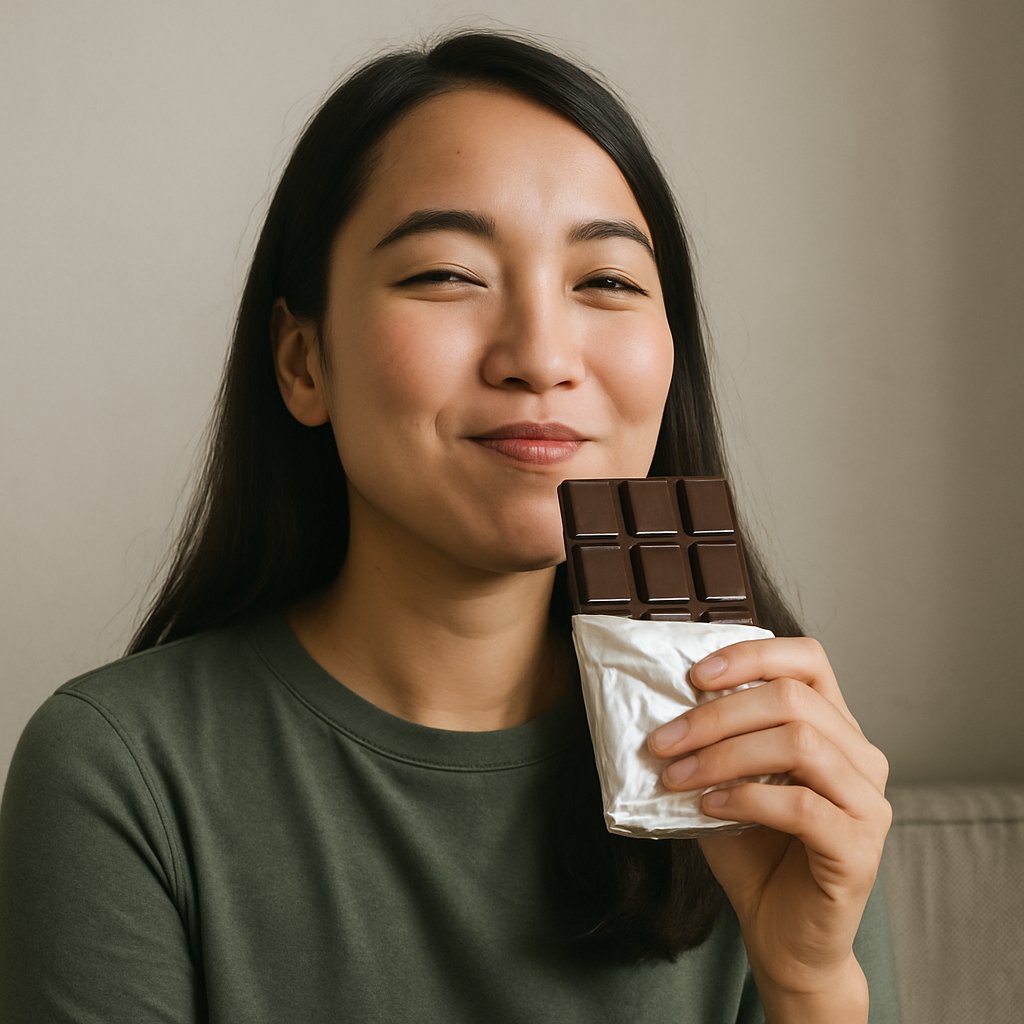
Up to 90% of women experience food cravings during their menstrual cycle, with chocolate being the most commonly craved food. These intense desires for specific foods aren’t just “lack of willpower”—they’re driven by complex hormonal and neurochemical changes that occur during the luteal phase of your cycle.
Understanding the science behind PMS food cravings can help you manage them more effectively, satisfy your body’s needs in healthier ways, and reduce the guilt often associated with period-related eating patterns.
The Science Behind PMS Food Cravings
PMS food cravings result from a complex interplay of hormonal fluctuations, neurotransmitter changes, and metabolic shifts that occur during the luteal phase of your menstrual cycle.
Biological Basis of Cravings
Evolutionary perspective:
- Cravings may have evolved to ensure adequate calorie intake for potential pregnancy
- The body increases energy needs slightly during the luteal phase
- Cravings for calorie-dense foods provided survival advantages historically
- Modern food environment creates challenges our biology wasn’t designed for
Neurochemical changes:
- Fluctuating hormones directly affect brain chemistry
- Neurotransmitters that regulate mood and appetite become imbalanced
- The brain seeks foods that can quickly restore chemical balance
- This creates powerful urges for specific types of foods
Metabolic factors:
- Basal metabolic rate increases slightly during the luteal phase
- Body may require an additional 100-300 calories per day
- Insulin sensitivity changes throughout the cycle
- These metabolic shifts contribute to increased appetite and specific cravings
Why Cravings Feel So Intense
Brain reward pathways:
- Hormonal changes affect dopamine and reward circuits
- Craved foods provide immediate but temporary relief
- This creates a reinforcement cycle that strengthens cravings
- The brain remembers which foods provided relief in the past
Physical discomfort:
- PMS symptoms create stress and discomfort
- Food becomes a source of comfort and temporary relief
- Certain foods can genuinely improve some symptoms temporarily
- This functional aspect strengthens the craving response
Urgency factor:
- Hormonal fluctuations can make cravings feel urgent and overwhelming
- Normal hunger signals become amplified
- Emotional regulation is compromised, making resistance more difficult
- The intensity often surprises women who don’t usually struggle with food control
Why Chocolate Tops the Craving List
Chocolate is the most commonly craved food during PMS, and there are several scientific reasons why your body specifically seeks it out.
The Chemistry of Chocolate Cravings
Magnesium content:
- Chocolate, especially dark chocolate, contains significant magnesium
- Many women have inadequate magnesium intake
- Magnesium deficiency can worsen PMS symptoms including mood changes
- Body may crave chocolate as a way to obtain needed magnesium
Serotonin boost:
- Chocolate contains compounds that can increase serotonin levels
- Tryptophan in chocolate helps with serotonin production
- Carbohydrates in chocolate trigger insulin, which helps tryptophan reach the brain
- This creates a genuine mood-improving effect
Phenylethylamine (PEA):
- Chocolate contains PEA, sometimes called the “love drug”
- This compound can improve mood and create feelings of well-being
- May help counteract the low mood often experienced during PMS
- Provides a biological basis for chocolate’s comfort effect
Anandamide:
- Chocolate contains anandamide, which activates cannabinoid receptors
- This creates mild feelings of bliss and relaxation
- May help counteract anxiety and tension associated with PMS
- Contributes to chocolate’s reputation as a comfort food
Types of Chocolate and Their Effects
Dark chocolate (70% cocoa or higher):
- Highest levels of beneficial compounds
- More magnesium and antioxidants
- Less sugar than milk chocolate
- May provide mood benefits with smaller portions
Milk chocolate:
- Higher sugar content provides quick energy
- More calories but fewer beneficial compounds
- May cause greater blood sugar fluctuations
- Often the type most craved due to sweetness
White chocolate:
- Contains no actual cocoa, so lacks beneficial compounds
- Primarily sugar and fat
- May satisfy sweet cravings but doesn’t provide chocolate’s unique benefits
- More likely to cause blood sugar spikes and crashes
Cultural Conditioning
Social associations:
- Chocolate is culturally associated with comfort and treats
- Marketing often links chocolate with emotional relief
- Social conditioning reinforces chocolate as appropriate for dealing with emotions
- These learned associations strengthen biological cravings
Availability and variety:
- Chocolate is widely available and comes in many forms
- Easy access makes it a convenient choice for satisfying cravings
- Variety ensures there’s usually a type that appeals
- Combination of convenience and biological appeal makes it dominant
The Serotonin Connection
Serotonin, often called the “happy hormone,” plays a crucial role in PMS food cravings and mood regulation.
How Serotonin Affects Cravings
Serotonin’s functions:
- Regulates mood, sleep, appetite, and impulse control
- Levels naturally fluctuate throughout the menstrual cycle
- Can drop by 10-30% during the luteal phase
- Low levels trigger both mood symptoms and food cravings
Carbohydrate-serotonin pathway:
- Eating carbohydrates triggers insulin release
- Insulin helps tryptophan (serotonin’s building block) reach the brain
- More tryptophan leads to increased serotonin production
- This creates a biological drive to consume carbohydrates
Why simple carbs are preferred:
- Simple sugars provide faster insulin response
- Quicker relief from low serotonin symptoms
- Body learns to crave foods that provide fastest relief
- This explains preferences for sweets over complex carbohydrates
Foods That Naturally Boost Serotonin
Tryptophan-rich foods:
- Turkey, chicken, and fish
- Eggs and dairy products
- Nuts and seeds
- Tofu and soy products
Complex carbohydrates:
- Oats and whole grains
- Sweet potatoes
- Quinoa and brown rice
- Legumes and beans
Combining for effectiveness:
- Protein + complex carbs provide sustained serotonin support
- Examples: oatmeal with nuts, whole grain toast with turkey
- This combination prevents blood sugar spikes while supporting mood
- More sustainable than relying on simple sugars
Common PMS Food Cravings and What They Mean
Different types of cravings may indicate specific biological needs or imbalances during your cycle.
Sweet Cravings
What you’re craving:
- Chocolate, candy, cookies, ice cream
- Fruit, especially very sweet varieties
- Sugary drinks and desserts
What it might mean:
- Low serotonin levels affecting mood
- Blood sugar instability
- Need for quick energy
- Magnesium deficiency (especially chocolate cravings)
- Stress response requiring comfort
Biological basis:
- Sugar provides immediate energy to the brain
- Sweet foods trigger dopamine release in reward centers
- Can temporarily improve mood and energy
- Body may be seeking nutrients found in some sweet foods
Salty and Crunchy Cravings
What you’re craving:
- Chips, crackers, pretzels
- Pickles and olives
- Salted nuts
- French fries and fried foods
What it might mean:
- Increased cortisol levels due to stress
- Adrenal fatigue or imbalance
- Need for more sodium due to water retention changes
- Desire for satisfying textures during emotional stress
Biological basis:
- Stress hormones can increase salt cravings
- Crunchy foods may help relieve tension
- Salt cravings can indicate mineral imbalances
- Combination of salt and fat provides comfort
Carbohydrate and Comfort Food Cravings
What you’re craving:
- Bread, pasta, pizza
- Mashed potatoes and creamy foods
- Macaroni and cheese
- Warm, filling meals
What it might mean:
- Strong serotonin deficiency
- Need for emotional comfort
- Increased calorie needs during luteal phase
- Desire for foods associated with security and comfort
Biological basis:
- Complex carbs provide sustained energy
- Can help stabilize mood over longer periods
- Warm foods may help with comfort and pain relief
- These foods often contain B vitamins important for mood
Fat Cravings
What you’re craving:
- Cheese and full-fat dairy
- Nuts and nut butters
- Avocados
- Fatty meats
What it might mean:
- Need for essential fatty acids
- Hormone production requiring healthy fats
- Blood sugar instability
- Need for satiety and satisfaction
Biological basis:
- Fats are essential for hormone production
- Provide long-lasting satiety
- Essential fatty acids support brain function
- May help with absorption of fat-soluble vitamins
Hormonal Changes That Drive Cravings
Understanding how specific hormones affect appetite and cravings can help explain why certain foods become irresistible during PMS.
Estrogen’s Role in Appetite
High estrogen effects (follicular phase):
- Generally suppresses appetite
- Increases insulin sensitivity
- May reduce cravings for high-calorie foods
- Associated with feeling more in control around food
Dropping estrogen effects (luteal phase):
- Appetite suppression decreases
- May increase cravings for calorie-dense foods
- Can affect food reward pathways in the brain
- Contributes to feeling less satisfied after eating
Progesterone and Food Intake
Rising progesterone:
- Naturally increases appetite
- May increase calorie needs by 100-300 per day
- Can affect metabolism and energy expenditure
- May specifically increase cravings for carbohydrates
Progesterone’s sedating effects:
- Can increase cravings for energizing foods
- May lead to seeking stimulating foods like sugar and caffeine
- Can affect motivation for food preparation
- May increase preference for convenient, processed foods
Insulin and Blood Sugar Changes
Cycle-related insulin changes:
- Insulin sensitivity varies throughout the cycle
- Generally lower during the luteal phase
- Can lead to blood sugar instability
- May increase cravings for quick-acting carbohydrates
Stress hormone interactions:
- Cortisol can worsen insulin resistance
- May increase cravings for comfort foods
- Can affect fat storage patterns
- Stress eating becomes more likely during PMS
Leptin and Ghrelin Fluctuations
Leptin (satiety hormone):
- Levels may be lower during luteal phase
- Reduced sensitivity to fullness signals
- May contribute to overeating episodes
- Can make portion control more difficult
Ghrelin (hunger hormone):
- May be elevated during PMS
- Increases appetite and food-seeking behavior
- Can make cravings feel more urgent
- Affects both quantity and type of food desired
Blood Sugar and Craving Cycles
Blood sugar instability during PMS can create cycles of cravings that become increasingly difficult to manage.
The Craving-Blood Sugar Cycle
Initial trigger:
- Hormonal changes create blood sugar instability
- Low blood sugar triggers intense cravings
- Body seeks quick-energy foods (usually sugar)
- Immediate relief reinforces the behavior
The spike and crash:
- Eating high-sugar foods causes rapid blood sugar rise
- Pancreas responds with large insulin release
- Blood sugar drops below starting point
- New cravings emerge, often stronger than before
Cycle perpetuation:
- Each cycle can make the next cravings stronger
- Body becomes less sensitive to its own hunger/fullness signals
- May require more sugar to achieve the same relief
- Can continue throughout the entire luteal phase
Breaking the Blood Sugar Cycle
Stabilizing strategies:
- Eat regular meals with protein and complex carbohydrates
- Avoid skipping meals, especially during luteal phase
- Include fiber and healthy fats to slow sugar absorption
- Stay hydrated as dehydration can worsen cravings
Timing considerations:
- Eat every 3-4 hours during symptomatic periods
- Have a substantial breakfast to set the day’s tone
- Include protein with any carbohydrate snacks
- Plan for increased appetite rather than fighting it
Emergency interventions:
- Keep balanced snacks readily available
- Choose alternatives that satisfy but don’t spike blood sugar as dramatically
- Drink water first as thirst can masquerade as hunger
- Take a 10-minute walk before giving in to intense cravings
Nutrient Deficiencies and Cravings
Certain nutrient deficiencies may manifest as specific food cravings during PMS when the body’s needs are heightened.
Magnesium Deficiency
Connection to cravings:
- Chocolate is one of the richest dietary sources of magnesium
- Magnesium needs may increase during menstruation
- Deficiency can worsen PMS mood symptoms
- Body may crave chocolate as an instinctive way to obtain magnesium
Other magnesium-rich foods:
- Dark leafy greens (spinach, chard)
- Nuts and seeds (almonds, pumpkin seeds)
- Whole grains and legumes
- Fish and avocados
Addressing deficiency:
- Consider magnesium supplementation under medical guidance
- Increase magnesium-rich foods throughout the cycle
- Choose dark chocolate (70% cocoa or higher) when craving chocolate
- Monitor symptoms to see if magnesium helps reduce cravings
Iron and B-Vitamin Needs
Iron considerations:
- Menstrual blood loss increases iron needs
- Iron deficiency can affect energy and mood
- May increase cravings for red meat or iron-rich foods
- Can affect cognitive function and impulse control
B-vitamin requirements:
- B vitamins are crucial for neurotransmitter production
- Stress of PMS may increase B-vitamin needs
- Deficiencies can worsen mood and increase cravings
- May specifically crave foods rich in B vitamins
Food sources:
- Iron: lean meats, spinach, lentils, fortified cereals
- B vitamins: whole grains, eggs, leafy greens, nutritional yeast
- Combining with vitamin C enhances iron absorption
- Consider B-complex supplementation if deficiency is suspected
Omega-3 Fatty Acids
Role in mood and cravings:
- Essential for brain function and mood regulation
- Anti-inflammatory properties may help with PMS symptoms
- Deficiency may increase cravings for fatty foods
- May help reduce overall intensity of PMS symptoms
Food sources:
- Fatty fish (salmon, sardines, mackerel)
- Walnuts and flaxseeds
- Chia seeds and hemp hearts
- Algae-based supplements for vegetarians
Emotional Eating vs Biological Cravings
Understanding the difference between biological cravings and emotional eating can help you respond more appropriately to food urges during PMS.
Biological Cravings Characteristics
Timing patterns:
- Occur predictably during the luteal phase
- Follow menstrual cycle patterns consistently
- Begin gradually and build over several days
- Resolve relatively quickly once menstruation begins
Physical sensations:
- Often accompanied by genuine physical hunger
- May include specific nutrient desires (salt, sweet, fat)
- Body feels satisfied when appropriate foods are consumed
- Cravings feel urgent but not emotionally driven
Types of foods craved:
- Often focus on specific nutrients or food categories
- May change from cycle to cycle but follow patterns
- Usually involve foods that genuinely help symptoms
- Portion sizes may be larger but not necessarily excessive
Emotional Eating Characteristics
Triggering factors:
- Often triggered by specific emotions or stress
- May occur at any time during the cycle
- Can be triggered by external events or internal feelings
- May increase during PMS due to emotional sensitivity
Physical sensations:
- Often occurs without physical hunger
- May involve eating past the point of fullness
- Food provides temporary emotional relief
- May be followed by guilt or regret
Food choices:
- Often involve “comfort foods” with emotional associations
- May focus more on texture and immediate gratification
- Less likely to satisfy the underlying need
- May involve secretive or compulsive eating behaviors
Strategies for Each Type
For biological cravings:
- Honor the craving with healthier versions when possible
- Plan for increased appetite during luteal phase
- Focus on nutrient-dense options that satisfy the underlying need
- Don’t fight legitimate biological needs
For emotional eating:
- Identify the underlying emotion or need
- Find non-food ways to address emotional needs
- Practice stress management and emotional regulation
- Seek support if emotional eating becomes compulsive
Cultural and Psychological Factors
Cultural conditioning and psychological factors significantly influence how we experience and respond to PMS food cravings.
Cultural Influences on Cravings
Food-emotion associations:
- Different cultures associate different foods with comfort
- Marketing reinforces connections between specific foods and emotional relief
- Family patterns may influence which foods we turn to for comfort
- Social acceptance of “period eating” varies by culture
Gender and food relationships:
- Women often have more complex relationships with food than men
- Cultural messages about body image affect responses to cravings
- “Forbidden food” mentality can intensify cravings
- Guilt and shame around eating can worsen the experience
Chocolate as cultural comfort:
- Western cultures particularly associate chocolate with emotional relief
- Marketing specifically targets women with chocolate for PMS
- Social scripts suggest chocolate is appropriate for period comfort
- This reinforces biological cravings with learned behaviors
Psychological Factors
Restriction and rebound:
- Strict dieting can intensify PMS cravings
- “All or nothing” thinking makes cravings harder to manage
- Guilt about cravings can create stress that worsens symptoms
- Permission to eat intuitively may reduce craving intensity
Stress and coping:
- PMS increases stress levels
- Food becomes a readily available coping mechanism
- May be one of few socially acceptable ways to self-soothe
- Stress eating patterns established outside of PMS may intensify
Body image concerns:
- Worry about weight gain can create additional stress
- May lead to restriction followed by binge cycles
- Negative self-talk can worsen the overall PMS experience
- Accepting temporary changes may reduce psychological distress
Healthy Ways to Satisfy Common Cravings
Learning to satisfy cravings in ways that support rather than worsen PMS symptoms can significantly improve your monthly experience.
Chocolate Craving Solutions
Dark chocolate options:
- Choose 70% cocoa or higher for maximum benefits
- Limit portions to 1-2 squares to get benefits without excess sugar
- Pair with nuts for protein and healthy fats
- Savor slowly to increase satisfaction
Chocolate alternatives:
- Raw cacao powder in smoothies or oatmeal
- Homemade energy balls with cacao and dates
- Hot chocolate made with unsweetened cocoa and milk of choice
- Chocolate-flavored Greek yogurt with berries
Nutrient-focused approaches:
- If craving chocolate for magnesium, try magnesium-rich alternatives
- Pumpkin seeds, almonds, or spinach smoothies
- Consider magnesium supplementation to reduce chocolate cravings
- Combine small amounts of dark chocolate with magnesium-rich foods
Sweet Craving Management
Natural sweetness:
- Fresh fruit, especially berries which are lower in sugar
- Dried fruit in small portions (dates, figs, apricots)
- Sweet vegetables like roasted sweet potatoes or carrots
- Naturally sweet spices like cinnamon and vanilla
Balanced sweet treats:
- Greek yogurt with honey and berries
- Apple slices with almond butter
- Homemade muffins with reduced sugar and added protein
- Smoothies with fruit, protein powder, and healthy fats
Blood sugar friendly options:
- Pair any sweet food with protein or healthy fat
- Choose complex carbohydrates over simple sugars
- Eat sweet foods as part of balanced meals rather than alone
- Opt for smaller, more frequent sweet treats rather than large portions
Salty and Crunchy Satisfaction
Healthy crunchy options:
- Air-popped popcorn with nutritional yeast
- Raw vegetables with hummus or guacamole
- Nuts and seeds (watch portions)
- Homemade kale chips or roasted chickpeas
Satisfying salty foods:
- Olives and pickles (in moderation)
- Salted nuts and seeds
- Whole grain crackers with avocado
- Miso soup or bone broth
Texture satisfaction:
- Focus on foods that provide satisfying crunch
- Combine different textures in meals and snacks
- Try frozen grapes for sweet-cold-crunchy combination
- Use raw vegetables to add crunch to meals
Comfort Food Alternatives
Warm and satisfying:
- Hearty soups and stews with vegetables and protein
- Whole grain porridge with nuts and fruit
- Baked sweet potatoes with healthy toppings
- Herbal teas and warm beverages
Creamy and rich:
- Greek yogurt with nuts and honey
- Avocado-based smoothies or puddings
- Nut butters with apple slices or whole grain toast
- Coconut milk-based curries or soups
Filling and nourishing:
- Quinoa bowls with vegetables and protein
- Lentil or bean-based dishes
- Whole grain pasta with vegetable-rich sauces
- Egg-based dishes with vegetables
When to Indulge vs When to Redirect
Learning when to satisfy cravings and when to redirect them is key to managing PMS eating patterns healthily.
When to Honor Cravings
Legitimate biological needs:
- When cravings follow predictable menstrual cycle patterns
- If you’ve been restricting certain foods or food groups
- When moderate indulgence helps you feel more balanced
- If fighting the craving creates more stress than satisfaction would
Quality over quantity approach:
- Choose higher quality versions of craved foods
- Eat smaller portions mindfully and slowly
- Satisfy the craving before it becomes overwhelming
- Focus on foods that provide some nutritional value alongside satisfaction
Timing considerations:
- When you have the time and space to eat mindfully
- Earlier in the day rather than late at night
- When you’re genuinely hungry rather than just emotional
- When you can plan balanced meals around the indulgence
When to Redirect Cravings
Emotional eating patterns:
- When cravings are triggered by specific emotions rather than cycle timing
- If eating feels compulsive or out of control
- When cravings occur immediately after large meals
- If you’re using food to avoid dealing with problems
Physical considerations:
- When you’re not genuinely hungry
- If indulging consistently worsens physical symptoms
- When blood sugar is already unstable
- If certain foods trigger binge episodes
Practical situations:
- When healthier alternatives are readily available
- If you’re trying to establish better eating patterns
- When indulging would interfere with sleep or other activities
- If you’ve already satisfied similar cravings recently
Redirection Strategies
Address underlying needs:
- Drink water if you might be dehydrated
- Rest if you’re tired rather than seeking energy from food
- Find non-food comfort if you’re stressed or emotional
- Engage in physical activity if you’re restless
Distraction techniques:
- Take a 10-15 minute walk
- Call a friend or engage in a hobby
- Practice deep breathing or meditation
- Do something that requires focus and attention
Delay strategies:
- Wait 10-20 minutes before acting on the craving
- Drink a large glass of water and reassess
- Eat a balanced meal first, then see if the craving persists
- Promise yourself you can have the food later if you still want it
Timing Your Eating for Better Craving Control
Strategic meal timing can significantly reduce the intensity and frequency of PMS food cravings.
Meal Timing Strategies
Regular meal schedule:
- Eat every 3-4 hours during the luteal phase
- Don’t skip meals, especially breakfast
- Plan for larger or more frequent meals during high-symptom days
- Keep meal times consistent to regulate blood sugar
Pre-emptive eating:
- Have a substantial breakfast to set stable blood sugar for the day
- Include protein and complex carbohydrates at each meal
- Plan afternoon snacks to prevent late-day energy crashes
- Eat dinner early enough to allow proper digestion before sleep
Luteal phase modifications:
- Increase portion sizes slightly to match increased calorie needs
- Add extra snacks during high-craving days
- Focus on satisfying, nutrient-dense foods
- Don’t try to restrict calories during symptomatic periods
Blood Sugar Management
Balancing macronutrients:
- Include protein, complex carbs, and healthy fats at each meal
- Aim for 15-25g protein per meal
- Choose complex carbohydrates over simple sugars
- Include fiber-rich foods to slow sugar absorption
Snack strategies:
- Keep balanced snacks readily available
- Combine protein with carbohydrates for snacks
- Examples: apple with nut butter, Greek yogurt with berries
- Avoid eating carbohydrates alone
Hydration timing:
- Drink water before meals to help with satiety
- Stay hydrated throughout the day as dehydration can trigger cravings
- Limit beverages with meals to avoid diluting digestive enzymes
- Consider herbal teas for comfort without calories
Sleep and Eating Patterns
Sleep quality impact:
- Poor sleep increases cravings for high-calorie foods
- Prioritize 7-9 hours of quality sleep during PMS
- Avoid large meals close to bedtime
- Create a relaxing bedtime routine
Late-night eating:
- Avoid eating large amounts close to bedtime
- If hungry at night, choose light, easily digestible options
- Consider whether late-night hunger is actually fatigue
- Plan evening snacks if dinner is early
Supplements That May Help with Cravings
Certain supplements may help reduce the intensity of PMS food cravings by addressing underlying nutritional needs and hormonal imbalances.
Evidence-Based Options
Magnesium:
- May specifically help with chocolate cravings
- Supports nervous system function and stress response
- Recommended dose: 200-400mg daily
- Choose magnesium glycinate or citrate for better absorption
Calcium:
- Research shows benefits for overall PMS symptoms including appetite changes
- May help regulate neurotransmitter function
- Recommended dose: 1000-1200mg daily
- Best absorbed when taken in divided doses
Vitamin B6:
- Supports serotonin production and may help with mood-related cravings
- May reduce overall PMS symptom severity
- Recommended dose: 50-100mg daily (don’t exceed 100mg without medical supervision)
- Take throughout the entire cycle for best results
Chromium:
- May help with blood sugar regulation and sugar cravings
- Limited research specific to PMS but may help with general craving control
- Recommended dose: 200-400mcg daily
- Consult healthcare provider before use
Supplements with Limited Evidence
5-HTP:
- Precursor to serotonin that may help with mood and appetite
- Limited research for PMS-specific use
- May interact with antidepressant medications
- Consult healthcare provider before use
L-Tryptophan:
- Amino acid precursor to serotonin
- May help with mood and sleep during PMS
- Best taken on empty stomach
- Requires medical supervision
Safety Considerations
General guidelines:
- Start with one supplement at a time to assess effectiveness
- Allow 2-3 cycles to evaluate benefits
- Inform healthcare providers about all supplements taken
- Choose high-quality, third-party tested products
Interactions and contraindications:
- Some supplements may interact with medications
- Certain conditions may make supplementation inappropriate
- Monitor for any adverse effects
- Don’t exceed recommended dosages
When Cravings Become Concerning
While PMS food cravings are normal, certain patterns may indicate underlying issues that require professional attention.
Warning Signs
Compulsive eating patterns:
- Feeling completely out of control around food
- Eating large amounts of food in short periods
- Continuing to eat despite feeling physically uncomfortable
- Eating in secret or feeling ashamed about eating
Significant weight fluctuations:
- Gaining more than 5-7 pounds consistently with each cycle
- Weight that doesn’t return to baseline after menstruation
- Progressive weight gain over multiple cycles
- Extreme restriction followed by binge episodes
Impact on daily functioning:
- Missing work or social activities due to eating behaviors
- Spending excessive time thinking about food or planning eating
- Financial strain from food purchases during PMS
- Relationship problems related to eating behaviors
Emotional distress:
- Severe anxiety or depression related to food and eating
- Intense guilt or shame about PMS eating patterns
- Using food as the primary coping mechanism for all stress
- Thoughts of self-harm related to eating or body image
Underlying Conditions to Consider
PMDD (Premenstrual Dysphoric Disorder):
- Severe PMS that significantly impairs functioning
- May include extreme food cravings and appetite changes
- Requires professional diagnosis and treatment
- Often responds well to medical intervention
Eating disorders:
- Binge eating disorder may worsen during PMS
- Bulimia nervosa may be triggered or worsened by cycle changes
- Restriction-binge cycles may intensify premenstrually
- Professional treatment is essential for eating disorders
Other hormonal imbalances:
- Thyroid disorders can affect appetite and weight
- Insulin resistance may worsen PMS cravings
- PCOS can affect both hormones and eating patterns
- Other endocrine disorders may contribute to symptoms
Getting Professional Help
Types of providers:
- Primary care physicians for initial evaluation
- Gynecologists for hormonal assessment
- Registered dietitians for nutrition counseling
- Mental health professionals for eating disorder treatment
What to expect:
- Detailed assessment of eating patterns and symptoms
- Possible blood tests to check for nutritional deficiencies
- Evaluation for underlying medical conditions
- Development of treatment plan tailored to individual needs
Treatment options:
- Nutritional counseling and meal planning
- Medical treatment for underlying hormonal issues
- Therapy for emotional eating patterns
- Medication if appropriate for severe symptoms
Conclusion
PMS food cravings are a normal biological response to hormonal fluctuations during your menstrual cycle. Understanding that these cravings serve biological purposes—from supporting serotonin production to meeting increased calorie needs—can help reduce guilt and support more effective management strategies.
Key takeaways:
- Chocolate cravings often indicate magnesium needs and serotonin support requirements
- Blood sugar stability is crucial for managing craving intensity
- Honoring biological needs while redirecting emotional eating creates the best balance
- Nutrient deficiencies may intensify cravings, making supplementation beneficial for some women
- Timing meals strategically can significantly reduce craving intensity
- Severe or compulsive eating patterns warrant professional evaluation
Remember that fighting legitimate biological cravings often backfires and creates more stress. Instead, focus on satisfying your body’s needs in the healthiest ways possible while addressing any underlying nutritional deficiencies or hormonal imbalances that may be intensifying your experience.
If your cravings feel completely out of control or are significantly impacting your quality of life, don’t hesitate to seek professional support. Many effective strategies and treatments are available to help you develop a healthier relationship with food throughout your menstrual cycle.
This article is for informational purposes only and should not replace professional medical advice. Always consult with a qualified healthcare provider or registered dietitian for personalized guidance regarding food cravings, eating patterns, or nutritional concerns.
Key References:
- Journal of Women’s Health research on menstrual cycle and appetite
- American Journal of Clinical Nutrition studies on PMS and nutrition
- International Society for Premenstrual Disorders (ISPMD) guidelines
- Endocrine Society research on hormones and appetite regulation
- Nutritional Neuroscience studies on serotonin and food cravings