Table of Contents
Every month, like clockwork, I’d find myself standing in front of the pantry with that unmistakable craving for chocolate, salt, or anything crunchy PMS Snack Swaps. It didn’t matter how clean my diet had been the week before PMS cravings had a way of hijacking my willpower. It took me years of studying nutrition, hormones, and my own body to realize those cravings weren’t random. They were signals. My body wasn’t betraying me; it was asking for balance.
When I finally stopped fighting the cravings and started decoding them, everything shifted. I learned how to satisfy what my hormones needed without sabotaging my energy, mood, or goals. That’s what this article is all about: learning to swap comfort foods for options that truly nourish your body when PMS hits.
Understanding PMS Cravings and Why They Hit So Hard
Most women don’t realize how predictable their PMS cravings actually are. They follow your hormonal rhythm, especially during the luteal phase the two weeks before your period. As estrogen dips and progesterone rises, serotonin levels fall. And when serotonin drops, so does your mood. The body instinctively looks for a quick fix usually in the form of sugar, carbs, or salt.
I’ve seen it with clients again and again: a stressful day combined with premenstrual hormone shifts can lead to emotional eating. And it’s not about willpower. It’s about chemistry. When your hormones fluctuate, your appetite regulating hormones (ghrelin and leptin) do too. You literally feel hungrier, even if your body doesn’t need the extra calories.
But instead of blaming yourself for eating half a block of chocolate, it helps to understand what’s driving it. Once I recognized that my cravings were tied to magnesium depletion, serotonin dips, and blood sugar instability, I could finally address the root cause.
What’s Actually Happening in the Luteal Phase
The luteal phase begins after ovulation and lasts until your period starts. It’s a time of preparation your body is getting ready for a potential pregnancy, which means hormones like progesterone dominate. Progesterone slows digestion, increases basal body temperature, and can make you feel more sluggish or bloated.
That slower digestion and subtle metabolic increase are why your body may crave more energy dense foods. It’s perfectly normal to need an extra 100 to 300 calories a day in this phase. The goal isn’t to restrict it’s to choose snacks that stabilize blood sugar and mood rather than send them on a rollercoaster.
I often tell clients that the luteal phase is the “nesting” phase of your cycle. You’re more reflective, often craving comfort. Instead of fighting that, I lean into it. I prepare warm, grounding foods: sweet potatoes, roasted nuts, dark chocolate, herbal teas. These foods nourish my body and soothe my mind without the crash.
The Science Behind Sweet, Salty, and Carb Cravings
When you crave sweets before your period, it’s often a sign of magnesium deficiency and serotonin imbalance. Magnesium is a mineral that relaxes muscles, calms the nervous system, and supports hormone regulation. Chocolate happens to be one of the richest natural sources of magnesium, which explains why so many of us reach for it instinctively.
Salty cravings, on the other hand, are usually about electrolytes. Hormonal shifts can cause water retention, bloating, and mild dehydration, prompting your body to seek sodium to rebalance fluids. I’ve noticed that when I increase my potassium and magnesium intake through bananas, avocados, or leafy greens those salty cravings fade quickly.
Carb cravings are the brain’s way of boosting serotonin. Complex carbohydrates increase the availability of tryptophan, a precursor to serotonin, which improves mood and helps with sleep. The key is choosing complex carbs over refined ones, so you get sustained energy rather than a spike and crash.
Smart PMS Snack Swaps That Actually Work
Over the years, I’ve tested dozens of snack swaps for PMS, some delicious, others… not so much. Here are the ones that consistently satisfy cravings while supporting hormonal balance.
| Craving | Typical Choice | Smart Swap | Why It Works |
| Chocolate bars | Milk chocolate | Dark chocolate (70%+ cacao) | Higher in magnesium and antioxidants; satisfies cravings with less sugar. |
| Chips or fries | Deep fried potatoes | Roasted chickpeas or air popped popcorn with olive oil and sea salt | Adds fibre and protein to stabilise blood sugar and reduce bloating. |
| Ice cream | Dairy based, high sugar | Greek yogurt with honey and berries | Contains probiotics for digestion and protein for longer satiety. |
| Cookies or pastries | Refined flour and sugar | Oat balls with nut butter, chia seeds, and dates | Rich in fibre, omega 3s, and minerals to balance hormones. |
| Soda or energy drinks | Sugary caffeine | Sparkling water with lemon or herbal tea | Keeps you hydrated and supports liver detoxification. |
| Salty snacks | Pretzels or crisps | Edamame with sea salt | Provides plant based protein and magnesium, reducing PMS fatigue. |
These swaps aren’t about deprivation, they’re about working with your body instead of against it. When I first started doing this, I was shocked by how much my mood and energy improved simply by upgrading my snacks.
How to Balance Hormones Naturally Through Nutrition
What you eat during your luteal phase shapes how your PMS symptoms show up. When your diet supports hormone metabolism, you experience fewer mood swings, less bloating, and fewer cravings. I’ve seen women transform their premenstrual experience by making small, consistent nutritional changes.
Here are the key nutrients I focus on:
Magnesium: Found in dark chocolate, pumpkin seeds, almonds, and spinach. It relaxes muscles, reduces cramps, and helps stabilize mood.
Vitamin B6: Supports progesterone balance and serotonin production. Excellent sources include chickpeas, tuna, and bananas.
Calcium: Research shows it reduces fatigue and irritability during PMS. Add yogurt, almonds, or sardines.
Complex carbohydrates: Sweet potatoes, quinoa, and oats provide sustained energy and improve serotonin levels.
Healthy fats: Omega 3 fatty acids from salmon, flaxseed, or walnuts help with inflammation and mood stability.
When I make sure these nutrients are part of my daily meals, my PMS symptoms are noticeably milder. I’m calmer, my skin is clearer, and the bloating is minimal.
Foods and Habits to Avoid Before Your Period
Some foods can make PMS worse, even if they seem comforting at the moment. Through experience (and many trial and error phases), I’ve learned which ones to minimize.
- Refined sugar: It causes blood sugar spikes followed by energy crashes and mood swings.
- Caffeine: Heightens anxiety and water retention for many women, especially in the luteal phase.
- Alcohol: Disrupts liver detoxification, which is essential for clearing excess estrogen.
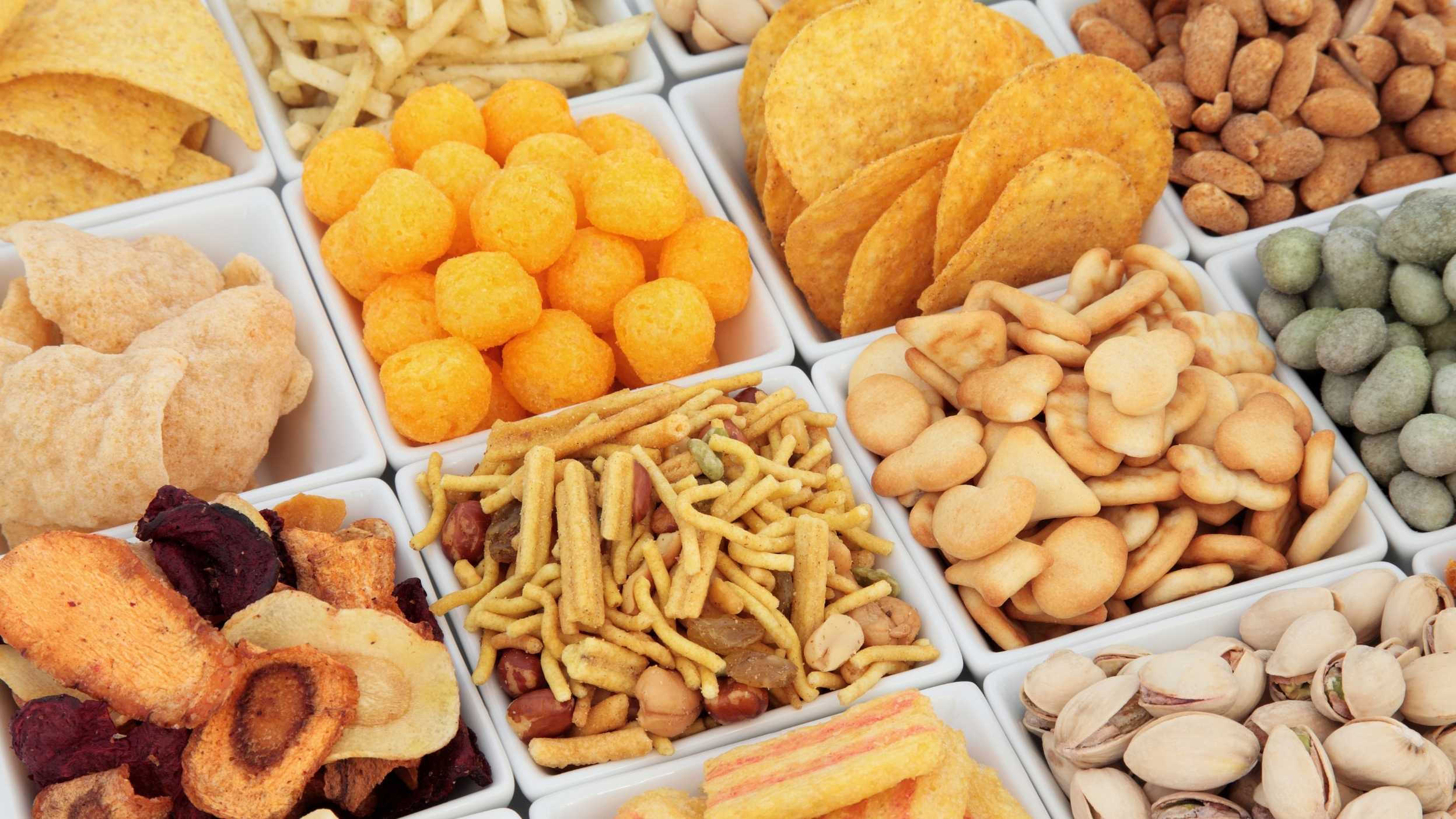
- Highly processed snacks: Contain sodium, additives, and trans fats that increase bloating and inflammation.
I used to pour myself a glass of wine and open a bag of chips when PMS hit. It felt like relief at that moment. But I’d wake up groggy, puffy, and irritable. Now, I unwind with a magnesium rich smoothie or a cup of chamomile tea. The difference in how I feel the next day is remarkable.
Mindful Strategies to Manage PMS Cravings
Balancing hormones isn’t just about what you eat, it’s about how you eat. These are the practical tips that have helped me and my clients the most:
Eat regularly. Going too long between meals causes blood sugar crashes and intensifies cravings.
Add protein to every snack. A handful of nuts or a boiled egg can stabilise hunger hormones for hours.
Stay hydrated. Many cravings are dehydration in disguise. Aim for 2–3 litres of water daily.
Track your cycle. When you know your luteal days, you can plan nutrient dense snacks in advance.
Honour comfort. If you want chocolate, eat it but choose high quality dark chocolate and savour it mindfully.
Cravings are information. They’re your body’s way of saying, “Something’s off balance.” When you start interpreting those messages with curiosity instead of guilt, everything changes.
FAQs about PMS Snack Swaps
Why did I crave chocolate before my period?
A drop in magnesium and serotonin during the luteal phase triggers chocolate cravings. Dark chocolate helps replenish both, easing mood swings and cramps.
Are salty cravings normal during PMS?
Yes. Hormonal water retention can disrupt electrolytes, prompting your body to crave sodium. Balance it with potassium rich foods like avocado, coconut water, or leafy greens.
How can I stop overeating during PMS?
Eat balanced meals with protein, fibre, and healthy fats, and avoid restrictive dieting. Overeating is often your body compensating for undernourishment earlier in the day or cycle.
Final thoughts
If there’s one thing PMS has taught me, it’s that our bodies aren’t problems to fix, they’re systems to understand. When I stopped punishing myself for cravings and started feeding my hormones intelligently, my entire relationship with food changed. I began to see how every choice, every snack, every craving, every phase was part of a bigger rhythm my body was asking me to respect.
Now, when that familiar craving hits, I don’t resist it. I pause, listen, and choose what truly supports me. Sometimes that’s dark chocolate and tea; sometimes it’s a magnesium smoothie or roasted chickpeas. Either way, it’s intentional. It’s kind. And it’s deeply empowering.
Learning to eat in sync with your cycle isn’t about perfection. It’s about the partnership between you and your hormones. When you nourish that connection, your energy, mood, and confidence follow naturally.