Table of Contents
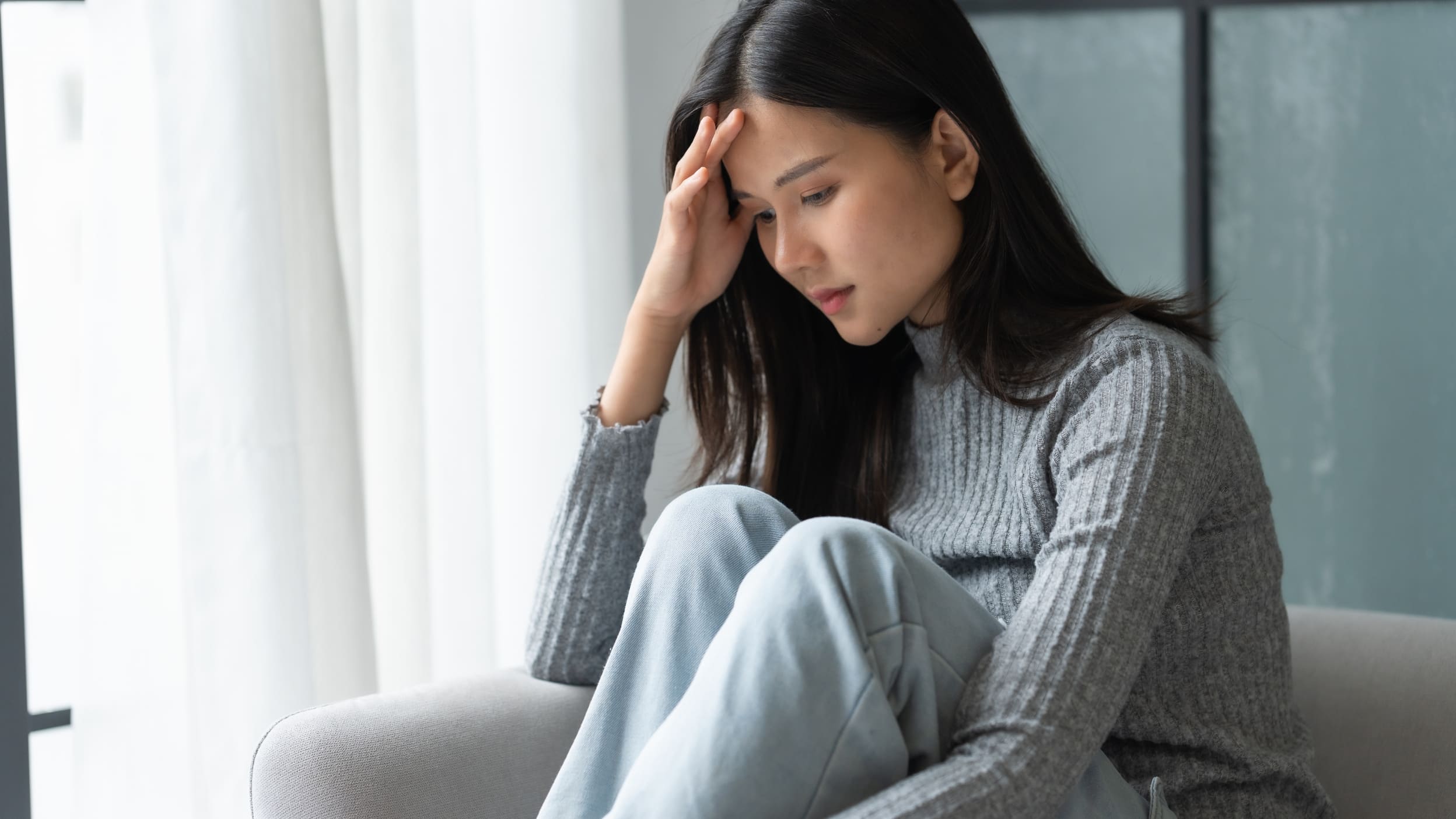
For most of my twenties, I believed PMS turned me into someone else. I’d go from calm and collected to tearful or irritable overnight. One minute I’d be laughing, the next I’d feel crushed by something minor. I used to think, “What’s wrong with me?”
But over the years, especially through working with other women who track their cycles, I realized something life changing: PMS doesn’t create feelings. It amplifies the real ones.
Those emotions that flare up before your period aren’t fake. They’re heightened versions of things you already feel but might suppress or overlook the rest of the month. PMS is like turning up the emotional volume on what’s been whispering underneath all along.
When I started tracking my cycle, I noticed patterns. I wasn’t suddenly “crazy” every month. I was just more sensitive to what was already present unspoken frustrations, exhaustion, unmet needs, or things I’d brushed off. My hormones didn’t create new feelings; they made existing ones impossible to ignore.
Once I saw that, I stopped fighting my emotions. Instead of trying to fix them, I began listening to them. PMS became my monthly reality check. It showed me where I was out of alignment with my own needs.
Why PMS Makes Feelings So Intense
If you’ve ever felt like every little thing hits harder before your period, you’re absolutely right. The week before your period, your hormonal balance shifts dramatically. Your tolerance for stress drops, and your emotional sensitivity increases.
Here’s a simple breakdown of what’s happening inside your body:
| Hormone | What It Does | Why It Matters |
| Estrogen | Boosts serotonin and energy | When it drops, mood and motivation dip too |
| Progesterone | Promotes calm and emotional stability | When it declines, irritability and sadness rise |
| Cortisol | Stress hormone | Spikes faster when estrogen and progesterone are low |
When progesterone dips and estrogen fluctuates, your brain becomes more reactive to stress. That’s why small annoyances that wouldn’t normally bother you can feel unbearable.
For me, it felt like my emotional buffer disappeared. A comment from my partner or a small mistake at work could suddenly feel personal or overwhelming. Once I learned what was happening biologically, I stopped labeling myself as overdramatic. My body was just running on a different hormonal landscape.
I’ve also noticed that emotions during PMS are usually exaggerated versions of what I’m already feeling deep down. If I’m stressed or overwhelmed, PMS amplifies it. If I’m happy and balanced, I might just feel more introspective. Understanding that distinction helped me use PMS as a signal, not a setback.
The Hormonal Connection: What’s Actually Happening
The luteal phase of your cycle, which starts right after ovulation and lasts until your period begins, is when PMS symptoms appear. During this time, progesterone peaks and then sharply drops if no pregnancy occurs. That hormonal drop can affect neurotransmitters like serotonin, GABA, and dopamine the brain chemicals that help regulate mood, sleep, and energy.
When those neurotransmitters fluctuate, it becomes harder to stay emotionally even. I used to feel frustrated with myself for being more reactive, but when I looked at the science, it was clear: my hormones were changing the chemistry of my brain.
At the same time, cortisol your stress hormone tends to spike faster in the luteal phase. If you’re already under pressure, your nervous system reacts stronger than usual. That’s why stress management is so critical before your period.
This connection between hormones and emotion doesn’t mean you’re powerless. It means you’re tuned in. Once you understand this natural rhythm, you can work with your body instead of fighting it.
When I started eating regular meals, prioritizing sleep, and lowering my caffeine intake during this phase, my emotional stability improved significantly. PMS stopped feeling like a takeover and started feeling like information.
Is PMS Making You Overreact or Showing You the Truth?
I’ll never forget one afternoon when I burst into tears in my car over a small disagreement. For a moment, I thought, “Is this PMS or is something deeper wrong?” That question stayed with me.
Over time, I learned something powerful: PMS doesn’t make us invent emotions; it simply removes the filter. It allows truth to surface. During PMS, you’re less likely to suppress discomfort or brush things aside. Your hormones strip away the emotional armor you wear during the rest of the month.
Here’s how I distinguish between hormonal amplification and genuine truth:
- If the feeling disappears once my period starts, it was likely an amplified reaction to stress or fatigue.
- If the same thought or frustration returns month after month, it’s something real that needs to be addressed.
One of my clients noticed she became angry with her partner every month during PMS because she felt unsupported with household tasks. The feeling always showed up at the same time, so we knew it wasn’t just hormones it was an unresolved need.
Hormones didn’t create that resentment. They just made it impossible to hide. Once she addressed the issue, her PMS outbursts became less frequent because the root problem was finally being heard.
I’ve come to see PMS as a mirror. It reflects what I need to acknowledge. Sometimes it’s uncomfortable, but it’s almost always telling the truth.
How PMS Affects Relationships
If you’re in a relationship, PMS can be a challenge for both people. It affects patience, empathy, and communication. I’ve seen it in my own relationship countless times. The days before my period used to feel like emotional landmines one small thing could set me off.
The truth is, during PMS, your tolerance decreases. You’re less willing to ignore things that feel unfair or dismissive. While that can create tension, it can also bring honesty into your relationship.
I remember a specific cycle when I was furious that my partner hadn’t helped clean up after dinner. It felt monumental at that moment. When I reflected later, I realized it wasn’t about the dishes. I had been carrying quiet frustration about mental load and emotional labor. PMS didn’t invent that anger; it finally gave it a voice.
To reduce conflict and strengthen understanding, I follow a few simple practices:
- Name the phase. I’ll say, “I’m in my PMS week, so I might be more sensitive.” That small statement removes pressure and invites empathy.
- Ask for help before you need it. It’s easier to ask early than when you’re already upset.
- Avoid deep emotional discussions during this time. Wait until hormones level out, then revisit with clarity.
- Offer reassurance. Remind your partner that your emotions are temporary, even if they’re valid.
Once I started being transparent about my cycle, my relationship felt less volatile. My partner began to understand patterns, and instead of taking things personally, he started offering support before I even asked.
Practical Ways to Manage PMS Emotions
Here’s what has helped me and many women I’ve worked with regulate mood and emotions naturally during PMS.
1. Balance Blood Sugar
Low blood sugar makes irritability worse. I used to skip meals when busy, and it made my PMS unbearable. Now I eat balanced meals every 3–4 hours, including protein, fiber, and healthy fats. Simple changes like adding eggs or nut butter to breakfast make a big difference.
2. Prioritize Rest
Your luteal phase naturally asks for slower energy. Instead of pushing through, I plan lighter days and earlier bedtimes. I stopped scheduling high-intensity workouts right before my period and switched to walking, stretching, or strength training. Resting isn’t weakness; it’s smart cycle alignment.
3. Move Mindfully
Exercise helps regulate serotonin, but overtraining can worsen PMS. I learned to adjust intensity depending on my energy. Gentle movement clears emotional buildup without depleting me.
4. Support Nutrients
Magnesium, B6, and omega-3s support hormonal balance and mood. I focus on real foods like leafy greens, seeds, and salmon, and take magnesium glycinate before bed to relax my body.
5. Journal and Reflect
During PMS, my mind runs faster than usual. Journaling helps me process what’s real versus what’s temporary. Writing out my emotions stops them from spiraling in my head.
6. Create Emotional Outlets
I used to bottle everything up, but I’ve learned that emotional release is necessary. Sometimes that means crying, sometimes it means a quiet walk or a long shower. Releasing emotions doesn’t make me weak; it helps me reset.
7. Limit Caffeine and Alcohol
Both amplify mood swings. Cutting back a week before my period improved my sleep and emotional stability.
These small adjustments don’t eliminate emotions, but they soften them. I no longer feel like PMS hijacks me. It feels more like an emotional tide I can surf instead of being pulled under.
Communicating Your Needs During PMS
One of the most transformative shifts I made was learning to communicate openly about PMS. For years, I tried to pretend nothing was wrong because I didn’t want to be “that person.” But honesty actually made everything easier.
Now, I tell my partner when I’m feeling emotionally vulnerable or overstimulated. I don’t frame it as an excuse. I frame it as awareness. Saying, “I’m in my luteal phase, I need some downtime,” removes the guilt from needing rest.
I’ve also learned that communication with others starts with communication with yourself. Ask what you need during PMS rest, space, comfort, or connection and then express that clearly.
It’s also helpful to share what PMS looks like for you with close people in your life. It allows them to support you better instead of misinterpreting your moods. The more self aware I became, the more compassion I received from others.
FAQs About Create Feelings
Q1. Why do my emotions feel so intense during PMS?
Because of hormonal fluctuations that affect neurotransmitters like serotonin. Your emotional threshold lowers, making real feelings more noticeable.
Q2. Is PMS making me overreact or revealing real issues?
Often both. PMS doesn’t fabricate feelings. It amplifies unresolved emotions or stress. Reflection helps you see which ones need attention.
Q3. How can I explain PMS emotions to my partner?
Be clear and honest. Let them know you’re more sensitive during this phase and might need extra patience, not solutions.
Final Thoughts
Over the years, I’ve come to appreciate PMS as one of the most honest parts of my cycle. It’s not comfortable, but it’s truthful. It doesn’t create chaos; it reveals what needs to change.
Every emotional surge, every tear, every moment of irritation is a message. Sometimes it says, “You’re tired.” Other times it says, “You’re not being heard.” And sometimes it simply says, “Slow down.”
When I stopped seeing PMS as an enemy and started treating it as a conversation with my body, everything shifted. I no longer felt guilty for feeling deeply. Instead, I started using those emotions as a guide.
Your PMS emotions are not weak. They’re data. They show you where your boundaries, needs, and truths are being tested. When you start listening, you begin living in sync with your body instead of fighting against it.
PMS doesn’t create feelings. It amplifies the real ones and sometimes, that’s exactly what we need to finally hear ourselves.