Table of Contents
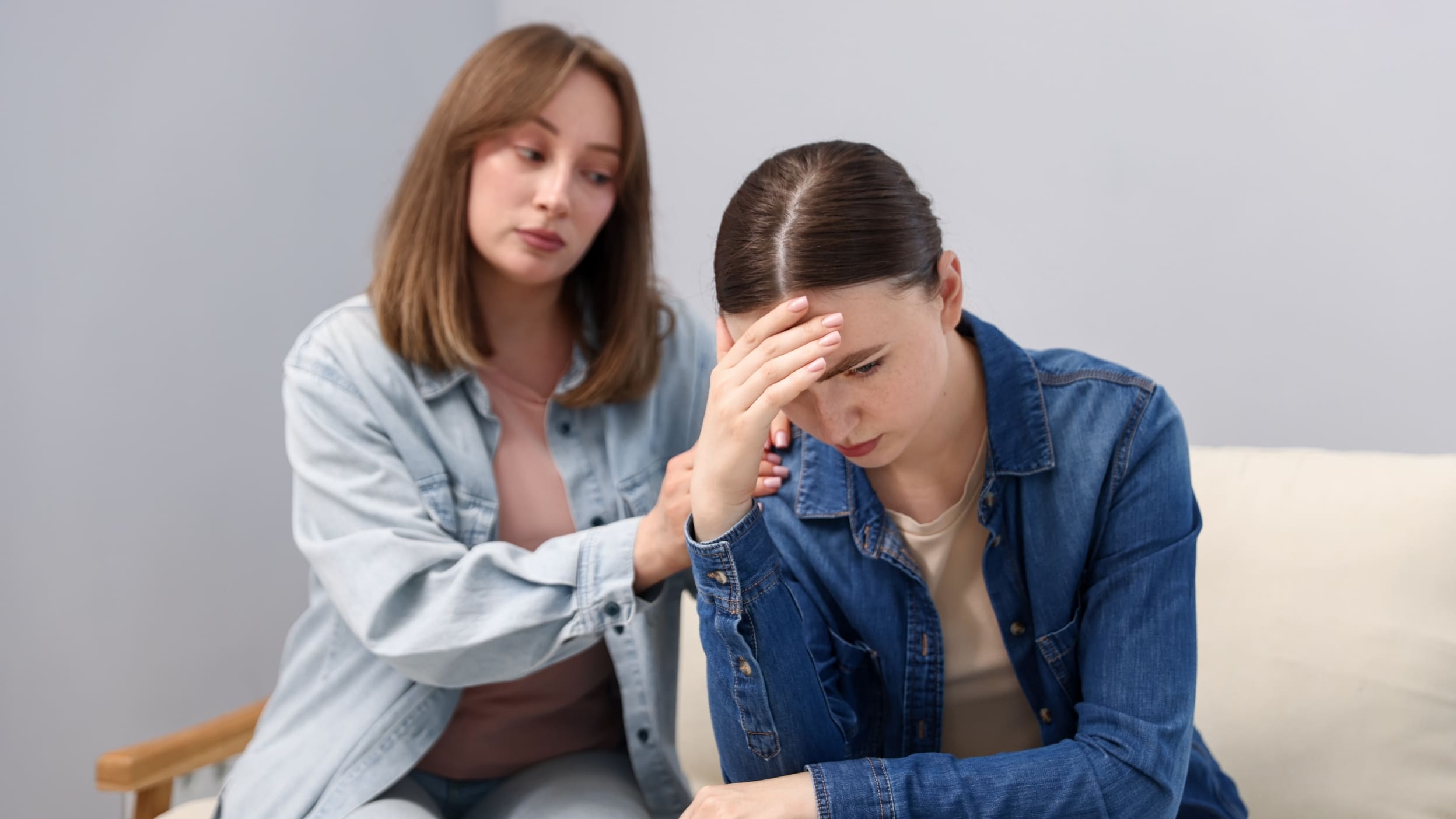
If you’ve ever found yourself pulling away from people right before your period, even though part of you wants connection, you’re not imagining it. That push and pull feeling of wanting comfort but needing space is something I’ve lived through and seen in almost every woman I’ve coached.
During PMS, I often catch myself craving closeness and reassurance, but when someone tries to help, it feels like too much. It’s as if my emotions become so raw that any additional energy, even love, feels overwhelming. It used to confuse me. Why would I push away support when that’s exactly what I thought I wanted?
The answer lies in how our hormones influence our emotional bandwidth. PMS isn’t just physical; it’s deeply emotional and neurological. When your brain is flooded with fluctuating hormones and stress signals, your capacity for interaction and connection can shrink. It’s not that you’ve stopped caring; it’s that your system is overloaded.
Once I understood this, my entire perspective shifted. Instead of fighting my withdrawal, I started treating it as a cue for rest and reflection. And surprisingly, that made it easier to reconnect once my energy returned.
Why PMS Triggers the Need for Space and Solitude
The need for space during PMS is not weakness or emotional coldness. It’s biological self preservation. When your hormones shift in the luteal phase, your brain chemistry changes, and that affects how you process emotions and relationships.
Estrogen and progesterone, two key hormones, play major roles here. Estrogen usually boosts serotonin, which helps you feel social, confident, and upbeat. But as estrogen drops before your period, serotonin levels fall too. This can make you more sensitive to criticism, noise, and even subtle emotional tension.
Meanwhile, progesterone rises and then drops sharply. Early in the luteal phase, it can have a calming effect, but as it decreases, anxiety and irritability can surface. That’s why one day you might want to be held, and the next day you can’t stand being touched.
In my experience, this hormonal rollercoaster makes solitude feel safe. It’s not rejection, it’s regulation. Your brain is seeking quiet because it’s trying to restore emotional equilibrium. I used to think needing space meant I was too sensitive, but now I see it as my nervous system asking for recovery.
There’s also a psychological layer. PMS can amplify self-criticism. When I’m already feeling emotionally raw, I tend to withdraw to avoid snapping or saying something I don’t mean. It’s not avoidance, it’s awareness. That little pause for space often prevents misunderstandings and gives me the grace to process my emotions calmly.
The Hormonal Science Behind Emotional Sensitivity
Understanding the science behind PMS withdrawal helps replace guilt with compassion. Research shows that hormonal fluctuations during the luteal phase can heighten the brain’s amygdala activity, the part responsible for emotional responses like fear or frustration. This means your brain literally becomes more reactive.
At the same time, serotonin and dopamine, the feel-good neurotransmitters, decline. You might feel less resilient to stress and more affected by things that normally wouldn’t bother you. That’s why small disagreements can suddenly feel monumental or why you might cry at something as simple as a commercial.
I’ve personally noticed that my emotional tolerance drops significantly during PMS. A busy environment, constant notifications, or even friendly chatter can feel overstimulating. I used to think something was wrong with me, but really, my brain just needed less input and more recovery time.
One of my clients, Sarah, struggled with this too. She felt guilty for needing distance from her partner before her period. But once she started tracking her symptoms, she noticed the same cycle every month. We worked together to create boundaries and communication strategies that honored her need for quiet without making her feel disconnected. Within two months, her relationships felt more stable and her guilt faded.
When you understand that emotional withdrawal is your brain’s protective mechanism, you stop fighting it. You can approach it with mindfulness instead of shame.
How to Balance Connection and Alone Time
The hardest part about PMS withdrawal is the contradiction. You crave closeness but can’t handle too much interaction. I’ve learned that the secret isn’t to pick one or the other but to blend both in a way that respects your limits.
Here are some strategies that have helped me and many of my clients balance connection and solitude without guilt.
1. Communicate your cycle honestly.
Let the people close to you know when you’re entering your PMS phase. You don’t have to share every detail, but saying something simple like, “I’m feeling a little more sensitive this week, I might need quiet time,” goes a long way. It prevents misunderstandings and builds emotional safety.
2. Redefine connection.
Support doesn’t always mean conversation or activity. Sometimes the best form of connection is presence without pressure. Watching a movie together, sitting quietly, or cooking side by side can be deeply comforting.
3. Plan social downtime.
I intentionally leave space in my schedule during PMS week. I avoid back-to-back commitments or crowded environments. By planning quiet evenings in advance, I protect my energy and give myself permission to rest.
4. Practice mindful solitude.
Spending time alone doesn’t mean isolating. Use your solitude for nurturing activities like journaling, gentle stretching, or spending time outdoors. Solitude should refill you, not deplete you.
When I began living this way, I noticed I could stay emotionally connected even while honoring my need for space. That balance made me feel more grounded and less guilty.
Daily Rhythms That Support Emotional Stability
Having steady daily rhythms during PMS can make emotional fluctuations much easier to manage. When your body feels safe through structure, your mind follows.
Here’s what a PMS-friendly day looks like for me.
Morning:
I start my day slowly. I’ve stopped hitting snooze and instead open my blinds to let in natural light. This helps regulate my circadian rhythm, which influences hormonal balance. I do light movement, five minutes of stretching or yoga, to release morning stiffness and tension.
Breakfast always includes protein and healthy fats. I’ve learned that stable blood sugar equals stable mood. My favorite PMS breakfast is eggs with avocado and a sprinkle of pumpkin seeds for magnesium.
Midday:
This is my productive window. I tackle my most focused tasks before fatigue sets in. I take short breaks every hour to stand, breathe, or stretch my shoulders. These tiny pauses prevent the overwhelm that often triggers emotional reactivity.
Lunch is simple but grounding, grilled chicken, quinoa, and leafy greens. I avoid sugary snacks or caffeine overload because they make mood swings worse later in the day.
Afternoon:
This is when my energy dips. I use this time for low-focus tasks like organizing or responding to messages. If I feel irritable, I step outside for fresh air or go for a walk. Movement helps regulate cortisol, the stress hormone that can spike during PMS.
Evening:
I create a calm environment. I turn off bright lights, light a candle, and cook a nourishing meal. Magnesium-rich foods like spinach and lentils help reduce muscle tension and promote relaxation.
Before bed, I unplug from screens at least 30 minutes early. I might read, journal, or listen to soothing music. A consistent bedtime routine helps me sleep deeply, which is crucial for hormonal balance.
This rhythm isn’t rigid, it’s supportive. It keeps me grounded when my emotions feel unpredictable.
How to Ask for Support Without Feeling Overwhelmed
Asking for help during PMS can feel uncomfortable. I used to avoid it altogether because I didn’t want to seem needy. But withholding your needs only increases emotional distance. Support, when received mindfully, can actually make PMS far easier to navigate.
Here’s what’s worked for me.
1. Ask before you hit overwhelm.
It’s easier to ask for help when you’re calm. Let your partner or friends know ahead of time that PMS can be a sensitive week for you. When they understand, they’re less likely to take your withdrawal personally.
2. Be specific.
Instead of vague requests, say exactly what you need. For example, “I’d love a quiet night in together” or “Can you handle dinner tonight?” Clarity makes support feel comforting rather than intrusive.
3. Choose emotionally safe people.
Not everyone knows how to respond to vulnerability. Identify one or two trusted people who make you feel calm and seen. Sharing with the right person makes a huge difference.
4. Receive without guilt.
When someone offers kindness, accept it. It’s not weakness, it’s human connection. The more we allow ourselves to receive support, the more balanced our emotional lives become.
Asking for support isn’t about dependency. It’s about partnership, between you and your body, and between you and your people.
Gentle Self-Care Practices for PMS Week
During PMS, your body and mind need care that feels soft but intentional. The right habits can soothe your body and calm your emotions. Here are my favorite gentle practices that keep me balanced.
- Low-intensity movement: Yoga, stretching, or walks improve circulation and reduce cramps without draining your energy.
- Warmth therapy: A heating pad or warm bath eases tension in the lower back and abdomen.
- Mindful hydration: Herbal teas like ginger or chamomile reduce bloating and soothe digestion.
- Creative outlets: Writing, painting, or even cooking can help release pent-up emotions.
- Journaling prompts: I often ask myself, “What do I need today?” It helps me tune in instead of pushing through discomfort.
- Digital detox: Reducing screen time helps prevent overstimulation and improves sleep quality.
Self care during PMS isn’t about pampering. It’s about regulation. It’s how you tell your body, “I’m listening.”
FAQs
Why do I pull away from people during PMS even when I want support?
Hormonal changes heighten emotional sensitivity and lower tolerance for stimulation, making social interaction feel draining even if you crave connection.
How can I ask for support without feeling like a burden?
Be clear and specific about what helps you most. You don’t need to explain everything. Simple statements like “I just need a calm evening” are enough.
Is it normal to want space but still crave connection during PMS?
Yes. It’s your body’s way of balancing emotional recovery with your natural need for closeness. You can honor both without guilt.
Final Thoughts
For years, I judged myself for withdrawing during PMS. I thought it made me moody or complicated. But once I understood the hormonal and emotional layers beneath it, I started to see it differently. That need for space isn’t rejection, it’s communication. It’s my body saying, “I need a moment to breathe.”
When I began listening instead of resisting, my relationships became healthier. I could tell people what I needed without shame. I could rest without guilt. And when the PMS fog lifted, reconnecting felt more natural and genuine.
You don’t need to fight your rhythms to be loved or understood. The people who truly care about you will learn to honor your space as much as your closeness.
By embracing your body’s natural cycles, you stop seeing PMS as a flaw and start seeing it as feedback. Every withdrawal is an invitation to rest, to reflect, and to reconnect more authentically once your balance returns.
You’re not broken for needing space. You’re simply human, learning to listen to what your body has been trying to tell you all along.