Table of Contents
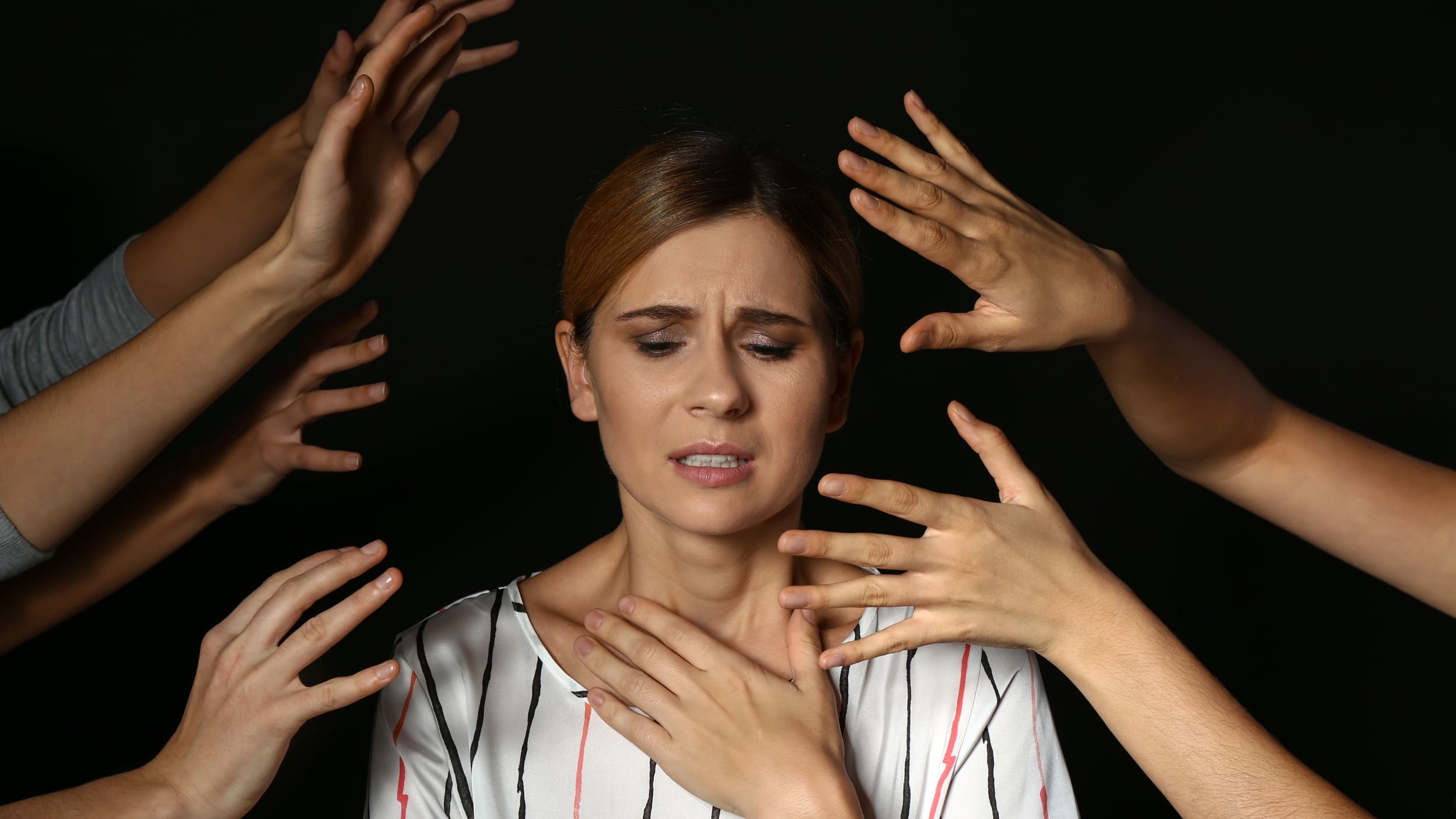
If you’ve ever found yourself crying at a commercial, snapping at someone you love, or wanting to cancel every plan the week before your period, you’re not alone. Why pms makes you withdraw and how to feel safe again . I used to think I was being moody, but after learning how my hormones affect my mood, everything started to make sense.
When I feel withdrawn before my period, it’s not because I’m failing at life or relationships. It’s because my body is asking me to slow down. Those quieter days are a form of communication. Once I stopped resisting them, I noticed how much calmer and grounded I felt.
For years, I ignored my body’s signals and tried to power through. But the more I pushed, the worse my PMS symptoms became. Now I see that my body wasn’t sabotaging me. It was guiding me to rest, reflect, and take care of myself.
What’s Really Happening During PMS
The days before your period fall in the luteal phase of your menstrual cycle. This phase begins after ovulation and ends when menstruation starts. During this time, progesterone rises to prepare the body for a possible pregnancy and then drops if pregnancy doesn’t occur. Estrogen also falls sharply, and that hormonal shift affects almost everything.
Your brain chemistry changes, serotonin levels dip, and your body becomes more sensitive to stress. You might notice more bloating, cravings, or emotional ups and downs. None of this means something is wrong with you. It’s just how your body responds to these natural hormonal changes.
I’ve learned that how I treat myself during this phase determines how intense my symptoms feel. When I eat balanced meals, manage stress, and get enough sleep, my mood stays stable. But when I skip meals, overwork, or push through workouts I don’t have energy for, my body reacts instantly.
Understanding this connection helped me stop feeling at war with myself. It allowed me to work with my cycle instead of fighting it.
Why PMS Makes You Withdraw
That sudden desire to be alone or cancel plans before your period isn’t just in your head. It’s a biological reaction to changing hormones. When estrogen and dopamine drop, you lose some of the motivation and social drive that felt natural during ovulation. At the same time, progesterone rises, which promotes introspection and calm but can also make you feel more withdrawn.
I’ve experienced this countless times. One week I’ll feel social, outgoing, and energized, and the next I’ll want quiet and solitude. Once I recognized that this pattern was hormonal, I stopped labeling it as antisocial or lazy.
Now, I actually schedule downtime before my period. I choose comforting meals, limit my workload, and spend more time journaling or resting. When I do that, I feel more balanced and less emotionally reactive. It’s not about avoiding people but about creating space for reflection and safety.
Most women I speak with describe the same thing. When they give themselves permission to step back during PMS, they feel more in control and emotionally stable throughout their cycle.
The Science of Feeling “Unsafe”
During PMS, it’s common to feel more anxious, sensitive, or even unsafe. This happens because of how hormones interact with your nervous system. Progesterone affects the brain’s GABA receptors, which usually have a calming effect. But when stress levels rise or progesterone fluctuates too quickly, that calm can flip into restlessness or heightened sensitivity.
Your body becomes more alert, almost like it’s on high watch. That’s why small things like a sharp tone of voice or a critical comment can feel more intense than usual. It’s not that you’re overreacting; it’s that your brain is trying to protect you from perceived threats.
When I first learned this, it completely changed how I viewed PMS. I realized that my body wasn’t being dramatic; it was responding to biochemical signals. The more I created calm environments, the less anxious and withdrawn I felt.
Simple habits like turning off screens an hour before bed, spending time in nature, or deep breathing when stress builds make a real difference. These practices remind my body that it’s safe, even when my hormones make me feel otherwise.
How to Feel Safe and Grounded Again
You can’t outthink PMS, but you can help your body regulate itself. Over time, I’ve found that the key is consistency. Small daily habits make a big difference in how grounded I feel before my period.
- Balance blood sugar.
Every emotional crash I’ve had before my period started with a sugar crash. I eat protein and healthy fats with every meal. Something as simple as adding almond butter to a banana helps prevent mood dips. - Use magnesium and B vitamins.
These nutrients support mood, sleep, and muscle relaxation. Within a week of supplementing, I noticed fewer headaches and less irritability. - Exercise gently.
I used to force myself through tough workouts before my period, thinking I’d feel better afterward. Instead, it made my symptoms worse. Now, I walk, stretch, or do light yoga. My mood and sleep improved almost immediately. - Track your cycle.
Writing down how I feel each day gave me clarity. I started seeing clear patterns. Once I knew when the emotional dips were coming, I could prepare instead of being surprised. - Create evening rituals.
I light a candle, listen to soft music, and put my phone away. That routine signals my body to relax and helps me fall asleep faster.
The biggest shift for me was realizing that self-care during PMS isn’t indulgence. It’s maintenance. The more I treat myself kindly during this phase, the smoother my next cycle becomes.
Cycle-Syncing Tips for Emotional Balance
Cycle syncing means matching your lifestyle to your hormonal changes throughout the month. Once I learned how each phase affects energy and mood, I began to plan around it. It reduced stress and made me feel more capable all month long.
| Phase | Energy Level | Emotional Focus | Ideal Activities |
| Menstrual | Low | Rest, reflection | Journaling, stretching, reading |
| Follicular | Rising | Curiosity, optimism | Planning, creative work, workouts |
| Ovulatory | Peak | Social, confident | Networking, meetings, presentations |
| Luteal | Declining | Introspective, nurturing | Self-care, organizing, quiet tasks |
When I started scheduling my work and workouts like this, I noticed immediate results. I stopped burning out mid-cycle, and I felt more emotionally even. During ovulation, I focus on social events and collaboration. During the luteal phase, I slow down and focus on details or home projects.
Cycle syncing helped me see my energy not as unpredictable, but as rhythmic. That change in perspective has been life-changing.
Real-World Strategies That Actually Help
Over time, I’ve collected a few simple strategies that consistently help reduce PMS withdrawal and make me feel safer in my body:
- Stay hydrated. Dehydration worsens fatigue and bloating. I keep water with electrolytes nearby at all times.
- Limit caffeine and alcohol. Both can increase anxiety and disrupt sleep, especially before your period.
- Eat complex carbs. Foods like quinoa, oats, and sweet potatoes help keep energy steady.
- Name your emotions. When I label what I feel instead of judging it, the emotion loses power. For example, saying “I feel sensitive” instead of “I’m a mess” changes everything.
- Communicate your needs. Let people know when you need space. It’s not rejection; it’s self-regulation.
- Sleep deeply. I aim for at least eight hours and use a cool, dark room to help my body rest.
- Ground your body. Gentle breathing, stretching, or time outside helps regulate the nervous system.
One of my clients, a fitness instructor, used to struggle with emotional crashes every month. She started tracking her cycle, adjusting her workouts, and eating more protein during her luteal phase. Within two cycles, her PMS symptoms were half as intense. The consistency paid off.
These changes don’t have to be huge. They just need to be intentional. Small shifts in awareness and self-care can transform how you experience PMS.
FAQs
1. Why do I feel more emotional before my period?
Because estrogen and serotonin levels drop, your emotional resilience decreases. It’s a biological response, not a character flaw.
2. How can I reduce PMS mood swings naturally?
Balance blood sugar, manage stress, move gently, and get quality sleep. Magnesium and omega-3-rich foods can help stabilize mood.
3. How long do PMS symptoms last?
They typically start about 5 to 10 days before your period and end once bleeding begins, but timing varies from person to person.
4. What foods help with PMS symptoms?
Leafy greens, dark chocolate, pumpkin seeds, and fatty fish all support hormone balance and reduce inflammation.
5. How does my menstrual cycle affect my energy levels?
Each phase shifts your hormones and metabolism. Energy peaks during ovulation and naturally dips before your period.
6. Why do I get cramps or headaches before my period?
Prostaglandins rise before menstruation, causing uterine contractions that lead to cramps or tension headaches. Staying hydrated helps reduce their intensity.
Final Thoughts
Over the years, I’ve realized that PMS isn’t something to fight against. It’s a message. When I treat my body with care instead of frustration, the withdrawal I used to fear becomes a natural pause that restores me.
Feeling withdrawn or emotional before your period isn’t failure. It’s your body’s way of asking for slower rhythms and deeper care. When you honor that need, you’ll notice fewer mood swings, better sleep, and a stronger sense of self-trust.
PMS doesn’t mean you’re broken. It means you’re cyclical, and that’s powerful. Once you start aligning your habits, emotions, and self-care with your hormonal rhythm, life feels more balanced and manageable.
The more you listen, the more your body responds with calm and confidence. That, to me, is what it means to feel safe again.