Table of Contents
If you’ve ever felt exhausted yet unable to switch off during PMS, you’re not alone. The days leading up to your period can feel like walking around with both your mind and body overstimulated. You’re tired but restless, craving sleep yet unable to settle down.
For a long time, I thought rest meant stillness, so I avoided any movement at night. But what I learned was the opposite. Gentle evening movement actually helps my body unwind and prepares it for deep rest. Once I started adding short, calming sessions before bed, my PMS symptoms changed dramatically.
Evening movement became my way to reset. It’s not about working out. It’s about creating space for calm and helping my body shift from “doing” mode to “resting” mode.
PMS is when our hormones start to drop. Estrogen decreases, progesterone fluctuates, and serotonin dips as a result. This hormonal turbulence can cause mood changes, tension, and poor sleep. The right movement helps regulate these shifts and tells your nervous system that it’s time to relax.
When I started listening to my body’s rhythm instead of fighting it, I realized that gentle evening movement was exactly what I had been missing.
The Connection Between Hormones, Stress, and Sleep
Hormones and sleep are deeply connected, especially in the days before your period. During the luteal phase, estrogen and progesterone move up and down like waves. That can affect everything from how your brain processes stress to how easily you fall asleep.
Estrogen helps with serotonin production, so when it drops, your mood can take a dip. Progesterone, which has calming effects when balanced, can fluctuate too quickly, leading to restlessness or emotional spikes. At the same time, cortisol, the stress hormone, tends to rise, especially in the evening.
When cortisol stays high, melatonin, your sleep hormone, struggles to activate. That’s why it can feel like your mind is racing even when your body is exhausted.
I used to think something was wrong with me when I couldn’t sleep during PMS. Now I understand it was simply my hormones doing what they do. The trick is to help your body work with them instead of against them. Gentle evening exercise lowers cortisol naturally, promotes serotonin, and supports melatonin release, setting you up for a much better night’s sleep.
It’s not about forcing calm. It’s about creating it through intentional movement and breath.
How Gentle Exercise Helps Calm PMS
When you’re experiencing PMS, your body doesn’t want high intensity. It wants regulation. Gentle movement helps the body balance stress hormones while easing common PMS symptoms like bloating, cramping, and irritability.
Evening exercise encourages your parasympathetic nervous system the system responsible for rest and recovery to take the lead. This is what allows your heart rate to slow and your body to shift into repair mode.
Here’s what happens physiologically when you move gently at night:
| Benefit | What Happens in the Body | How It Helps PMS |
| Lowered Cortisol | Movement helps the body release stress hormones safely | Reduces tension and anxiety |
| Improved Circulation | Muscles and tissues receive more oxygen | Relieves bloating and cramps |
| Increased Serotonin | Exercise boosts feel-good neurotransmitters | Enhances mood and relaxation |
| Enhanced Melatonin | Evening movement improves sleep hormone release | Supports deep, restorative rest |
I started noticing that on nights I did gentle yoga or stretching, I slept through the night. My PMS irritability softened, and I woke up calmer and clearer. It’s a small shift that makes a huge difference.
My Experience With Evening Movement and PMS Relief
I discovered the power of evening movement during one of my most stressful years. I was working long hours, drinking too much caffeine, and barely sleeping. PMS hit me like a wave each month cramps, anxiety, insomnia, and irritability that felt impossible to control.
One night, I couldn’t quiet my thoughts, so I decided to move. I dimmed the lights, put on slow music, and started stretching on my bedroom floor. Within minutes, I could feel my body soften. My shoulders loosened, my breath deepened, and the tension that had been sitting in my stomach began to ease.
That night, I fell asleep easily for the first time in weeks.
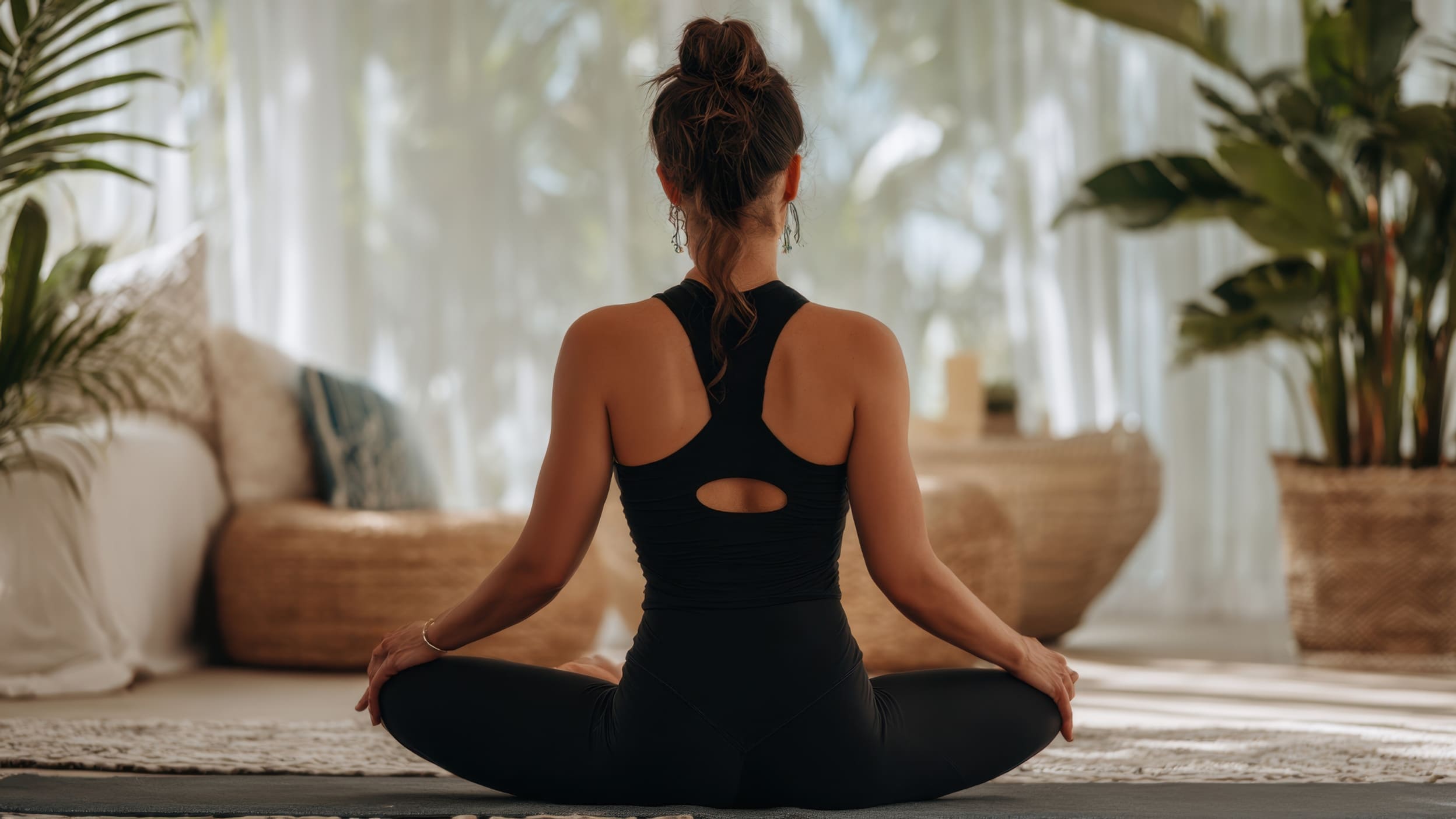
Since then, evening movement has become my PMS ritual. I don’t treat it like a workout. I treat it like therapy. Some nights I do gentle yoga; other nights, a slow walk around the block or light stretching with breathwork.
Within two cycles, my PMS symptoms shifted. My cramps became lighter, my mood steadier, and my sleep deeper. It wasn’t about doing more it was about moving with awareness. My body didn’t need to be pushed. It needed to be soothed.
The Best Types of Evening Movement for PMS
The right movement during PMS is slow, grounding, and connected to breath. Here are the types of exercise that have made the biggest difference for me.
1. Restorative Yoga
Restorative yoga is designed for relaxation. You use props like pillows or blankets to support your body in restful poses. My favorites are Legs Up the Wall, Child’s Pose, and Reclined Butterfly. These help release pelvic tension and encourage blood flow, which eases cramps and restlessness.
2. Gentle Stretching
Even a simple stretching sequence can shift your entire mood. I like to stretch in soft lighting, focusing on deep exhalations. Slow movements like forward folds or gentle hip stretches calm the body and help release both physical and emotional tension.
3. Slow Walking
A 10- to 15-minute evening walk helps me digest dinner and clear my mind. I keep it easy, focusing on deep breathing and the rhythm of my steps. It’s one of the simplest ways to reduce cortisol and prepare the body for rest.
4. Pilates for Balance
Slow, mindful Pilates can improve posture, support digestion, and strengthen the core without overexertion. I love the fluid movements and how they make me feel more grounded.
5. Breath-Integrated Movement
Movement paired with controlled breathing works wonders for PMS. When I move in sync with my breath, I feel my body’s stress response melt away. Deep breathing activates relaxation signals that calm both mind and muscles.
The key isn’t intensity it’s intention. Slow, steady, and mindful always wins during PMS.
Simple 20-Minute PMS-Friendly Evening Routine
Here’s the routine that has helped me most on evenings when PMS feels heavy or sleep feels far away.
Duration: 20 minutes
When to do it: About 30 to 60 minutes before bed
- Cat-Cow (2 minutes)
Start on all fours. Inhale as you arch your back, exhale as you round. This improves spinal flexibility and eases back tension. - Seated Forward Fold (3 minutes)
Sit tall, hinge forward gently, and let your head drop. It lengthens your hamstrings and quiets the nervous system. - Hip Circles (2 minutes)
Sit cross-legged and rotate your torso slowly in circles. This helps release pelvic tightness and digestive discomfort. - Supported Bridge (3 minutes)
Lie down, place a cushion under your hips, and breathe deeply. This improves circulation in the lower body and relieves pressure. - Legs Up the Wall (5 minutes)
Lie near a wall and elevate your legs. This pose reduces swelling and improves lymphatic drainage. - Supine Twist (3 minutes)
Gently twist from side to side to relax your spine and digestive organs. - Deep Belly Breathing (2 minutes)
End lying flat, one hand on your stomach, the other on your chest. Inhale through your nose for four counts, hold for two, exhale for six. Repeat until you feel heavy and calm.
Every time I finish this routine, my mind is clear and my body feels soft and ready for bed. It’s an easy way to turn off the day and tune back into myself.
Tips for Relaxation and Better Sleep Before Your Period
Evening movement works best when paired with other calming habits. Here are some practices that help me maximize the benefits.
1. Keep lights low.
Lower light tells your brain it’s time to wind down. I use warm lamps or candles instead of overhead lighting.
2. Eat lighter at night.
Heavy dinners can slow digestion and make you feel sluggish. I prefer warm, grounding foods like soups or baked vegetables.
3. Put your phone away.
Blue light interferes with melatonin. I give myself a no-screen buffer of at least 30 minutes before bed.
4. Try herbal support.
Chamomile, lemon balm, and spearmint teas all calm the nervous system. They’re especially helpful in the luteal phase.
5. Add gentle heat.
A warm bath, hot water bottle, or heating pad can reduce cramps and increase relaxation.
These small choices compound. Together, they create the ideal environment for rest and hormonal balance.
FAQs
1. What exercises help calm PMS in the evening?
Gentle yoga, stretching, and slow walking are best. They release tension, regulate hormones, and ease emotional stress.
2. Is it okay to exercise before bed during PMS?
Yes. Gentle, slow movement helps calm your body and prepares it for sleep. Avoid intense workouts close to bedtime, as they can raise cortisol.
3. What movement helps PMS and sleep the most?
Restorative yoga and slow mobility flows are most effective because they calm the nervous system and promote hormonal balance.
Final Thoughts
Evening movement has become one of the simplest and most powerful tools in my PMS routine. It’s not just exercise it’s emotional release and self-care wrapped into one.
Before, I used to fight my body every month. Now, I meet it where it is. I move gently, breathe deeply, and give myself permission to slow down. It’s made my PMS symptoms easier to manage and my nights far more restful.
When you move in harmony with your hormones, you stop working against your body. You start listening to it. Evening movement reminds me that peace isn’t something I have to chase. It’s something I can create, one slow stretch and steady breath at a time.