Table of Contents
If you have ever felt that your workouts suddenly became harder the week before your period, you are not imagining it. PMS changes how your body feels and performs. During this phase, hormone fluctuations like dropping estrogen and rising progesterone can affect everything from your strength to your recovery time.
I remember when I first started noticing this pattern. My energy felt unpredictable. One week I could crush a HIIT session, and the next, I could barely finish a warm up without wanting to lie down. I thought I was just being lazy or undisciplined, but once I learned about how my hormones actually work, it all made sense.
Your luteal phase, which happens after ovulation, is naturally slower and more restorative. Progesterone rises to prepare your body for a possible pregnancy, and with it comes a slight increase in body temperature, slower muscle recovery, and a dip in serotonin. This combination can make your workouts feel more draining, even if you are doing the same routine as usual.
Instead of treating this time as a setback, I began seeing it as a signal. My body was not weak; it was just asking for something different, supportive, slower movement that helped me stay connected to my energy rather than deplete it.
The Science Behind PMS and Exercise
PMS is not just about mood swings and cramps. It is a complex hormonal shift that influences your nervous system, energy metabolism, and recovery. When progesterone dominates during the luteal phase, your body uses fat more efficiently than glycogen, which means quick bursts of energy become harder to sustain.
In practice, that means HIIT or intense cardio can feel heavier, while slower, steady-state movement feels more natural. Your blood sugar also tends to be more sensitive to drops, which is why you might feel dizzy or fatigued if you push too hard without fueling properly.
Another important point is that cortisol, your stress hormone, rises more easily during PMS. If you train too hard, you risk keeping cortisol elevated for longer, which can worsen PMS symptoms like anxiety, bloating, and fatigue. That is why I emphasize supportive over intense movement during this phase. It helps your hormones work with you, not against you.
Supporting your body through gentle movement keeps blood flowing, regulates stress hormones, and promotes endorphin release without overwhelming your system. This balance is key for managing PMS symptoms while still staying active and strong.
What Slower, Supportive Movement Really Means
When I first heard about the idea of slowing down during PMS, I thought it meant stopping altogether. But slower movement is not about giving up. It is about being strategic. It is listening to your body’s signals and moving in ways that restore energy rather than drain it.
Slower, supportive movement could mean:
- Swapping your HIIT workout for a long walk outside
- Choosing Pilates over heavy lifting to strengthen your core and stabilize your joints
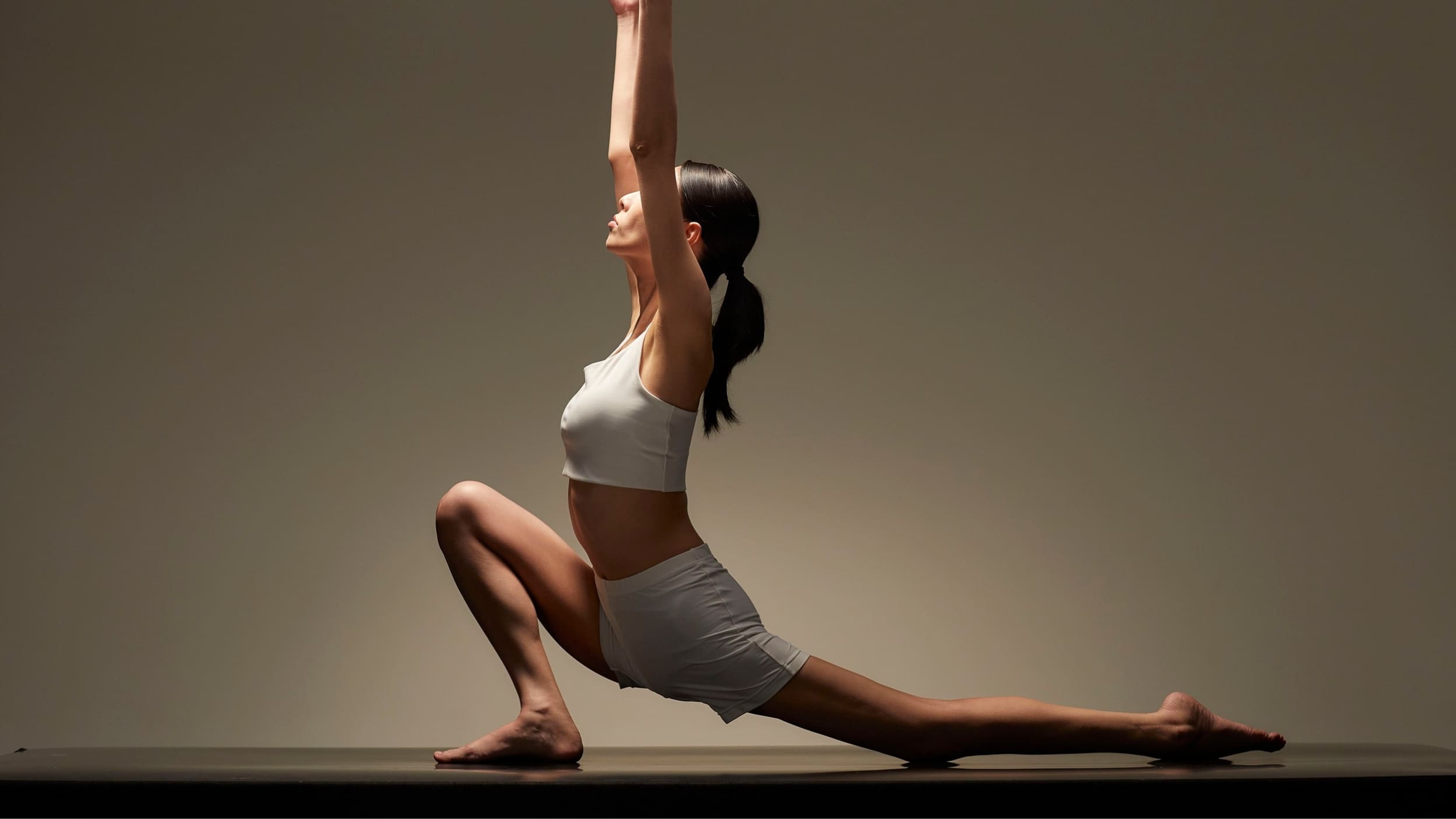
- Doing gentle yoga or mobility work to ease tension and improve flexibility
- Shortening your workout to 30 minutes instead of 60, focusing on form and breathing
The beauty of this approach is that it still keeps you consistent. You are still moving, sweating, and engaging your muscles, but you are doing it with awareness that honors your current state.
I like to think of this phase as training softer. It is a reset, a way to build endurance, mobility, and body connection. Once I started slowing down during PMS, I realized I actually came back stronger in the following weeks.
My Experience with Overtraining During PMS
Before I understood my cycle, I used to push through every workout with the same intensity. I thought that consistency meant doing more, no matter how I felt. I would drag myself through heavy lifts and intense spin classes even when I was bloated, cramping, and exhausted.
The result? I ended up overtraining. My sleep got worse, my skin broke out, and my PMS symptoms intensified. My cycle even became irregular for a few months. My body was sending warning signs, but I kept ignoring them.
When I finally started tracking my cycle and aligning my workouts to each phase, everything shifted. During PMS, I switched to yoga, walking, and slower strength training. My body felt lighter, my cramps decreased, and my energy during the follicular and ovulatory phases improved dramatically.
That experience taught me that honoring your body’s natural rhythm is not about being less committed. It is about training smarter.
The Benefits of Gentle Workouts During PMS
There is a lot of science and real world evidence behind why gentle workouts work so well during PMS. They support hormonal regulation, reduce inflammation, and improve mood stability.
Here are the main benefits I have noticed personally and in my clients:
1. Better Recovery and Less Fatigue
Gentle movement helps blood flow to muscles without straining them. You feel energized instead of drained afterward.
2. Reduced Cramps and Bloating
Low impact workouts like yoga and walking stimulate lymphatic flow, which reduces water retention and tension.
3. Improved Sleep
Gentle exercise regulates cortisol and supports melatonin production, which means deeper, more restorative sleep.
4. Balanced Mood
Supportive movement releases endorphins, reduces anxiety, and helps stabilize mood swings that often come with PMS.
5. Sustainable Progress
By respecting your body’s natural fluctuations, you can train consistently across the month without burnout or setbacks.
Gentle movement is not a break. It is a foundation for long-term strength and balance.
Best Types of Movement for PMS Support
Here are my favorite types of PMS friendly workouts that blend strength, relaxation, and mindfulness:
1. Walking
My go to during PMS. A 30 to 45-minute walk outdoors helps calm my mind, improves digestion, and supports hormonal balance. It also keeps me active without spiking cortisol.
2. Yoga
Restorative yoga and gentle flows are perfect for releasing pelvic tension and calming the nervous system. My favorite poses include child’s pose, supine twists, and legs up the wall.
3. Pilates
This helps engage stabilizing muscles, especially the core and glutes, without adding stress to your joints. Slow, controlled movements make you feel grounded and strong.
4. Bodyweight Strength Training
I focus on compound movements using light weights or just my body weight. Squats, lunges, pushups, and bridges at a slow tempo help me maintain strength without overloading my system.
5. Mobility and Stretching
Foam rolling and hip-opening stretches work wonders for PMS-related stiffness. It is also an opportunity to tune into how your body feels each day.
These types of workouts help me feel connected to my body instead of battling against it.
How to Build an Active Rest Routine
Active rest does not mean doing nothing. It means supporting your body’s recovery intelligently.
Here is a simple structure for an ideal PMS week:
Day 1: Light full-body strength session with slow tempo movements
Day 2: Gentle yoga or stretching (30 minutes)
Day 3: Long walk outdoors (45 minutes)
Day 4: Pilates or core stability workout
Day 5: Rest or mobility work
Day 6: Low-intensity strength training (short session, 25 to 30 minutes)
Day 7: Restorative yoga or meditation
This structure allows your body to stay active while prioritizing recovery. It is flexible. If you wake up feeling fatigued, walk instead of lifting weights. If you feel more energy, move a little more, but without forcing it.
What Happens When You Push Too Hard
Many women ignore the signs their body sends during PMS because we have been taught to push through. But pushing too hard during this phase can have real consequences.
You might experience:
- Increased cortisol and inflammation
- More intense cramps or heavier bleeding
- Irritability and poor sleep
- Muscle soreness that lasts longer than usual
- Slower recovery and hormonal imbalance over time
I learned this the hard way. The more I pushed, the longer it took my body to bounce back. Once I started respecting my PMS phase, my energy returned faster, and my progress in strength training actually improved.
Sometimes less truly is more.
Listening to Your Body’s PMS Signals
One of the best things I ever did for my fitness was start tracking how I felt throughout my cycle. Energy levels, cravings, focus, and sleep all change depending on hormone levels, and PMS is no exception.
If you feel tired, irritable, or sore, your body is asking for rest, not punishment. Learning to listen to those cues will help you become more intuitive with your movement.
I often tell my clients, the best workout is the one your body thanks you for afterward. If you leave your session feeling calmer, clearer, and more grounded, you are moving in alignment with your hormones.
The Role of Hormones and Stress
PMS is not just physical. It affects your emotional and mental state too. When progesterone and estrogen shift, they can influence serotonin levels, which impacts your mood and motivation. This is another reason slower movement helps so much. It calms the nervous system, reducing both physical and emotional stress.
For example, gentle stretching before bed or a 20 minute walk after dinner can lower cortisol and help you sleep better, which in turn reduces PMS related anxiety. This hormonal dance is delicate, but movement can be one of the best tools to keep it balanced if used wisely.
How to Reframe Rest as Progress
Resting used to feel like failure to me. I thought if I skipped a workout, I was losing progress. Now I understand that rest is where the real growth happens.
When you give your body what it needs, nutrients, sleep, gentle movement, it responds with more resilience. You are not falling behind; you are allowing your body to rebuild stronger foundations for your next phase.
I like to remind myself that slowing down during PMS is not a retreat. It is preparation. The energy and focus I gain after my period start in the stillness I create before it.
FAQs
Why do intense workouts feel harder during PMS?
Hormonal changes make energy production less efficient, increasing fatigue. Progesterone raises body temperature, and your muscles may take longer to recover, making workouts feel harder.
Is gentle movement better than HIIT during PMS?
Yes. Gentle workouts regulate stress hormones and reduce inflammation. High-intensity training can increase cortisol, making PMS symptoms worse.
Can I still lift weights during PMS?
Absolutely. Just lower the weight, reduce the volume, and focus on form and breathing. Strength training with a slower pace can be grounding and beneficial.
Final Thoughts
PMS is not your body betraying you. It is your body communicating with you. The more I have learned to respect my hormonal shifts, the more my energy, mood, and fitness have improved.
Slower, more supportive movement is not a step back. It is a form of alignment. When I began listening to what my body needed during PMS, gentle strength work, yoga, and rest, I noticed something powerful. My performance actually improved in the weeks that followed.
Your body does not need to be pushed harder. It needs to be understood. When you give yourself permission to slow down, you create space for strength, balance, and resilience to grow naturally.
Every cycle is an opportunity to reconnect, reset, and rebuild. Movement should never be punished. It should be a partnership.