Table of Contents
For most of my twenties, I didn’t realize how deeply nutrition impacted my PMS symptoms. I thought it was something I just had to deal with every month. The fatigue, the mood swings, the sugar cravings, the irritability. I used to tell myself it was “just hormones.”
But once I started tracking what I ate, I noticed a pattern that completely shifted how I approached PMS. On days when I ate enough protein, I felt more grounded. My cravings were easier to manage, my emotions didn’t spiral as much, and I had more consistent energy. When I skipped breakfast or went heavy on carbs, I’d crash by noon and spend the rest of the day chasing energy with coffee or snacks.
That’s when I began to understand how important protein is for emotional stability, especially during the luteal phase, the two weeks before your period. Protein doesn’t just fuel muscles. It directly supports the neurotransmitters that regulate mood, like serotonin and dopamine.
When I began viewing PMS through the lens of nourishment instead of inconvenience, everything changed. Protein became one of my most powerful tools for balance, not just physically but emotionally.
How Hormones and Amino Acids Influence Mood
Before your period, both estrogen and progesterone drop. Estrogen helps boost serotonin, your feel good chemical, while progesterone promotes calm. When they fall, your serotonin levels decline too, which can lead to sadness, irritability, or anxiety.
Protein provides the amino acids your brain uses to make serotonin and dopamine. Without enough high quality protein, your brain doesn’t have the raw materials to produce those mood regulating chemicals. That’s why protein rich foods like eggs, salmon, and tofu can be such mood stabilizers.
Tryptophan, for example, is an amino acid found in many protein sources. It’s a direct precursor to serotonin, the neurotransmitter responsible for emotional balance and well-being. When I started increasing my protein intake during the luteal phase, I noticed I wasn’t as reactive or foggy. It wasn’t that the hormones stopped shifting, but my body was finally supported enough to handle those shifts with more ease.
The relationship between hormones and protein is incredibly dynamic. Think of amino acids as your emotional building blocks. When you give your body the right mix, it’s much easier to ride hormonal waves without getting knocked over by them.
Understanding Protein Sequencing
Protein sequencing is simply about how and when you eat your protein throughout the day. It’s not about eating a massive portion at dinner. It’s about creating a steady rhythm so your body has a continuous supply of amino acids for hormone production and emotional regulation.
When I first tried increasing my protein, I made the mistake of adding it all at once, usually at dinner. It didn’t help much. I’d still wake up exhausted and foggy. Then I learned that spacing protein intake evenly throughout the day was key. Eating balanced meals with at least 20 to 30 grams of protein each time helped me feel more consistent energy and fewer emotional crashes.
Protein sequencing also supports blood sugar balance, which is another major factor in PMS mood swings. When your blood sugar spikes and crashes, so does your mood. By eating protein at regular intervals, you keep those levels steady, which helps prevent the irritability and fatigue that can sneak up during the luteal phase.
Think of it as creating emotional and physical rhythm. When your meals are steady, your energy and mood stay steady too.
The Link Between Protein Intake and PMS Emotional Swings
Have you ever noticed how cravings and mood swings peak before your period? That’s because as estrogen drops, serotonin dips too, and your body craves quick fixes like sugar to bring it back up. The problem is that those sugar spikes make you crash even harder later, which worsens mood swings.
Protein helps prevent those sharp rises and falls in blood sugar. It slows digestion, keeps you full longer, and gives your body a steady source of energy. It also reduces cortisol, your stress hormone, which often spikes during PMS.
I remember one month when I was juggling work deadlines and social plans while PMS hit full force. Normally, I’d have reached for chocolate or another coffee to push through. But that month, I focused on eating protein first at every meal. Eggs with avocado in the morning, lentil soup for lunch, salmon for dinner. My energy stayed stable, and I didn’t feel that emotional volatility that usually makes everything feel heavier.
When your blood sugar is stable, your emotions follow suit. Protein is what keeps that rhythm in check.
Best Protein Sources for Hormonal Balance
Not all proteins have the same impact on hormones. Over time, I found that certain sources not only nourished my body but also noticeably improved my PMS symptoms.
| Type | Examples | Why It Helps |
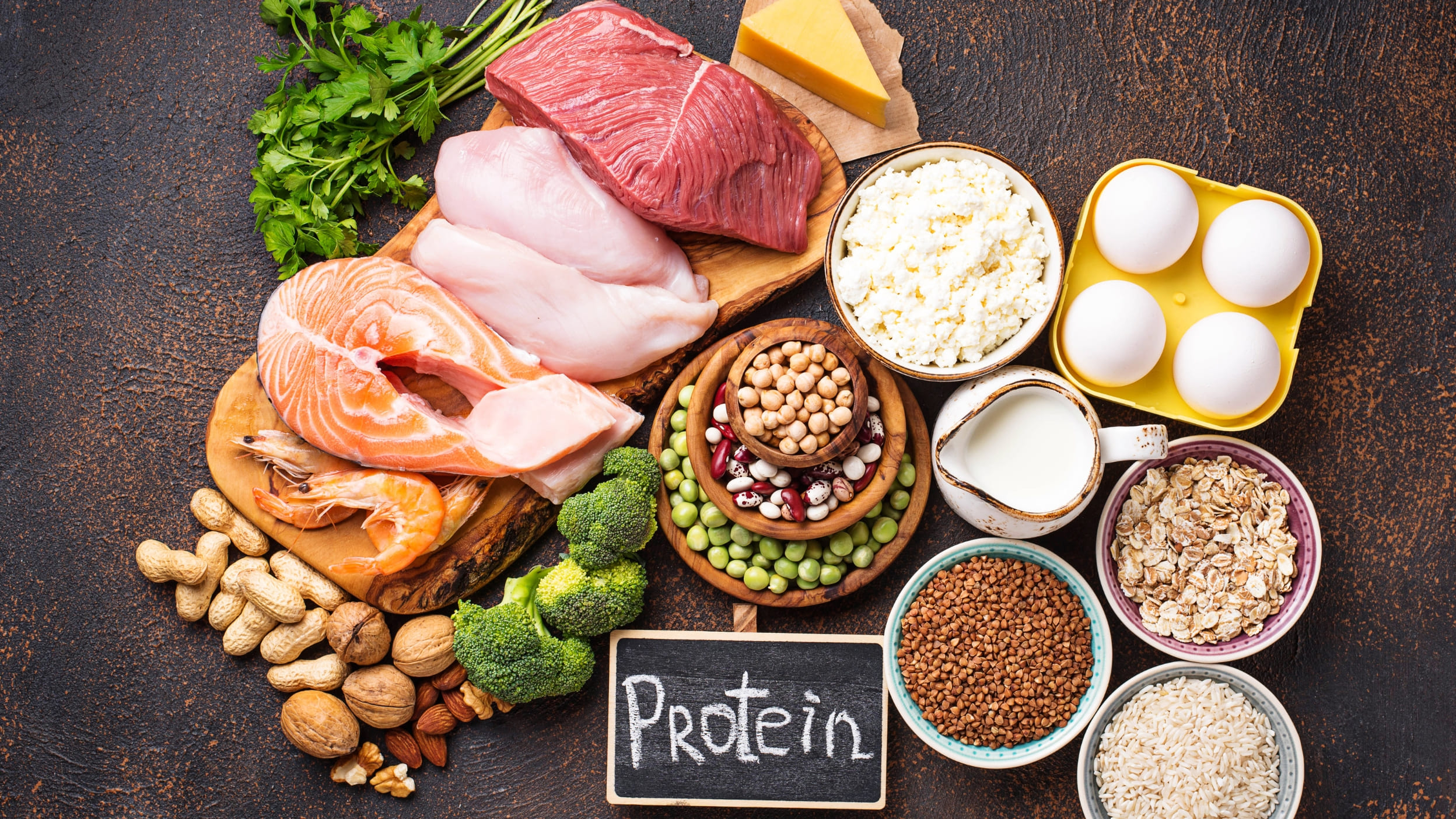
| Animal Protein | Eggs, salmon, turkey, chicken | High in tryptophan and omega-3s that support serotonin and reduce inflammation |
| Plant Protein | Lentils, chickpeas, quinoa, tofu | High in fiber and phytonutrients that help balance estrogen |
| Collagen or Bone Broth | Powder, homemade broth | Supports gut health and blood sugar stability |
| Seeds and Nuts | Pumpkin seeds, flaxseeds, almonds | Contain magnesium and zinc, which ease PMS mood swings |
| Protein Powders | Whey isolate, pea, hemp | Convenient and easy to digest when appetite is low |
A simple habit that made a big difference for me was starting my day with a protein rich breakfast. For example, Greek yogurt with berries and chia seeds or a smoothie with pea protein, banana, and spinach. That morning balance carried through the day.
During my luteal phase, I also include more magnesium-rich foods, like pumpkin seeds or dark leafy greens, because they naturally calm the nervous system. The difference is subtle but powerful fewer emotional spikes and a more consistent sense of calm.
How to Time and Sequence Protein Around Your Cycle
Your protein needs fluctuate slightly through your menstrual cycle.
Here’s how I sequence mine to support energy, mood, and hormone balance.
Follicular Phase (After Your Period)
Estrogen starts to rise, and your metabolism is steady. This is when I focus on lighter proteins like fish, eggs, or tofu. They support estrogen metabolism and help maintain energy without heaviness.
Ovulatory Phase
Energy peaks, and your body recovers faster from workouts. I usually include a mix of proteins like eggs at breakfast, lentils at lunch, and grilled chicken at dinner. It’s also the perfect time to try new recipes since you’re naturally more energized.
Luteal Phase (Before Your Period)
This is where protein becomes essential for emotional stability. I increase my intake slightly and pair it with complex carbs to support serotonin. Turkey with sweet potatoes, salmon with quinoa, or lentil stew with brown rice are my go tos.
I also make sure every snack includes protein, like a handful of almonds or hummus with veggies. If I skip snacks during this phase, I feel it immediately my patience shortens and energy drops fast.
Menstrual Phase
When your period starts, focus on gentle, iron-rich proteins like beef, lentils, and bone broth. These help replenish nutrients and keep you from feeling drained. I often crave warmth and comfort foods during this phase, so soups with chicken and veggies are perfect.
Once you start eating in sync with your hormones, it becomes second nature. You don’t need strict rules, just awareness and consistency.
My Personal Journey with Protein and PMS Stability
I never connected my emotional ups and downs to nutrition until I started cycle tracking. I’d always thought PMS was random and unavoidable. But after months of observing patterns, I realized my worst PMS days often followed days of skipped meals or carb heavy snacks.
When I began prioritizing protein, I noticed an emotional steadiness that I hadn’t felt in years. My productivity improved, my sleep got better, and my pre-period anxiety softened. It wasn’t magic it was nourishment.
I’ve since shared this approach with several friends and clients, and their results have been similar. They feel calmer, more balanced, and less reactive. Many said they no longer dread the week before their period because it feels manageable instead of chaotic.
To me, that’s the power of understanding your body. When you align your nutrition with your natural rhythm, you stop fighting your hormones and start working with them.
FAQs
1. How does protein help stabilize mood during PMS?
Protein provides amino acids like tryptophan and tyrosine, which help produce serotonin and dopamine. These neurotransmitters keep mood and motivation balanced, reducing anxiety and irritability.
2. What type of protein is best for hormonal balance?
A mix of plant and animal protein works best. Animal proteins support hormone production, while plant-based proteins support estrogen metabolism. Variety ensures complete nutrition.
3. How much protein should I eat before my period?
Aim for around 1.2 to 1.6 grams per kilogram of body weight per day. The key is to spread it evenly across meals rather than eating it all at once.
Final Thoughts
If I could offer one piece of advice to any woman struggling with PMS mood swings, it would be to start with nourishment. Your emotions are signals, not weaknesses. When I learned to fuel my body with consistent, high-quality protein, my PMS shifted from chaos to calm.
Protein sequencing is more than a diet strategy. It’s a rhythm that supports your hormones, your mind, and your sense of balance. It helps your body create the chemistry it needs to feel grounded instead of reactive.
Now, I no longer dread the week before my period. It still comes with its challenges, but it feels predictable, stable, and manageable. Food has become one of my greatest tools for emotional health.
Your body knows what it needs. When you listen to it and give it consistent nourishment, it responds with balance and strength. Protein is simply one of the ways to honor that natural wisdom and give yourself the stability you deserve.