Table of Contents
If you’ve ever had a month where your PMS felt like a mild background noise, and another where it felt like a full blown storm, you’re not imagining it. I’ve had months where my luteal phase felt calm and balanced, and others where I was exhausted, emotional, and more sensitive than usual. Over time, I realized that the difference wasn’t just my hormones, it was how stress and sleep were interacting with them.
Many women assume PMS is something fixed, but in reality, it’s fluid. Hormones don’t operate in isolation. They respond to lifestyle factors like stress, nutrition, and sleep quality. When these areas fall out of balance, your hormonal rhythm follows. So when you’ve had a stressful month, skipped rest, or been running on adrenaline, it’s no surprise that PMS symptoms bloating, mood swings, cramps, insomnia suddenly hit harder.
The key to understanding why PMS feels worse some months is knowing how your hormones work together, and how easily they can be influenced by daily habits and emotional stress. Once I started paying attention to that connection, I stopped seeing PMS as unpredictable chaos and started viewing it as feedback from my body.
The Stress Hormone Connection
Stress changes everything. Most women underestimate how powerful cortisol, the body’s primary stress hormone, can be. During the luteal phase of the menstrual cycle the two weeks between ovulation and your period progesterone rises to calm your nervous system and prepare your body for a potential pregnancy. Progesterone is often referred to as the “soothing” hormone because it helps you feel relaxed and stable.
But cortisol and progesterone share a precursor: pregnenolone. When your stress levels are high, your body diverts that precursor toward making more cortisol to manage the perceived threat, leaving less for progesterone. The result? Less calm, more chaos.
In my own life, I noticed this when I was working long hours and sleeping poorly. My PMS became unpredictable. I’d have headaches, bloating, and emotional sensitivity that seemed to come out of nowhere. When I started regulating my stress through mindfulness, lighter exercise, and journaling, my symptoms noticeably softened.
This isn’t just anecdotal. Studies have shown that women with higher stress levels throughout the month often experience more severe PMS symptoms. Stress increases inflammation, raises cortisol, and disrupts neurotransmitters like serotonin and GABA, the same chemicals responsible for mood regulation. So if you’re snapping at everyone before your period, it’s not that you’re “too emotional.” It’s your body’s way of saying it’s overstressed and under supported.
How Sleep (or Lack of It) Magnifies PMS Symptoms
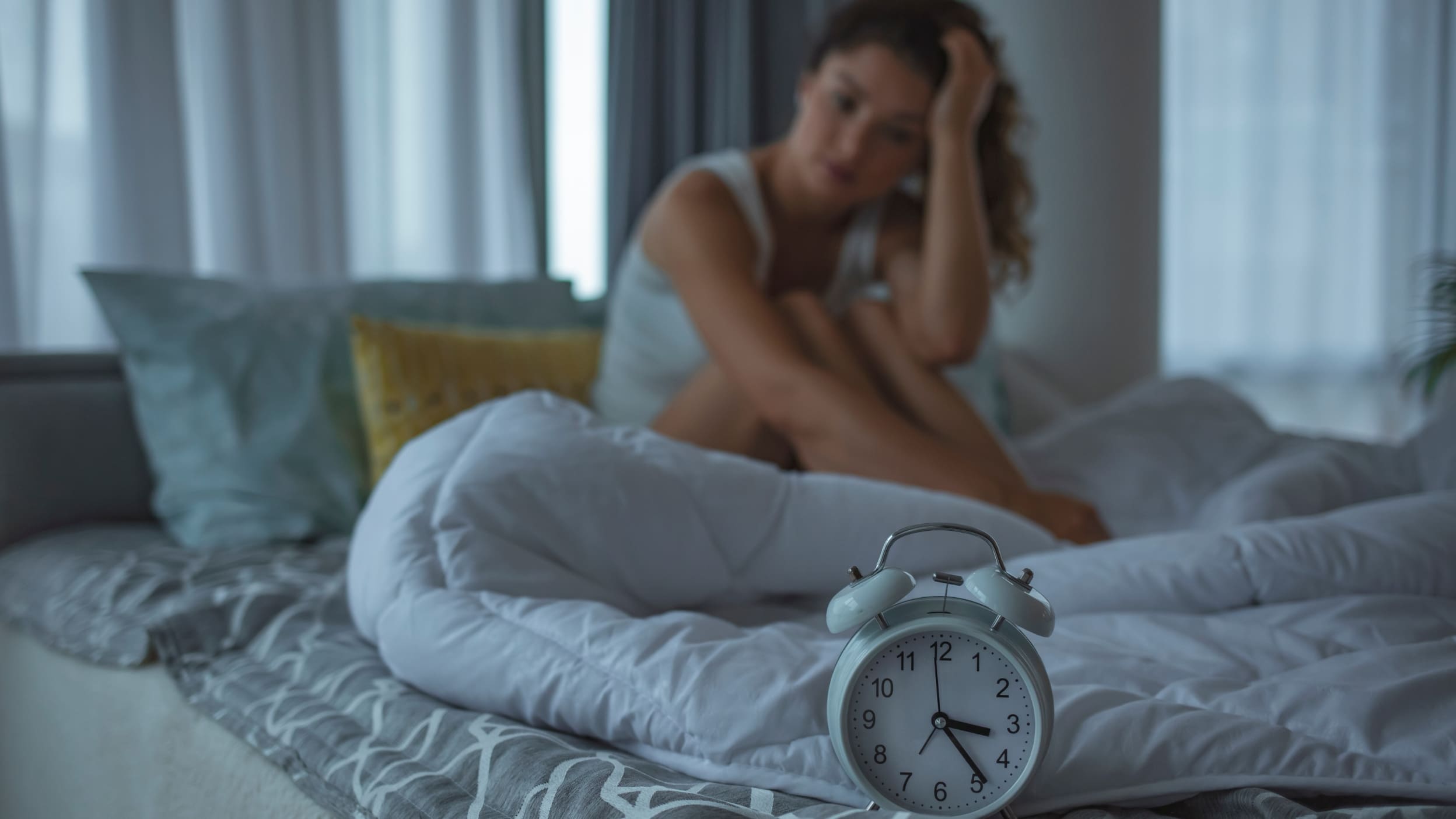
Sleep and hormones are deeply intertwined. I’ve learned that when I compromise sleep during the luteal phase, I always pay for it. Poor sleep affects the delicate dance between your circadian rhythm (your 24 hour sleep wake cycle) and your infradian rhythm (your monthly hormonal cycle).
When you’re sleep deprived, cortisol rises and melatonin drops. This hormonal imbalance can make you more anxious, fatigued, and emotionally sensitive. Add in fluctuating estrogen and progesterone levels, and suddenly you’re fighting an uphill battle.
There’s also a physical reason why sleep feels harder right before your period. Progesterone raises your core body temperature slightly, which can make it harder to stay cool enough for deep, restorative sleep. You might find yourself waking up throughout the night or feeling groggy even after a full eight hours in bed.
I had a client, Sarah, who struggled with insomnia every month before her period. She’d toss and turn for hours, then wake up groggy, craving sugar and coffee just to function. We adjusted her evening routine to cooler bedroom temperature, magnesium glycinate before bed, and a no screens policy after 9 p.m. and within two cycles, her PMS fatigue and irritability dramatically decreased.
Poor sleep doesn’t just affect mood; it heightens physical symptoms too. Research has shown that women who sleep fewer than six hours a night in their luteal phase experience stronger cramps, more bloating, and greater appetite fluctuations. When you combine hormonal changes with lack of recovery, your body struggles to regulate inflammation and neurotransmitters properly.
Why You Might Feel More Emotional or Drained
Hormones are chemical messengers, and they’re highly sensitive to both stress and sleep disruption. During the luteal phase, your serotonin levels naturally dip, which can affect mood, patience, and focus. When you combine that with higher cortisol or poor sleep, your brain’s emotional threshold becomes much smaller.
I often explain it to clients like this: imagine your emotional “window of tolerance” shrinking. On a calm day, you can handle minor annoyances easily. But when your brain is sleep deprived or running on stress hormones, even small triggers can feel massive. This is why you might cry at a commercial or feel more self critical than usual.
These emotional changes are not weaknesses, they’re signals. Your body is communicating that it’s under strain and needs support. When I began listening to those signs instead of pushing through, I realized how much easier it was to navigate PMS without spiraling into guilt or frustration.
Practical Ways to Reduce PMS Severity
Once you recognize that stress and sleep are the biggest amplifiers of PMS, you can start building habits that stabilize your hormones instead of fighting them. Here are the practical strategies that have worked best for me and my clients:
- Track your cycle and symptoms.
Write down when you feel tired, anxious, or bloated. Over time, you’ll start noticing clear patterns. This awareness helps you prepare in advance. - Support your adrenal health.
Magnesium, vitamin B6, and vitamin C are essential for regulating cortisol production. Adaptogens like ashwagandha or rhodiola can also help buffer stress naturally. - Move in sync with your cycle.
High intensity workouts during high stress PMS weeks can backfire. Switch to gentle yoga, walking, or Pilates to support your nervous system without overtaxing it. - Prioritize downtime.
I started scheduling “buffer days” during my luteal phase where I lighten my workload and create space for rest. It’s not laziness it’s strategic recovery. - Limit stimulants.
Reducing caffeine and alcohol before your period helps balance cortisol and promotes better sleep. Try herbal teas like chamomile or passionflower instead. - Eat stabilizing meals.
Pair complex carbs with protein and healthy fats to prevent blood sugar crashes, which can worsen mood swings and fatigue. - Set realistic expectations.
Some months will be better than others, and that’s okay. The goal isn’t to eliminate PMS but to manage it more intelligently.
How to Sleep Better During PMS
Improving sleep quality before your period is one of the most effective ways to reduce PMS severity. Here’s what’s consistently worked for me:
- Go to bed and wake up at the same time every day. Your body loves rhythm and predictability.
- Cool your environment. Lowering your bedroom temperature by a few degrees can counteract progesterone induced warmth.
- Avoid blue light in the evening. Use warm lighting and stay off screens at least 60–90 minutes before bed.
- Consider supplements like magnesium glycinate. It calms the nervous system and promotes relaxation.
- Use a weighted blanket. Many women find the gentle pressure improves sleep quality and reduces anxiety.
- Write before bed. A quick journal session helps process worries and signals your brain it’s safe to rest.
A 2019 study published in Frontiers in Endocrinology found that women who practiced consistent sleep hygiene and stress management techniques reported fewer PMS symptoms overall. These small daily habits add up and make a tangible difference in how you feel each month.
FAQs about PMS Feels Worse
Why does my PMS feel worse some months than others?
Because stress and sleep quality vary. High stress raises cortisol, which interferes with progesterone and serotonin, while poor sleep disrupts your hormonal rhythm.
Can stress make PMS symptoms worse?
Yes. Chronic stress increases inflammation, amplifies cramps, and heightens emotional sensitivity by altering hormone balance.
How can I tell if it’s PMS or stress?
If symptoms appear cyclically before your period, PMS is likely. If they persist all month or follow external stressors, stress might be the primary driver.
Final thoughts
Some months, PMS feels heavier because your life is heavier. I’ve learned that when I’m overworked, underslept, or emotionally stretched, my body lets me know through my cycle. The difference now is that I listen.
Your cycle isn’t random, it’s responsive. Stress, sleep, nutrition, and self care all shape how it shows up each month. Once I stopped trying to fight my body and started working with it, everything changed. My PMS didn’t disappear overnight, but it became predictable, manageable, and most importantly understandable.
If your PMS feels worse some months, it’s not a sign of weakness. It’s a sign that your body is asking for care. Prioritise rest, manage stress intentionally, and remember: consistency beats intensity. The more compassion you show yourself during these phases, the smoother your cycle will become.
Your hormones are not the enemy. They’re messengers. And when you listen to them, they’ll guide you toward balance, not away from it.