Table of Contents
I used to think PMS was just something I had to deal with, a week of fatigue, cravings, and mood swings that I couldn’t control. It never occurred to me that what I was eating could make those symptoms better or worse. Best pms friendly foods that keep your hormones stable. But when I started experimenting with my nutrition, I realized how much power food has over how I feel each month.
The week before my period, I used to crave sugar nonstop and feel like my body was holding onto water. I’d wake up bloated, tired, and mentally foggy. I thought that was normal. Once I started supporting my hormones with better nutrition, I was shocked at how much lighter and more stable I felt.
Food is not just fuel. It’s information for your hormones. During the luteal phase, your metabolism speeds up slightly, and your blood sugar becomes more sensitive to fluctuations. If you eat erratically or rely on caffeine and sugar to get through the day, your hormones respond with more cravings, mood dips, and fatigue.
Once I started treating my meals as hormone support rather than calorie management, PMS stopped being something I dreaded. It became something I could prepare for and manage.
How Hormones and Blood Sugar Affect PMS Symptoms
The reason PMS can feel so unpredictable often comes down to unstable blood sugar. When you eat high sugar or refined carb foods, your blood sugar spikes and crashes. Those crashes trigger cortisol, your stress hormone, which then amplifies emotional sensitivity and anxiety.
I remember noticing how one week I’d feel confident and focused, and the next, I’d be second guessing everything. It wasn’t my personality changing, it was my hormones. Estrogen and progesterone both affect how your body handles insulin, so when they drop in the luteal phase, you become more sensitive to blood sugar changes.
That means what you eat matters more than ever in the days before your period. Skipping meals, drinking too much coffee, or eating sugary snacks can create a cycle of fatigue and irritability. Once I learned this, I started eating balanced meals with protein, fiber, and healthy fats every few hours. The difference was dramatic. My mood stopped crashing, and the constant hunger disappeared.
If your PMS symptoms feel like an emotional rollercoaster, it might not be your emotions, it’s your blood sugar talking.
The Connection Between Nutrition and Mood
Your mood during PMS is not just about willpower or mindset. It’s deeply connected to your brain chemistry. Hormones like estrogen influence serotonin and dopamine, the neurotransmitters that make you feel calm, focused, and happy. When estrogen drops, serotonin often drops too, which is why you might feel more emotional or anxious.
That’s where nutrition plays a huge role. Certain foods support serotonin production and stabilize your mood naturally. For me, adding magnesium rich foods like pumpkin seeds and dark chocolate made a huge difference. Magnesium helps calm the nervous system and improve sleep, which directly affects how stable your mood feels.
I also started adding more omega 3 fats from salmon and walnuts. Within a couple of cycles, my emotional ups and downs felt less extreme. It wasn’t that I never had bad days, it’s that they didn’t control me anymore.
If you’ve ever felt like your PMS emotions are too much, remember that food is one of the most effective ways to bring your hormones and brain chemistry back into sync.
Best PMS Friendly Foods for Hormonal Balance
After years of trial and error, I discovered a handful of foods that consistently help me feel better during my luteal phase. They are simple, accessible, and most importantly, they work.
1. Protein Rich Foods
Protein helps regulate blood sugar and supports the production of key hormones. During PMS, I make sure every meal includes a source of high quality protein.
- Eggs or egg whites
- Salmon or tuna
- Chicken or turkey
- Greek yogurt
- Lentils, beans, or tofu
Protein keeps me full and prevents the energy crashes that used to trigger my cravings.
2. Magnesium and Zinc Sources
These minerals are PMS superheroes. Magnesium supports muscle relaxation and mood regulation, while zinc supports progesterone balance.
- Pumpkin seeds
- Almonds
- Spinach or kale
- Cacao or dark chocolate
- Quinoa and chickpeas
I keep a small jar of roasted pumpkin seeds in my bag, they’re a great snack that satisfies cravings while calming the body.
3. Healthy Fats
Your hormones are built from fat, so eating the right types helps them function properly.
- Avocado
- Olive oil
- Chia or flax seeds
- Walnuts
- Fatty fish
Once I embraced healthy fats, my energy felt more consistent. My skin also improved, which was a nice bonus.
4. Fiber for Estrogen Balance
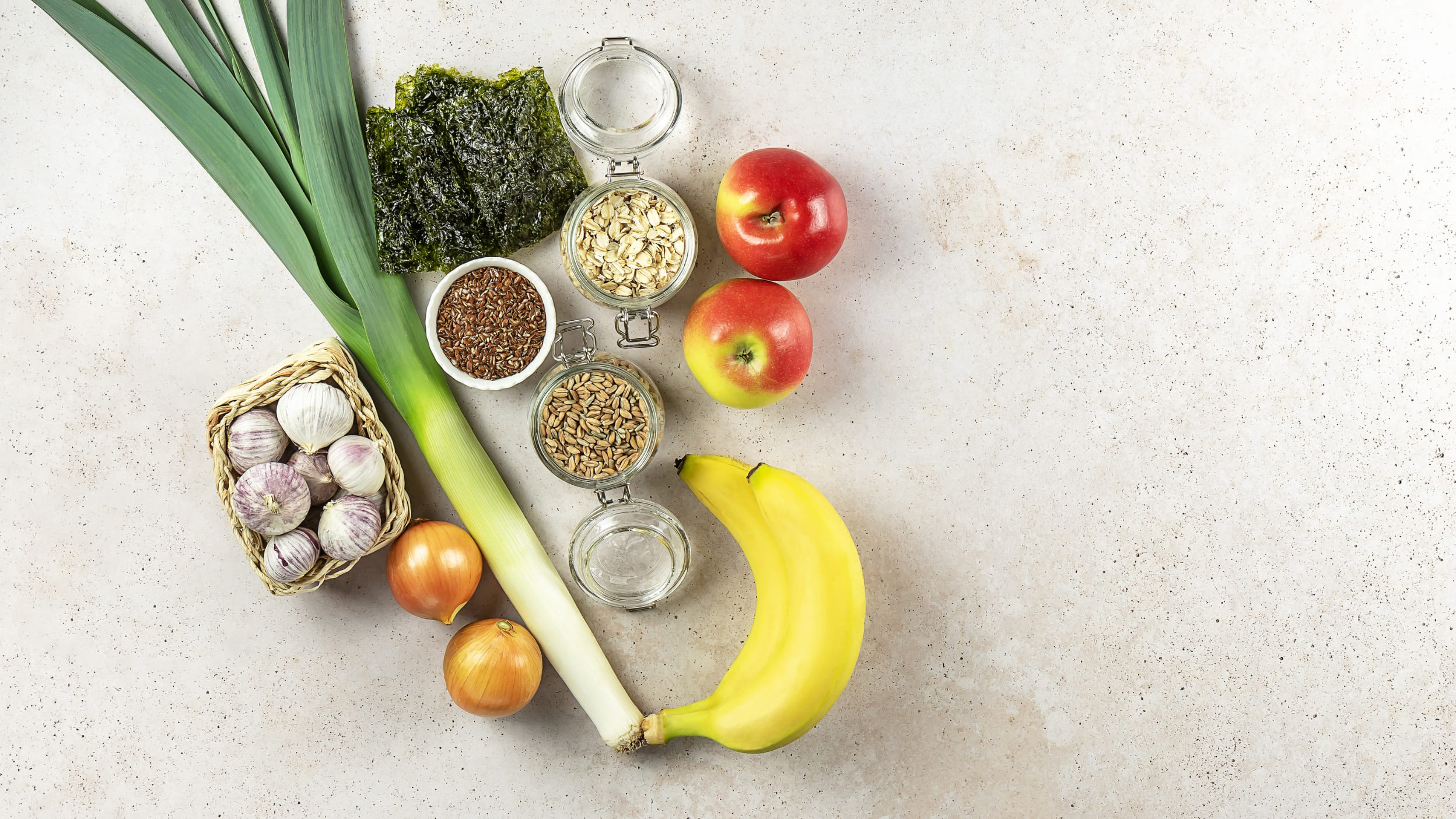
Fiber helps your body eliminate excess estrogen, which can otherwise cause bloating, breast tenderness, and mood swings.
- Broccoli
- Brussels sprouts
- Apples
- Oats
- Ground flaxseed
I started adding a tablespoon of ground flaxseed to my breakfast each morning. It’s a small change that made my digestion and hormones more predictable.
5. Complex Carbohydrates
Carbs are essential for serotonin production and energy. Choosing the right ones makes a big difference.
- Sweet potatoes
- Brown rice
- Lentils
- Whole grain pasta
- Berries
I used to avoid carbs, thinking they made me bloated, but when I switched to complex carbs, I noticed I was actually less bloated and much calmer.
My Go To Luteal Phase Meal Framework
I like to think of my PMS meals as fuel for steadiness. Each meal includes protein, fiber, and healthy fat, with a serving of slow digesting carbs.
Here’s what a typical PMS friendly day looks like for me:
| Meal | What I Eat | Why It Helps |
| Breakfast | Scrambled eggs with spinach, avocado, and a slice of sourdough | Balances blood sugar and supports brain function |
| Snack | Greek yogurt with pumpkin seeds and berries | Adds protein, magnesium, and antioxidants |
| Lunch | Quinoa bowl with salmon, kale, olive oil, and roasted sweet potatoes | Combines fiber, protein, and omega 3 fats |
| Snack | Apple with almond butter | Keeps energy stable and reduces cravings |
| Dinner | Stir fry with chicken, broccoli, and brown rice | Supports liver detox and estrogen balance |
| Evening treat | Square of dark chocolate and herbal tea | Satisfies cravings without sugar spikes |
This simple structure helps me stay consistent without overthinking what to eat.
Foods That Can Make PMS Worse
When I started tracking my symptoms, I realized certain foods always made me feel worse. Once I reduced them, my PMS symptoms became noticeably milder.
- Refined sugar: Causes blood sugar spikes that worsen fatigue and irritability.
- Caffeine: Increases anxiety and disrupts sleep.
- Alcohol: Affects liver detoxification and increases bloating.
- Highly processed carbs: Spike insulin and worsen cravings.
- Too much salt: Leads to water retention and puffiness.
You do not need to cut these out forever, but reducing them during the luteal phase makes a big difference.
How to Manage Sugar Cravings Before Your Period
Sugar cravings used to be my biggest PMS struggle. I felt like I was losing control every month. Once I understood that those cravings were my body’s way of asking for energy and serotonin, I could handle them better.
Here is what helped me:
- Eat enough throughout the day to prevent hunger crashes.
- Pair carbs with protein and fat to slow digestion.
- Choose natural sweetness from fruit or dark chocolate.
- Stay hydrated and manage stress, since both increase cravings.
Now, when cravings hit, I’ll make a snack plate with apple slices, nut butter, and a few dark chocolate chips. It satisfies my sweet tooth without sending my blood sugar on a rollercoaster.
Practical Meal and Snack Ideas for PMS Days
On low energy PMS days, I keep things easy but nourishing. Here are my favorite go to meals and snacks that keep my hormones happy:
Breakfast
- Smoothie with banana, spinach, protein powder, flaxseed, and almond milk
- Oatmeal topped with chia seeds, walnuts, and blueberries
Lunch
- Tuna salad with quinoa and olive oil dressing
- Chicken tacos with avocado, beans, and veggies
Dinner
- Baked salmon with roasted root vegetables
- Turkey chili with lentils and brown rice
Snacks
- Greek yogurt with cacao nibs
- Hummus with carrots and cucumber
- Pumpkin seeds or trail mix
- Dates with almond butter
These meals not only help stabilize hormones but also make PMS less physically and emotionally draining.
FAQs
What should I eat to reduce PMS mood swings?
Eat foods rich in magnesium, omega 3 fats, and complex carbs, such as salmon, dark chocolate, leafy greens, and sweet potatoes. They help stabilize mood and balance hormones.
Which foods should I avoid during PMS?
Limit refined sugar, caffeine, and alcohol. These disrupt blood sugar and hormone balance, increasing anxiety, cravings, and bloating.
Why do I crave sugar before my period?
Your serotonin drops, and your body looks for quick comfort through sugar. Balancing meals with protein, fat, and fiber reduces these cravings naturally.
Final Thoughts
Learning how to eat for my hormones changed my entire experience of PMS. I no longer feel at the mercy of cravings, fatigue, or mood swings. Instead, I feel prepared and grounded.
PMS friendly foods are not about restriction; they are about nourishment. When you feed your body what it needs, your hormones stay balanced, your energy steadies, and your mood becomes more predictable.
Your plate can either fuel chaos or create calm. The more I chose whole, nutrient dense foods, the more I realized that PMS is not something to suffer through, but something to manage with care and intention.