Table of Contents
When I first started studying Diet for PMS women’s nutrition, I didn’t immediately connect inflammation to PMS. Like many of my clients, I believed PMS was simply “something to put up with.” Every month I would feel that familiar wave of bloating, cramps, mood swings, and exhaustion. It was just part of the routine.
But over time, I began to notice a pattern in both myself and my clients. The women who ate cleaner, fresher, and more balanced meals seemed to have smoother cycles. Those who were living on coffee, refined carbs, and takeout often described intense cramps, bloating, and emotional volatility. That’s when I started diving deeper into inflammation, what it really is, how it affects hormones, and how we can quiet it naturally.
Inflammation isn’t always bad. It’s how the body heals. But when it becomes chronic, it starts affecting everything from gut health to hormones. And for women, that means it can worsen PMS symptoms dramatically.
Why Inflammation Makes PMS Worse
During the luteal phase of the menstrual cycle roughly the 10 to 14 days before your period your body naturally produces substances called prostaglandins. These help the uterus contract to shed its lining. Some prostaglandins are anti-inflammatory, while others are pro-inflammatory. When the balance tips toward the latter, cramps, pain, and mood shifts intensify.
Processed foods, refined sugars, seed oils, and alcohol can all make this worse. They raise your body’s inflammation levels and increase the production of inflammatory prostaglandins. The result? Heavier cramps, more irritability, and that “puffy, tired” feeling so many women describe right before their period.
The good news is that the opposite is also true. When you eat foods rich in omega 3s, antioxidants, and fiber, you help your body produce more of the calming, anti inflammatory prostaglandins. This directly eases PMS symptoms and balances hormone activity.
The Science Behind the Anti Inflammatory Diet
Several studies have confirmed what I’ve seen firsthand in my coaching practice. A 2021 review in Frontiers in Nutrition found that women following a Mediterranean style or anti inflammatory diet had significantly fewer PMS symptoms compared to those eating a Western diet high in sugar and processed foods.
The Journal of Obstetrics and Gynaecology Research published findings that women who consumed more fruits, vegetables, whole grains, and fish experienced lower PMS severity scores. Another PubMed review linked diets rich in antioxidants and polyphenols with lower inflammation markers like CRP (C reactive protein).
This research mirrors what I’ve seen in real life. Women who commit to anti-inflammatory eating for just two or three cycles often report massive improvements, lighter cramps, fewer emotional spikes, and much better sleep.
What to Eat: Foods That Calm PMS Naturally
When I build a PMS nutrition plan, I start with foods that support hormone balance, improve gut health, and reduce inflammation.
| Category | Examples | Why They Help |
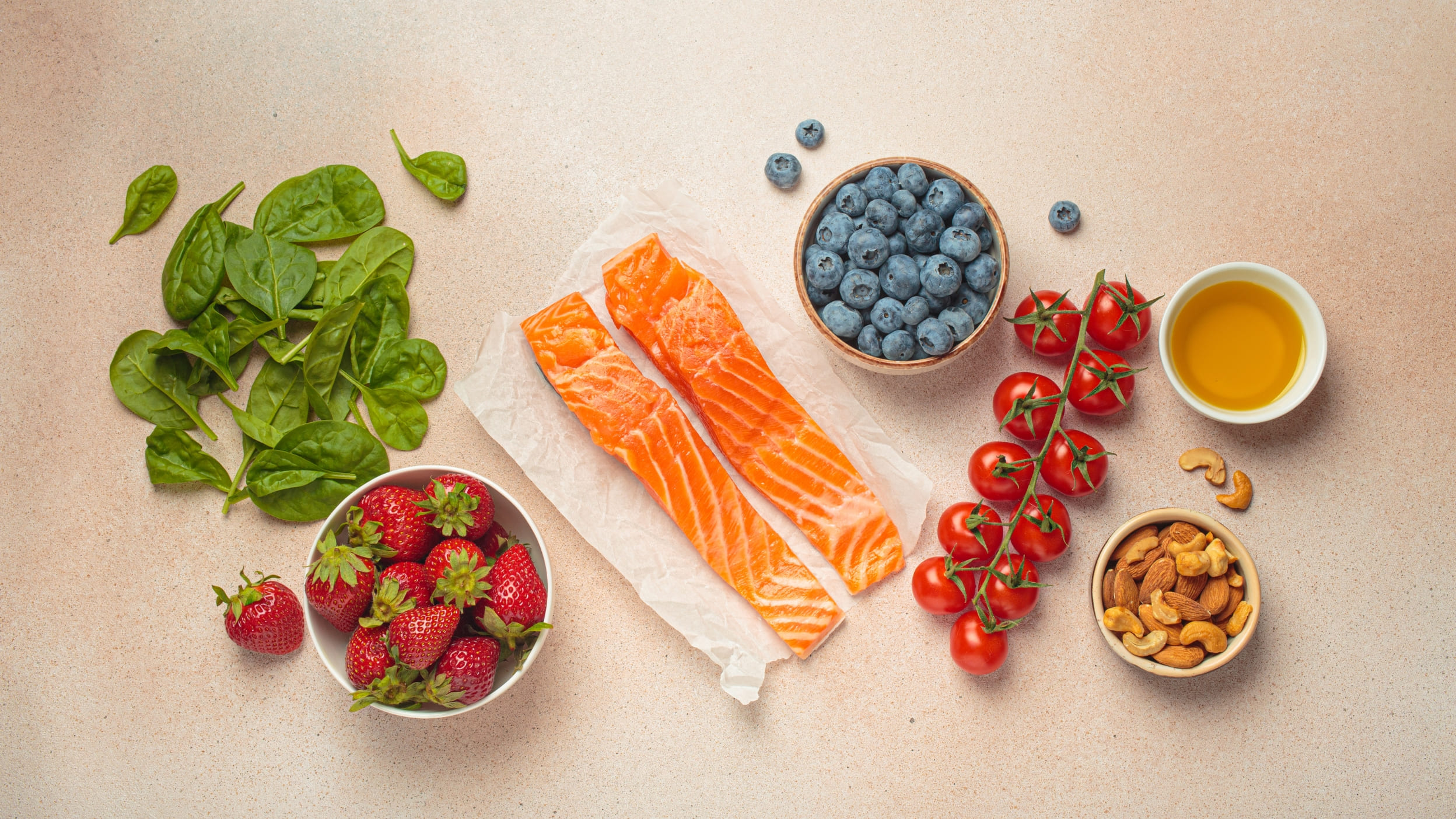
| Healthy Fats | Salmon, sardines, walnuts, chia seeds | Omega 3s lower inflammatory prostaglandins |
| Leafy Greens | Spinach, kale, bok choy | High in magnesium and calcium for muscle relaxation |
| Fibre Rich Foods | Oats, lentils, flaxseeds | Help the body clear excess estrogen |
| Berries & Citrus | Blueberries, oranges, lemons | Packed with antioxidants that calm inflammation |
| Spices | Turmeric, ginger, cinnamon | Natural anti inflammatory and mood supportive |
| Fermented Foods | Yoghurt, kimchi, sauerkraut | Improve gut flora, which regulates estrogen metabolism |
I often start my mornings with a smoothie that blends spinach, blueberries, flaxseed, and almond butter. For lunch, I’ll go for something protein rich and grounding, like a quinoa salad with chickpeas, kale, and a lemon tahini dressing. Dinner might be baked salmon or turmeric lentil soup. These meals aren’t just nutritious; they make me feel steady and emotionally grounded during the luteal phase.
What to Avoid Before and During Your Period
It’s not just about what you eat, but what you limit. Some foods increase inflammation and stress your hormonal balance.
Here’s what I tell clients to reduce or avoid:
- Processed foods and refined sugar they spike blood sugar and worsen mood swings
- Seed oils commonly found in packaged snacks and restaurant foods, they increase inflammation
- Alcohol strains the liver and interferes with estrogen detox
- Caffeine can worsen cramps and increase anxiety in some women
- Excessive red meat and dairy may increase prostaglandin production and bloating for sensitive individuals
You don’t have to eliminate everything. Even small swaps help. Try replacing soft drinks with sparkling water and fruit slices, or switch from fried takeout to grilled proteins and steamed vegetables.
Nutrients That Ease Pain, Fatigue, and Mood Swings
Every nutrient plays a role in hormonal balance. Below are the ones I focus on most in my own plan and with my clients.
| Nutrient | Food Source | Function |
| Magnesium | Pumpkin seeds, dark chocolate, spinach | Reduces cramps and supports mood stability |
| Vitamin B6 | Bananas, chickpeas, salmon | Helps regulate serotonin and reduces irritability |
| Calcium | Almonds, kale, sesame seeds | Reduces water retention and tenderness |
| Zinc | Oysters, eggs, lentils | Balances progesterone and supports immune function |
| Omega 3 Fatty Acids | Salmon, walnuts, flaxseed oil | Decrease inflammation and support heart health |
I use a simple tracker to monitor nutrient intake. Low magnesium and B6 levels almost always correlate with worse PMS for me and my clients. A magnesium-rich snack like a handful of pumpkin seeds or a square of dark chocolate can genuinely make a difference.
Building a PMS Friendly Meal Plan
Here’s a sample menu I often recommend during the luteal phase:
Breakfast: Warm oats with cinnamon, flaxseed, and berries
Lunch: Chickpea quinoa bowl with kale, olive oil, and lemon
Snack: Pumpkin seeds and herbal tea
Dinner: Baked salmon with sweet potato and steamed broccoli
Evening: Turmeric almond milk latte with honey
These meals are designed to keep blood sugar stable and provide steady energy. You’ll notice the emphasis on warm, grounding foods your body naturally craves when progesterone is high and temperature slightly rises in the luteal phase.
Real Stories from Clients (and My Own Body)
I’ll never forget one of my clients, Sarah, who came to me feeling completely drained every month. Her cramps were so bad she’d take two days off work. We started by adjusting her breakfast from coffee and pastries to a protein smoothie with flaxseed, spinach, and almond milk. Within two months, she texted me saying, “I didn’t even notice my period coming this time.”
I’ve experienced the same transformation myself. My PMS used to leave me irritable, craving sugar, and battling fatigue. Once I shifted toward anti-inflammatory eating more omega 3s, greens, and fewer processed foods my symptoms softened dramatically. It felt like my body was finally cooperating instead of rebelling.
Consistency is key. It’s not a quick fix, but a rhythm. Once your body trusts that it’s being nourished, it finds balance again.
FAQs about Anti-Inflammatory Diet for PMS
1. What foods help reduce PMS symptoms naturally?
Foods rich in omega 3s, antioxidants, and fiber such as salmon, walnuts, leafy greens, and berries can naturally ease PMS by reducing inflammation and balancing prostaglandins.
2. Can cutting out sugar and processed foods reduce PMS bloating?
Yes. Refined sugar contributes to blood sugar spikes and inflammation, which worsen bloating and mood swings. Reducing it can bring fast relief.
3. Does an anti-inflammatory diet help with PMDD?
It can. While diet alone may not cure PMDD, lowering inflammation and balancing blood sugar has been shown to ease symptoms when combined with professional support and stress management.
Final thoughts
For years, I treated PMS as an inevitable inconvenience, something to be endured with painkillers and caffeine. But the more I studied and experimented, the more I realized PMS is the body’s feedback system. It tells us when inflammation, stress, or imbalance is brewing beneath the surface.
Switching to an anti-inflammatory diet isn’t about perfection. It’s about care. It’s about making food choices that support your body instead of fighting against it. After a few months, you begin to notice small miracles, calmer moods, easier cycles, clearer skin, and a sense of stability that feels like relief.
I’ve seen it with dozens of clients and lived it myself. The truth is, your body doesn’t need punishment or control; it needs nourishment and consistency. Food is information, and every bite teaches your hormones how to behave.
If you start today, two cycles from now, you might look back and realize you’ve rewritten your relationship with PMS not by suppressing symptoms, but by finally listening to what your body’s been saying all along.