Table of Contents
For years, I accepted PMS as something that just came with the territory. Cramps, bloating, irritability, and anxiety all felt like part of the monthly routine. How omega-3 foods reduce pms pain and anxiety. But once I started paying closer attention to what I was eating, I realized my body was asking for something specific.
That missing piece turned out to be omega-3 fatty acids.
We usually hear about omega-3s in the context of heart health, but they are vital for so much more. They influence how our hormones communicate, how our brain manages mood, and how our body handles inflammation. When I intentionally began eating more omega-3-rich foods, my PMS symptoms changed dramatically.
My cramps were lighter, my mood felt more even, and that familiar wave of pre-period anxiety started to fade. The change wasn’t instant, but it was steady, reliable progress that built over time. Once I understood how omega-3s supported my cycle, I never looked back.
Why PMS Pain and Anxiety Feel Worse Some Months
If you’ve ever wondered why your PMS feels worse some months than others, you’re not imagining it. PMS is heavily influenced by what’s happening inside your body during the luteal phase of your cycle. This is the two-week stretch between ovulation and your period when hormones like progesterone and estrogen fluctuate the most.
When those hormones dip, serotonin levels in the brain often drop too, which can lead to mood changes and anxiety. Meanwhile, prostaglandins, the compounds that cause uterine contractions, can increase, causing more intense cramps and pain.
I used to notice that my worst PMS months were the ones where I was overworked, underslept, and relying on quick meals. My diet was low in anti-inflammatory foods, and my stress was high. When I began focusing on omega-3s, I started to notice fewer painful cycles and a much calmer emotional state.
Your body reflects how well it’s been supported throughout your cycle. When you nourish it properly, PMS doesn’t feel like an attack; it feels manageable.
How Omega-3 Foods Help Ease Inflammation and Cramps
Inflammation plays a big role in PMS pain. Prostaglandins are chemicals that help your uterus contract during menstruation, but when your body produces too many, cramps become painful and debilitating. Omega-3s, particularly EPA and DHA, help regulate this process.
They work by reducing the production of inflammatory prostaglandins and encouraging your body to make more anti-inflammatory ones instead. The result is less pain, less bloating, and a smoother flow overall.
When I first started adding omega 3 rich foods to my meals, I was skeptical. But within a few months, my cramps went from stopping me in my tracks to something I could manage with light stretching and a warm compress. I didn’t need painkillers nearly as often.
Beyond cramps, omega-3s also support better circulation and reduce fluid retention, which helps minimize bloating and that heavy, sluggish feeling many women experience before their period. It’s one of those small dietary changes that makes a surprisingly big impact.
The Brain Hormone Connection: Omega-3s and Mood Stability
The emotional side of PMS can be just as challenging as the physical symptoms. I used to dread that sudden drop in mood that made everything feel overwhelming for no clear reason. That’s where omega-3s made one of the biggest differences for me.
Omega-3s are critical for brain health. They make up part of your cell membranes and help regulate how neurotransmitters like serotonin and dopamine move between brain cells. When your body is low in omega-3s, those signals become weaker, and your mood can crash faster.
After I began eating more salmon, walnuts, and chia seeds, I noticed something shift. The anxiety that used to peak before my period started to feel less intense. I could think more clearly and felt emotionally balanced even when hormones were fluctuating.
There’s science behind this too. Studies show that women with higher omega-3 intake have fewer mood-related PMS symptoms. Omega-3s literally help your brain buffer against hormonal turbulence, creating a steadier emotional baseline.
I tell my clients all the time: PMS mood swings are not a personality flaw. They’re a reflection of what your brain and body need. Omega-3s are one of the simplest ways to meet those needs naturally.
The Best Omega-3 Foods for PMS Support
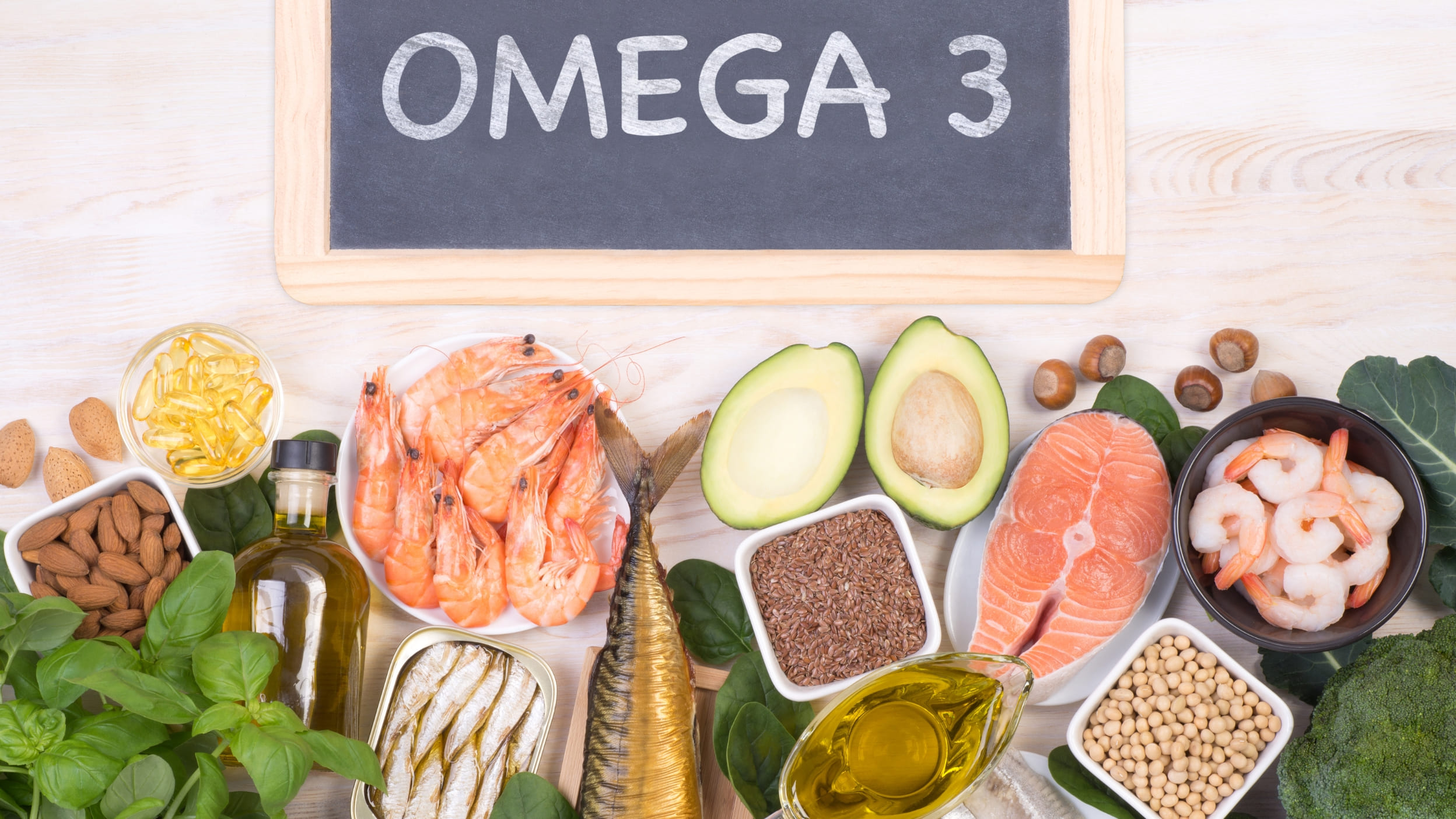
Omega-3s are found in both animal and plant-based sources, and incorporating them doesn’t have to be complicated. Here are the foods I keep on regular rotation to support my hormones and reduce PMS symptoms:
| Food | Key Benefits |
| Salmon, sardines, mackerel | Rich in EPA and DHA, which help reduce inflammation and pain |
| Chia seeds | Excellent plant-based omega-3 source, plus fiber for digestion |
| Flaxseeds | Support hormone detoxification and improve gut health |
| Walnuts | Boost brain health and emotional stability |
| Avocados | Packed with healthy fats that promote hormone production |
| Omega-3-enriched eggs | Easy breakfast option for consistent intake |
| Seaweed or algae | Ideal for vegetarians and vegans as a natural omega-3 source |
I love adding chia seeds to overnight oats or sprinkling flaxseed on smoothies. I cook salmon once or twice a week, and walnuts have become my go-to snack at work. These small choices add up quickly and make a noticeable difference over time.
How Long It Takes for Omega-3s to Work
The biggest mistake I made early on was expecting immediate results. Omega-3s don’t work like a painkiller; they work by restoring balance inside your body. It usually takes two to three cycles of consistent intake to notice significant improvements in PMS symptoms.
For me, I started to feel subtle changes by my second cycle. My cramps weren’t as sharp, and I felt less emotionally drained. By the third cycle, I realized my PMS week no longer felt like something I had to “survive.”
Your body builds up omega-3 reserves gradually, storing them in cell membranes where they influence inflammation and hormone function. That’s why consistency is key. Even on busy weeks, I make sure to include some omega-3-rich foods, knowing that each small effort supports long-term hormonal health.
Omega-3 Foods vs Supplements: What Works Best
I’ve tried both food sources and supplements, and honestly, both have value depending on your diet and lifestyle. Whole foods should always come first because they provide a complete nutrient package. For example, salmon doesn’t just contain omega-3s; it also offers vitamin D and selenium, which are vital for hormonal health.
However, if you’re plant-based or rarely eat fish, supplements can be a good backup. When choosing one, look for a high-quality, third-party-tested brand that contains both EPA and DHA. Algae-based supplements are a great option for vegetarians and vegans.
Personally, I use supplements only during hectic travel weeks when meal prep falls apart. When I’m home and eating well, food alone does the job. The difference in my mood and cramps when I stay consistent is enough motivation to make omega-3s a non-negotiable part of my diet.
How to Add Omega-3s to Your Luteal Phase Meals
The luteal phase is when PMS symptoms begin to appear, so it’s the perfect time to load up on omega-3s and other anti-inflammatory foods. I like to create meals that are comforting but nourishing, giving my body what it needs while still satisfying my cravings.
Here’s what a typical day of omega-3-rich meals looks like for me during this phase:
Breakfast: Overnight oats with chia seeds, almond milk, and walnuts
Lunch: Quinoa bowl with baked salmon, avocado, and leafy greens
Snack: Greek yogurt with ground flaxseed and honey
Dinner: Grilled sardines or tofu with roasted sweet potatoes and olive oil
Evening treat: A square of dark chocolate and chamomile tea
These meals keep my energy stable, reduce bloating, and leave me feeling emotionally grounded. I find that eating this way makes the week before my period feel more balanced and peaceful.
FAQs About Omega-3s and PMS
How do omega-3 foods help reduce PMS pain?
Omega-3s reduce inflammation and regulate prostaglandin production, which helps decrease cramps and muscle tension. They also support circulation, easing overall discomfort.
Can omega-3s help with PMS anxiety and mood swings?
Yes. Omega-3s improve how neurotransmitters like serotonin and dopamine function, leading to better mood stability and reduced anxiety during PMS.
How long does it take for omega-3s to improve PMS symptoms?
Most people notice changes after two to three menstrual cycles of consistent intake through food or supplements.
Are supplements as effective as food sources?
Whole foods offer additional nutrients that enhance hormone balance, but supplements are helpful if your diet lacks fish or plant-based omega-3 sources.
Final Thoughts
I used to see PMS as something inevitable, something I just had to get through each month. But once I started nourishing my body intentionally, especially with omega-3-rich foods, my entire experience changed.
The cramps that once controlled my schedule became manageable. The emotional ups and downs that made me feel out of sync started to level out. I finally felt like my body and I were working together instead of against each other.
What I’ve learned is that PMS isn’t a sign of weakness; it’s feedback. When your body struggles, it’s asking for balance and support. Omega-3s give it exactly that a foundation for calm, energy, and stability during one of the most sensitive phases of your cycle.
If you’ve been feeling out of control before your period, try making omega-3s a consistent part of your meals. Your body doesn’t need perfection, just nourishment and consistency. Over time, you’ll start to notice what I did PMS doesn’t have to define your month. It can become just another rhythm your body moves through with ease and grace.