Table of Contents
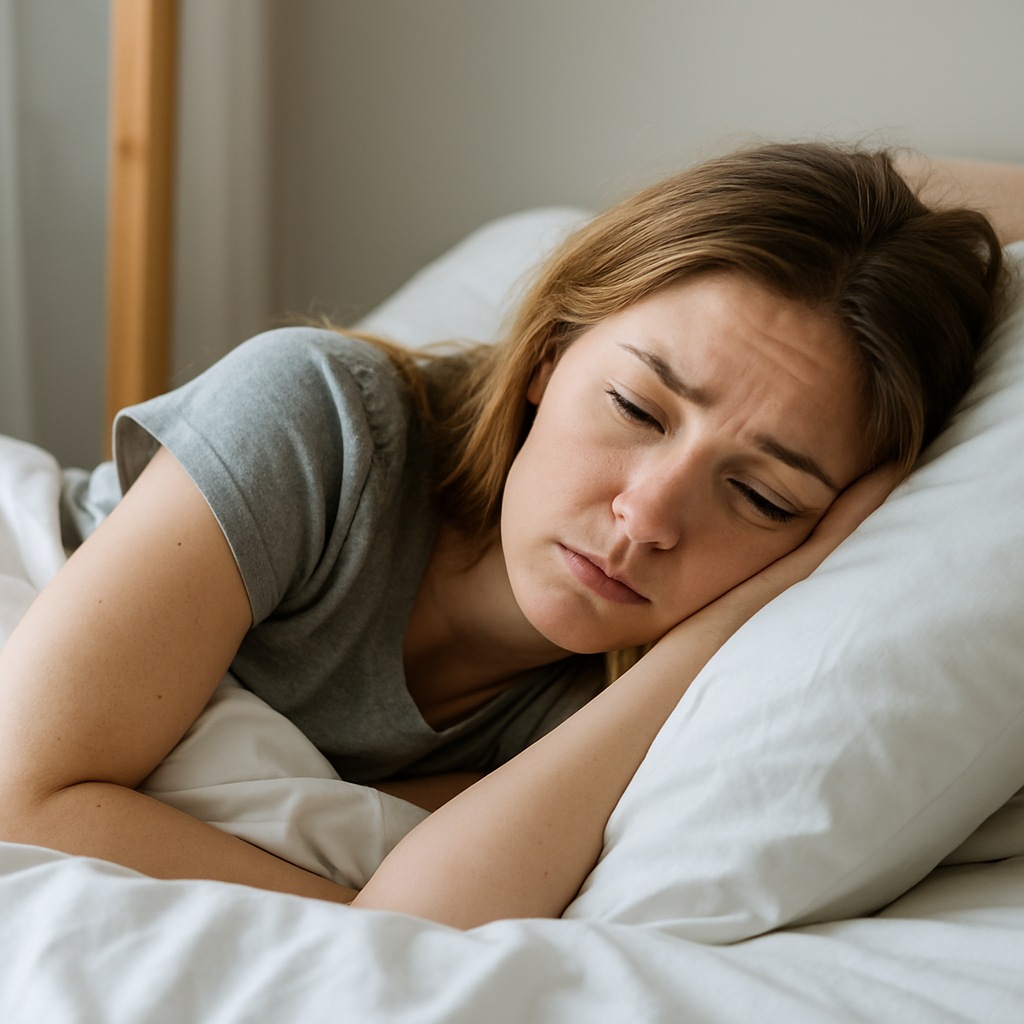
You know that feeling when you’re lying in bed at 2 AM, your heart racing about something that wouldn’t normally bother you? Maybe it’s a work presentation you’ve given dozens of times before, or you’re suddenly convinced that headache means something terrible. If this sounds familiar and it happens like clockwork before your period, you’re dealing with PMS anxiety – and you’re definitely not alone or losing your mind.
I’ve talked to countless women who describe PMS anxiety as feeling like their brain’s alarm system gets stuck in the “on” position. Everything feels urgent, scary, or overwhelming, even when rationally you know it’s not. The good news? There’s a real biological reason this happens, and there are ways to manage it that actually work.
What’s Really Happening in Your Brain
Let me start with something that might surprise you: PMS anxiety isn’t “all in your head” or a sign of weakness. During the two weeks before your period, your brain chemistry literally changes in ways that make anxiety more likely.
Think of it this way – you know how some people get hangry when their blood sugar drops? PMS anxiety is similar, except instead of low blood sugar, it’s fluctuating hormones that throw your brain’s anxiety regulation system out of whack.
Here’s what’s actually happening: as estrogen drops during your luteal phase, so does serotonin – one of your brain’s main “don’t worry, be happy” chemicals. At the same time, progesterone changes can mess with your GABA system, which is like your brain’s natural Xanax. So you’re getting less of the good stuff that keeps you calm, while your brain’s alarm system (the amygdala) goes into overdrive.
No wonder everything feels scarier than usual. Your brain is literally more primed to see threats and less equipped to talk itself down from them.
The Many Faces of PMS Anxiety
PMS anxiety doesn’t look the same for everyone. Maybe yours shows up as social anxiety – suddenly feeling self-conscious at gatherings you’d normally enjoy. Or perhaps you become a health anxiety detective, Googling every minor symptom and convincing yourself it’s something serious.
Some women tell me they get decision paralysis during PMS, unable to choose what to wear or what to eat for lunch because every option feels overwhelming. Others experience full-blown panic attacks that seem to come from nowhere, complete with racing heart, sweating, and that terrifying feeling that something awful is about to happen.
The key thing that makes it PMS anxiety rather than a general anxiety disorder is the timing. If you track it for a few months, you’ll probably notice it follows a pattern – showing up 1-2 weeks before your period and lifting once menstruation starts. It’s like having a monthly visitor you didn’t invite but can learn to manage.
When Anxiety Hits: Your Emergency Toolkit
Let’s talk about what to do when anxiety strikes and you need relief right now. I’m going to give you some techniques that work quickly, but remember – the goal isn’t to never feel anxious. It’s to feel less overwhelmed and more in control when anxiety does show up.
The 5-4-3-2-1 Technique is my go-to recommendation because it works fast and you can do it anywhere. When panic starts building, ground yourself by naming 5 things you can see, 4 you can touch, 3 you can hear, 2 you can smell, and 1 you can taste. It sounds simple, but it literally interrupts the anxiety spiral by forcing your brain to focus on the present moment instead of spiraling into “what if” scenarios.
Cold water is your friend during anxiety attacks. Splash some on your face and wrists, hold ice cubes, or even step outside if it’s chilly. This activates something called your vagus nerve, which basically tells your nervous system to chill out. I know it sounds too simple to work, but the science is solid.
Box breathing can stop a panic attack in its tracks. Breathe in for 4 counts, hold for 4, exhale for 4, hold empty for 4, and repeat. It’s like hitting a reset button on your nervous system. The beauty of this technique is that you can do it in a meeting, on the phone, or anywhere without anyone noticing.
The Blood Sugar Connection
Here’s something many people don’t realize: blood sugar swings can trigger or worsen PMS anxiety. During your luteal phase, your body becomes more sensitive to insulin, which means you’re more likely to experience those energy crashes that can feel exactly like anxiety.
I always tell women to eat something with protein every 3-4 hours during their PMS window. It doesn’t have to be a full meal – even a handful of nuts, some Greek yogurt, or a hard-boiled egg can help keep your blood sugar stable and prevent that jittery, anxious feeling.
Also, as much as you might crave that extra cup of coffee when you’re feeling anxious and tired, caffeine during PMS is often more harm than help. Your nervous system is already on high alert, and caffeine can push it over the edge. If you must have caffeine, try green tea instead – it has L-theanine, which has a calming effect.
Thoughts That Make Everything Worse
One thing I notice with PMS anxiety is how it changes your thinking patterns. Suddenly, you’re catastrophizing everything. That text your friend didn’t respond to? Obviously they hate you. That slight headache? Definitely a brain tumor. Your boss wants to meet? You’re getting fired for sure.
When you notice this happening, try asking yourself: “Is this my PMS brain talking, or is this a real concern?” Often, just recognizing that your anxiety might be hormone-related can take some of its power away.
I also recommend the “friend test” – if your best friend came to you with this exact worry, what would you tell them? We’re usually much kinder and more rational when advising others than when talking to ourselves.
Building Your Long-Term Strategy
While quick fixes are great for acute anxiety, building long-term resilience is what really changes the game. This means taking care of your nervous system throughout your entire cycle, not just when symptoms hit.
Sleep is huge for anxiety management, but it becomes even more important during PMS. If you can only make one change, prioritize getting 7-9 hours of quality sleep. I know that’s easier said than done when your mind is racing, but even small improvements in sleep hygiene can make a big difference.
Exercise is another non-negotiable, though I get it – when you’re anxious, the last thing you might want to do is go for a run. But movement doesn’t have to be intense. Even a 10-minute walk around the block can help metabolize stress hormones and shift your mental state.
Supplements That Actually Help
I’m always cautious about supplement recommendations because everyone’s different, but there are a few that have solid research behind them for anxiety. Magnesium is probably the most helpful – many women are deficient anyway, and it can help with both anxiety and sleep. Start with 200-400mg daily, but begin with a lower dose if you’re prone to digestive upset.
L-theanine is another good option. It’s found naturally in green tea and can promote relaxation without making you drowsy. B-vitamins support neurotransmitter production and can help your body better handle stress.
Always talk to your healthcare provider before starting supplements, especially if you’re on any medications.
When to Get Professional Help
I want to be clear about something: if your anxiety is significantly interfering with your life, you don’t have to tough it out alone. Some signs it’s time to reach out for professional help include avoiding work or social activities because of anxiety, having panic attacks that feel uncontrollable, or using alcohol or other substances to cope.
The good news is that PMS anxiety is very treatable. Cognitive behavioral therapy (CBT) can teach you skills to manage anxious thoughts and behaviors. Some women benefit from taking SSRIs either continuously or just during their luteal phase. Hormonal birth control can help stabilize the hormone fluctuations that trigger anxiety in the first place.
You’re Not Broken
Here’s what I want you to remember: experiencing PMS anxiety doesn’t mean you’re weak, broken, or “too sensitive.” It means you’re a human being with a menstrual cycle, and your body is responding to very real biochemical changes.
Many women tell me they feel embarrassed about their PMS anxiety, like they should be able to “just get over it.” But you wouldn’t tell someone with diabetes to just get over their need for insulin management, right? PMS anxiety is a medical condition that deserves proper attention and treatment.
The goal isn’t to eliminate all anxiety from your life – some anxiety is normal and even helpful. The goal is to reduce the intensity and frequency of anxiety episodes so they don’t control your life or damage your relationships.
Moving Forward
Managing PMS anxiety is a skill that improves with practice. Some months will be easier than others, and that’s completely normal. The key is building a toolkit of strategies that work for you and being patient with yourself as you figure out what helps most.
Start with one or two techniques that feel most doable for you right now. Maybe it’s the 5-4-3-2-1 grounding technique for acute anxiety, or maybe it’s focusing on better sleep during your luteal phase. You don’t have to implement everything at once.
Remember, thousands of women have learned to successfully manage their PMS anxiety and gone on to live full, confident lives. You can too. Your anxiety is real, your struggles are valid, and most importantly – they’re treatable.
You don’t have to let PMS anxiety dictate your schedule, damage your relationships, or make you feel like you’re losing control every month. With the right strategies and support, you can feel more like yourself throughout your entire cycle.