Table of Contents
If you have ever wondered why PMS pain feels unbearable one month but barely noticeable the next, you are not alone. I used to think it was completely random. Some months I could power through my workouts, meet deadlines, and feel fine. Other months, even climbing out of bed felt like a marathon. What changed wasn’t my fitness level or diet. It was my nervous system.
Our bodies are incredibly responsive to stress. When you are under pressure, whether from work, relationships, or lack of rest, your body becomes more sensitive to everything, including pain. PMS amplifies that sensitivity because of the hormonal changes that happen in the luteal phase of your menstrual cycle.
When I began to notice that connection, it felt like a missing puzzle piece clicked into place. My cramps, headaches, and irritability were not random. They were my body’s way of saying, “You are doing too much.” Understanding this made me realize that managing PMS pain is not about ignoring it but about supporting my body before it reaches overload.
The Hidden Connection Between PMS Pain and the Nervous System
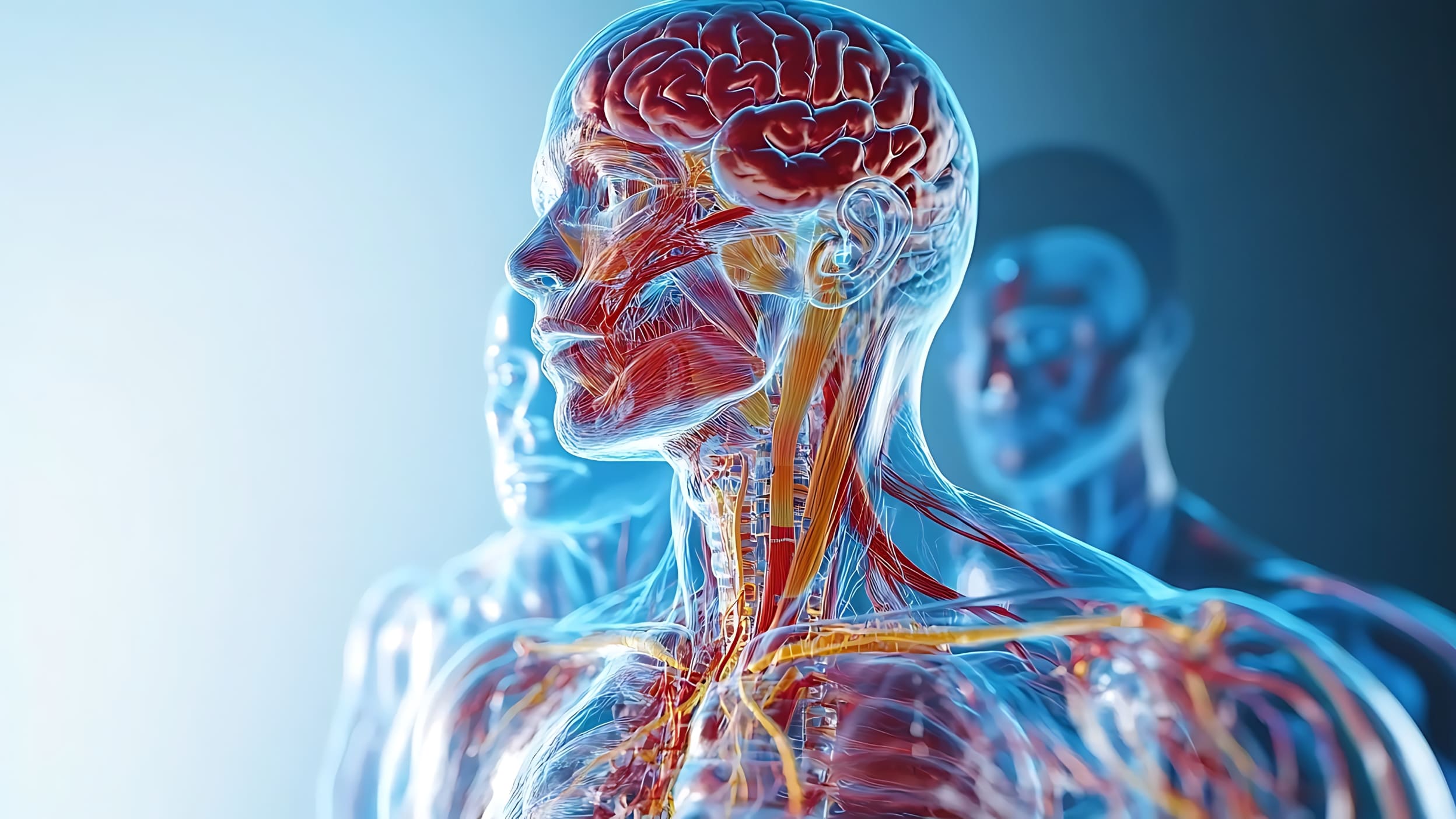
We often think of PMS symptoms as hormonal, but the nervous system plays an equal role. Your hormones and nervous system work together constantly, influencing how you process pain, stress, and emotion.
During the luteal phase, your body is already under more internal pressure. Hormonal fluctuations make your brain more reactive to stress signals, and if your nervous system is already on edge, your body interprets even mild discomfort as intense pain.
Think of your nervous system as a volume knob for pain. When you are relaxed, the knob stays low. But when you are anxious, overworked, or exhausted, the knob turns up, and everything feels louder, including cramps, tension, and fatigue.
That is why PMS pain feels so much worse when life is chaotic. Your body is not malfunctioning. It is responding to stress in the only way it knows how. The key is learning how to calm that system so your body can feel safe again.
Stress, Hormones, and Sensitivity: The Science Explained
The connection between stress and PMS pain makes complete sense once you understand what is happening inside your body. Hormones like estrogen and progesterone interact directly with neurotransmitters, influencing how your nervous system regulates stress, mood, and pain.
Estrogen helps boost serotonin, a neurotransmitter that improves mood and tolerance to pain. Progesterone promotes calmness by activating GABA, a natural relaxant in the brain. During the luteal phase, these hormone levels fluctuate, leaving your nervous system more vulnerable.
If you add external stress from work pressure, emotional tension, or sleep deprivation, your body releases cortisol, the stress hormone. Elevated cortisol keeps your body in survival mode, tightening muscles, increasing inflammation, and amplifying pain signals.
Here is a simple breakdown of how this works:
| Factor | What Happens | Result |
| Estrogen Drop | Serotonin decreases | Increased mood swings, more sensitivity to pain |
| Progesterone Dip | Less GABA activity | More anxiety and muscle tension |
| High Cortisol | Chronic stress response | Heightened PMS pain and irritability |
| Low Sleep | Fatigue and low recovery | Reduced pain tolerance, increased emotional reactivity |
Once I understood this, I began to view PMS pain differently. It wasn’t just about cramps or hormones. It was my nervous system crying out for balance.
How the Luteal Phase Affects Your Pain Threshold
The luteal phase, which starts after ovulation, is often the most misunderstood part of the cycle. It is a time when your body needs more rest, slower movement, and deeper recovery. Yet most of us push harder, trying to maintain the same energy we had earlier in the month.
I used to treat my workouts and schedule the same way every week, but it never worked. The week before my period, I would feel drained, sore, and emotionally fragile. Once I started aligning my lifestyle with my cycle, I saw a pattern. My pain threshold dropped significantly during the luteal phase.
This happens because progesterone begins to fall, estrogen drops sharply, and your nervous system becomes more alert to protect you from overexertion. Unfortunately, that protective mechanism also means you feel discomfort more intensely.
Instead of pushing through it, I learned to adapt. I swapped high intensity workouts for low-impact ones, focused on mobility and stretching, and gave myself permission to rest more. Surprisingly, my PMS pain decreased drastically within two cycles. The more I listened, the better my body responded.
Real-Life Signs Your PMS Pain Is Stress Related
It took me years to realize that my worst PMS symptoms were not random. They were directly connected to my stress levels. The signs were subtle at first, but once I started tracking them, they were impossible to ignore.
Here are the red flags I noticed that told me my nervous system was driving my PMS pain:
- My cramps felt sharper during stressful months, even with the same diet and exercise routine.
- My muscles stayed tight in my shoulders, jaw, and lower back all week before my period.
- I felt more reactive emotionally. Small irritations felt enormous.
- My sleep quality tanked, and I woke up already tired.
- My pain decreased dramatically after taking a weekend off to rest and reset.
If any of this sounds familiar, you might be dealing with stress-induced sensitivity. Your hormones are not the enemy here. They are messengers showing you where your nervous system needs care.
Once I stopped seeing PMS pain as something to fight and started viewing it as feedback, my approach completely changed. Instead of pushing harder, I focused on regulation, helping my body feel safe again.
How I Learned to Calm My Nervous System to Ease PMS Pain
My own journey with PMS pain used to feel like a constant tug of war. I wanted control over my body, so I tried every fix I could find: supplements, workouts, herbal teas, you name it. Some helped, but none fully worked until I addressed my nervous system.
The real breakthrough came when I learned how to switch my body from “fight or flight” to “rest and digest.” This state change was what my hormones needed to function properly.
I started practicing a few simple nervous system resets daily:
- Deep breathing: I took five minutes each morning to slow my breath. Inhale for four seconds, exhale for six. It lowered my heart rate and calmed my mind almost instantly.
- Movement with intention: Instead of intense cardio, I chose yoga or walking. My cramps reduced, and my energy lasted longer throughout the day.
- Releasing tension: I noticed that relaxing my jaw, shoulders, and abdomen made a surprising difference. Those areas tend to hold hidden stress that contributes to PMS pain.
- Slowing my pace: I stopped overbooking myself during my luteal phase. Protecting my peace became a form of pain management.
Within two months, I noticed something profound. My PMS didn’t disappear, but it stopped controlling me. The pain was softer, my emotions steadier, and I no longer dreaded that week of the month.
Natural Strategies That Help Reduce PMS Sensitivity
Once you recognize that PMS pain is influenced by your nervous system, you can use small lifestyle adjustments to make a big difference. Here are the strategies that helped me and many women I have coached.
1. Prioritize Sleep
Sleep is when your body repairs itself and balances hormones. I started treating sleep like medicine, creating a wind-down routine with dim lighting, herbal tea, and no screens after 9 p.m. Even one extra hour of quality sleep reduced my cramps noticeably.
2. Balance Your Blood Sugar
Unstable blood sugar causes spikes and crashes that worsen cortisol levels. I began eating protein-rich breakfasts and avoiding too much caffeine before lunch. It kept my mood stable and prevented that anxious edge that often precedes PMS pain.
3. Add Magnesium
This mineral is a game-changer for PMS. Magnesium supports muscle relaxation, hormone regulation, and nervous system calm. I include magnesium-rich foods like pumpkin seeds, almonds, and leafy greens daily and supplement on high-stress weeks.
4. Practice Grounding Techniques
Grounding brings your nervous system back into the present moment. Sometimes I step outside barefoot for a few minutes or simply lie on the floor and breathe. It sounds simple, but it resets the body’s stress response quickly.
5. Gentle Movement Over Intensity
High intensity workouts raise cortisol, which can make PMS pain worse. I shifted toward gentle resistance training, Pilates, or low impact dance. Movement now feels supportive instead of depleting.
6. Emotional Check-Ins
Many of my PMS flare-ups were linked to unprocessed frustration or emotional overwhelm. Taking five minutes a day to journal or express what I am feeling prevents those emotions from surfacing as physical tension.
Consistency is key. These practices work not because they are complex but because they train your body to feel safe again.
FAQs
1. Why does my PMS pain feel worse when I am stressed?
Stress activates the nervous system and increases cortisol, which heightens pain perception and lowers your tolerance.
2. Can emotional stress trigger PMS cramps?
Yes. Emotional stress causes muscle tension and inflammation, which can make cramps and body aches more intense.
3. How do I know if my PMS pain is caused by stress or hormones?
If your pain worsens during high-stress months but improves when you rest and reset, stress is likely amplifying your symptoms.
4. What is the best way to calm PMS-related pain naturally?
Focus on nervous system care through sleep, breathwork, hydration, and magnesium-rich foods while reducing caffeine and alcohol.
Final Thoughts
When I learned that my nervous system was behind much of my PMS pain, I finally stopped blaming my body. It wasn’t weak or broken. It was trying to protect me. The more I pushed through stress, the louder my body had to speak.
Now, I treat PMS pain as information. If my sensitivity increases, it means I need to rest, breathe, and slow down. When I honor those signals, my pain decreases, my mood stabilizes, and I feel more connected to my body’s rhythm.
PMS pain isn’t just hormonal. It’s emotional, neurological, and deeply human. The goal isn’t to silence it but to understand it. When you begin to care for your nervous system with as much intention as your workouts or diet, you’ll find balance returning to your cycle and peace returning to your mind.