Table of Contents
Every month, I can almost predict when my motivation will drop. It usually starts a week before my period. My workouts feel heavier, my patience shortens, and even putting on my gym clothes feels like an effort. It used to frustrate me so much because I thought I was losing discipline. I’d beat myself up for being lazy, even though deep down I knew something felt different.
The truth is, that drop in energy isn’t your imagination. During PMS, estrogen levels fall and progesterone peaks, which affects everything from your mood to your muscles. You might feel bloated, sluggish, or emotionally drained. It’s not that your motivation disappears, your body is simply prioritizing something else.
Once I understood that this was my body’s natural rhythm, everything changed. I stopped fighting against myself. Instead, I started adjusting my workouts, my mindset, and my expectations to match my hormonal reality. That shift helped me stay motivated, not by pushing harder, but by giving myself permission to slow down.
Understanding Your Body’s Natural Slowdown
Before I learned about hormonal phases, I treated every week of the month the same. I expected my energy, strength, and mood to be identical all the time. But once I began tracking my cycle, I realized that my body has natural highs and lows.
The PMS phase, also known as the luteal phase, is when your body prepares for your period. It’s a time of inflammation, higher body temperature, and lower serotonin levels. These shifts can make even small tasks feel overwhelming. You’re not lazy, you’re physically operating on less energy.
Most women don’t realize that this slowdown isn’t a flaw, it’s a built-in system that protects you. Your body is signaling that it needs rest and restoration. When I started honoring that, I noticed fewer crashes and better workouts in the weeks that followed.
Instead of fighting my cycle, I began syncing with it. I swapped high-intensity routines for slower, more intentional workouts. I let myself rest when I needed to. And surprisingly, that’s when I found consistency that actually lasted.
Letting Go of “All or Nothing” Fitness Pressure
I used to think discipline meant showing up at 100 percent every day. If I skipped a workout or didn’t give my all, I felt guilty. That kind of pressure only made PMS worse. I’d push through fatigue, ignore cramps, and end up feeling drained for days afterward.
Eventually, I realized that “all or nothing” thinking was sabotaging my motivation. Discipline doesn’t mean pushing through pain, it means knowing when to push and when to pause.
During PMS, your energy is not at its peak. That doesn’t mean you’re failing, it means you’re human. I started treating my workouts as a form of self care rather than a performance test. Some days, a 15-minute walk was enough. Other days, a gentle stretch was all I needed.
Here’s what shifted everything for me:
- I stopped comparing my PMS days to my high-energy days after my period.
- I replaced guilt with gratitude for what my body could do in that moment.
- I focused on consistency over perfection.
That small mindset shift created a healthier relationship with movement.
PMS-Friendly Workouts That Support Your Body
When your motivation dips, it’s not always about finding the energy to move. Sometimes it’s about choosing the right kind of movement that fits where you are.
Here are my favorite PMS friendly workouts that keep me active without adding pressure.
1. Walking or Light Cardio
A simple 20- to 30-minute walk can do wonders. Walking outdoors helps relieve bloating, boosts endorphins, and clears mental fog. It’s my go-to when I don’t have energy for the gym but still want to move.
2. Gentle Yoga or Stretching
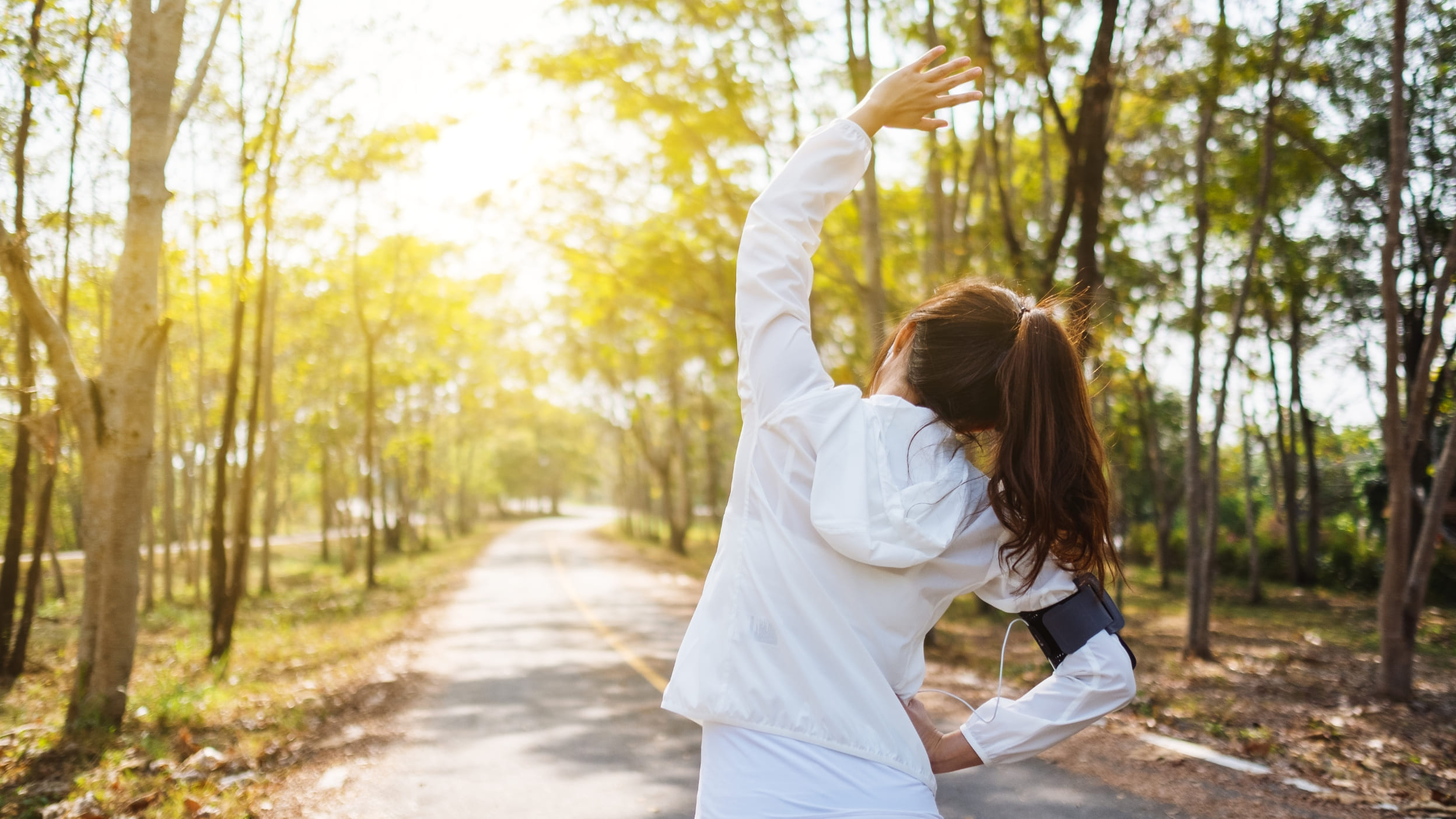
I used to underestimate yoga until I realized how effective it is during PMS. It helps calm the nervous system, reduce tension, and ease cramps. I like slow, restorative flows that focus on the hips and lower back.
3. Bodyweight Strength Training
I focus on low weight, high control movements like squats, glute bridges, and lunges. These exercises keep my muscles engaged without overloading my system.
4. Pilates and Core Stability Work
Pilates helps strengthen your core and improve posture without causing fatigue. Slow, controlled movements make me feel strong yet balanced.
5. Active Recovery
On my lowest-energy days, I focus on foam rolling, deep breathing, or mobility stretches. These gentle sessions help me release tension and stay connected to my body.
You don’t need to skip movement completely, you just need to change your approach. When I started choosing workouts that supported my cycle instead of fighting it, I began enjoying exercise again.
How to Stay Consistent Without Forcing It
Consistency looks different during PMS. It’s not about keeping up with your best week, it’s about showing up in a way that feels kind to your body.
Here’s how I stay consistent without burnout.
- Set flexible goals. I used to have rigid weekly plans. Now I create adaptable ones, one for high energy and one for low. That way, I always have an option.
- Lower the bar on “success.” Success during PMS might mean stretching instead of running. Progress isn’t about intensity, it’s about sustainability.
- Listen daily. Every morning, I check in with my energy. Some days I surprise myself and feel strong. Others, I rest. Both are okay.
- Celebrate small actions. Even a 10-minute walk is better than nothing. When you celebrate those efforts, it reinforces positive behavior.
The key is to think long-term. Your goal isn’t to win every day, it’s to build a lifestyle that works with your hormones, not against them.
Simple Mental Strategies to Stay Inspired
Motivation during PMS often fades because the mind feels as tired as the body. You might feel more emotional, self-critical, or impatient. That’s normal, it’s part of the hormonal changes happening.
Here’s what’s helped me stay grounded and inspired during that time.
1. Replace “I have to” with “I get to.”
That small change in language reframes exercise as a privilege instead of a punishment.
2. Create low-energy playlists.
During PMS, high-intensity music sometimes feels overwhelming. I use soft, upbeat tracks that match my slower pace but still lift my mood.
3. Visualize how you’ll feel afterward.
Even if I don’t want to move, I remind myself that I always feel better after gentle activity. That post-workout calm is my biggest motivator.
4. Track your patterns.
I started journaling how I felt throughout my cycle. It helped me anticipate low-energy days and plan accordingly.
5. Drop guilt completely.
Guilt adds stress, and stress worsens PMS symptoms. I remind myself that rest days are part of progress.
Once I stopped expecting myself to be at 100 percent all the time, I actually started showing up more often.
The Power of Rest, Recovery, and Nutrition
If there’s one thing I wish I had learned earlier, it’s that rest is productive. PMS is when your body needs nourishment and recovery the most.
I used to ignore hunger cues and push through tiredness, thinking that more effort meant more results. Now I see that energy management is everything.
Here’s how I fuel and rest during PMS.
- Eat for energy, not restriction. I focus on complex carbs, lean proteins, and magnesium-rich foods like leafy greens, nuts, and dark chocolate.
- Stay hydrated. I drink at least two liters of water daily to ease bloating and help digestion.
- Sleep deeply. I make rest a non-negotiable. Eight hours of quality sleep does more for my mood than any workout.
- Supplement smartly. Magnesium, vitamin B6, and omega-3s have helped me manage cramps and fatigue.
- Practice slow mornings. I don’t rush into the day. Starting slow helps me regulate cortisol levels and avoid that wired-but-tired feeling.
By supporting my recovery, I found that I bounced back stronger once my period started. My energy naturally returned, and I was ready to ramp up again without burnout.
My Real World PMS Motivation Routine
Here’s how my week usually looks when I’m in the PMS phase. This routine helps me stay consistent, grounded, and energized.
| Day | Focus | Intensity | Example Workout |
| Monday | Gentle Strength | Moderate | Bodyweight squats, lunges, planks |
| Tuesday | Light Cardio | Low | 25-minute walk or cycling |
| Wednesday | Active Recovery | Very Low | Yoga or foam rolling |
| Thursday | Core and Stability | Moderate | Pilates-inspired mat work |
| Friday | Stretch and Release | Low | Hip openers and light stretching |
| Weekend | Rest and Rebalance | None | Sleep, reading, and journaling |
This flexible routine keeps my momentum going without depleting me. It’s not about perfection, it’s about rhythm.
FAQs
1. Should I exercise during PMS or take a full break?
Gentle movement is ideal during PMS. Walking, yoga, and low-impact workouts help relieve cramps, reduce stress, and improve mood.
2. How can I stay consistent when I have no energy?
Shift your mindset from performance to care. Even five minutes of movement counts. Focus on consistency, not intensity.
3. What foods help with PMS fatigue?
Magnesium-rich foods like spinach, bananas, and dark chocolate, along with balanced carbs and proteins, can help regulate energy levels.
Final Thoughts
I used to think staying motivated during PMS meant forcing myself to keep up with my usual pace. But now I know it’s about balance. It’s about trusting that your body’s slower rhythm is still progress.
Motivation doesn’t have to be loud or relentless. Sometimes it’s soft and steady. It’s choosing to stretch when you’d rather collapse on the couch. It’s walking outside when your mood feels heavy. It’s giving yourself permission to rest without guilt.
When you stop treating PMS as a setback and start seeing it as a phase of renewal, you’ll find motivation comes naturally. You’ll learn that progress doesn’t always mean pushing harder, sometimes it means slowing down with purpose.
Your body isn’t working against you. It’s guiding you. The more you listen, the stronger and more balanced you become, cycle after cycle.