Table of Contents
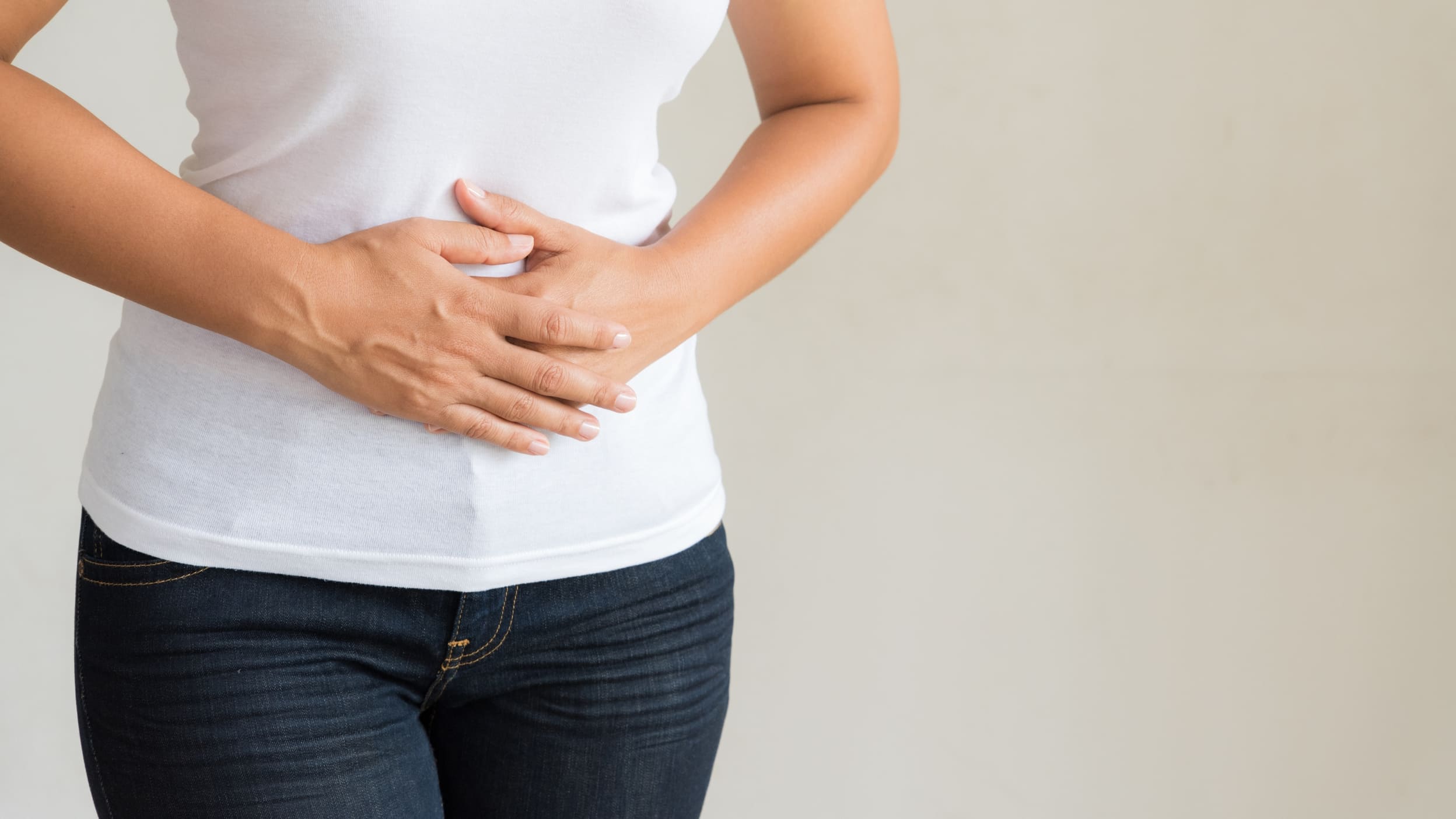
If you’ve ever looked in the mirror a few days before your period and felt like your stomach expanded overnight, you’re definitely not alone. PMS bloating is one of the most common and uncomfortable symptoms women experience before their period. It can make you feel heavier, sluggish, and frustrated, especially when you’ve been eating well and exercising consistently.
When I first started tracking my cycle, I noticed a clear pattern. About a week before my period, my stomach would look rounder, my jeans would feel tighter, and I’d wake up feeling puffy no matter what I ate. I used to think I was doing something wrong with my diet or workouts. But once I learned how hormones affect fluid retention and digestion, it all started to make sense.
PMS bloating peaks because of a perfect storm of hormonal changes. Rising and falling levels of estrogen and progesterone can cause water retention, sodium imbalance, and slower digestion. These shifts affect not just your abdomen but also your energy, mood, and confidence.
Understanding what’s happening gives you control. Once you know your body’s rhythm, you can plan ahead, reduce discomfort, and feel lighter without extreme diets or harsh detoxes.
What Happens to Your Body Before Your Period
The days leading up to your period are known as the luteal phase. During this time, estrogen and progesterone both fluctuate dramatically, setting the stage for bloating, cravings, and fatigue.
Estrogen can make your body retain sodium, which leads to extra water retention. Meanwhile, progesterone relaxes your smooth muscles, including those in your digestive system. That relaxation slows down digestion, often causing constipation, gas, and bloating. The result is that swollen, full feeling most women dread each month.
Another factor is inflammation. In the days before menstruation, your body produces prostaglandins, chemicals that help the uterus contract. But too much of them can cause inflammation in your gut, further contributing to discomfort and bloating.
I remember one week when I felt so swollen I couldn’t button my favorite jeans, even though I hadn’t changed my eating habits. It was discouraging until I realized my body wasn’t betraying me, it was just preparing for my period. Once I accepted that, I started working with my hormones instead of against them.
Understanding your body’s natural rhythm lets you plan accordingly. Instead of forcing intense workouts or restrictive diets during PMS, you can choose activities and foods that support your system and reduce bloating naturally.
Why Your Stomach Feels Bigger Even If You Exercise
One of the most common complaints I hear from women I coach is that they’re doing everything right, eating balanced meals, staying active, drinking water, but their stomach still looks bigger before their period.
That’s because PMS bloating isn’t about fat gain. It’s about temporary changes in water balance, digestion, and posture. Progesterone slows your digestive system, leading to trapped gas and pressure. Estrogen, on the other hand, can cause your body to hold more water. These two hormonal effects combined can make your belly feel hard and swollen.
Even your posture changes during PMS. When you feel bloated or crampy, you tend to round your shoulders or hunch slightly, which pushes your abdomen forward and makes bloating appear worse.
When I realized that this was normal and temporary, I stopped judging my body. I shifted my workouts, added gentle movements to support digestion, and focused on how I felt instead of how I looked. Within days of my period starting, the bloating disappeared, and my stomach flattened out naturally.
So if your belly feels fuller even with consistent workouts, remind yourself that your body is adjusting to hormones, not betraying your progress.
How to Flatten Your Stomach Safely During PMS
Flattening your stomach during PMS isn’t about forcing results, it’s about creating balance. The goal is to support your digestion, reduce inflammation, and move fluid out of the body in a gentle, hormone-friendly way.
Here’s what works best, both from personal experience and working with clients.
1. Choose gentle movement over intensity.
Intense training increases cortisol, the stress hormone, which can worsen bloating. I switch to low-impact workouts like walking, yoga, or Pilates during this time. They keep my blood flowing, help digestion, and reduce fluid retention.
2. Focus on deep breathing.
When bloating peaks, shallow breathing can make your core feel tighter. I use diaphragmatic breathing to relax my abdominal muscles and stimulate the vagus nerve, which helps digestion.
3. Hydrate strategically.
It sounds counterintuitive, but drinking more water helps your body release retained fluid. I aim for at least 2 liters a day, often adding lemon or cucumber for natural detox support.
4. Eat smaller meals more often.
Large meals can overburden a slower digestive system. I eat every 3 to 4 hours, focusing on simple, whole foods that are easy to digest, like cooked vegetables, brown rice, and lean proteins.
5. Reduce salt and processed foods.
Hidden sodium in packaged snacks or sauces worsens water retention. I season meals with herbs like parsley, mint, and turmeric instead, they’re anti-inflammatory and aid digestion.
6. Support your gut naturally.
Probiotic-rich foods like yogurt, kefir, and fermented veggies improve gut balance and reduce gas. I’ve noticed less bloating since adding these regularly to my meals.
This isn’t about a quick fix but rather creating an environment where your body feels calm and balanced. Once hormones level out, your stomach naturally feels flatter without extreme effort.
The Best Workouts for PMS Bloating Relief
Exercise during PMS doesn’t have to feel like a chore. The right kind of movement can ease bloating, reduce cramps, and even lift your mood. When I learned to sync my workouts with my hormonal cycle, I felt more energized and less frustrated by those pre-period days.
Here are the best workouts I’ve found for bloating relief.
1. Low-intensity cardio.
Brisk walking, light jogging, or cycling boosts circulation and helps move trapped gas. Even 20 minutes can make a noticeable difference in how you feel.
2. Yoga and stretching.
Yoga poses that twist or compress the abdomen stimulate digestion. “Wind-relieving pose,” “child’s pose,” and gentle spinal twists are my go-tos when I feel bloated.
3. Bodyweight strength training.
Exercises like squats, glute bridges, and lunges keep your muscles active without stressing your system. Avoid crunches or heavy core work when you’re bloated, as they can make discomfort worse.
4. Swimming or aquatic workouts.
If you have access to a pool, swimming is a fantastic option. The water pressure helps reduce swelling and promotes lymphatic drainage.
5. Restorative Pilates.
This focuses on deep core engagement, breathing, and posture. I love using Pilates during PMS because it supports both strength and relaxation.
What matters most is movement that feels nurturing. If a workout leaves you drained or irritable, scale it back. The goal isn’t to burn calories but to help your body function more efficiently.
Nutrition and Hydration Strategies That Actually Work
No matter how hard you work out, your nutrition plays the biggest role in how bloated you feel. During PMS, your metabolism slightly increases, but digestion slows down. Supporting both processes requires intentional eating.
1. Prioritize potassium-rich foods.
Bananas, avocados, and sweet potatoes balance sodium levels and reduce water retention. I make a smoothie with banana, spinach, and almond milk when I feel puffy, it always helps.
2. Increase magnesium intake.
Magnesium relaxes muscles, eases cramps, and promotes digestion. Foods like pumpkin seeds, leafy greens, and dark chocolate are great sources.
3. Reduce caffeine and alcohol.
Caffeine increases cortisol and can worsen anxiety and bloating. Alcohol dehydrates the body and makes fluid retention worse. I stick to herbal teas like ginger or peppermint, which soothe my stomach naturally.
4. Eat anti-inflammatory foods.
Salmon, turmeric, and berries are staples for me during PMS. They reduce inflammation and support hormone metabolism.
5. Mind your fiber.
Too much fiber when your digestion is sluggish can backfire. Moderate amounts from cooked vegetables and oats work best for most women during this phase.
6. Stay consistent with hydration.
I often hear women say they don’t drink much water because they already feel bloated. But dehydration tells your body to hold onto water. Staying hydrated helps flush excess sodium and toxins naturally.
A few mindful changes make a huge difference. You don’t need to overhaul your diet, just tune in and make small adjustments to support your body’s needs that week.
Real Client Stories and Lessons from Experience
One of my clients, Lena, used to skip workouts during PMS because she felt too bloated and uncomfortable. Once we started incorporating low-intensity cardio and simple yoga flows, her symptoms decreased noticeably within a month. By her third cycle, she reported feeling 50 percent less bloated before her period.
Another client, Maria, struggled with emotional eating and bloating during PMS. We worked on stabilizing her blood sugar by adding protein to every meal and swapping sugary snacks for magnesium-rich options. She was amazed by how much her stomach flattened without cutting calories.
Personally, I’ve experienced every form of PMS bloating imaginable, from tight jeans to feeling too heavy for workouts. But once I understood that bloating was temporary and hormonal, it stopped controlling how I felt about myself. Now, I approach PMS as a time for recovery and care rather than punishment or panic.
FAQs
Why does PMS bloating peak before my period?
Hormonal changes, especially drops in estrogen and progesterone, lead to water retention and slower digestion, which cause bloating.
How can I flatten my stomach during PMS bloating?
Stay hydrated, eat magnesium and potassium-rich foods, reduce salt, and move your body gently through low-intensity cardio or yoga.
Should I avoid workouts when bloated?
No, just modify them. Choose light movement like walking, Pilates, or stretching instead of intense HIIT or heavy strength training.
Final Thoughts
PMS bloating is frustrating, but it’s also completely normal. Once I stopped seeing it as something to fix and started viewing it as my body’s signal to slow down, everything changed.
Your hormones aren’t working against you, they’re communicating. When you listen to your body, move gently, eat intuitively, and give yourself permission to rest, you’ll find that bloating doesn’t control you anymore.
Within a few days of your period starting, the swelling fades, your stomach flattens, and your energy returns. But the real victory comes from understanding that your worth and progress were never defined by a few bloated days each month.
Your body is cyclical, not static. Learning to honor that rhythm is one of the most empowering things you can do for your health, confidence, and peace of mind.