Table of Contents
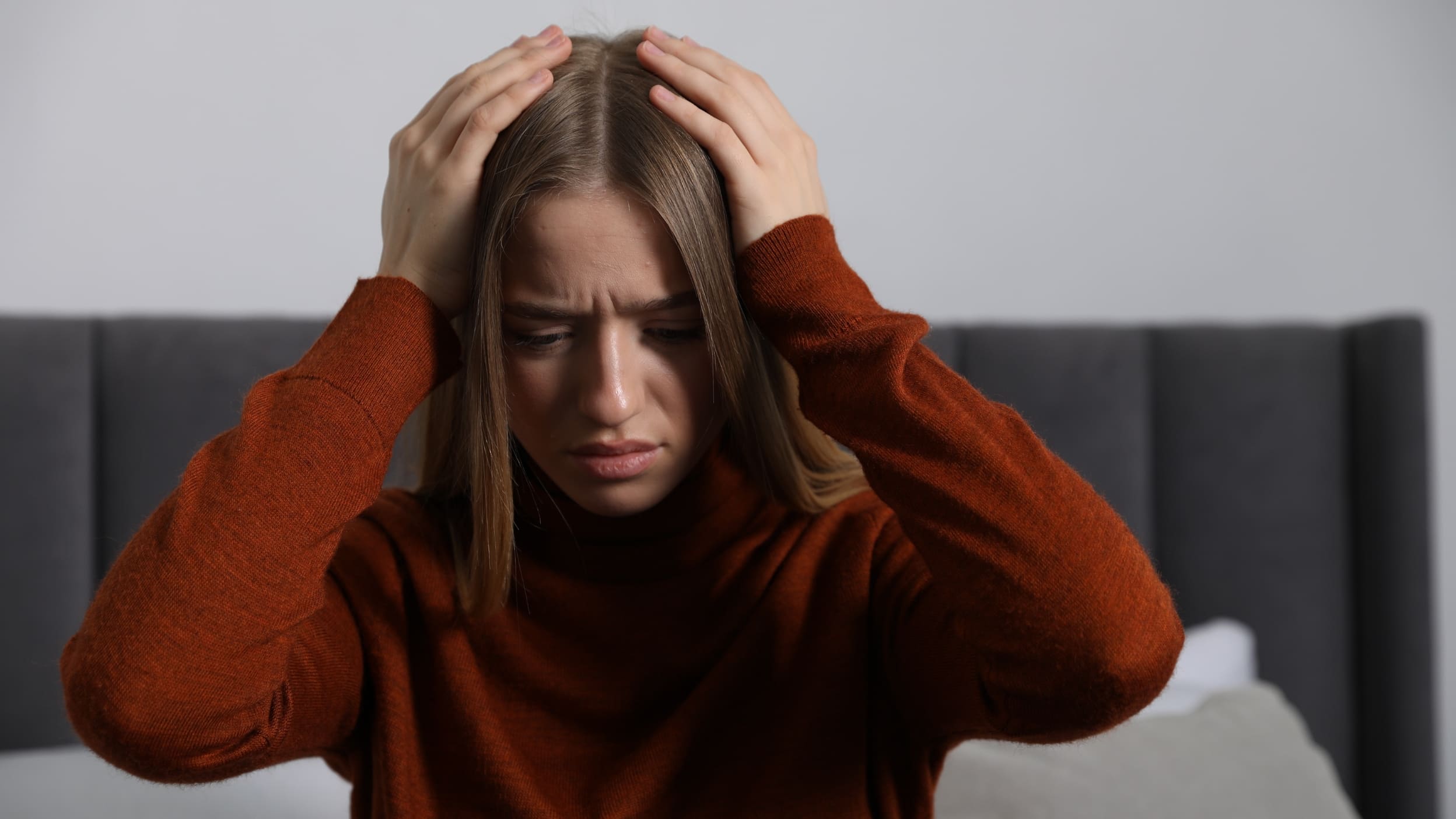
If you’ve ever felt that wave of unease creeping in the week before your period, you’re not alone. PMS anxiety can feel like an invisible weight pressing down, amplifying worries, and making your thoughts spiral faster than usual.
Before I began understanding how my cycle worked, I used to think these anxiety peaks were just random. I’d have weeks where I was confident and calm, followed by days where I questioned everything. Small problems felt enormous. My patience disappeared, and I couldn’t figure out why.
Eventually, I realized it wasn’t random at all. There was a rhythm to it. The timing matched perfectly with the luteal phase of my cycle, right before my period. And once I saw that connection, I could finally start managing it with awareness instead of frustration.
PMS anxiety doesn’t mean you’re weak or overly emotional. It means your body is sending signals that it needs stability, rest, and nervous system support.
Why PMS Anxiety Peaks Before Your Period
PMS anxiety peaks during the luteal phase, which happens between ovulation and menstruation. This is when your hormones begin their most dramatic shifts.
Estrogen, which keeps your mood and energy high, drops after ovulation. Progesterone rises, which can be calming for some women but sedating and anxiety-inducing for others. When estrogen drops too quickly, serotonin levels follow, and that can make you more emotionally sensitive, tired, or irritable.
I used to describe this feeling as being “off.” I didn’t necessarily feel sad or anxious for a specific reason, but I was on edge, like I was waiting for something bad to happen. That hyper-alertness is a nervous system response caused by these hormonal changes.
Your brain literally becomes more reactive to stress during this time. So if you already have a full workload, minimal sleep, or unresolved emotional stress, PMS can magnify it. Understanding this pattern helps you stop blaming yourself and start giving your body what it needs calm and structure.
The Hormone and Brain Connection
What happens in your body during PMS anxiety is a dance between hormones and brain chemistry.
Estrogen plays a big role in boosting serotonin, the neurotransmitter that helps you feel calm and content. When estrogen drops in the luteal phase, serotonin production decreases, which can lead to mood swings, intrusive thoughts, and anxiety spikes.
Progesterone, meanwhile, interacts with GABA receptors in your brain. GABA is a neurotransmitter that promotes relaxation and balance. If your body doesn’t metabolize progesterone efficiently, or if your stress levels are already high, it can disrupt GABA’s ability to do its job, leaving you feeling wired instead of calm.
This combination explains why PMS anxiety feels so physical. It’s not “just in your head.” It’s in your nervous system. You may notice shallow breathing, a faster heart rate, or an inability to focus. These are all signs that your body is in a stress response cycle.
Once I recognized that, I stopped trying to “think” my way out of anxiety and started supporting my nervous system through movement, rest, and nourishment.
How I Recognized My PMS Anxiety Triggers
For me, PMS anxiety was unpredictable until I began tracking my cycle. I started using an app and writing small notes about my energy, mood, and stress each day. Within two months, the pattern became obvious.
My anxiety consistently peaked around day 24 of my cycle. I noticed I was more sensitive to caffeine, more reactive to criticism, and more likely to spiral into overthinking. Knowing that gave me power.
I could anticipate the changes instead of being blindsided by them. Instead of overloading my schedule during that week, I planned for more rest. Instead of pushing through workouts, I switched to gentle movement.
Recognizing your personal triggers is key. For some women, it’s lack of sleep. For others, it’s emotional overload or skipping meals. Once you find your triggers, you can start building a strategy that feels realistic instead of reactive.
The Science of the Anxiety Spiral
When anxiety begins, it triggers a feedback loop between your brain and body. Your brain senses stress and tells your adrenal glands to release cortisol. This hormone prepares your body to fight or flee, increasing heart rate and alertness.
But when your hormones are already fluctuating during PMS, your body struggles to regulate this stress response. So even a small trigger can feel like a full blown crisis. The faster your thoughts race, the more cortisol your body releases. That creates the anxiety spiral thought, reaction, panic, repeat.
I learned that the key to breaking this cycle isn’t to “think positive.” It’s to calm the body first. Once your physical symptoms settle, your brain naturally follows.
Grounding yourself through breathing, gentle movement, or cold exposure can shift your body out of fight or flight and into rest and digest mode. This physical reset is often the missing piece for women trying to manage PMS anxiety.
How to Stop PMS Anxiety in the Moment
When PMS anxiety hits suddenly, I rely on quick resets to bring myself back to calm. These aren’t complicated. They’re simple, body based techniques that work with your physiology, not against it.
1. Grounded breathing
Breathe in through your nose for four counts, hold for four, and exhale through your mouth for six. This slows your heart rate and signals safety to your nervous system.
2. The 5-4-3-2-1 grounding method
I name five things I can see, four I can touch, three I can hear, two I can smell, and one I can taste. This pulls me out of my thoughts and back into the present moment.
3. Movement breaks
Even a short walk outside or light stretching helps release tension and move cortisol through the body.
4. Self-soothing touch
I place my hand over my heart or rub my temples. Physical reassurance tells the brain, “I’m safe.”
5. Cooling reset
Splashing cold water on my face or holding an ice cube helps activate the vagus nerve, instantly calming the nervous system.
These practices don’t eliminate anxiety, but they stop it from spiraling into panic. Each one reminds your body that it’s not in danger it’s just in transition.
Daily Habits That Keep PMS Anxiety From Taking Over
Long-term relief comes from creating a lifestyle that supports your hormones and your nervous system before anxiety starts.
1. Keep a regular routine
My nervous system feels calmer when I wake, eat, and sleep at consistent times. Predictability creates a sense of safety for your brain.
2. Prioritize gentle mornings
I avoid rushing straight into work or scrolling my phone. A few minutes of sunlight, slow breathing, or journaling helps set the tone for a grounded day.
3. Limit stimulants
Caffeine and sugar amplify PMS anxiety. I switch to matcha or herbal tea during my luteal phase to keep energy stable.
4. Build recovery into your day
Even small breaks matter. A five-minute walk, a glass of water, or stepping away from screens can reset your body’s stress response.
5. Protect your environment
Noise, clutter, and constant stimulation make PMS symptoms worse. I create calm spaces with soft lighting and simple surroundings.
These habits might seem small, but consistency transforms how your body reacts to hormonal shifts.
Food, Sleep, and Movement for Emotional Stability
Food:
Balanced nutrition is one of the most effective ways to support PMS anxiety. Blood sugar dips can intensify mood swings and stress sensitivity. I make sure each meal includes protein, complex carbohydrates, and healthy fats.
My go-tos include eggs with avocado, quinoa bowls, roasted vegetables, and magnesium-rich snacks like pumpkin seeds and dark chocolate. Magnesium helps regulate cortisol and calm the nervous system.
Sleep:
Sleep during PMS can be tricky. I notice my body craves more rest but has a harder time falling asleep. A consistent bedtime, dim lighting, and magnesium tea make a big difference. I also keep my phone away from the bed to avoid blue light stimulation.
Movement:
I used to push myself to keep up my regular workouts during PMS, but that only made my symptoms worse. Now I choose movement that restores energy like yoga, walking, or slow strength training.
When I move with intention instead of intensity, my anxiety drops noticeably. Exercise should regulate your body, not exhaust it.
When to Seek Extra Support
Sometimes PMS anxiety can go beyond what’s manageable with lifestyle changes. If your anxiety lasts longer than two weeks per cycle, causes panic attacks, or impacts your relationships or work, it may be PMDD (Premenstrual Dysphoric Disorder).
PMDD is a more severe form of PMS that deeply affects mood and mental health. It’s not in your head, and it’s not something you should have to push through alone. A healthcare provider who understands hormonal health can offer medical or natural support options, such as SSRIs, birth control adjustments, or supplements.
Therapy, especially cognitive-behavioral or somatic-based, can also help. I found therapy essential for learning how to manage the emotional side of PMS without shame.
There’s no weakness in seeking help. Understanding your body and advocating for your wellbeing is one of the strongest things you can do.
FAQs
1. Why does my anxiety spike before my period?
Hormonal fluctuations lower serotonin and increase cortisol sensitivity, making your body more reactive to stress.
2. How can I calm PMS anxiety quickly?
Practice grounding breath, move your body gently, and focus on sensory awareness to help your nervous system settle.
3. Does caffeine make PMS anxiety worse?
Yes. Caffeine can heighten cortisol and adrenaline, worsening anxiety during the luteal phase.
4. What foods help reduce PMS anxiety?
Magnesium-rich foods, omega-3s, and complex carbs support hormone balance and reduce anxiety symptoms.
5. When should I see a doctor?
If anxiety feels unmanageable or you suspect PMDD, consult a provider. Hormonal testing and tailored care can make a huge difference.
Final Thoughts
PMS anxiety can feel unpredictable and overwhelming, but it’s not random or permanent. It’s your body’s way of communicating that it needs rest, consistency, and care.
Once I stopped fighting the anxiety and started listening to it, everything changed. I learned that my hormones weren’t working against me, they were asking for balance.
Supporting your body through small, consistent habits builds resilience. It doesn’t happen overnight, but every calm choice adds up. Each time you pause to breathe, nourish yourself, or slow down, you’re teaching your body that it’s safe to relax.
You don’t have to wait for PMS anxiety to control your life. You can work with your cycle, not against it, and find a rhythm that supports calm instead of chaos.