Table of Contents
When I first started learning about cycle syncing, I was already deep into my fitness journey. I knew how to train hard, eat clean, and push through discomfort. But what I didn’t know was that my hormones were quietly running the show. Four Phases of Your Cycle some weeks I felt unstoppable; other weeks, completely drained. I used to blame that inconsistency on willpower or motivation, not biology. Once I understood how my menstrual cycle actually worked, everything changed. My workouts became more efficient, my recovery faster, and my mood more stable.
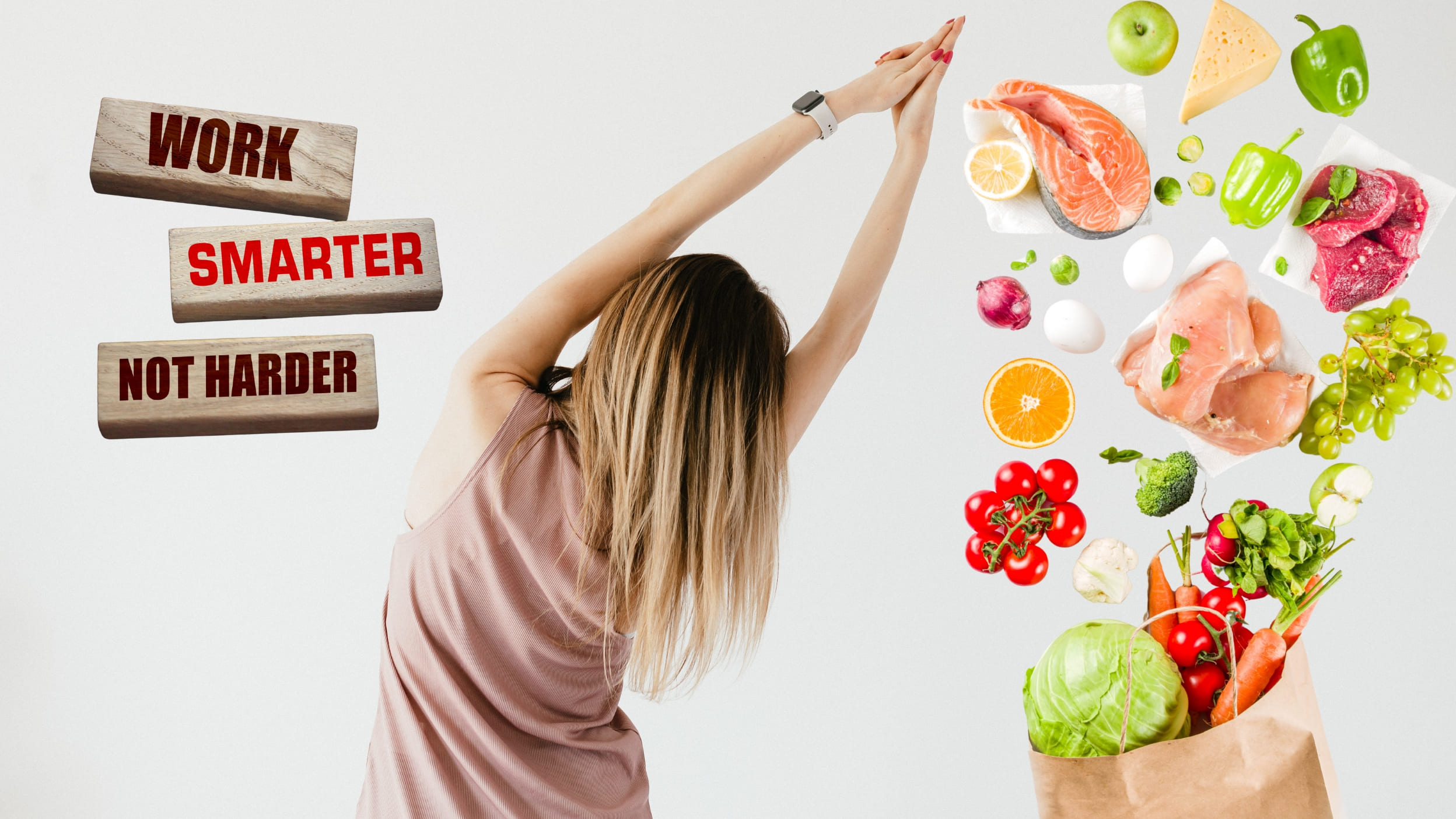
Cycle syncing is about aligning your exercise routine with your hormonal rhythm. It’s not about doing less. It’s about doing smarter. Over the years, both in my own training and in coaching clients, I’ve seen how transformative this approach can be. In this article, I’ll break down the science, the phases, and the real world strategies that can help you stay consistent and feel better throughout the month.
Understanding the Four Phases of Your Cycle
Your menstrual cycle is more than just the days you bleed. It’s a constantly shifting hormonal landscape that affects your energy, motivation, and even your confidence. Once you learn to recognise and work with those shifts, you stop fighting against your body and start flowing with it.
There are four distinct phases: menstrual, follicular, ovulatory, and luteal. Each one requires a slightly different approach to movement, recovery, and mindset.
Menstrual Phase (Days 1–5)
This is when your period begins. Estrogen and progesterone are at their lowest, which often means energy dips, focus wanes, and motivation takes a back seat. Early in my journey, I used to push through with heavy workouts during this phase, thinking rest was weakness. But I learned that allowing my body to rest or do gentle movement actually improved my performance later in the month.
During your period, focus on restorative activities. Walking, stretching, or yin yoga can ease cramps and promote circulation without overloading your system. Think of this as your body’s natural reset button.
Follicular Phase (Days 6–13)
Once bleeding stops, estrogen starts to rise, and you’ll notice your energy picking up again. I often call this the “spring phase” because everything starts to bloom your mood, your motivation, and your ability to take on new challenges.
This is the perfect time to push yourself physically. I like to schedule strength training, HIIT, or new fitness classes in the follicular phase. Your coordination and learning capacity improve, and recovery tends to be faster. You’re more resilient to stress and can handle greater training volume.
Ovulatory Phase (Days 14–17)
Estrogen peaks here, bringing your highest levels of energy, focus, and endurance. Most women feel their strongest during ovulation. I certainly do. My lifts are heavier, my runs are faster, and I feel socially confident.
Luteal Phase (Days 18–28)
After ovulation, progesterone becomes dominant. Energy begins to taper, and you might notice mood changes, bloating, or cravings. This is where many women feel like they’re “falling off” their fitness routine, but really, it’s your body asking for a different kind of support.
During this phase, I shift from high intensity sessions to more moderate workouts like Pilates, cycling, or steady state cardio. I also add magnesium and complex carbs to my diet to help with mood and energy stability. This approach not only prevents burnout but also drastically reduces my PMS symptoms.
How Hormones Affect Energy and Performance
Your hormones are like the rhythm section of a song; they set the tempo for how your body feels, moves, and recovers. Estrogen boosts serotonin and energy, making you feel powerful and motivated. Progesterone promotes calmness and can make you more introspective or slower to recover from intense exercise.
When you learn to read these cues, you start to understand why your performance fluctuates. It’s not an inconsistency. It’s biology.
Before I embraced cycle syncing, I would force myself through intense workouts even when my energy was low. I thought discipline meant pushing harder. But what I found was that ignoring my body’s hormonal signals led to more fatigue, slower recovery, and even irregular cycles. When I finally tracked my phases using tools like Natural Cycles and my Oura Ring, the pattern became crystal clear. My personal records always aligned with my follicular and ovulatory phases, while rest days during my luteal and menstrual phases made me feel more balanced overall.
The Best Workouts for Each Menstrual Cycle Phase
| Cycle Phase | Hormonal Status | Energy Level | Ideal Workouts |
| Menstrual | Low estrogen & progesterone | Low | Rest, yoga, light walks |
| Follicular | Rising estrogen | High | Strength training, HIIT, new workouts |
| Ovulatory | Peak estrogen | Very high | HIIT, running, team sports |
| Luteal | Rising progesterone | Moderate to low | Pilates, low intensity cardio, cycling |
Menstrual Phase
Focus on movement that feels restorative. Personally, I like gentle yoga or short walks outdoors. This helps circulation and relieves cramps without exhausting the body.
Follicular Phase
Energy is rising, and recovery is fast. It’s the best time for building muscle or trying new workouts. I often challenge myself with progressive overload training or short sprints during this time.
Ovulatory Phase
This is your performance peak. I recommend using this window for high intensity training or competitions. You’ll feel more coordinated and confident.
Luteal Phase
Energy starts to dip, so focus on consistency rather than intensity. Moderate workouts like Pilates or cycling are ideal. This helps maintain progress without overwhelming your nervous system.
How Cycle Syncing Reduces PMS
One of the biggest transformations I’ve seen in both myself and my clients is the reduction of PMS symptoms. Aligning your workouts with your cycle can dramatically reduce mood swings, bloating, and fatigue.
The reason is simple. When you train in sync with your hormones, you reduce stress on the body. This stabilises cortisol and insulin, both of which influence PMS severity. For example, during the luteal phase, when your metabolism slightly increases, supporting your body with nutrient dense foods and moderate exercise helps maintain hormonal balance.
I once worked with a client named Sarah who struggled with debilitating PMS every month. She’d push herself with high intensity training even during her luteal phase. Once we adjusted her program to include restorative sessions and cycle based nutrition, her PMS symptoms nearly disappeared. She told me it was the first time in years she didn’t feel “at war” with her body.
Common Mistakes to Avoid
Training the Same Way All Month
Your body isn’t static. Doing the same type of workout week after week ignores the hormonal fluctuations that influence strength, endurance, and recovery. Adjust your training to match your energy and hormone levels.
Ignoring Nutrition
Cycle syncing isn’t only about exercise. It’s also about fuelling your body properly. For example, during the follicular phase, I focus on lean proteins and fibre-rich foods to support estrogen metabolism. During the luteal phase, I increase my intake of magnesium and B vitamins to support progesterone and reduce fatigue.
Tracking Without Applying
Many women track their cycle but never adapt their habits based on it. Knowledge without action doesn’t create change. Use your data to guide decisions. If your energy dips, scale intensity. If you feel strong, go harder. The goal is flow, not force.
Real World Tips for Staying Consistent
- Plan your workouts weekly, not monthly. Adjust your schedule depending on which phase you’re in.
- Use your body as feedback. Data is helpful, but intuition matters more. Listen to your body’s signals.
- Focus on rhythm, not rigidity. You’ll miss workouts or feel low sometimes. That’s part of the process.
- Build gradually. If cycle syncing feels overwhelming, start small. Sync just your workouts first.
- Find community. I often pair clients with accountability partners who are in similar phases. It builds support and motivation.
FAQs about Understanding the Four Phases of Your Cycle
Can I still train during my period?
Absolutely. Movement can relieve cramps and boost mood. Just lower the intensity if energy is low.
How long does it take to feel results from cycle syncing?
Most women notice positive changes within two to three cycles. You’ll likely feel more balanced energy and less PMS first, followed by better overall performance.
What if my cycle is irregular?
That’s okay. Start tracking and make small adjustments. Over time, syncing your training and nutrition can help regulate your cycle naturally.
Final thoughts
Cycle syncing has completely changed how I view fitness and health. For years, I believed that success came from pushing harder, doing more, and ignoring how I felt. But true progress came when I started listening. My energy, focus, and even my confidence improved once I began working with my body instead of against it.
Your menstrual cycle isn’t an obstacle, it’s a guide. Each phase gives you a different kind of strength. When you learn to adapt your workouts, your body rewards you with resilience, stability, and ease.
Now, I approach training as a partnership with my body. Some days I lift heavy; other days, I rest. And that balance, that respect for my own rhythm, has made all the difference.
If there’s one takeaway I want you to remember, it’s this: You’re not inconsistent. You’re cyclical. And that’s your superpower.