Table of Contents
I still remember the first time i realised how predictable my libido actually was and why pms sex drive disappears before your period and how to navigate it. For months, I thought I was just “not in the mood” randomly, but once I started tracking my cycle, I noticed a clear pattern. Why Your Sex Drive Disappears Every time my period was about a week away, my desire seemed to flatline.
That wasn’t a coincidence. It was biology.
Throughout your menstrual cycle, your body moves through a symphony of hormonal changes. Around ovulation, estrogen and testosterone peak these are your “high desire” hormones. You often feel confident, magnetic, and ready for intimacy. But once ovulation ends, the luteal phase begins, and everything shifts.
Progesterone rises while estrogen and testosterone drop. This transition is nature’s way of preparing your body for a possible pregnancy. And if pregnancy doesn’t happen, those hormones start to fall further, leading to the familiar PMS phase where fatigue, irritability, and low libido often take over.
This isn’t about being broken or unmotivated. It’s your hormones asking for rest.
Why Libido Dips During the Luteal Phase
During the luteal phase (the two weeks before your period), many women experience Why PMS Sex Drive physical and emotional changes that naturally affect desire. Bloating, sore breasts, and fatigue can make physical touch feel more like a chore than a pleasure. On top of that, the body’s drop in estrogen and testosterone directly reduces arousal and vaginal lubrication.
I often describe this phase as your body shifting from “go mode” to “slow mode.” Estrogen fuels energy, focus, and desire so when it declines, your drive for sex can decline with it. Meanwhile, progesterone takes the wheel, promoting calmness and introspection. It’s the hormone that tells your body to nest and nurture, not chase stimulation.
What I’ve learned, both personally and through coaching clients, is that libido during this phase isn’t gone, it’s just different. Instead of quick fire passion, you might crave emotional intimacy, deeper conversations, or simply comfort and closeness.
The Role of Progesterone and PMS Symptoms
Progesterone is one of those hormones that works quietly but powerfully. It helps regulate mood, supports sleep, and prepares your uterus for menstruation. However, when progesterone levels spike too high relative to estrogen, it can create that “heavy” feeling sluggish, bloated, and disconnected from your body.
I had a client, let’s call her Mia, who used to describe this phase as “feeling like I’m wrapped in fog.” Her libido didn’t disappear because she wasn’t attracted to her partner, it faded because her body was tired, her serotonin levels had dipped, and her PMS symptoms made everything feel harder.
This is the part most women don’t realise: low libido before your period isn’t psychological. It’s physiological. Your body is navigating fluid retention, temperature changes, and hormonal shifts all of which can make you less responsive to sexual cues.
And that’s okay. It’s not a flaw. It’s cyclical biology doing its job.
Emotional Distance and Relationship Friction
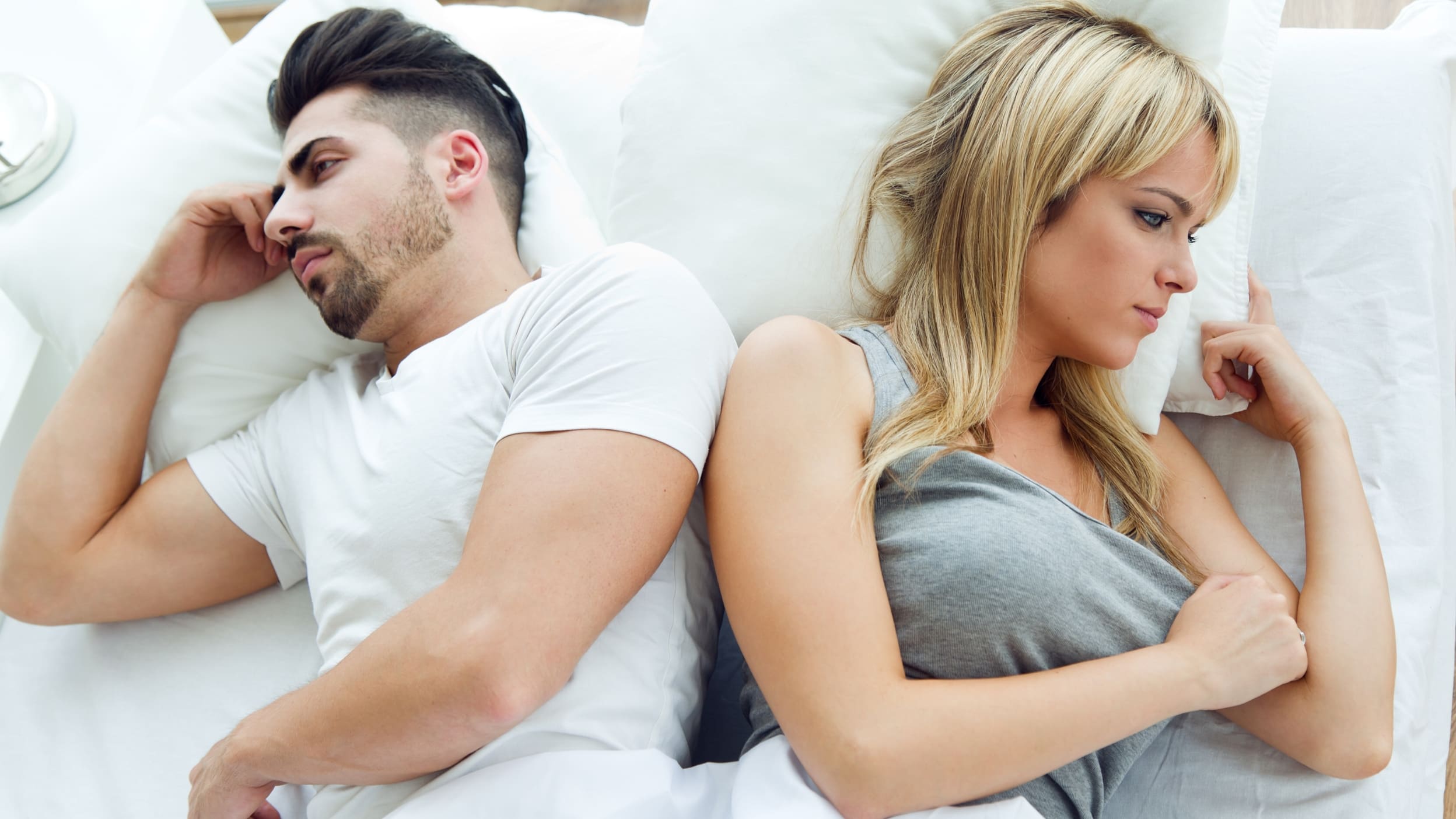
Here’s the tough part. When your body shifts gears, it can create emotional friction, especially if your partner doesn’t understand what’s happening. I’ve seen this in countless relationships: the misunderstanding that low libido equals low affection.
In reality, the luteal phase often makes us crave reassurance rather than excitement. You might feel more emotional, introspective, or even slightly irritable. Small things that don’t usually bother you might suddenly feel overwhelming.
This is why communication becomes your best ally. When I explain to my clients how to express this shift to their partners, I always recommend being honest but gentle. Saying something like, “I’m just in my luteal phase and need a little more rest and comfort this week” changes the entire tone. It turns potential rejection into connection.
The truth is, intimacy isn’t always about sex it’s about feeling seen, understood, and safe.
How to Reconnect With Your Body and Desire
Just because your libido dips doesn’t mean connection is off the table. You can still nurture intimacy just in a way that feels aligned with your energy levels.
Here’s what’s worked for me and many of my clients:
- Shift your definition of intimacy.
Think of intimacy as a spectrum. Maybe you’re not craving sex, but you still want to feel close. Slow cuddles, shared baths, or even gentle back massages can release oxytocin, the hormone of trust and connection. - Track your cycle regularly.
When you know your luteal phase is approaching, you can prepare emotionally. It helps reduce guilt and confusion when you understand the timing behind your feelings. - Prioritise rest and body awareness.
Gentle movement, stretching, or mindful breathing can help you reconnect with your body instead of feeling at war with it. - Release the pressure.
Desire isn’t a switch, it’s a response. When you take pressure off “needing” to feel aroused, your body relaxes. Paradoxically, that relaxation can help desire return naturally.
Natural Ways to Support Libido Before Your Period
There are science backed and holistic ways to support your libido and hormone balance during this phase.
Here’s what I recommend based on both research and real world results:
1. Nourish Your Hormones
Eat foods rich in magnesium, zinc, and vitamin B6 like pumpkin seeds, spinach, and chickpeas. These nutrients support progesterone regulation and serotonin production, helping your mood and energy levels stay more stable.
2. Keep Stress in Check
Chronic stress elevates cortisol, which competes with your sex hormones. Even 10 minutes of mindful breathing or journaling daily can reduce cortisol and improve your hormonal balance.
3. Support Your Liver
Your liver processes excess estrogen and progesterone. Including cruciferous vegetables like broccoli and cauliflower helps your body detox efficiently and may ease PMS related symptoms.
4. Move Gently, Not Aggressively
In the luteal phase, high intensity workouts can spike cortisol and worsen fatigue. Switch to low impact activities like yoga, pilates, or walking to maintain balance without draining your reserves.
5. Explore Herbal Support
Adaptogenic herbs like maca root and ashwagandha have been shown to help regulate hormones and support sexual function. If you’re open to natural options, consult your healthcare provider before adding them to your routine.
6. Honour Your Sleep
Low libido and poor sleep go hand in hand. Create a consistent nighttime routine, avoid screens an hour before bed, and make sleep a non negotiable part of your self care.
When to Seek Professional Guidance
If your low libido persists for several months, or if it comes with chronic fatigue, mood swings, or irregular periods, it may signal an underlying hormonal imbalance. Conditions like estrogen dominance, thyroid dysfunction, or low progesterone can all contribute to diminished desire.
A qualified healthcare provider can help by running a comprehensive hormone panel. I always encourage women to advocate for themselves don’t accept “it’s just PMS” as a blanket answer.
Working with a functional medicine practitioner or hormone specialist can help you get to the root cause rather than simply managing symptoms.
FAQs about Why Your Sex Drive Disappears Before Your Period
1. Why does my sex drive drop right before my period?
Because estrogen and testosterone decrease while progesterone rises. This combination naturally lowers libido and increases fatigue, making you crave rest more than stimulation.
2. Is it normal to lose interest in sex during PMS?
Completely normal. It’s your body’s way of conserving energy while preparing for menstruation. It’s cyclical, not permanent.
3. How can I boost my sex drive in the luteal phase?
Focus on reducing stress, supporting your hormones through nutrition and sleep, and reconnecting with your body emotionally. Pressure kills desire; compassion revives it.
4. How long does low libido last before my period?
For most women, it lasts between 3 to 10 days, depending on hormonal balance, stress, and individual cycle length.
Final thoughts
I used to see my fluctuating sex drive as a problem to fix. Now I see it as a message from my body. Every cycle teaches me something new about balance, self acceptance, and timing.
When your libido drops before your period, it’s not your body failing you, it’s your body whispering, “I need rest.” And when you listen, you’ll notice something powerful: your desire returns stronger, clearer, and more connected once your body feels safe again.
Cycle syncing taught me that femininity isn’t about being “on” all the time, it’s about honouring your rhythms. So the next time your sex drive dips, don’t panic or push. Just pause. Breathe. Your hormones are doing exactly what they’re meant to.
Your cycle isn’t the enemy, it’s the rhythm guiding you home to yourself.