Table of Contents
Premenstrual syndrome (PMS) affects up to 85% of menstruating individuals, bringing symptoms like cramps, bloating, mood swings, fatigue, and headaches. While reaching for the heating pad might feel like the only option, research shows that the right types of exercise can significantly reduce PMS symptoms and help you feel more comfortable during your cycle.
Why Exercise Helps with PMS
Exercise provides relief through several mechanisms. Physical activity releases endorphins, your body’s natural pain relievers, which can reduce cramping and improve mood. It also increases blood flow, helping to reduce muscle tension and bloating. Additionally, regular exercise helps regulate hormones and can reduce the severity of PMS symptoms over time.
Low-Impact Cardio: Your Period’s Best Friend
Walking Don’t underestimate the power of a gentle walk. A 20-30 minute walk can increase circulation, reduce bloating, and provide mood-boosting benefits without being too strenuous. Fresh air and sunlight add extra mood benefits.
Swimming Swimming is particularly effective during menstruation because the water pressure can help reduce bloating while providing gentle, full-body exercise. The weightless feeling in water can also provide relief from heavy, uncomfortable sensations.
Cycling Light to moderate cycling, whether outdoors or on a stationary bike, promotes blood flow and can help reduce cramping. Start with shorter rides and adjust intensity based on how you feel.
Yoga: Ancient Wisdom for Modern Relief
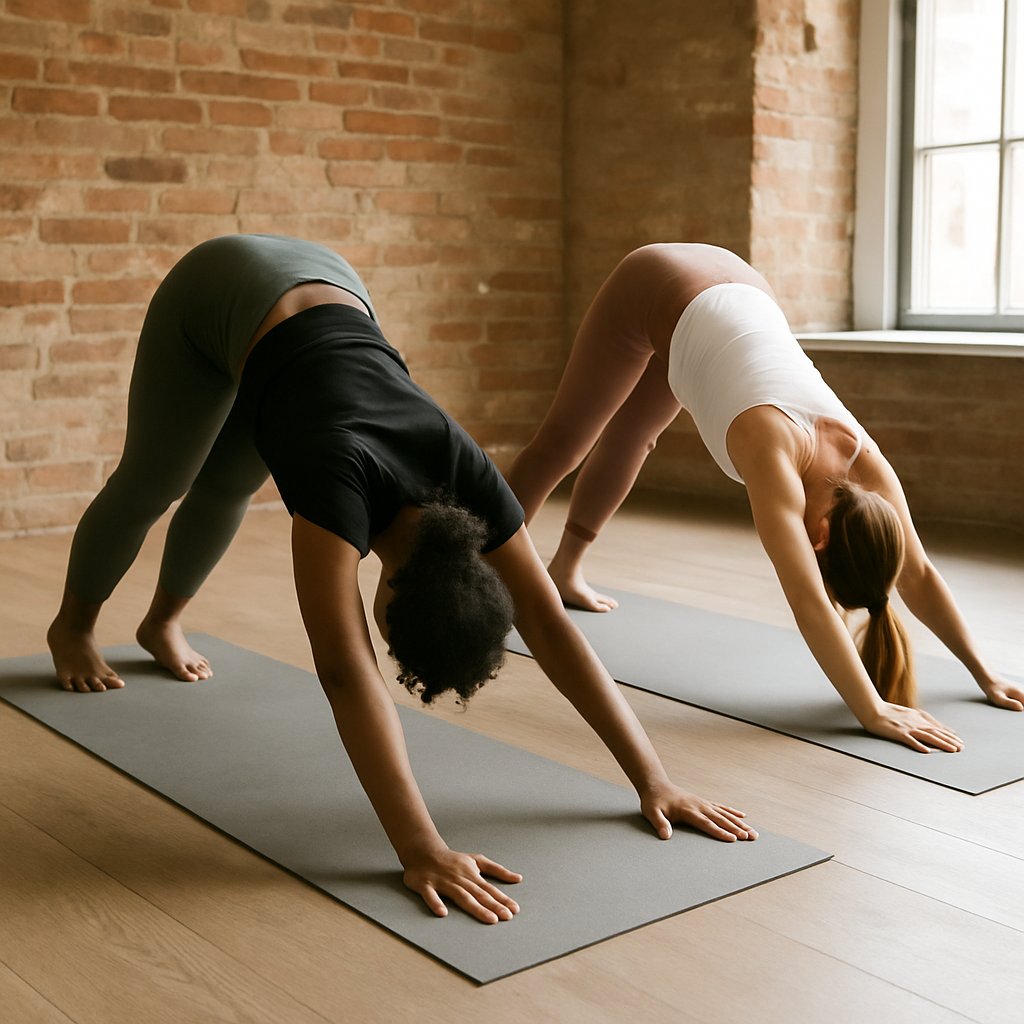
Yoga combines gentle movement, stretching, and mindful breathing, making it ideal for PMS relief.
Child’s Pose (Balasana) This restorative pose helps relieve lower back pain and cramping while promoting relaxation.
Cat-Cow Pose The gentle spinal movement helps release tension in the lower back and can ease cramping.
Legs-Up-The-Wall Pose (Viparita Karani) This inversion helps reduce bloating and swelling while promoting relaxation.
Supine Spinal Twist Gentle twisting movements can help with digestion and reduce bloating while releasing lower back tension.
Targeted Stretching for Common PMS Symptoms
Hip Flexor Stretches Tight hip flexors can contribute to lower back pain during menstruation. Gentle lunges and hip flexor stretches can provide significant relief.
Lower Back Stretches Simple stretches like knee-to-chest pulls and gentle spinal twists can help alleviate the lower back pain that often accompanies PMS.
Neck and Shoulder Releases Tension headaches are common during PMS. Gentle neck rolls and shoulder stretches can help prevent and relieve these headaches.
Strength Training: Light and Effective
While intense strength training might not feel appealing during PMS, light resistance work can be beneficial.
Bodyweight Exercises Gentle squats, modified push-ups, and wall sits can help maintain muscle engagement without overexertion.
Light Weight Training Using lighter weights than usual with higher repetitions can help maintain strength while being mindful of your body’s current state.
Core Work Gentle core exercises like modified planks or pelvic tilts can help support your lower back and reduce cramping.
What to Avoid During PMS
High-Intensity Workouts While some people can handle intense exercise during PMS, many find it exacerbates symptoms. Listen to your body and scale back intensity when needed.
Exercises That Increase Abdominal Pressure Heavy lifting or exercises that significantly increase intra-abdominal pressure might worsen cramping for some individuals.
Dehydrating Activities Hot yoga or other activities that promote excessive sweating might worsen bloating and discomfort.
Creating Your PMS Exercise Plan
Listen to Your Body The most important rule is to pay attention to how you feel. What works one cycle might not work the next, and that’s completely normal.
Start Small Begin with 10-15 minutes of gentle activity and gradually increase as you feel comfortable.
Consistency Over Intensity Regular, gentle movement is more beneficial than sporadic intense workouts during PMS.
Track Your Symptoms Keep a journal of which exercises help most with your specific symptoms to develop a personalized approach.
The Mind-Body Connection
Exercise during PMS isn’t just about physical relief. The mental health benefits are equally important. Physical activity can help combat the mood swings, irritability, and anxiety that often accompany PMS. The sense of accomplishment from completing a workout, even a gentle one, can provide a much-needed mood boost.
When to Rest Instead
While exercise can be incredibly helpful for PMS, there are times when rest is more appropriate. If you’re experiencing severe cramping, heavy bleeding, or extreme fatigue, it’s okay to take a complete rest day. The goal is to support your body, not push through significant discomfort.
Making It Sustainable
The key to using exercise for PMS relief is finding activities you actually enjoy and can maintain consistently. This might mean having a different workout routine for different phases of your cycle, and that’s perfectly fine. Some people prefer more vigorous exercise during the first half of their cycle and gentler activities during PMS and menstruation.
Final Thoughts
Remember that managing PMS is highly individual, and what works for one person may not work for another. Exercise is just one tool in your PMS management toolkit, alongside proper nutrition, adequate sleep, stress management, and when necessary, medical intervention.
The most effective exercise for PMS relief is the one you’ll actually do. Whether that’s a gentle yoga flow, a walk around the block, or some light stretching in your living room, moving your body mindfully during PMS can provide significant relief and help you feel more in control during a challenging time.
Start where you are, listen to your body, and be patient with yourself as you discover what works best for your unique needs.