Table of Contents
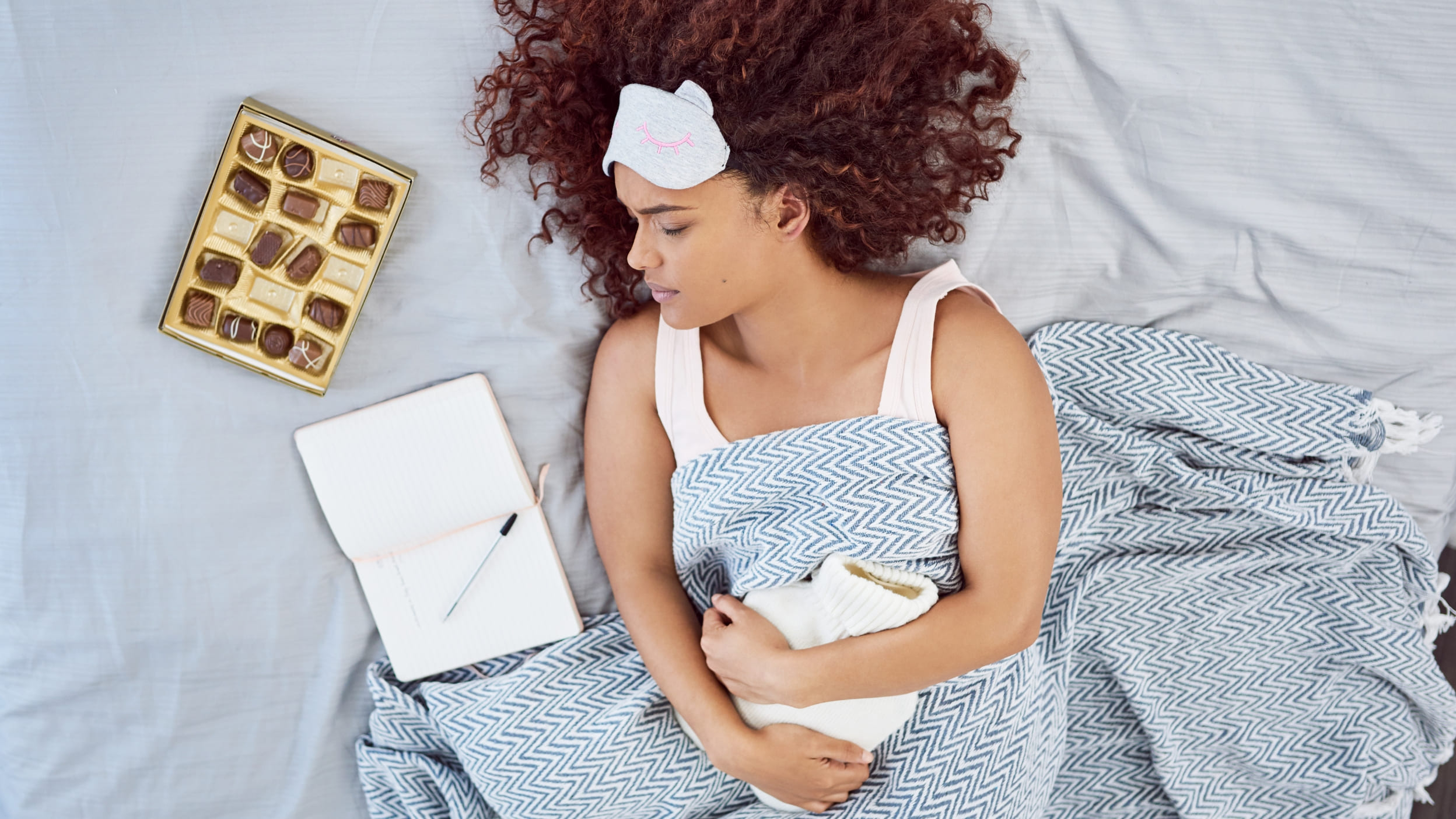
Every month, a few days before my period, I used to feel completely at the mercy of my cravings. It always started the same way: I’d feel tired, irritable, and strangely hungry even after eating well all week. Why skipping meals makes pms cravings much worse. By late afternoon, I’d be reaching for chocolate or chips, and by evening, I’d be frustrated with myself for losing control.
For years, I thought it was just about discipline. I told myself I needed more willpower. But that approach never worked because cravings during PMS aren’t just about habits; they’re about hormones and blood sugar.
During the luteal phase, your metabolism actually speeds up and your body burns more calories. Your progesterone rises, your estrogen falls, and your serotonin dips. These changes alter appetite and mood regulation, which is why you might crave carbs and sugar more than usual. Your body isn’t being dramatic; it’s looking for fast fuel to balance low serotonin and blood sugar levels.
Once I realized my cravings were a signal, not a flaw, I started paying attention to when and why they happened. And that awareness became the turning point.
What Happens When You Skip Meals Before Your Period
Skipping meals before your period is one of the biggest mistakes I used to make without realizing it. I’d get busy, skip breakfast, grab coffee, and push through lunch thinking I was “saving calories.” But by evening, I’d be starving and eating anything in sight.
Here’s what I learned: when you skip meals during PMS, you’re not just delaying hunger, you’re triggering a chain reaction that intensifies it later. Skipping meals lowers your blood sugar, and your body responds by increasing cortisol, the stress hormone, and ghrelin, the hunger hormone. These changes make you crave fast-acting energy like sugar and refined carbs.
On top of that, PMS already increases your energy needs, so skipping meals is like pouring fuel on an emotional fire. You end up hungrier, moodier, and more prone to bingeing.
I used to wonder why a single skipped lunch would lead to me devouring half a bag of pretzels later. Now I know my body wasn’t “weak,” it was trying to survive an energy shortage in a hormonally sensitive phase. Once I started eating regularly, my cravings became much more manageable.
How Blood Sugar and Hormones Interact
Your blood sugar and hormones are in constant communication. When you eat regularly, glucose levels stay stable, and your energy, mood, and appetite follow. But when you skip meals, that balance falls apart.
| Balanced Eating | Skipping Meals |
| Steady energy levels | Energy crashes and fatigue |
| Stable mood | Irritability and anxiety |
| Controlled appetite | Intense sugar and carb cravings |
| Consistent metabolism | Hormonal stress response activated |
During the luteal phase, your body becomes more sensitive to drops in blood sugar. Because estrogen levels decline, insulin sensitivity changes, meaning your body doesn’t use sugar as efficiently for energy. If you skip meals, your brain quickly perceives this as an energy crisis and sends powerful hunger signals.
I remember reading about this and realizing how many times I’d unknowingly set myself up for failure. I wasn’t “failing my diet”; my body was just trying to protect me. When I started giving my body steady fuel throughout the day, my cravings and mood swings dramatically decreased.
Why Skipping Meals Makes PMS Cravings Worse
Skipping meals doesn’t just make you hungry; it makes your hormones panic. When your body doesn’t get consistent fuel, it releases cortisol to raise blood sugar. Cortisol works like an emergency backup system, but it also intensifies stress and emotional reactivity. That’s why you feel edgy, tired, and desperate for sweets.
I’ve seen this pattern play out countless times with clients too. The ones who restrict calories or skip meals to “stay healthy” before their period often end up craving more, eating more, and feeling worse afterward. It’s not about willpower; it’s about physiology.
Low blood sugar triggers cravings for quick energy foods like bread, pasta, or chocolate because your brain runs on glucose. It’s trying to help you feel better fast. The problem is, those foods cause blood sugar spikes and crashes, making PMS symptoms even worse.
When I started eating small, balanced meals throughout the day instead of skipping, I noticed something incredible: my cravings stopped feeling urgent. I could have chocolate if I wanted to, but I no longer needed it to feel okay.
My Personal Experience With Skipping Meals During PMS
Before I learned about cycle syncing, my eating habits were totally random. I’d push through the day without food, live on coffee, and then crash hard in the evening. During PMS, this cycle hit even harder. I’d find myself feeling emotionally drained and ravenous at night, wondering what was wrong with me.
Once I began tracking my menstrual cycle, the connection became obvious. My luteal phase was when everything fell apart, my energy dipped, my sleep got worse, and my cravings spiked. I started experimenting with meal timing and realized how powerful consistency was.
I stopped skipping breakfast and began prioritizing protein and slow-digesting carbs early in the day. Within a week, my evening cravings softened. I felt less moody, less foggy, and more in control of my choices.
There was one moment that really stuck with me. I remember standing in front of my pantry one evening, realizing I wasn’t fighting the same urge to grab everything in sight. My body finally felt nourished. That was the moment I understood how much of my emotional eating had been my biology, not my mindset.
What to Eat to Keep Cravings Under Control
When I shifted from skipping meals to eating intentionally, the difference was immediate. The key wasn’t cutting out foods; it was balancing them. Here’s what helped me most during PMS:
1. Prioritize protein
Protein keeps blood sugar stable and reduces sugar cravings. I aim for 20 to 30 grams per meal. My go-to options are eggs, Greek yogurt, lentils, and chicken.
2. Choose complex carbohydrates
Whole grains, oats, quinoa, and sweet potatoes provide slow-burning energy. These keep your brain fueled without causing spikes and crashes.
3. Include healthy fats
Avocados, olive oil, nuts, and seeds help stabilize hormones and promote satiety. Fats also slow digestion, which keeps you full longer.
4. Eat regularly
I eat every 3 to 4 hours to prevent dips in blood sugar. If I’m working or traveling, I carry nuts, fruit, or protein bars.
5. Stay hydrated
Dehydration can mimic hunger, and water helps reduce bloating. I also sip on herbal teas like chamomile and peppermint for calm and digestion.
Here’s what a balanced PMS-friendly day of eating looks like for me:
| Meal | What I Eat | Why It Helps |
| Breakfast | Oatmeal with chia seeds, banana, and almond butter | Provides steady energy and healthy fats |
| Lunch | Quinoa bowl with salmon, avocado, and roasted veggies | Protein and omega-3s support hormones |
| Snack | Greek yogurt with berries and walnuts | Keeps blood sugar balanced |
| Dinner | Chicken stir-fry with brown rice and greens | Nourishing and grounding for the luteal phase |
| Evening Snack | Dark chocolate and herbal tea | Satisfies cravings without spiking sugar |
When I follow this pattern, I feel balanced, not deprived. My energy stays stable, and my cravings feel manageable instead of consuming.
How to Build a PMS-Friendly Meal Routine
If you struggle with PMS cravings, start with structure. It doesn’t have to be complicated. The goal is to prevent long gaps between meals and fuel your body with nutrients that support your hormones.
Here’s what helped me build consistency:
- Eat within an hour of waking up. This sets the tone for stable blood sugar all day.
- Plan your meals ahead. I prepare easy snacks so I don’t rely on last-minute choices.
- Listen to hunger cues. PMS increases appetite for a reason, your body needs more energy.
- Don’t restrict. The more you deny yourself, the stronger cravings become. Choose balance instead.
- Pair carbs with protein and fat. This combination slows digestion and reduces sugar spikes.
Once I started treating my meals as hormonal support instead of calorie management, I noticed how much better I felt, both physically and emotionally. PMS stopped feeling like a battle and started feeling like a cue for extra care.
FAQs
Why do I crave sweets and carbs when I skip meals during PMS?
When blood sugar drops, your brain craves fast energy from sugar and carbs. Hormonal changes make this effect stronger before your period.
Does skipping breakfast make PMS cravings worse?
Yes. Skipping breakfast leads to low blood sugar, which increases cortisol and cravings later in the day.
How can I stop overeating during PMS?
Eat balanced meals with protein, fats, and complex carbs every 3 to 4 hours. Staying nourished prevents emotional hunger.
Is it normal to feel hungrier before my period?
Absolutely. Your metabolism increases slightly in the luteal phase, so your body needs more calories and nutrients.
Final Thoughts
For a long time, I saw my PMS cravings as something I had to control. Now I see them as communication from my body, a reminder that it needs nourishment, not restriction.
Skipping meals only made my symptoms worse. It threw my hormones off balance and made me feel disconnected from my body. Once I started eating consistently, everything changed. My energy steadied, my cravings softened, and I finally felt in sync with my cycle.
PMS doesn’t have to feel chaotic. When you fuel your body with consistency, balance, and compassion, you gain more control over your cravings and your mood. Listen to your body, it’s always trying to guide you toward balance.