Table of Contents
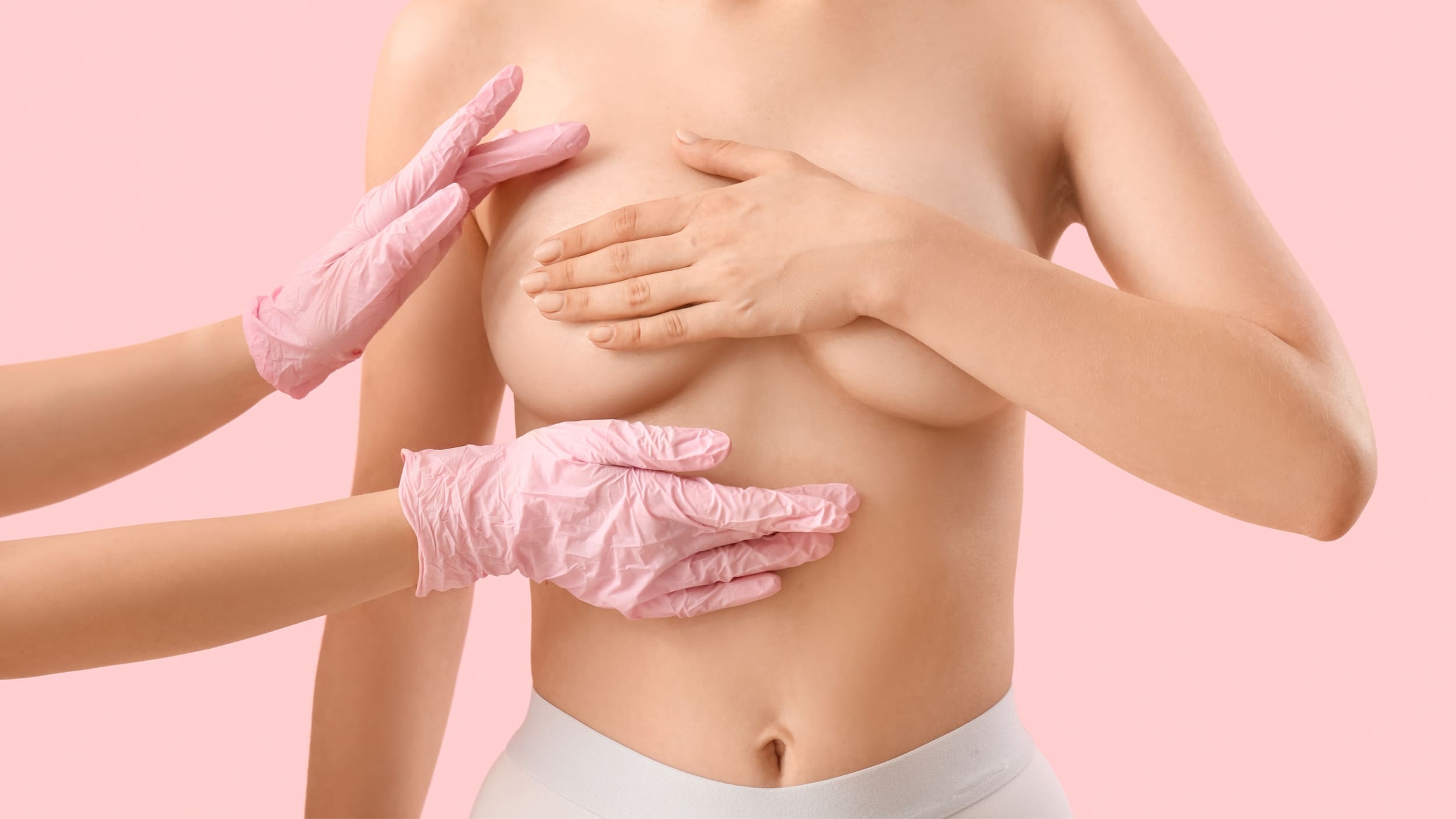
If your breasts feel sore, swollen, or unusually heavy before your period, I promise you’re not imagining it. PMS breast tenderness can feel like your chest is suddenly more aware of every movement, touch, or tight shirt. Why pms breast tenderness appears so strongly. Even sleeping on your stomach or hugging someone can feel uncomfortable.
I’ve experienced this countless times myself. Some months, it’s barely noticeable, and other times, it feels like my breasts have grown overnight. It’s one of those PMS symptoms that’s both physical and emotional because it can make you feel uncomfortable in your own skin.
Most women don’t realize that this kind of soreness has a rhythm. It’s not random, and it’s not just hormones acting up. It’s your body responding to specific hormonal changes that happen naturally in the days before your period. Once I understood why it was happening, it stopped feeling mysterious and started making sense.
I also noticed that when I took better care of my body, especially with stress and nutrition, the tenderness wasn’t nearly as bad. Over time, I learned how to predict when it would show up and what I could do to ease it.
What’s Actually Happening During the Luteal Phase
The luteal phase is the second half of your cycle, starting right after ovulation and lasting until your next period. During this time, your body increases progesterone and estrogen to prepare for a possible pregnancy. These hormonal shifts directly affect breast tissue.
Estrogen helps grow and enlarge the breast ducts, while progesterone causes the milk glands to swell. Together, they make the breasts feel full, dense, and more sensitive to touch. You may also notice they look slightly bigger or heavier than usual.
Fluid retention adds to the discomfort. The body tends to hold onto water during this phase, and the extra fluid can make breast tissue feel swollen or tender. That’s why breast pain before your period is often worse when you’re also feeling bloated.
For me, tenderness usually starts about a week after ovulation. It peaks a few days before my period and then disappears like magic once bleeding begins. When I began tracking my symptoms, I saw this pattern clearly, and it helped me plan ahead.
Sometimes, though, my symptoms hit harder, like during stressful months or when I’ve had more caffeine or less sleep. Those small factors can amplify what’s already happening hormonally.
Hormonal Triggers Behind Breast Pain and Swelling
When I first started learning about my cycle, I didn’t realize how much hormones influence every part of the body, including the breasts. Even small hormonal shifts can trigger noticeable physical changes.
Here’s what’s going on inside:
| Hormone | Effect on Breasts | Result |
| Estrogen | Expands breast ducts | Soreness and fullness |
| Progesterone | Enlarges milk glands | Heaviness and tenderness |
| Prolactin | Stimulates breast tissue | Sensitivity and tightness |
| Fluid retention | Caused by hormone shifts | Puffiness or pressure |
During the luteal phase, your body prepares as if you might be pregnant, even if you’re not. The increase in estrogen and progesterone thickens the uterine lining and affects breast tissue in the same way. When these hormone levels drop before your period, the tissue relaxes again, and the soreness fades.
I’ve found that stress and caffeine make my symptoms worse. When cortisol, your stress hormone, rises, it disrupts how estrogen and progesterone interact. That imbalance leads to more bloating and more premenstrual breast discomfort.
Even lack of sleep can have an impact. When I’m tired, my hormones feel off, my cravings spike, and my body holds onto more water. It’s all connected.
How Long PMS Breast Tenderness Usually Lasts
For most women, PMS breast tenderness starts about 7 to 10 days before the period begins and eases once bleeding starts. It’s part of the natural hormonal rhythm of your cycle.
In my experience, the discomfort builds gradually. At first, it’s a little soreness, like after a light workout, but then it becomes more noticeable as your hormones peak. Then, the day my period starts, it’s like everything resets.
That said, not every cycle feels the same. Some months, I have tenderness for only a few days; other months, it lasts almost two weeks. Usually, the difference comes down to how I’ve treated my body during that cycle, things like sleep, caffeine, hydration, and stress.
If your tenderness doesn’t fade after your period or happens throughout your entire cycle, it’s worth tracking to understand patterns. Sometimes, it’s just your body reacting to stress or a nutrient imbalance, but it helps to be aware.
Why Some Cycles Hurt More Than Others
It’s easy to think the soreness is random, but in my experience, there’s always a reason. The intensity of breast tenderness during the luteal phase often reflects what’s happening in your lifestyle.
When I’m sleeping well, eating balanced meals, and staying active, my symptoms are barely noticeable. But during stressful months, or when I drink more coffee and eat more salty food, my breasts feel fuller, more sensitive, and sometimes even itchy.
Estrogen dominance can also play a role. If your estrogen levels are higher relative to progesterone, you may notice stronger breast pain before your period. This imbalance can be triggered by stress, processed foods, or exposure to environmental toxins like plastics.
Movement helps a lot. Even a gentle walk or yoga session seems to improve circulation and reduce water retention. I used to skip workouts when I felt sore, but I’ve found that light movement actually helps me feel better faster.
Some women also experience more tenderness when they ovulate from one side than the other. I’ve noticed this too; sometimes one breast feels more swollen than the other, depending on which ovary released an egg that month.
The Role of Lifestyle, Diet, and Stress
Lifestyle habits can either ease or worsen hormonal breast pain. When I started making small adjustments, the difference was dramatic within just a few months.
Here’s what’s helped me the most:
- Cutting caffeine: I used to rely on coffee to power through the day, but I noticed my breast tenderness got worse. Switching to herbal tea or matcha during my luteal phase made a noticeable difference.
- Reducing salt: Less salt means less water retention. Now I flavor my food with lemon, garlic, or herbs instead.
- Getting more magnesium and B6: These nutrients support hormone balance and calm the nervous system. I eat more bananas, spinach, and pumpkin seeds before my period.
- Prioritizing sleep: Sleep resets cortisol levels and keeps hormones in sync. When I skip rest, my PMS symptoms double in intensity.
- Managing stress: Journaling, walks, and slow breathing work better than I ever expected. My symptoms are always lighter when I’m calm.
Most women don’t realize how much daily habits affect PMS. Once I started treating my luteal phase as a time for rest and gentle care instead of pushing through it, my symptoms became far more manageable.
Relief Strategies That Really Work
When the heaviness and soreness hit, I focus on comfort and care. Over time, I’ve found a few reliable strategies that help ease tenderness naturally.
- Warm compresses or showers: The warmth improves circulation and helps relax tight tissue.
- Gentle self-massage: Light pressure in circular motions promotes lymph flow and reduces swelling.
- Epsom salt baths: Magnesium absorbed through the skin can ease pain and calm the body.
- Evening primrose oil: I take this during the luteal phase, and it helps with both breast tenderness and mood.
- Supportive clothing: I swap tight bras for soft bralettes or go braless at home. Less pressure means less irritation.
- Anti-inflammatory foods: Salmon, turmeric, berries, and avocado keep inflammation low and ease soreness.
- Stay hydrated: Drinking plenty of water actually reduces puffiness and helps flush excess hormones naturally.
The biggest lesson I’ve learned is that consistency matters more than quick fixes. When I stick with these habits, even small ones, my PMS symptoms feel lighter month after month.
When to Pay Closer Attention
Occasional tenderness is normal, but persistent or severe pain that lasts beyond your period deserves attention. If one breast feels significantly different from the other, or if you notice a lump that doesn’t go away after your cycle, track it carefully.
Most PMS-related breast pain is hormonal and harmless. Still, I’ve learned that awareness is empowering. When you understand your body’s patterns, you can tell when something feels off.
Sometimes, hormonal breast changes can feel like new lumps or textures. These often resolve after your period, but if they don’t, it’s worth checking further. Always trust your instincts because you know your body best.
FAQs
Q1: Are breast lumps normal during PMS?
Yes, small, moveable lumps or thickened areas are common before your period due to fluid buildup. They usually fade once your period starts.
Q2: Can diet or lifestyle affect PMS breast tenderness?
Absolutely. Reducing caffeine, processed foods, and salt helps a lot. A diet rich in magnesium, leafy greens, and healthy fats supports hormone balance and reduces discomfort.
Q3: What helps relieve breast tenderness before menstruation?
Warm compresses, Epsom salt baths, evening primrose oil, and hydration can all help. I also find that gentle massage and wearing softer clothing make a big difference.
Final Thoughts
For years, I thought PMS breast tenderness was just something I had to endure. But once I started tracking my cycle, supporting my hormones, and paying attention to my body, everything changed.
Now I see tenderness as a signal, not a problem. It’s my body’s way of communicating when it needs more rest, hydration, or care. When I honor that, I feel calmer, less sore, and more in sync with myself.
Most women underestimate how much power they have over their PMS symptoms. It’s not about perfection, it’s about awareness. When you understand what’s happening in your cycle and support your body with small, consistent changes, the tenderness becomes manageable instead of miserable.
Your body isn’t working against you. It’s simply asking for balance. When you listen, the discomfort softens, your energy stabilizes, and you feel more connected to your natural rhythm.