Table of Contents
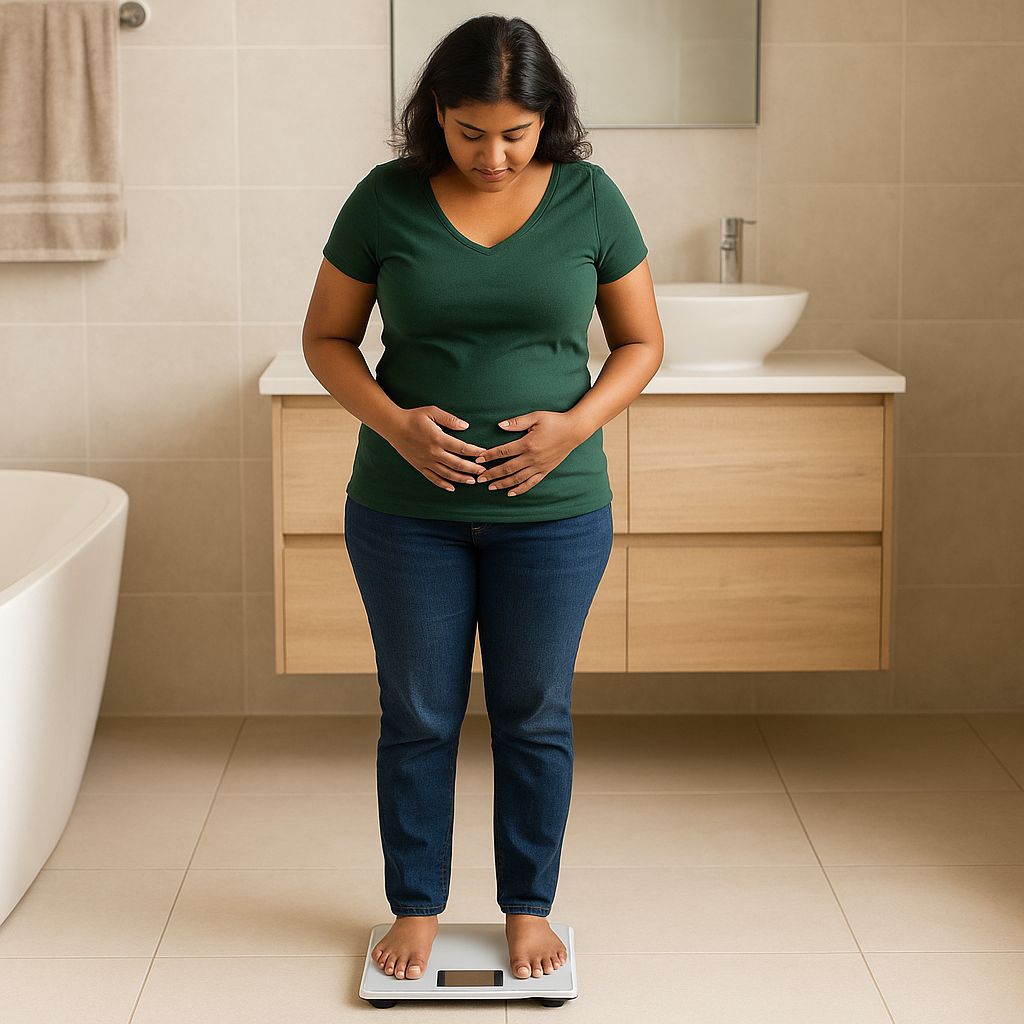
Many women notice weight fluctuations throughout their menstrual cycle, with weight often increasing in the days leading up to and during their period. This temporary weight gain is completely normal and affects up to 92% of women, typically ranging from 1-5 pounds.
Understanding why this happens, when it’s normal, and how to manage these fluctuations can help reduce anxiety about temporary weight changes and support overall health and wellbeing.
The Science Behind Period Weight Gain
Period-related weight gain is primarily caused by hormonal fluctuations that occur throughout the menstrual cycle, leading to water retention, changes in bowel movements, and increased appetite.
Primary Mechanisms of Period Weight Gain
Water retention (most significant factor):
- Hormonal changes cause the body to retain extra fluid
- Can account for 1-4 pounds of temporary weight increase
- Primarily affects the abdomen, breasts, hands, and feet
- Usually resolves within 2-3 days of period starting
Digestive changes:
- Hormonal fluctuations can slow bowel movements
- Constipation can contribute to feeling heavier
- Changes in gut motility affect how food moves through the system
- Can add 1-2 pounds temporarily
Increased food intake:
- Hormonal changes often increase appetite and cravings
- Particularly strong cravings for carbohydrates and salt
- Can lead to consuming 100-500 extra calories per day
- May contribute to both temporary and longer-term weight changes
Breast tissue changes:
- Hormonal fluctuations cause breast tissue to retain fluid
- Breasts may increase in size and weight
- Can contribute to overall feeling of being heavier
- Usually most noticeable in the luteal phase
How Much Weight Gain Is Normal?
Understanding the normal range of period-related weight fluctuations can help you recognize what’s typical versus what might need medical attention.
Typical Weight Gain Ranges
Most common pattern:
- 1-3 pounds gain in the week before your period
- Weight typically peaks 1-2 days before period starts
- Returns to baseline within 2-4 days of period beginning
- Total fluctuation range: 1-5 pounds throughout the cycle
Individual variations:
- Some women may gain up to 5 pounds temporarily
- Others may notice minimal change (less than 1 pound)
- Patterns often remain consistent for individuals over time
- May vary slightly from cycle to cycle
Factors affecting amount of weight gain:
- Age and reproductive stage
- Overall health and fitness level
- Sensitivity to hormonal changes
- Dietary habits and lifestyle factors
- Use of hormonal contraceptives
What’s Considered Excessive
Concerning weight gain patterns:
- Gain of more than 5-7 pounds consistently
- Weight that doesn’t return to baseline after period ends
- Progressive weight gain cycle after cycle
- Sudden changes in established weight patterns
When weight gain may indicate problems:
- Accompanied by severe swelling in hands, feet, or face
- Associated with severe abdominal bloating or pain
- Coincides with other concerning symptoms
- Represents a significant change from your normal pattern
Timeline of Weight Changes Throughout Your Cycle
Weight fluctuations follow predictable patterns throughout the menstrual cycle, corresponding to hormonal changes.
Menstrual Phase (Days 1-5)
Weight pattern:
- Often starts at the highest point of the cycle
- Typically begins decreasing by day 2-3 of period
- Returns to baseline by end of menstruation
- May reach the lowest point of the cycle
Why this happens:
- Water retention begins to resolve as hormone levels drop
- Bloating and constipation typically improve
- Breast tenderness and swelling decrease
- Appetite and cravings often normalize
Follicular Phase (Days 6-14)
Weight pattern:
- Generally stable at lower end of personal range
- Minimal fluctuations during this phase
- Often considered “true” weight by many women
- May gradually increase slightly toward ovulation
Why this happens:
- Hormones are relatively stable and rising gradually
- Water retention is typically minimal
- Digestive function usually optimal
- Energy levels often higher, potentially affecting activity
Ovulatory Phase (Days 12-16)
Weight pattern:
- May see slight increase due to ovulation-related changes
- Usually minimal weight fluctuation
- Some women notice mild bloating mid-cycle
- Generally remains stable compared to luteal phase
Why this happens:
- Brief hormonal surge around ovulation
- Some fluid retention may occur
- Changes are typically much less dramatic than luteal phase
- Most women don’t notice significant weight changes
Luteal Phase (Days 15-28)
Weight pattern:
- Gradual weight increase beginning 7-10 days before period
- Steady increase until 1-2 days before menstruation
- Peak weight typically occurs just before period starts
- Can represent 1-5 pound increase from follicular phase
Why this happens:
- Rising progesterone causes increased water retention
- Appetite and cravings increase significantly
- Bowel movements may become less frequent
- Breast tissue retains more fluid
Why You Retain Water During Your Period
Water retention is the primary cause of period-related weight gain, driven by specific hormonal mechanisms.
Hormonal Mechanisms of Water Retention
Progesterone effects:
- Increases during luteal phase after ovulation
- Causes kidneys to retain sodium and water
- Affects cellular permeability, allowing more fluid retention
- Peaks about a week before menstruation
Estrogen fluctuations:
- Can affect fluid balance and distribution
- Influences how the body processes salt and water
- Changes throughout the cycle contribute to retention patterns
- Dramatic drops before menstruation affect fluid regulation
Aldosterone interactions:
- Hormone that regulates sodium and water balance
- Can be influenced by reproductive hormones
- May contribute to increased water retention premenstrually
- Works with other hormones to affect fluid balance
Where Water Retention Occurs
Abdominal area:
- Most noticeable location for many women
- Can cause significant bloating and discomfort
- May make clothes feel tighter around waist
- Often resolves quickly once period begins
Breast tissue:
- Common site for cyclical fluid retention
- Can cause increased breast size and tenderness
- Often most noticeable in the week before period
- Usually resolves within days of menstruation starting
Hands and feet:
- May notice rings feeling tighter
- Shoes might feel snug
- Can cause mild swelling or puffiness
- Usually mild compared to abdominal retention
Facial area:
- Some women notice mild facial puffiness
- May be more pronounced upon waking
- Can affect how the face looks in photos
- Typically resolves quickly with period onset
Hormones That Affect Your Weight
Multiple hormones contribute to weight fluctuations throughout the menstrual cycle.
Primary Reproductive Hormones
Estrogen:
- Affects fat distribution and water retention
- Influences appetite and food cravings
- Can affect insulin sensitivity
- Fluctuates significantly throughout cycle
Progesterone:
- Major contributor to water retention
- Affects bowel function and digestion
- Can increase appetite, particularly for carbohydrates
- Levels peak in luteal phase before dropping dramatically
Testosterone:
- Small amounts produced by ovaries
- Can affect muscle mass and metabolism
- Fluctuates throughout cycle
- May influence appetite and energy levels
Secondary Hormones Affecting Weight
Insulin:
- Sensitivity can change throughout menstrual cycle
- Affected by reproductive hormone fluctuations
- Influences how body processes and stores carbohydrates
- Changes may contribute to cravings and weight fluctuations
Cortisol (stress hormone):
- Can be elevated during PMS periods
- Contributes to water retention and appetite changes
- Affected by menstrual cycle stress and discomfort
- May worsen period-related weight fluctuations
Thyroid hormones:
- Can be influenced by reproductive hormones
- Affect overall metabolism and weight regulation
- May contribute to cycle-related weight changes
- Important to consider if weight fluctuations are excessive
Leptin and ghrelin (hunger hormones):
- Fluctuate throughout menstrual cycle
- Affect appetite and satiety signals
- May contribute to increased food intake during luteal phase
- Influenced by reproductive hormone changes
Bloating vs Actual Weight Gain
It’s important to distinguish between actual weight gain and the feeling of being heavier due to bloating and water retention.
Understanding Bloating
What causes period bloating:
- Water retention in abdominal tissues
- Slowed digestion and bowel movements
- Gas retention due to hormonal effects on gut motility
- Inflammation from hormonal changes
How bloating feels:
- Abdominal distension and tightness
- Clothes feeling snug around waist
- Feeling “full” even when hungry
- Discomfort that may come and go
Bloating vs weight gain:
- Bloating primarily affects how you feel and look
- Actual weight gain shows on the scale
- Both can occur simultaneously during periods
- Bloating often resolves faster than scale weight
Measuring True Weight Changes
Best practices for accurate weighing:
- Weigh yourself at the same time of day
- Use the same scale in the same location
- Wear similar clothing or weigh naked
- Track trends over time rather than daily fluctuations
Understanding scale fluctuations:
- Daily weight can vary 1-4 pounds normally
- Period-related changes are temporary
- Focus on patterns rather than individual readings
- Consider how you feel in addition to scale weight
Food Cravings and Period Weight
Hormonal changes during the menstrual cycle significantly affect appetite, food preferences, and eating behavior.
Why Cravings Occur
Biological mechanisms:
- Falling serotonin levels increase carbohydrate cravings
- Progesterone affects appetite-regulating hormones
- Blood sugar fluctuations may increase hunger
- Body may require slightly more calories during luteal phase
Common craving patterns:
- Carbohydrates (bread, pasta, sweets)
- Chocolate and sugary foods
- Salty snacks and processed foods
- Comfort foods and familiar favorites
Psychological factors:
- Emotional eating in response to PMS symptoms
- Stress eating due to discomfort or mood changes
- Social and cultural associations with comfort foods
- Learned patterns of eating during difficult periods
Impact on Weight
Caloric increases:
- Many women consume 100-500 extra calories daily during luteal phase
- Cravings often lead to less nutritious food choices
- Increased portion sizes may occur unconsciously
- Can contribute to both temporary and longer-term weight changes
Types of weight gain from food:
- Immediate: Extra food volume and increased bowel contents
- Short-term: Increased glycogen storage from carbohydrate intake
- Longer-term: Actual fat storage if calories consistently exceed needs
- Water retention: High-sodium foods can worsen fluid retention
Managing Cravings Without Significant Weight Gain
Healthy strategies:
- Choose complex carbohydrates over simple sugars
- Include protein with carbohydrate snacks
- Stay hydrated to help distinguish hunger from thirst
- Practice portion control while allowing some indulgence
Timing considerations:
- Eat regular meals to prevent excessive hunger
- Plan for increased appetite during luteal phase
- Consider slightly smaller portions during follicular phase
- Balance indulgences with nutritious choices
When Period Weight Gain Isn’t Normal
While most period-related weight fluctuations are normal, certain patterns may indicate underlying health issues.
Signs of Abnormal Weight Gain
Excessive amounts:
- Consistently gaining more than 5-7 pounds
- Weight gain that’s significantly more than previous patterns
- Rapid weight gain over 24-48 hours
- Weight that continues increasing rather than stabilizing
Concerning patterns:
- Weight that doesn’t return to baseline after period
- Progressive weight gain cycle after cycle
- Sudden changes in established patterns
- Weight gain accompanied by other severe symptoms
Associated symptoms that warrant evaluation:
- Severe swelling in face, hands, or feet
- Difficulty breathing or chest pain
- Severe abdominal pain or bloating
- Signs of heart or kidney problems
Underlying Conditions That May Cause Abnormal Period Weight Gain
Hormonal disorders:
- Thyroid dysfunction (hypothyroidism)
- Polycystic ovary syndrome (PCOS)
- Insulin resistance or diabetes
- Adrenal disorders
Cardiovascular conditions:
- Heart failure or cardiac issues
- Blood pressure problems
- Circulation disorders
- Medication side effects
Kidney or liver problems:
- Reduced kidney function
- Liver disease affecting fluid balance
- Medication effects on kidney function
- Electrolyte imbalances
Medication effects:
- Hormonal contraceptives
- Antidepressants
- Blood pressure medications
- Anti-inflammatory drugs
Age-Related Changes in Period Weight Fluctuations
Period-related weight changes can vary significantly depending on your age and reproductive stage.
Teenagers and Young Adults (Ages 13-25)
Typical patterns:
- Weight fluctuations may be more unpredictable
- Cycles often irregular, making patterns harder to identify
- May experience more dramatic swings as hormones stabilize
- Often less aware of cycle-related changes initially
Special considerations:
- Normal growth and development affects baseline weight
- Eating patterns may be less consistent
- Physical activity levels often higher
- May need education about normal cycle changes
Reproductive Years (Ages 25-40)
Typical patterns:
- Most predictable and consistent weight fluctuations
- Usually develop clear patterns that remain stable
- May increase slightly with age
- Often most aware of personal patterns
Factors that may affect patterns:
- Pregnancy and breastfeeding history
- Weight changes and fitness levels
- Stress and lifestyle factors
- Use of hormonal contraceptives
Perimenopause (Ages 40-55)
Changing patterns:
- Weight fluctuations may become more unpredictable
- Baseline weight may increase due to metabolic changes
- Cycles become irregular, affecting weight patterns
- May experience new or worsened symptoms
Special considerations:
- Difficulty distinguishing period weight from perimenopausal changes
- May require different management strategies
- Increased risk of other health conditions affecting weight
- Hormonal changes may worsen water retention
Postmenopause
After periods stop:
- Cyclical weight fluctuations typically cease
- Weight may stabilize at new baseline
- Other factors become more important for weight management
- May notice improvement in previous cycle-related issues
How to Manage Normal Period Weight Gain
While period weight gain is normal, various strategies can help minimize discomfort and fluctuations.
Dietary Strategies
Reduce water retention:
- Limit sodium intake, especially in luteal phase
- Increase potassium-rich foods (bananas, leafy greens)
- Stay well-hydrated throughout your cycle
- Reduce refined carbohydrates and processed foods
Manage cravings healthily:
- Choose complex carbohydrates over simple sugars
- Include protein with meals and snacks
- Allow small portions of craved foods rather than restriction
- Plan satisfying meals to prevent excessive snacking
Timing considerations:
- Eat regular meals to maintain stable blood sugar
- Consider slightly smaller portions during follicular phase
- Increase fiber intake to help with digestion
- Limit caffeine and alcohol which can worsen bloating
Exercise and Movement
Benefits for period weight:
- Helps reduce water retention
- Improves circulation and reduces bloating
- Can help manage stress and mood
- Maintains healthy metabolism
Appropriate activities:
- Gentle cardio like walking or swimming
- Yoga or stretching to help with bloating
- Strength training to maintain muscle mass
- Activities you enjoy and will stick with consistently
Exercise considerations during periods:
- Listen to your body and adjust intensity
- Stay hydrated, especially during heavier flow days
- Use appropriate menstrual products for comfort
- Don’t use exercise to “punish” yourself for weight gain
Lifestyle Modifications
Sleep and stress management:
- Maintain consistent sleep schedule
- Practice stress reduction techniques
- Get adequate rest, especially during symptomatic periods
- Manage stress which can worsen weight fluctuations
Hydration:
- Drink plenty of water throughout your cycle
- Herbal teas can help with bloating and comfort
- Limit beverages that may worsen bloating
- Monitor urine color as a hydration indicator
Clothing and comfort:
- Choose comfortable, stretchy clothing during bloating periods
- Avoid restrictive waistbands that worsen discomfort
- Have “period clothes” that fit well during these times
- Focus on comfort rather than appearance during difficult days
Weighing Yourself During Your Cycle
Understanding when and how to weigh yourself can help you track real changes versus normal fluctuations.
Best Practices for Weighing
Timing recommendations:
- Weigh yourself at the same time each day
- Morning after using the bathroom, before eating
- Use the same scale on the same surface
- Wear similar clothing or weigh naked
Frequency considerations:
- Daily weighing can increase anxiety for some women
- Weekly weighing may miss rapid fluctuations
- Some prefer weighing only during follicular phase
- Track trends over time rather than individual readings
Interpreting Weight Changes
Normal fluctuations to expect:
- 1-5 pounds variation throughout cycle
- Highest weight typically before period
- Lowest weight often mid-cycle or after period
- Patterns usually consistent for individuals
When to be concerned:
- Consistent upward trend over multiple cycles
- Weight gain that doesn’t resolve after period
- Sudden dramatic changes in patterns
- Weight changes accompanied by other symptoms
Alternative Measures of Health
Beyond the scale:
- How clothes fit throughout the cycle
- Energy levels and overall wellbeing
- Physical fitness and strength
- Body measurements if desired
Focus on overall health:
- Consistent healthy habits regardless of cycle phase
- Regular physical activity and nutritious eating
- Adequate sleep and stress management
- Positive relationship with your body
When to Consult a Healthcare Provider
While most period-related weight changes are normal, certain situations warrant medical evaluation.
Immediate Medical Attention Needed
Severe symptoms:
- Sudden weight gain of more than 5 pounds in 24-48 hours
- Severe swelling in face, hands, feet, or abdomen
- Difficulty breathing or chest pain with weight gain
- Signs of heart failure or kidney problems
Emergency situations:
- Rapid weight gain with severe abdominal pain
- Swelling with difficulty breathing
- Signs of severe fluid retention with other systemic symptoms
- Any weight gain that feels medically urgent
Routine Medical Consultation Recommended
Concerning patterns:
- Consistently gaining more than 5-7 pounds with periods
- Weight that doesn’t return to baseline after menstruation
- Sudden changes in established weight patterns
- Progressive weight gain cycle after cycle
Associated symptoms:
- Severe bloating that interferes with daily activities
- Significant mood changes related to weight fluctuations
- Eating disorder behaviors triggered by weight changes
- Other concerning menstrual or hormonal symptoms
Underlying health concerns:
- History of heart, kidney, or liver disease
- Taking medications that might affect weight
- Family history of hormonal disorders
- Other symptoms suggesting thyroid or hormonal problems
Questions to Discuss with Your Healthcare Provider
- “Is my period-related weight gain within normal limits?”
- “Could my weight fluctuations indicate an underlying condition?”
- “Are there treatments to help manage severe period weight gain?”
- “How can I distinguish normal fluctuations from concerning changes?”
- “Should I be tracking anything specific about my weight patterns?”
Preparing for Your Appointment
Information to gather:
- 2-3 months of weight tracking data
- List of current medications and supplements
- Description of eating and exercise patterns
- Other menstrual or hormonal symptoms
- Family history of relevant conditions
Conclusion
Period-related weight gain is a normal experience for most women, typically ranging from 1-5 pounds and caused primarily by hormonal changes leading to water retention. Understanding that these fluctuations are temporary and hormonally driven can help reduce anxiety and support a healthy relationship with your body.
Key points to remember:
- Weight gain of 1-5 pounds during your period is completely normal
- Water retention is the primary cause, not actual fat gain
- Weight typically returns to baseline within 2-4 days of period starting
- Patterns are usually consistent for individuals over time
- Excessive or concerning changes warrant medical evaluation
The most important approach is to focus on overall health rather than daily weight fluctuations. Maintaining consistent healthy habits throughout your cycle, understanding your personal patterns, and knowing when to seek medical advice will help you manage period-related weight changes effectively.
Remember that your worth is not determined by the number on the scale, especially during your period when temporary changes are completely normal and expected.
This article is for informational purposes only and should not replace professional medical advice. Always consult with a qualified healthcare provider for personalized medical guidance regarding weight concerns or menstrual health.
Key References:
- American College of Obstetricians and Gynecologists (ACOG)
- International Association for the Study of Pain (IASP)
- Journal of Women’s Health Research
- Royal College of Obstetricians and Gynaecologists (RCOG)