Table of Contents
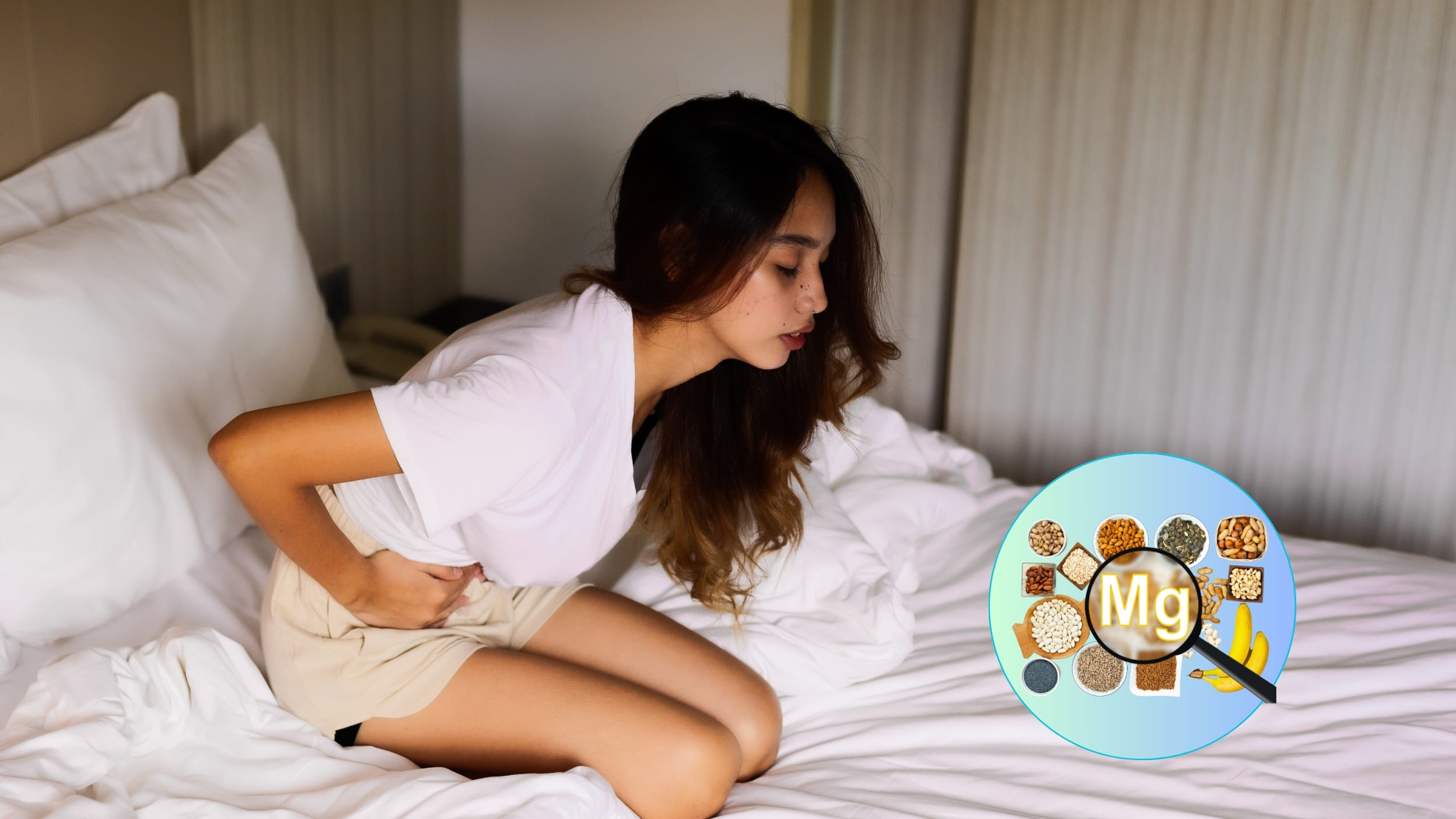
If you’ve ever curled up with a heating pad and wondered why your uterus seems to be punishing you for existing, you’re in good company. I’ve been there. Managing PMS Cramps for years, I accepted the pain as normal a monthly tax on being a woman. But what I eventually learned is that those cramps aren’t random or inevitable. They’re signals.
For most women, PMS cramps are triggered by hormonal fluctuations that occur during the luteal phase the days leading up to your period. During this time, progesterone peaks, estrogen drops, and prostaglandins rise. Prostaglandins are the compounds that cause the uterus to contract and shed its lining. In small amounts, they’re helpful. But when your body produces too many, the contractions intensify, blood flow decreases, and pain increases.
I used to think my cramps were just “bad luck.” In reality, they were feedback from my body that something deeper like stress, inflammation, or mineral deficiency was out of balance.
Understanding What’s Happening in Your Body
When your period approaches, your uterine lining thickens to prepare for a possible pregnancy. If fertilisation doesn’t occur, your body releases prostaglandins to help shed that lining. That’s when cramps begin.
If you experience painful, stabbing sensations or fatigue that knocks you out for days, it’s often linked to high prostaglandin levels or low magnesium. Stress and poor diet can make both worse. Cortisol (your stress hormone) interferes with progesterone, tipping your hormonal balance toward inflammation.
Understanding this process helped me see my cramps not as punishment, but as data a monthly report card from my hormones.
Why Magnesium Became My First Line of Defense
When I first read that magnesium could help with PMS cramps, I was sceptical. Could a single mineral really make that much difference? But after years of trying everything from painkillers to herbal teas, I decided to give it a shot.
Within two cycles, I noticed a shift. The pain that used to keep me in bed became manageable. I wasn’t snapping at everyone or craving sugar like before. My body felt calmer, more regulated.
Here’s why: magnesium helps muscles relax by blocking calcium’s entry into muscle cells, preventing excessive contractions. It also supports serotonin and GABA neurotransmitters that help regulate mood and pain perception.
What worked for me:
- Magnesium glycinate at night for calm and sleep.
- Magnesium citrate when digestion felt sluggish.
- Magnesium oil massaged on my lower abdomen to relax uterine muscles.
Studies published in PubMed and The Journal of Obstetrics and Gynaecology Research confirm what I experienced: women with higher magnesium intake reported reduced cramp severity and less mood irritability.
Magnesium became my quiet hero, subtle, consistent, and effective.
The Power of Mindfulness (and What It Really Means During PMS)
Mindfulness during PMS isn’t about meditating on a mountain. It’s about learning to listen.
I started noticing the subtle shifts that came a week before my period: my patience thinning, my body tensing, my breathing shortening. That awareness became a form of control. Instead of fighting my body, I started supporting it.
Science backs this up. Mindfulness reduces cortisol and increases parasympathetic activity, which helps your body relax and reduces perceived pain. In one small study, women who practiced mindfulness based stress reduction (MBSR) reported less intense cramps and fewer emotional symptoms.
Here’s how I apply it in real life:
- Breathing: Slow, deep inhales and long exhales during cramps reduce muscle tension.
- Body scanning: I mentally move through areas of tension, relaxing each muscle group.
- Self awareness: When irritability or pain starts, I pause and ask, “What does my body need right now?” Sometimes the answer is rest. Sometimes it’s movement.
Mindfulness doesn’t erase cramps, it transforms your relationship with them.
Nutrition That Helps You Fight Back Naturally
I learned the hard way that what you eat during your luteal phase matters as much as what supplements you take. Sugary snacks, caffeine, and processed foods can spike inflammation and make cramps worse. Your body is already under hormonal stress. It doesn’t need more fuel on that fire.
Instead, I shifted my focus to whole, nutrient dense foods that support hormone balance:
| Nutrient | Role | Best Sources |
| Magnesium | Relaxes muscles, reduces prostaglandins | Dark chocolate, spinach, almonds |
| Omega 3 fatty acids | Anti inflammatory, reduces pain | Salmon, flaxseed, walnuts |
| Iron | Replenishes blood loss | Red meat, lentils, pumpkin seeds |
| Vitamin B6 | Supports mood and serotonin | Chickpeas, bananas, potatoes |
| Water & herbal teas | Hydration and bloating relief | Chamomile, ginger, peppermint |
When I started eating for my cycle instead of against it, I noticed fewer cravings, less water retention, and a much smoother emotional curve.
How Movement Changes the Game
For years, I avoided exercise during PMS. My logic was simple: I’m in pain, so rest must be better. But once I started teaching cycle syncing to clients, I discovered that gentle movement can actually ease cramps by improving blood circulation and releasing endorphins.
During my luteal phase, I switch to yoga, stretching, or long walks. Even a 15 minute flow session can loosen the tension around my hips and abdomen. It’s not about intensity, it’s about flow.
I’ve seen this in clients too. One woman I coached swapped her high intensity workouts for low impact strength and noticed her cramps went from debilitating to barely noticeable within two months.
Cycle syncing tip:
- Luteal phase: restorative yoga, Pilates, walking.
- Menstrual phase: rest or gentle stretching.
- Follicular phase: strength training and cardio.
Your body doesn’t need punishment, it needs partnership.
Stress, Sleep, and the Hormone Connection
Nothing amplifies PMS symptoms like poor sleep and chronic stress. I used to underestimate this link until I started tracking my cycle and cortisol levels. When I was sleeping less or working late, my cramps and mood swings were always worse.
High cortisol interferes with progesterone production, disrupting the delicate hormonal balance that keeps prostaglandins in check. That means more inflammation, more pain, and more irritability.
I started setting boundaries around bedtime. No screens after 9 PM, dim lights, and herbal tea instead of wine. I also added a few minutes of gratitude journaling before bed. It sounds small, but it made a big difference. Within a few months, my cycles felt smoother, my cramps lighter, and my recovery faster.
Your hormones thrive in calm environments. If your life feels chaotic, your body will mirror that chaos.
When to Seek Help
Here’s the truth: not all cramps are “normal.”
If your pain keeps you from working, sleeping, or functioning normally, it might be a sign of something more serious like endometriosis, adenomyosis, or PCOS. For years, I brushed off my pain as “just PMS,” only to discover later that my estrogen levels were out of balance.
If your cramps worsen or don’t respond to lifestyle changes, it’s worth seeing a gynaecologist or women’s health practitioner. Track your symptoms for at least three months and bring your notes. Hormonal patterns tell powerful stories when you listen closely.
Your pain deserves validation and solutions.
FAQs
Does magnesium really help reduce PMS cramps?
Yes. Magnesium helps regulate muscle contractions and prostaglandin production. Over time, it can reduce both pain intensity and irritability.
What are the best foods to eat for PMS cramps?
Go for anti-inflammatory foods: salmon, dark leafy greens, chia seeds, avocado, and complex carbs like quinoa or sweet potato. Avoid caffeine and processed sugar during the luteal phase.
Can mindfulness actually reduce period pain?
Absolutely. By reducing cortisol and calming the nervous system, mindfulness lowers perceived pain levels and improves emotional stability.
Final thoughts
Managing PMS cramps used to feel like survival mode for me. Every month, I dreaded the same cycle of pain, frustration, exhaustion. But once I learned to approach it with curiosity and compassion instead of resistance, everything changed.
Magnesium became my anchor, mindfulness my grounding tool, and nutrition my daily support system. I realised my body wasn’t broken, it was asking for balance.
When we treat PMS cramps as a message rather than an enemy, we begin to work with our hormones instead of against them. And that shift small at first creates a ripple effect across every part of your wellbeing.
So if you’re reading this with a heating pad on your stomach and frustration in your heart, know this: you have options. You have agency. You can learn to work with your body and feel better cycle after cycle.