Table of Contents
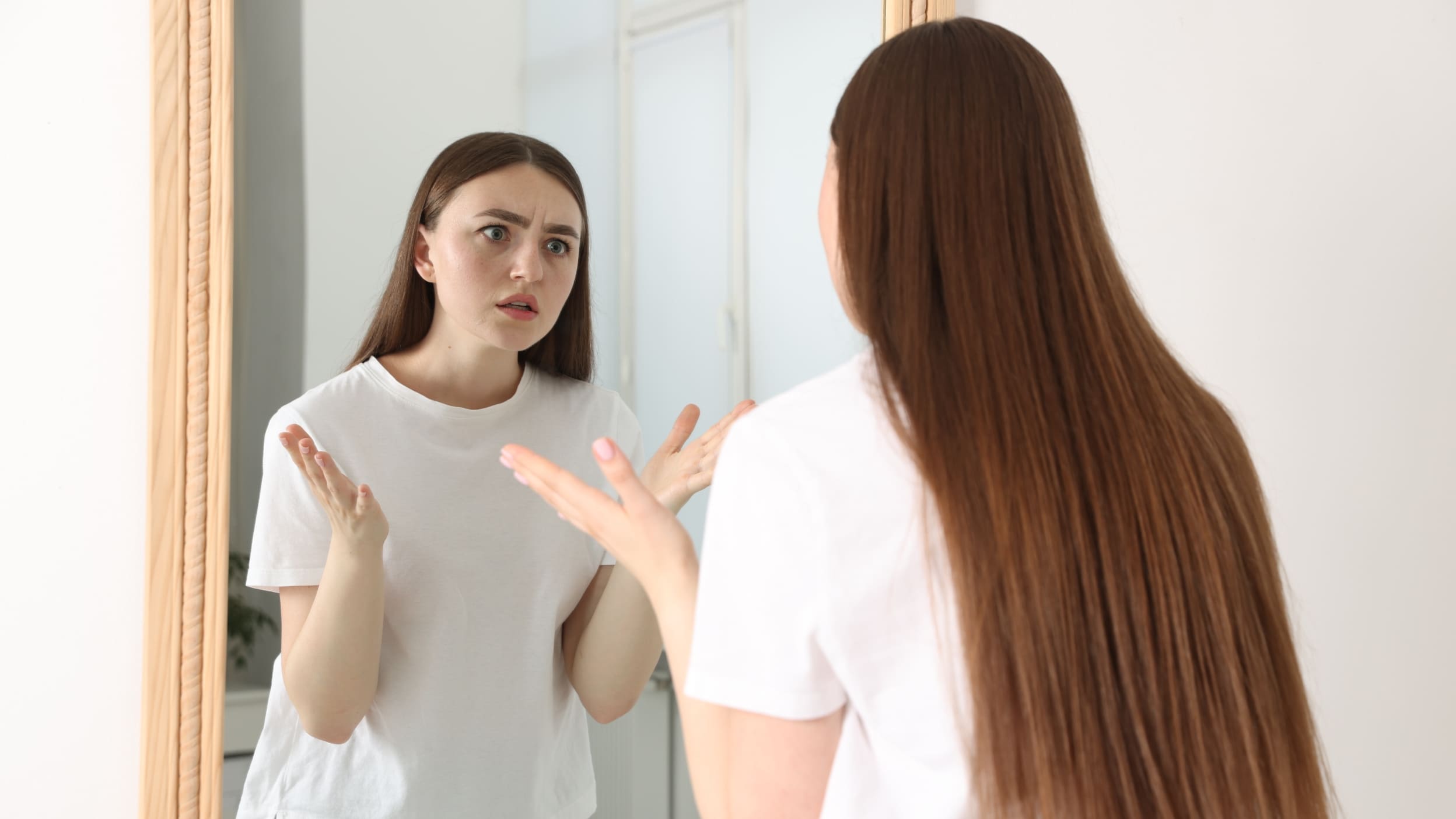
If you’ve ever looked in the mirror a week before your period and thought, Who even am I right now?, you’re not imagining it. I’ve been there, feeling confident and grounded one week, then suddenly doubting every decision the next. It’s what I call PMS Identity Shift You’re Not Imagining, a subtle but powerful change in how you see yourself and interact with the world in the days leading up to your period.
This isn’t just about mood swings. It’s a full body, full mind hormonal recalibration. Your chemistry changes, your brain processes information differently, and your emotional landscape becomes more sensitive. You’re not broken, you’re shifting.
When I first started tracking my cycle, I noticed these patterns clearly. I would go from high energy and optimism to deep reflection and self doubt almost overnight. Understanding that this was a normal, hormonally driven shift changed everything. It gave me compassion for myself during a time I used to dread.
Why You Feel Like a Different Person Before Your Period
In my experience, this shift tends to creep in about 7 to 10 days before menstruation, right in the luteal phase of the menstrual cycle. That’s when progesterone rises and estrogen dips, creating a hormonal seesaw that affects neurotransmitters like serotonin and dopamine.
It’s the reason I sometimes find myself overanalyzing conversations, feeling less social, or questioning things that felt fine just a week before. I’ve seen the same in my clients. One woman told me she thought she was “going crazy” every month because her moods changed so drastically. Once she started tracking her cycle, she realised her emotions weren’t random, they were rhythmic.
You might notice that during this phase you feel more self critical or withdrawn, overthink simple decisions, or even feel disconnected from your usual motivation. But it’s not a personality flaw. It’s biology doing its job, preparing your body for a potential pregnancy, even if that’s not your goal.
The Hormonal Story Behind the Emotional Rollercoaster
Here’s what’s happening beneath the surface:
| Hormone | What It Does | PMS Effect |
| Estrogen | Elevates mood, confidence, focus, and energy | Drops sharply, which can cause sadness or brain fog |
| Progesterone | Calms the nervous system, supports sleep | High or low levels can trigger anxiety or fatigue |
| Serotonin | Stabilises mood and emotional balance | Decreases alongside estrogen, leading to irritability |
| Cortisol | Manages stress response | Increases if you’re overworked or sleep deprived |
When these levels fluctuate, your body feels it everywhere. For me, it’s not just mental; it’s physical too. My skin becomes more sensitive, my digestion slows down, and my tolerance for stress shrinks. Things that I’d normally brush off suddenly feel heavier.
I used to think I was “losing control.” Now I see it as my body turning the volume up on things I’ve ignored all month. Those feelings are information. They highlight where I’ve been pushing too hard or neglecting rest.
How PMS Affects Mood, Confidence, and Self Perception
The PMS identity shift doesn’t just affect how you feel; it changes how you see yourself. I remember one month vividly when I went from feeling unstoppable in my work to questioning whether I was even good at what I did. A few days later, when my period arrived, the fog lifted and everything made sense again.
That dip in self esteem happens because as estrogen drops, so does serotonin, leaving you with less emotional cushioning. Your inner critic gets louder while your inner cheerleader takes a nap. It’s easy to interpret this as something being wrong with you, but it’s really your brain chemistry at work.
I’ve worked with women who describe this time as feeling like they “lose” themselves. I tell them they’re not losing anything; they’re shifting into a different internal season. The luteal phase invites you to slow down and reflect, not to perform at your peak. Once you embrace that, the emotional turbulence starts to make sense.
Real World Patterns I’ve Seen (and Lived Through)
After years of tracking cycles, I’ve noticed that emotional patterns often repeat predictably.
- Follicular Phase (Post Period): This is the time for creativity, social energy, and confidence.
- Ovulation: Energy peaks, communication flows easily, and motivation is high.
- Luteal Phase: Reflection deepens. Emotions surface more easily. Sensitivity increases.
- Menstrual Phase: The body seeks rest, clarity, and emotional release.
I used to dread the luteal phase because I didn’t understand it. Now I view it as a built-in feedback loop. If I’m irritable or emotional, it’s a sign something needs attention, maybe rest, boundaries, or less stimulation. Once you learn to read these cues, your cycle becomes a powerful map rather than a mystery.
How to Work With, Not Against, the PMS Identity Shift
The biggest shift for me happened when I stopped fighting my biology. Instead of trying to “power through,” I started working with my hormones.
Here’s what that looks like in practice:
- Track your emotional rhythm.
Journaling or using a cycle app helped me see patterns. Once I noticed that day 23 was always my emotional low point, I stopped booking demanding meetings around that time. - Adjust your workload.
I plan my creative projects during my follicular or ovulatory phase and use my luteal phase for editing or detail focused work. It’s not about doing less; it’s about doing differently. - Nourish your nervous system.
During PMS, I prioritise magnesium rich foods, vitamin B6, and omega 3s to support serotonin production. A warm magnesium drink before bed is my go to ritual. - Move intuitively.
I’ve learned to listen to my body. On low energy days, I choose walking, stretching, or gentle yoga instead of intense workouts. This approach prevents burnout and supports hormone balance. - Communicate openly.
I’ve started being honest about my energy cycles with those around me. A simple “I’m in my luteal phase, so I’m keeping things slower this week” creates understanding and removes unnecessary guilt.
Practical Strategies for Emotional Balance
- Prioritise sleep. Poor rest amplifies emotional volatility. I protect my bedtime during PMS like a sacred boundary.
- Eat balanced meals. Skipping meals or relying on sugar worsens irritability. Protein, complex carbs, and healthy fats make a big difference.
- Limit caffeine and alcohol. They might give temporary relief but can heighten anxiety and disrupt sleep.
- Create grounding rituals. Journaling, deep breathing, or evening baths help calm my nervous system.
- Plan rest intentionally. I block out time for rest before I crash. It’s not indulgent, it’s intelligent.
- Practice self compassion. Instead of asking “What’s wrong with me?” I ask “What do I need right now?” That single question changes everything.
When you meet yourself with understanding instead of frustration, PMS becomes easier to navigate. The goal isn’t to eliminate symptoms entirely, but to respond with awareness.
When to Seek Help
If your PMS symptoms feel overwhelming, last longer than two weeks, or seriously interfere with your relationships or work, it might be PMDD (Premenstrual Dysphoric Disorder). I’ve had clients who finally sought medical advice after years of silently struggling, and it changed their lives.
Therapies like cognitive behavioural therapy (CBT), nutritional support, or medical options can help regulate hormones and emotions. You don’t have to suffer in silence or assume this is just how womanhood has to be.
FAQs about PMS Identity Shift You’re Not Imagining
1. How long do PMS emotional symptoms usually last?
Typically, 3 to 10 days before your period. Once bleeding begins, hormone levels reset, and your mood stabilises.
2. Why do small things bother me more before my period?
When estrogen and serotonin dip, your emotional resilience lowers. It’s not about weakness; it’s about hormonal sensitivity.
3. How do I explain PMS mood changes to my partner?
Be clear and kind. I often say, “My hormones are affecting how I process emotions right now. I just need a bit more space and patience this week.”
Final thoughts
Every month, my body reminds me that strength isn’t about staying the same; it’s about staying aware. The PMS identity shift isn’t a weakness to overcome, it’s a reminder to reconnect.
When I stopped fighting the version of myself that shows up before my period and started listening to her, everything softened. I realised she’s not dramatic or broken, she’s wise. She slows me down when I’ve been running too fast, nudges me toward rest when I’ve ignored my limits, and forces me to check in with what’s real.
If you feel like a different person before your period, know that it’s not your imagination. It’s your biology inviting you to tune in. The PMS identity shift is an opportunity to understand yourself more deeply. It’s the body’s way of saying, “You don’t need to be the same every day to be whole.”
Learning to honour that rhythm isn’t just hormone awareness; it’s self awareness. And once you start embracing that truth, you stop fighting your cycle and start flowing with it. That’s where real balance begins.