Table of Contents
If you’ve ever felt that sudden tightness in your chest before your period and thought, “Is this anxiety or something worse?” you’re not alone. Most women expect bloating, cramps, or mood swings in the days leading up to their period, but very few are warned about the chest pressure, shortness of breath, or racing heart that sometimes comes with PMS.
When I first experienced it, I remember sitting at my desk, hand over my chest, convinced something was seriously wrong. It felt like a subtle weight pressing down, just enough to make me anxious. After years of working with women on hormonal balance, I’ve learned this is far more common than we realize and it’s rarely talked about.
Understanding PMS Chest Tightness
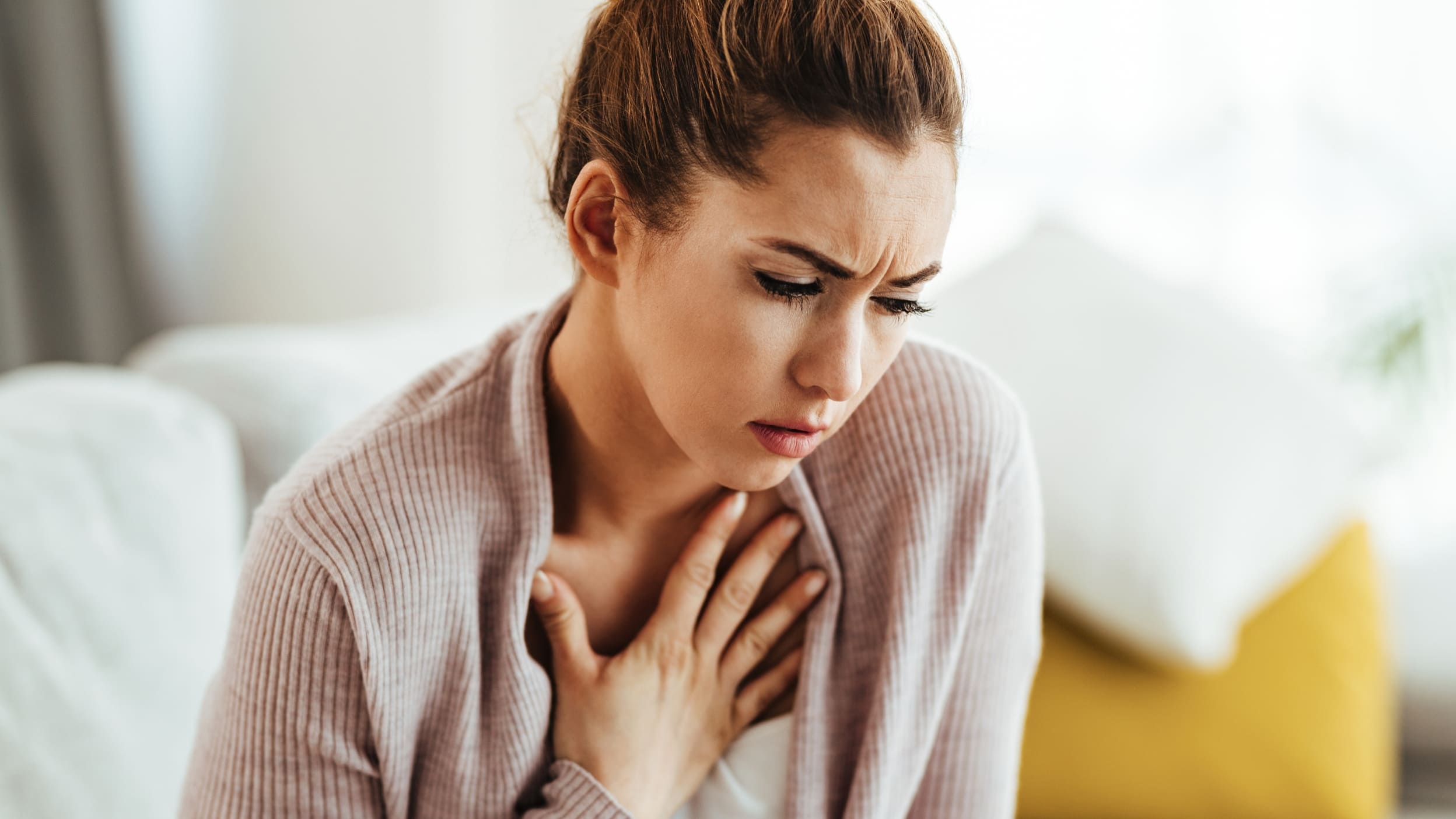
Chest tightness during the luteal phase, the time between ovulation and your period, can feel like a mix of heaviness, shortness of breath, and occasional heart palpitations. It’s not always painful, but it’s uncomfortable enough to trigger worry.
In my experience, this sensation often sneaks up when progesterone peaks and estrogen drops. These shifts influence not just your mood but also your cardiovascular and nervous systems. What feels like anxiety might actually be your hormones changing the way your body handles stress and oxygen.
Most women I’ve coached describe it like this:
- A subtle tightness or fullness in the chest
- Occasional fluttering or rapid heartbeat
- A need to take deeper breaths
- Feeling restless or on edge without knowing why
It’s rarely dangerous, but understanding why it happens helps ease the fear that something is seriously wrong.
Why It Happens: The Hormone Heart Connection
Hormones don’t just affect your reproductive system. They influence nearly every part of your body, including your lungs and heart. During the luteal phase, progesterone increases your body temperature and subtly affects how your respiratory system functions.
Here’s what’s happening beneath the surface:
| Hormone | Effect | What You Might Feel |
| Progesterone | Relaxes muscles and increases breathing rate | Shortness of breath or light chest pressure |
| Estrogen | Supports serotonin and vascular flexibility | Mood changes, mild anxiety, restlessness |
| Cortisol | Stress hormone that rises faster during PMS | Chest tightness or racing heart under pressure |
| Serotonin | Mood stabilizer affected by estrogen levels | Emotional sensitivity, irritability, low calmness |
When estrogen dips and progesterone dominates, your breathing pattern and circulation can change slightly. Combine that with increased stress sensitivity and your body can interpret normal shifts as discomfort or tension in the chest.
I’ve also noticed that dehydration, caffeine, and sleep deprivation make this worse. During my high-stress weeks, even small hormonal changes would trigger chest tightness more intensely. Once I started tracking these symptoms, it became clear that my hormones were trying to get my attention.
The Role of Anxiety and Stress
I can’t tell you how many women mistake PMS chest tightness for anxiety or even heart problems. The truth is, hormones and stress are deeply connected. When your body experiences hormonal turbulence, your nervous system becomes more reactive.
In the luteal phase, cortisol rises faster, and serotonin drops. This can make your body more prone to physical stress symptoms even if you’re not consciously anxious.
You might notice:
- Your heart beats faster after caffeine or emotional stress
- Breath feels shallow when you’re tired
- Tightness worsens before sleep or during arguments
- Chest heaviness feels stronger when you’re premenstrual
This isn’t “all in your head.” It’s your body’s stress response reacting to hormonal changes. The good news is, with a few mindful adjustments, you can manage these sensations effectively.
Spotting the Difference Between PMS and Panic
One of the hardest parts of dealing with PMS chest tightness is figuring out if it’s hormonal or something more serious. I remember one night lying in bed, heart racing, wondering if I should go to the ER. It turned out to be progesterone-related, but I didn’t know that then.
Here’s how to distinguish between the most common causes:
| Symptom | PMS Related | Panic or Anxiety | Medical Concern |
| Onset | Gradual in the luteal phase | Sudden and intense | Constant or worsening |
| Duration | 1 to 3 days before period | 10 to 30 minutes | Persistent or increasing |
| Sensation | Heaviness or fullness | Sharp tightness, trembling | Pain spreading to arm or jaw |
| Additional Signs | Bloating, fatigue, mood changes | Rapid breathing, sweating | Nausea, fainting, severe pain |
If your chest pain comes with dizziness, nausea, or radiating pain, always seek medical help. Hormonal symptoms should improve once your period starts or within a few days.
How to Calm PMS Chest Tightness Naturally
Once you understand that hormones are behind it, managing PMS chest tightness becomes easier. Over the years, I’ve tried several approaches, and these are the ones that work consistently.
Support Your Breath
Deep breathing directly calms the vagus nerve, which connects your brain to your heart. My favorite is the 4-6-8 method: inhale for four seconds, hold for six, exhale for eight. I use it when I feel that familiar chest pressure start to build.
Magnesium and B Vitamins
Magnesium glycinate is a lifesaver. It relaxes the nervous system and supports muscle function. B6 helps regulate progesterone, reducing that hormonal “surge” that often causes tension. When I take these daily in my luteal phase, my symptoms drop dramatically.
Limit Stimulants
I used to rely on coffee to power through PMS fatigue, but caffeine made my heart race and chest feel tighter. Switching to herbal teas like chamomile, lemon balm, or rooibos made a huge difference. If you can, avoid caffeine altogether in your premenstrual week.
Gentle Movement
Movement helps release tension and regulate breathing. I prefer slow walks, Pilates, or gentle yoga. Heart-opening poses like bridge, cobra, and supported fish can ease that restrictive feeling in the chest. Avoid high-intensity workouts during days when your symptoms flare.
Prioritise Rest and Grounding
Fatigue amplifies hormonal anxiety. Establishing a simple night routine helps calm both body and mind. I dim the lights, avoid screens an hour before bed, and sip magnesium tea. Sleep is the foundation of hormonal balance.
Focus on Nutrition
Stable blood sugar prevents cortisol spikes that worsen chest tightness. Eating balanced meals with protein, fibre, and healthy fats helps keep your mood steady. Foods rich in magnesium, like spinach, dark chocolate, and avocado, can help too.
When to Seek Medical Advice
PMS chest tightness is often harmless, but it’s always better to be cautious.
See your doctor if you experience:
- Chest pain radiating to the arm, jaw, or back
- Severe shortness of breath or dizziness
- Pain that lasts beyond a few days or worsens with time
- A family history of heart conditions or thyroid issues
A simple check-up can rule out cardiovascular, thyroid, or lung concerns. Once you have medical reassurance, managing the hormonal root becomes less stressful.
FAQs
Why does my chest feel tight before my period?
Hormonal changes in estrogen and progesterone can affect your respiratory system and stress response, leading to feelings of chest pressure or shallow breathing.
Can PMS cause chest pain or anxiety?
Yes. Hormones influence how your body manages stress. The drop in estrogen and serotonin, along with a rise in progesterone, can mimic anxiety symptoms like tightness and a racing heart.
How can I stop PMS chest tightness naturally?
Focus on nervous system support. Use deep breathing, take magnesium, reduce caffeine, and rest more during your luteal phase. Consistency makes a big difference.
Final Thoughts
If there’s one thing I’ve learned about women’s health, it’s that our bodies are constantly communicating. PMS chest tightness isn’t a random symptom. It’s your body’s way of signaling stress, imbalance, or exhaustion.
When I started tracking my symptoms and aligning my routine with my cycle, everything changed. I learned to expect the pattern instead of fearing it. I adjusted my caffeine, supported my nutrition, and prioritised breathing and rest. Over time, that scary tightness faded into something I could manage confidently.
Our hormones aren’t enemies; they’re messengers. Understanding them turns confusion into clarity and discomfort into empowerment. Once you start supporting your body through awareness instead of resistance, PMS stops feeling like a battle and starts feeling like a guide.