Table of Contents
I created what I now call the Slow Strength Method That Actually Works after years of fighting against my own body. Every month I noticed a pattern. My motivation dropped, my legs felt like concrete, and my usual workouts felt impossible. I would get frustrated, push harder, and then end up sore, exhausted, and discouraged.
Eventually, I started tracking my menstrual cycle phases to see if there was something predictable behind it. That’s when everything clicked. The slowdown wasn’t a sign of weakness. It was my body signaling that I was in the luteal phase and needed a different kind of training rhythm.
The PMS Slow Strength Method is about working with your body, not against it. It’s about slowing down your movements, increasing body awareness, focusing on breath, stability, and control. It’s the opposite of hustle culture. Instead of chasing high intensity, I started to build deeper, steadier strength. That’s when I finally began to see progress that lasted, without the constant cycle of burnout.
This method isn’t about doing less. It’s about using your energy wisely, in alignment with your hormonal rhythm.
Why You Feel Heavy and Slow Before Your Period
If you’ve ever caught yourself thinking, “Why do I feel so tired and bloated before my period?” I’ve been there too. That sluggish heaviness is one of the most common premenstrual symptoms, and there’s a clear reason behind it.
During the luteal phase, which begins right after ovulation, progesterone rises while estrogen starts to decline. This hormonal shift can cause your body to retain water, slow digestion, and increase core body temperature. You may feel more fatigued, less coordinated, and emotionally sensitive.
In my own experience, even simple things like climbing stairs or lifting weights felt harder. My heart rate would spike faster, recovery took longer, and my patience was thin. It wasn’t just in my head. Hormonal changes affect metabolism, muscle recovery, and how efficiently we use oxygen.
Once I understood that this phase naturally requires more rest and gentler training, I stopped beating myself up for feeling slower. That shift alone brought a sense of relief. Instead of fighting my biology, I started flowing with it.
What Happens During the Luteal Phase
The luteal phase typically lasts between 10 to 14 days and is the body’s way of preparing for a potential pregnancy. Progesterone becomes the dominant hormone, and while it helps calm the nervous system, it can also make you feel more tired or introspective.
In the first few days of this phase, I usually feel grounded and strong. It’s a good time for moderate workouts and creative projects. But as my period approaches, my energy drops. My body craves warmth, sleep, and stability rather than intensity.
You might notice your body feels slightly bloated or your muscles feel tighter. You may also find yourself needing more food or sleep than usual. This is your body’s way of conserving energy for what’s coming next.
Instead of resisting this shift, I plan for it. I reduce my workout intensity, adjust my nutrition, and focus more on recovery. That small amount of awareness helps me move through the luteal phase with a lot more grace.
The Science of Slow Strength Training
When I first heard the term “slow strength,” I thought it meant lifting lighter weights. But it’s not about the weight; it’s about the way you move. Slow strength training focuses on control, breath, and awareness of every muscle involved.
During the luteal phase, your body’s stress tolerance decreases, meaning that high-intensity workouts like sprints or heavy lifting can actually increase cortisol levels and leave you feeling depleted. I used to push through those days anyway, thinking I needed discipline. Now I know that slowing down doesn’t mean giving up. It means working smarter.
Some of my favorite slow strength exercises include:
- Tempo squats with a three second lowering phase
- Paused deadlifts to focus on form and breathing
- Resistance band exercises for stability
- Pilates-inspired movements for mobility and alignment
- Gentle yoga flows to open the hips and improve circulation
These sessions might not leave you dripping in sweat, but they build long-term strength, improve muscle activation, and reduce PMS inflammation. I’ve seen women increase their overall performance once they stop fighting their hormonal cycles and start syncing with them.
PMS Symptoms You Can Train With (and Around)
PMS symptoms vary for everyone, but the most common ones fatigue, bloating, mood swings, and soreness don’t mean you should stop moving altogether. They just mean your body needs a different kind of support.
Here’s how I manage each one:
| Symptom | What’s Happening | Smart Training Swap |
| Fatigue | Your body is conserving energy | Opt for bodyweight workouts or restorative yoga |
| Bloating | Water retention from hormones | Choose gentle cardio like walking or cycling |
| Muscle soreness | Higher inflammation | Add extra stretching and recovery days |
| Mood swings | Neurochemical fluctuations | Ground yourself with breathwork and calming movement |
| Sleep trouble | Drop in progesterone | Avoid late-night workouts and prioritize winding down |
Learning to adapt my movement instead of canceling it altogether helped me feel more balanced and emotionally stable. I started to view PMS as a phase to tune in rather than push through.
Workouts That Support Hormonal Balance
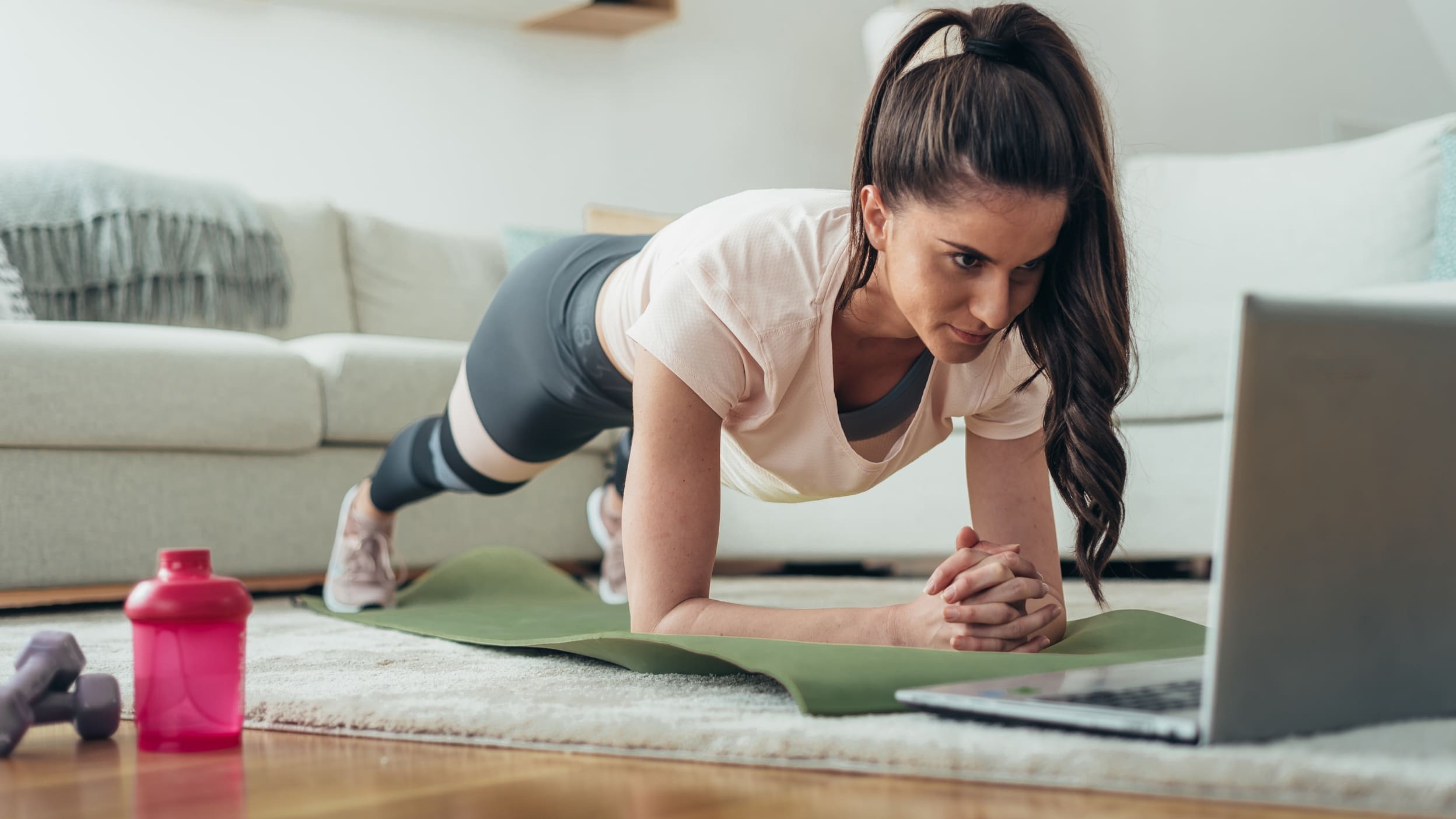
The PMS Slow Strength Method thrives on flexibility. There isn’t one perfect plan it’s about responding to your body’s cues each day.
During this time, I focus on four key types of training:
1. Controlled Strength Work
Slow, steady lifting at 60–70% of your normal load. This keeps muscles active without draining your energy.
2. Low Impact Cardio
Gentle movement like walking, swimming, or light cycling helps circulation and reduces bloating.
3. Mobility & Stretching
This is the perfect phase for hip-openers, foam rolling, and flow-style yoga. It helps with cramps and muscle tension.
4. Mindful Core Work
I swap crunches for deep core engagement like dead bugs or pelvic tilts. It strengthens without straining.
What surprised me most was how quickly my energy improved once I shifted my training this way. Instead of feeling drained, I finished my workouts feeling calm and clear-headed.
Recovery, Nutrition, and Rest During PMS
Your workout is only as good as your recovery. During PMS, recovery becomes your secret weapon.
I learned that the luteal phase demands more nutrients to balance mood and stabilize blood sugar. Here’s what I focus on:
Magnesium-rich foods like avocado, almonds, and dark chocolate help with cramps and anxiety.
Iron sources such as lentils, spinach, and grass-fed meat support energy and replenish what you’ll lose during menstruation.
Vitamin B6 from bananas and chickpeas helps with mood swings.
Complex carbs like sweet potatoes and oats keep energy levels steady and prevent sugar crashes.
I also hydrate more intentionally. I add a pinch of salt or electrolytes to my water since progesterone affects fluid balance. On PMS days, dehydration hits harder and can trigger headaches or irritability.
Sleep becomes non negotiable. I started going to bed 30 minutes earlier during this phase. Even that small change improved my mood and workout recovery dramatically.
Rest days are part of my training plan now. They’re not lazy they’re necessary.
Mindset Shifts That Change Everything
This might be the most powerful part of the PMS Slow Strength Method: the mental shift.
I used to believe strength meant powering through no matter what. But I realized true strength also means knowing when to slow down, listen, and trust the process.
When I began treating my luteal phase as a built-in recovery window, my body stopped rebelling. My energy became more consistent, and my results improved. I wasn’t stuck in the burnout-recovery cycle anymore.
Some mindset shifts that helped me include:
- Listening to my body’s signals instead of fighting them
- Celebrating rest days as a sign of progress
- Letting go of the idea that consistency means intensity
- Reframing slow workouts as opportunities to refine technique
Now, when my energy dips or I feel emotional before my period, I see it as a cue to nurture rather than critique myself. That compassion changed everything about how I relate to my body.
FAQs About Slow Strength Method That Actually Works
Q1: Should I rest or work out when I have PMS?
You don’t need to skip movement completely. Low to moderate workouts can ease cramps, improve mood, and reduce bloating. The key is to adjust your intensity. Move for how you feel, not for the numbers on your watch.
Q2: Why do my workouts feel harder before my period?
Hormonal changes reduce energy efficiency and muscle recovery. Your body is working harder to maintain the same performance. It’s not lack of effort it’s biology.
Q3: How can I reduce PMS mood swings naturally?
Keep blood sugar balanced with protein and fiber at every meal. Prioritize sleep, magnesium, and slow movement like yoga or stretching. Stress reduction is essential here too.
Q4: Is it normal to feel weaker during PMS even if I train consistently?
Yes, absolutely. Progesterone and estrogen shifts affect strength output, hydration, and endurance. You’re not losing fitness, you’re adapting.
Final Thoughts
The PMS Slow Strength Method taught me that balance isn’t about perfection. It’s about awareness. When I finally stopped seeing my PMS symptoms as obstacles and started seeing them as signals, everything changed.
Now, instead of resenting the days I feel slower or less motivated, I use them to reconnect with my body. I train gently, eat mindfully, and rest without guilt. By the time my period arrives, I actually feel prepared rather than defeated.
This method has helped countless women I’ve shared it with find stability and confidence in their bodies. You can absolutely stay active, strong, and empowered even when PMS hits hardest. The key is learning to work with your hormones, not against them.
Your body is not broken. It’s communicating. The more you listen, the stronger you become physically, emotionally, and mentally.