Table of Contents
I still remember the first time I realised my PMS pain wasn’t predictable. One month it was dull cramps low in my belly, the next it had migrated into my back and hips. I even had cycles where my legs felt heavy and sore for days, as if I had done a workout I couldn’t remember. For years I thought it was random, but once I started tracking my symptoms and paying attention to my hormones, I realised the pain wasn’t random at all. It was a message.
Most women think of PMS as something that looks the same each month, but the truth is, our hormonal balance, stress levels, and lifestyle all influence how and where pain shows up. Sometimes it’s cramps. Sometimes it’s a backache. Sometimes it’s an all over soreness that makes you feel like your body is buzzing with fatigue. When I started noticing the patterns, I understood that PMS pain that moves is your body’s way of showing how sensitive it is to hormonal change, inflammation, and nervous system stress.
Understanding this pattern changed everything. It helped me work with my body instead of against it, and that shift alone reduced my discomfort more than any painkiller ever did.
The hormonal rhythm of your menstrual cycle and why pain shows up when it does
To understand why your PMS pain moves, you have to understand the hormonal rhythm that drives your cycle.
The menstrual cycle has two main halves. The first half is the follicular phase. This starts on day one of your period and lasts until ovulation. Estrogen rises gradually during this phase, giving you energy and improving your mood. After ovulation comes the luteal phase. This is where progesterone rises to prepare your body for a possible pregnancy. If no pregnancy occurs, both estrogen and progesterone drop sharply, triggering your period.
That drop is where most PMS symptoms appear. When your hormones fall, they don’t just affect your uterus. They influence your brain chemistry, your muscles, your joints, and even your pain perception. I’ve noticed that in my luteal phase, small aches feel louder. The same yoga stretch that feels amazing during my follicular phase can feel uncomfortable a week before my period.
Research supports this. It’s not only the levels of hormones that matter but how sensitive your body is to their changes. When estrogen and progesterone fluctuate, they affect neurotransmitters like serotonin and increase inflammation. That combination can amplify pain signals. So if your pain feels like it shifts from place to place, it’s because your nervous system is reacting differently depending on your hormonal environment.
What kinds of period symptoms shift around and what that tells us
Every woman experiences PMS differently, but there are a few recurring patterns I’ve seen in myself and in women I’ve coached.
Back pain instead of cramps
When your uterus contracts, the surrounding muscles and ligaments respond too. Sometimes this tension radiates into the lower back or hips, which is why some months your cramps feel like they’ve moved. I often notice that when I’ve been sitting more or doing less mobility work, my luteal back pain is worse. It’s not separate from menstrual pain; it’s connected through muscle tension and hormonal sensitivity.
Joint or muscle aches
Many women describe PMS as feeling like they’ve caught the flu or done a hard workout. This can happen because hormonal changes increase inflammation and fluid retention in the tissues. I used to wake up the week before my period with stiff knees and tight shoulders. Once I started cycle-syncing my workouts and giving myself more rest during the luteal phase, those aches eased significantly.
Breast tenderness that changes every month
Some cycles my breasts feel heavy and sore, and other months they’re barely noticeable. I eventually linked this to stress and sleep. When I’m overtired or drinking more caffeine, the soreness is worse. When I’m sleeping well and eating enough healthy fats, it’s minimal. So if your pain varies month to month, that’s normal. It reflects how your hormones interact with your habits.
Migrating aches or sensitivity
Sometimes it’s not a single spot. It’s your whole body that feels hypersensitive. You might find that small injuries or old tension flare up right before your period. This isn’t your imagination. The hormonal drop before menstruation can heighten pain perception. That’s why emotional and physical sensitivity often rise together during PMS.
Why your PMS symptoms change every month
Because your cycle doesn’t happen in isolation. Hormones don’t work in a vacuum. They respond to what’s happening in your life: stress, diet, travel, workouts, even weather. One month you might breeze through your luteal phase, and the next, everything hurts. It’s not an inconsistency. It’s your body adapting.
What causes your pain to move around
From what I’ve observed personally and through coaching other women, there are three main mechanisms behind PMS pain that moves.
Hormone fluctuations and sensitivity
Some women are more sensitive to hormonal change than others. You might have normal hormone levels on paper but still feel strong symptoms because your nervous system reacts more sharply to those shifts. When estrogen drops, it can reduce pain-buffering chemicals in the brain, and when progesterone falls, muscle tension can increase. If you’ve ever noticed hip or joint soreness that peaks a few days before your period, that’s likely what’s happening.
Nervous system and inflammation response
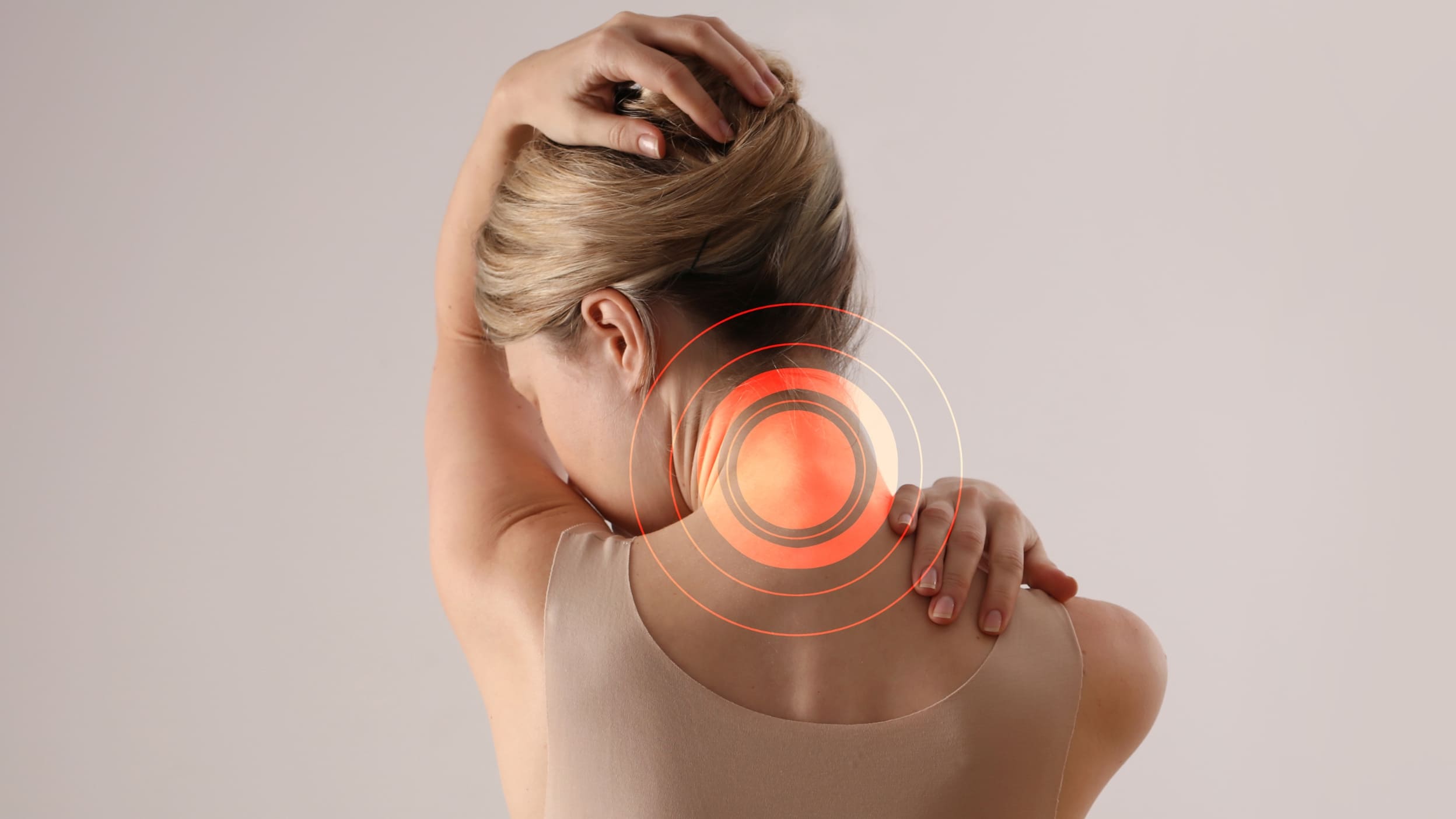
Your nervous system and immune system talk constantly. As hormones fluctuate, the balance of inflammation in your body shifts. That’s why your skin might break out, your digestion slows, and your muscles feel tighter. During stressful months, I’ve noticed my PMS pain shows up in the areas I overuse most. When I’m sitting too long at my desk, it’s my back. When I’m training heavily, it’s my hips and legs. The pain is your body’s way of flagging where stress is stored.
Lifestyle factors like stress, sleep, and recovery
This part is often overlooked but it’s huge. When I track my cycle, the months where I sleep less, drink more coffee, and skip meals are always the months my PMS pain gets louder and more unpredictable. Cortisol, the stress hormone, competes with progesterone. So when you’re under stress, your luteal phase feels rougher. Pain becomes more mobile, sleep is lighter, and your mood dips. That’s why supporting recovery isn’t just self-care, it’s hormonal strategy.
How to tell if your moving pain is normal or something else
PMS pain that moves can be completely normal, but you should still pay attention to its patterns. Here’s how I approach it.
I ask myself: does the pain always start after ovulation, usually about ten days before my period? Does it go away once bleeding begins? If yes, that’s likely hormone-related.
I also notice if the location or severity changes. If the pain rotates between areas or varies in intensity, it usually means it’s influenced by stress, sleep, or activity rather than something structural.
If pain becomes constant, sharp, or keeps me from moving comfortably, I treat it as a sign to dig deeper. In my own experience, regular cycle tracking helps spot whether a symptom is cyclical or persistent. I’ve used simple apps or even paper logs noting what kind of pain appeared and when. After three cycles, you’ll start seeing patterns you can actually work with.
What’s important is this: mild shifting pain that resolves after your period is generally part of hormonal change. Severe, escalating, or lingering pain that affects your daily life deserves more attention.
Practical management that really helps in the luteal phase
Over the years I’ve tested countless approaches, and these are the ones that consistently make a difference for me and the women I coach.
Align activity and rest
In the early luteal phase, I keep workouts steady but moderate. This is when I feel strong but need more recovery time. About five days before my period, I shift to lighter movement like stretching, walking, and gentle yoga. If I push through heavy training that week, my pain always spikes. Listening to my body here saves me days of discomfort.
Support recovery through nutrition
The luteal phase demands more magnesium, B vitamins, and antioxidants. I increase leafy greens, nuts, seeds, and oily fish. Magnesium helps relax muscles and calm the nervous system, which I notice reduces back tightness and bloating. I also avoid overdoing caffeine and processed sugar. They make my breast tenderness and joint aches worse.
Stay hydrated and reduce inflammation
Water retention during PMS isn’t just about salt. Dehydration itself makes you feel more swollen. I aim for steady water intake all day and include anti-inflammatory foods like turmeric, ginger, and berries. When I keep this consistent, my PMS soreness drops noticeably.
Mind body awareness
Tracking my stress has been a game changer. High stress equals high cortisol, and cortisol throws progesterone out of balance. I use breathing techniques, short walks, or journaling during the second half of my cycle. When I manage stress early, I often prevent the moving pain from escalating.
Use movement as medicine
Simple mobility work helps blood flow and reduces the feeling of stiffness that accompanies PMS. Foam rolling, stretching, or light Pilates are ideal. The goal isn’t to eliminate pain in one session but to stay connected to your body so you can respond early.
FAQs
Why does my pain move around before my period?
Because your hormones, nervous system, and inflammatory responses are constantly changing. As estrogen and progesterone fluctuate, your pain sensitivity changes too. The body will express stress or imbalance in different areas depending on what’s under strain that month.
Why do I get back pain during PMS instead of cramps?
Your uterus, back muscles, and pelvis are connected by fascia and nerves. When hormone levels drop, tension can shift to the lower back instead of concentrating in the abdomen. It’s the same hormonal cause, just a different area responding.
Is it normal to feel body aches before my period?
Yes, it’s very common. The luteal phase often brings muscle soreness, fatigue, and bloating because of hormone changes and mild inflammation. But if the aches interfere with daily life or last beyond your period, it’s worth tracking further.
Why do my PMS symptoms change every month?
Because hormones interact with lifestyle factors like stress, diet, and sleep. Every month’s internal and external environment is slightly different, so your symptoms reflect that mix.
What helps moving PMS pain the most?
Cycle tracking, stress management, and supportive nutrition. Once you know your luteal triggers, you can make small adjustments that prevent pain instead of just reacting to it.
Final thoughts
PMS pain that moves isn’t random or in your head. It’s information. It’s your body showing how sensitive it is to hormonal changes and lifestyle pressures. For years I treated PMS pain as an inconvenience to push through, but the moment I began to treat it as feedback, everything changed.
When you understand your cycle, you stop feeling betrayed by your body and start working with it. Tracking patterns, aligning rest and movement, supporting recovery, and staying mindful of stress can transform how you experience your premenstrual week.
The next time your pain shifts, don’t rush to silence it. Listen to it. Ask what part of your life feels out of balance in this cycle. Often the answer is there.
Use your next few cycles as a gentle experiment. Track where the pain appears, what was happening in your life that week, and what habits made it better or worse. Awareness alone reduces reactivity.
Your body is not unpredictable. It’s cyclical, intelligent, and responsive. Once you learn its language, those moving pains stop feeling like chaos and start feeling like communication. And that’s the point where real hormonal balance begins.