Table of Contents
If you’ve ever felt like your body turns against you a week before your period, you’re far from alone. The luteal phase, which is the time between ovulation and the start of your next bleed, can be a tricky one. Why magnesium rich foods help pms, sleep, and calmness. Hormones like progesterone and estrogen rise and fall, influencing everything from your mood to your sleep quality.
I’ve personally noticed that this is the time when my patience runs thin, my cravings go up, and my sleep feels lighter. For many women I’ve worked with, it’s also when anxiety or irritability peak. That’s not a lack of willpower; it’s biology. Your body is working hard to maintain balance while preparing for either pregnancy or your next cycle.
When magnesium levels dip, which is very common during this phase, symptoms intensify. PMS becomes louder. Sleep becomes restless. Even little frustrations start to feel magnified. Once I learned how deeply magnesium affects this phase, everything about my own cycle made more sense.
Why Magnesium Matters During the Menstrual Cycle
Magnesium isn’t a trendy nutrient. It’s an essential one. It supports over 300 biochemical processes in the body, from muscle recovery to hormone production and nervous system regulation. What most women don’t realize is that magnesium plays a central role in managing how we experience stress and mood shifts.
During the luteal phase, the body naturally uses more magnesium. It’s involved in metabolizing progesterone, managing insulin levels, and keeping cortisol (the stress hormone) balanced. When magnesium drops, so does our ability to stay grounded and relaxed.
Personally, I used to dismiss magnesium as just another supplement until I tracked my own cycle closely. When I increased my magnesium intake through food, I noticed I felt calmer before my period. My energy stayed steadier, and I didn’t wake up at 3 a.m. nearly as often. It wasn’t placebo. It was physiology.
The Science Behind Magnesium and PMS Symptoms
Research consistently points to magnesium as one of the key minerals influencing PMS relief. Multiple studies in the Journal of Women’s Health and Magnesium Research found that women who had adequate magnesium levels reported fewer mood swings, cramps, and bloating.
Here’s what’s really happening on a biochemical level. Magnesium helps regulate neurotransmitters, supports muscle relaxation, and improves cellular energy production. When you’re low in magnesium, your nervous system becomes overstimulated, your muscles tense, and your body struggles to regulate blood sugar and hormones efficiently.
Here’s a breakdown of how magnesium impacts common PMS symptoms :
| PMS Symptom | Magnesium’s Role |
| Mood swings and irritability | Supports serotonin production and reduces cortisol |
| Cravings | Helps regulate insulin and blood sugar levels |
| Cramps | Relaxes smooth muscles and improves uterine blood flow |
| Sleep issues | Boosts melatonin and GABA activity for relaxation |
| Anxiety and tension | Calms the nervous system response |
What’s fascinating is that the same pathways magnesium supports for physical symptoms also affect emotional resilience. I’ve seen clients go from feeling chaotic during PMS to feeling centered and capable, simply by adding more magnesium-rich foods or a quality supplement.
Magnesium and Better Sleep Before Your Period
If you’re like me, the week before your period often comes with disrupted sleep. You might feel tired but unable to fall asleep or wake up in the middle of the night with a racing mind. This happens because of changes in progesterone and body temperature, but magnesium plays a big role too.
Magnesium influences how well your body produces and uses melatonin, the hormone that regulates your circadian rhythm. It also activates GABA, the neurotransmitter responsible for calming the brain and nervous system. In other words, magnesium helps your body switch from alert mode to rest mode.
When I began focusing on magnesium intake, I didn’t expect much. But within two cycles, I noticed that my premenstrual nights felt easier. I fell asleep faster and didn’t wake up as much. It wasn’t perfect every month, but the difference was noticeable.
The Calm Connection : Magnesium and Mood
Mood swings are one of the most frustrating parts of PMS. That sense of unease or irritability before your period isn’t just emotional. It’s biochemical.
When magnesium levels are low, serotonin and dopamine regulation becomes impaired. This means the brain’s “feel-good” pathways don’t function as smoothly. Magnesium also reduces the release of stress hormones, helping your body stay in a calmer state.
I often tell women to think of magnesium as emotional armor. It doesn’t erase the hormonal ups and downs, but it makes them feel softer. I’ve had clients say, “I still feel changes in my mood, but they don’t control me anymore.” That’s exactly the kind of balance magnesium supports.
Even small daily changes matter. Swapping an afternoon coffee for herbal tea and adding a magnesium-rich snack like dark chocolate and pumpkin seeds can make a noticeable difference within a few weeks.
What to Eat : Top Magnesium-Rich Foods for PMS Relief
Food is always the best starting point. The goal isn’t to rely on supplements forever but to create a magnesium-friendly diet that supports your cycle naturally.
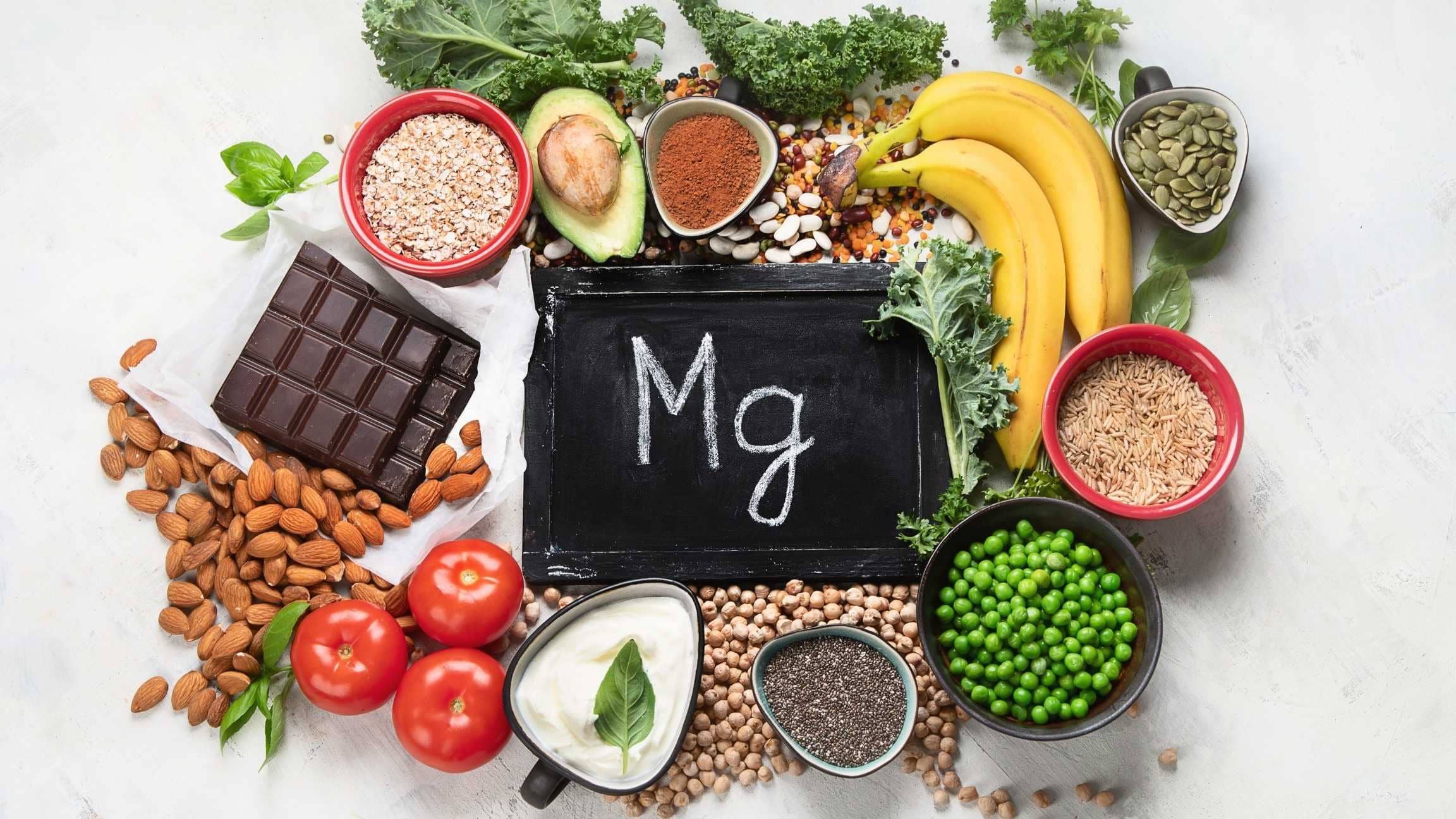
Here are my go-to foods that boost magnesium and calm PMS symptoms:
| Food | Magnesium (mg per serving) | Easy Ways to Include |
| Pumpkin seeds | 168 mg (¼ cup) | Sprinkle on oatmeal or yogurt |
| Dark chocolate (70% or higher) | 64 mg (1 oz) | Have a square after dinner |
| Spinach | 78 mg (½ cup cooked) | Toss into smoothies or omelets |
| Avocado | 58 mg (1 medium) | Add to toast or salads |
| Almonds | 80 mg (1 oz) | Enjoy as a snack with fruit |
| Black beans | 120 mg (1 cup) | Add to rice bowls or tacos |
| Quinoa | 118 mg (1 cup cooked) | Use as a base for warm grain bowls |
| Tofu | 37 mg (½ cup) | Great in stir-fries or soups |
When clients ask me, “What foods with magnesium help me feel calmer during PMS?” I point them to this list. I personally love starting my luteal phase mornings with a smoothie that includes spinach, banana, almond butter, and cacao. It tastes indulgent but works like a nervous system reset.
How to Use Magnesium Strategically in Your Cycle
Your magnesium needs fluctuate as your hormones shift throughout your cycle. Understanding when to emphasize certain foods or habits makes a big difference.
- Follicular phase (after your period): Build nutrient stores with greens, legumes, and seeds. You’re usually more energetic, so focus on balanced meals that support recovery and strength.
- Ovulation: You may feel more vibrant, but magnesium still helps with hydration, energy metabolism, and muscle repair.
- Luteal phase: This is the time to prioritize magnesium-rich foods every day. If PMS or sleep issues persist, consider adding a magnesium glycinate supplement.
- Menstrual phase: Keep magnesium steady to support relaxation, reduce cramps, and maintain mood balance.
I track these patterns in my own cycle journal. It helps me notice when I’m getting enough magnesium and when stress or poor nutrition throws things off. Over time, that awareness alone reduced my PMS intensity by half.
Real-World Tips for Consistency and Calm
Magnesium works best when you treat it like part of your rhythm, not a one-time fix. Here are practical ways to stay consistent:
- Pair magnesium with vitamin B6. They complement each other for mood and energy support.
- Cut back on caffeine and alcohol. Both deplete magnesium and make PMS symptoms worse.
- Try a calming bedtime ritual. I love combining a magnesium-rich snack (banana with almond butter) and a warm bath with Epsom salts.
- Track your progress. Use a journal or app to see patterns in your sleep, energy, and mood. You’ll start to see connections between magnesium intake and symptom relief.
- Give it time. Most women feel noticeable improvements after one to three cycles. It’s about replenishing stores, not just quick results.
I’ve had women tell me they were surprised by how much calmer they felt within weeks of focusing on magnesium. It’s a subtle but powerful shift.
FAQs
Q1: How much magnesium should I take for PMS relief?
Most research suggests 250 to 400 mg daily for optimal benefits, depending on diet, stress, and absorption. Start with food and only add supplements if needed.
Q2: What is the best form of magnesium for PMS symptoms?
Magnesium glycinate is my top choice for mood and sleep support. Magnesium citrate is great for digestion, while oxide forms are less effective.
Q3: Why does magnesium help me sleep better before my period?
It supports melatonin production and calms the nervous system, which often becomes overstimulated during PMS. The result is more restful, deeper sleep.
Final Thoughts
Over the years, I’ve learned that PMS is not something to battle but something to understand. When I began treating my symptoms as messages rather than frustrations, magnesium became one of the simplest yet most powerful tools in my cycle-care toolbox.
This isn’t about perfection. Some cycles are still heavier than others. But when I stay consistent with magnesium-rich foods and supportive habits, my body feels steadier. My sleep improves, my patience returns, and I can move through the luteal phase without feeling hijacked by my hormones.
Most women don’t realize how profound the difference can be until they try it for a few months. It’s a quiet, grounded kind of calm that builds from within.
If your body feels off before your period, listen to it. Nourish it. Magnesium might not be a cure-all, but for many of us, it’s the missing piece that helps everything fall back into rhythm.