Table of Contents
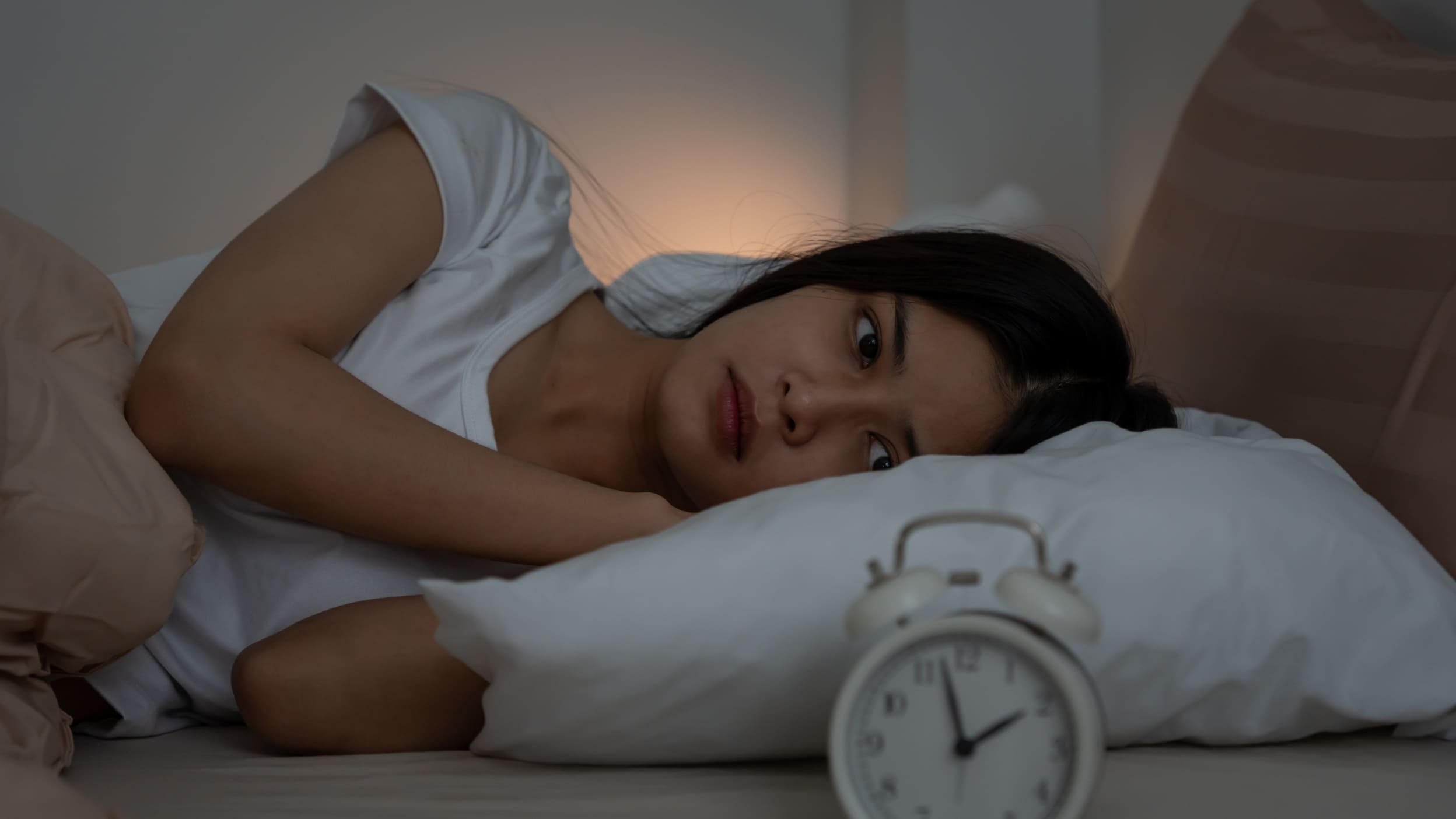
If you’ve ever found yourself staring at the ceiling at two in the morning the week before your period, wondering why your brain won’t shut off, you’re not alone. I used to think I just had bad sleep habits or too much on my mind, but after tracking my cycle, I realised the pattern wasn’t random. It was hormonal.
The PMS sleep crash happens because of biological shifts in your hormones that change how your body rests. During the days leading up to your period, known as the luteal phase, your body is preparing for a potential pregnancy. That hormonal activity influences everything from mood to metabolism and, yes, your sleep.
For years, I thought exhaustion during PMS meant I was overworking or just stressed out. But the truth was simpler. My hormones were sending signals I didn’t understand yet. Once I learned how to support them, my energy started to stabilize, and my nights finally became restful again.
How Hormones Disrupt Rest During the Luteal Phase
During the luteal phase, progesterone levels rise to prepare for pregnancy. This hormone has a calming effect, but when estrogen and progesterone fall out of balance, that calm quickly disappears. Instead of helping you sleep, your hormones may make you drowsy during the day but restless at night.
Here’s what’s happening inside your body:
| Hormone | What It Does | How It Affects Sleep |
| Progesterone | Promotes relaxation and calm | May cause daytime fatigue or night restlessness when levels fluctuate |
| Estrogen | Regulates serotonin and temperature | A drop can lead to night sweats, irritability, and disrupted sleep cycles |
| Cortisol | Controls stress and alertness | When it stays high, it triggers insomnia or early waking |
What makes this tricky is that these hormones don’t shift in isolation. If you’ve had a stressful month, your cortisol levels may rise just as your progesterone drops, creating the perfect storm for poor sleep. I’ve noticed this in my own life weeks where I worked late or skipped meals often led to restless nights during my PMS window.
It’s not just in your head. Hormonal fluctuations directly affect your nervous system. When cortisol remains high, your body stays alert even when you’re exhausted, and your brain struggles to switch off.
Common Signs of the PMS Sleep Crash
In my experience, the PMS sleep crash shows up differently for everyone, but the signs are usually consistent. Some women feel drained and oversleep, while others lie awake all night despite feeling exhausted.
Here are some patterns I’ve seen repeatedly in myself and my clients:
- You fall asleep quickly but wake up around two or three in the morning and can’t fall back asleep.
- You feel heavy and sluggish no matter how long you stay in bed.
- You start craving caffeine or naps during the day just to get through.
- You feel more emotional, anxious, or irritable before bed.
- You toss and turn with a restless, wired feeling in your body.
This mix of fatigue and alertness is your body’s way of saying that your hormones, stress levels, and sleep rhythms are misaligned. The goal isn’t to fight it but to help your system find its balance again.
Real World Strategies That Actually Help
After years of experimenting with everything from melatonin to herbal teas, I’ve found that improving PMS related sleep issues isn’t about forcing yourself to sleep more. It’s about syncing your habits with your hormones and helping your body do what it’s designed to do.
1. Track Your Sleep by Phase
When I started using a sleep tracker, I discovered that my worst nights always landed in the second half of my cycle. That awareness helped me make small but powerful changes like avoiding caffeine and screens a few days before my PMS week. Once you start noticing the pattern, it becomes easier to prepare for it.
2. Support Progesterone Naturally
Progesterone helps you relax, but your body needs nutrients like magnesium, zinc, and vitamin B6 to produce it. I started including foods such as pumpkin seeds, chickpeas, and salmon in my diet, and I noticed my premenstrual sleep gradually improved. These nutrients also support GABA, a calming brain chemical that encourages deeper rest.
3. Lower Evening Cortisol
High cortisol levels are the number one sleep disruptor during PMS. For me, that meant changing how I ended my day. Instead of scrolling through my phone before bed, I started journaling or taking short evening walks. I also created a simple bedtime routine dim lights, herbal tea, and gentle stretching. These small rituals taught my body that it was time to rest.
4. Cool Your Core Temperature
If you wake up hot at night, it’s often due to fluctuating estrogen levels. Keeping your room cooler, using breathable bedding, or even taking a lukewarm shower before bed can help lower your body temperature. I sleep best when my bedroom stays around 19 degrees Celsius.
5. Rethink Your Workouts
Intense late night workouts can spike cortisol and delay sleep. During my luteal phase, I replace high intensity sessions with slower, grounding exercises like yoga or walking. This shift allows my nervous system to calm down and supports recovery instead of overstimulation.
Nutrition and Supplements That Support Rest
When I began working with other women who struggled with PMS fatigue, I realised nutrition made a huge difference. Certain nutrients are vital for hormone balance and quality sleep. Here are some of the most effective ones I’ve used and recommended:
- Magnesium glycinate or citrate helps muscles relax and supports calmness.
- Vitamin B6 assists in progesterone production and mood regulation.
- Omega 3 fatty acids reduce inflammation and stabilise hormones.
- Complex carbohydrates promote serotonin release, helping you fall asleep more easily.
Eating a light evening snack like oatmeal or a banana with nut butter can support blood sugar and prevent nighttime crashes. When I started doing this instead of skipping dinner or eating too late, my sleep felt more consistent and restful.
I also learned that alcohol, sugary desserts, or heavy meals close to bedtime tend to disrupt deep sleep. Reducing those during PMS weeks made a noticeable difference in how I felt the next morning.
Evening Habits That Calm Your Nervous System
The week before your period is the perfect time to create gentle rituals that support your body’s natural rhythms. Over the years, I’ve built a bedtime routine that helps signal to my body that it’s safe to rest.
Here’s what’s worked best for me and many women I’ve coached:
- Ten minutes of slow breathing with longer exhales to reduce stress.
- A warm magnesium bath or foot soak to relax tense muscles.
- Switching to soft lighting an hour before bed instead of harsh overhead lights.
- Turning off screens and using a book or podcast to wind down.
- Maintaining a regular sleep schedule even on weekends to stabilise circadian rhythms.
These small acts retrain your body to associate nighttime with calm and safety. Within a few weeks of consistency, I started falling asleep faster and waking up more refreshed even during my luteal phase.
FAQs About PMS Sleep Crash
Why am I so tired before my period?
Your body’s energy demands rise during the luteal phase, and when progesterone peaks, it can make you feel sleepy or sluggish. Combine that with poor sleep quality, and fatigue can quickly build up.
Why does PMS make it hard to sleep?
Hormonal fluctuations lower estrogen and affect serotonin, temperature control, and cortisol balance. This combination often leads to insomnia, early waking, or restless sleep.
How can I fix PMS insomnia naturally?
Focus on lowering cortisol through stress management, supporting progesterone with nutrient rich foods, and creating consistent bedtime routines. Natural remedies like magnesium, chamomile tea, or gentle yoga can also help calm the body before bed.
Final thoughts
The most valuable thing I’ve learned about the PMS sleep crash is that it’s not a flaw or a failure, it’s feedback. When I stopped blaming myself for being tired and started understanding my hormones, my approach to rest completely changed.
Now, instead of forcing productivity when I’m exhausted, I give myself permission to slow down and restore. My energy is more stable, my mood is steadier, and my sleep finally feels consistent.
If you’ve been struggling to rest before your period, remember this: your body isn’t broken. It’s communicating. Each sleepless night is a signal to pause and realign with your natural rhythm. The more you listen, the easier it becomes to rest deeply and wake up with clarity.
Sleep, just like your cycle, follows a pattern. Once you understand it, you can stop fighting it and start working with it. That’s when real balance begins.