Table of Contents
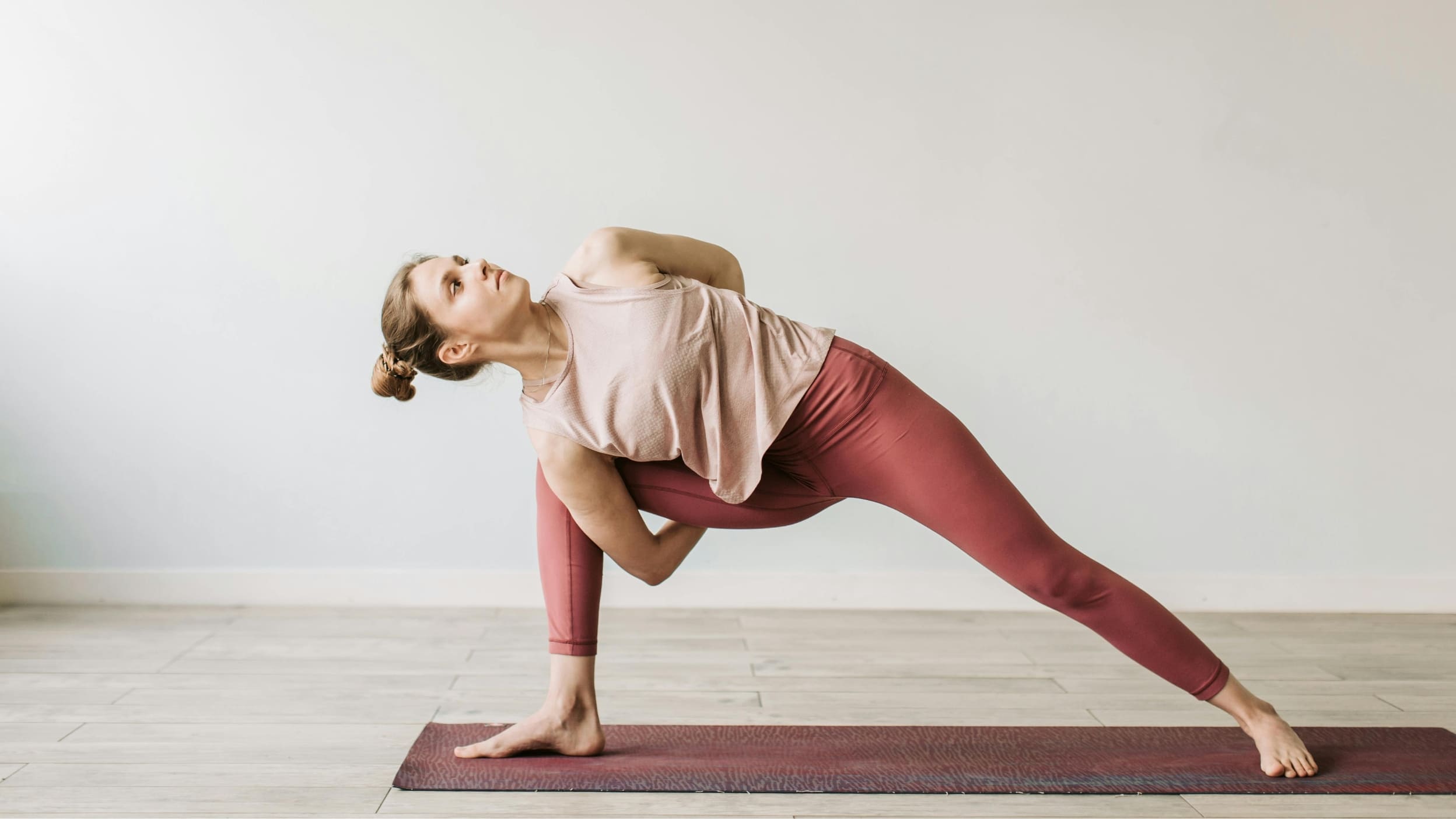
For years, PMS used to throw me off completely. My body felt tight, my mood unpredictable, and my energy nonexistent. I’d try to push through with intense workouts or caffeine-fueled motivation, but it never helped.The best yoga flow for pms pain and mood relief . What finally shifted everything was slowing down and learning how to move differently.
That’s when I found yoga. Not the fast-paced kind that feels like a workout, but slow, mindful movement that met me exactly where I was. I remember my first PMS yoga session vividly. I went in irritated and exhausted, and came out calm, grounded, and surprisingly lighter. My cramps had eased, and the anxious tension in my chest had softened.
Yoga became my anchor during PMS. It worked not because it distracted me from the discomfort, but because it helped me release it. Each pose allowed me to breathe through tightness, regulate my nervous system, and reconnect with my body instead of fighting against it.
Now, whenever PMS arrives, I don’t dread it the way I used to. I roll out my mat, take a few deep breaths, and move through a sequence that feels more like self-care than exercise. This isn’t about pushing your limits. It’s about learning to support your body when it needs gentleness most.
Understanding PMS and the Luteal Phase
To make yoga really work for PMS, you have to understand what’s happening beneath the surface. PMS, or premenstrual syndrome, appears during the luteal phase of your menstrual cycle. It’s the two-week period after ovulation and before your period begins.
During this phase, progesterone rises while estrogen slowly drops. This hormonal shift can cause bloating, cravings, irritability, and mood swings. Your body temperature may rise slightly, your digestion slows, and you might retain extra water. All of that can make you feel heavy or sluggish.
Most women try to ignore these cues and keep performing at full speed. I used to be one of them. But ignoring your body’s natural rhythm only makes symptoms worse. Yoga gives you a way to honor this phase instead.
This is the time to swap fast, high-impact exercise for slower, grounding movement. Think of yoga as your monthly reset. It helps ease luteal phase symptoms by improving circulation, releasing tension from your hips and lower back, and balancing hormones through deep breathing and mindfulness.
When I started syncing my yoga practice with my cycle, everything began to make sense. My energy stopped feeling unpredictable. I no longer felt guilty for slowing down because I finally understood that rest is part of strength.
How Yoga Eases PMS Pain and Mood Swings
PMS symptoms can be both physical and emotional, and yoga happens to address both. When we move and breathe with intention, we activate the parasympathetic nervous system, the part of our body that signals safety and calm.
Here’s what that looks like in real life:
| Benefit | Why It Works |
| Relieves cramps | Increases blood flow to the uterus and relaxes pelvic muscles |
| Balances mood | Boosts serotonin and reduces cortisol levels |
| Reduces bloating | Encourages lymphatic drainage and gentle core activation |
| Improves sleep | Promotes relaxation and lowers stress hormones |
| Calms anxiety | Deep breathing slows heart rate and regulates emotions |
For me, the biggest shift was emotional. Yoga helped me handle PMS mood swings in a way I never could before. Instead of feeling overwhelmed by irritability or sadness, I could breathe through it. The practice gave me space to respond instead of react.
Even on my hardest days, I find that 15 minutes on the mat changes everything. It’s not about flexibility or fancy poses. It’s about releasing resistance, the resistance to your own cycle, your own emotions, your own body.
The Best Yoga Flow for PMS Relief
Over time, I’ve refined a gentle yoga flow that supports both PMS pain and mood. It’s easy, restorative, and can be done right in your living room.
1. Child’s Pose (Balasana)
Kneel on your mat, bring your big toes together, and fold forward. Stretch your arms out in front or rest them beside you. Take slow breaths into your belly. This pose eases lower back pain and releases pressure in your abdomen.
2. Cat-Cow (Marjaryasana-Bitilasana)
Come onto all fours and alternate arching and rounding your spine. Let your breath guide you. This movement helps loosen the spine, massage your organs, and improve circulation in your pelvic area.
3. Reclined Bound Angle Pose (Supta Baddha Konasana)
Lie back and bring the soles of your feet together, letting your knees drop open. Rest your hands on your belly. This pose opens your hips, reduces tension, and helps you connect with your breath.
4. Supported Bridge Pose
Place a block or cushion under your sacrum and gently lift your hips. This light inversion improves blood flow and helps relieve cramps and PMS fatigue.
5. Supine Twist
Lying on your back, let your knees fall to one side while keeping your shoulders grounded. Twists help with digestion and relieve tightness in your hips and lower back.
6. Legs-Up-the-Wall Pose (Viparita Karani)
This is the pose I recommend to everyone who experiences PMS. It’s deeply restorative. Lay on your back and rest your legs up against a wall. Close your eyes and breathe slowly. It reduces swelling, calms the mind, and improves circulation.
You can hold each pose for several breaths or even a few minutes. Move slowly, stay mindful, and allow your body to guide the timing.
When I practice this sequence, I often add soft music or dim lighting. It turns the session into a ritual of release rather than another task to check off my list.
How to Adapt This Flow to Your Energy Level
No two PMS weeks feel the same. Some cycles you might feel only mild bloating, others you might struggle with cramps or low motivation. That’s completely normal. The key is to adapt your practice rather than abandon it.
If your body feels tired or sore, keep your flow slow and supported. Use pillows or bolsters under your knees or lower back. If you’re feeling restless or emotional, add gentle transitions between poses to move the energy through your body.
There are days when I do just child’s pose and legs-up-the-wall, and that’s enough. Other times I’ll do the full flow and finish with a short meditation. The goal is not intensity, it’s connection.
I often remind myself that yoga during PMS isn’t about mastering poses. It’s about listening. Each practice is a conversation between you and your body, and every month the conversation sounds a little different.
My Personal Experience Using Yoga for PMS
When I started tracking my cycle, I noticed how much yoga changed the way I experienced PMS. Before, I’d spend days curled up, impatiently waiting for the discomfort to pass. After integrating this flow into my luteal phase, everything softened.
My cramps lessened, my digestion improved, and even my mood swings became less dramatic. I began sleeping better too. It wasn’t a miracle overnight fix, but it was consistent progress that made my cycles more predictable and manageable.
I’ll never forget one client who told me she used to dread her PMS week because she’d lose all motivation to work out. When she switched to gentle yoga, she started to look forward to that time of the month because it became her moment to reset and recharge.
Most women don’t realize that this level of change is possible without drastic measures. It’s simply about working with your hormones rather than against them.
Tips for Building a PMS Yoga Habit
If you want yoga to truly make a difference, consistency matters more than duration. Here’s what’s worked best for me and the women I’ve coached:
- Keep your mat visible. I leave mine out so it’s a visual reminder to move.
- Pair yoga with a calming cue. Light a candle, use essential oils, or play gentle music to signal your body it’s time to unwind.
- Start small. Promise yourself five minutes. Once you’re on the mat, you’ll likely stay longer.
- Track your cycle. Knowing when your luteal phase begins helps you anticipate PMS symptoms and prepare ahead.
- Embrace imperfection. Some days all I manage is breathing in child’s pose, and that’s okay.
Even short, consistent sessions help build body awareness and emotional resilience. Over time, these few minutes of mindfulness become something your body starts to crave.
FAQs
What yoga is best for PMS pain relief?
Gentle restorative yoga works best. Poses like child’s pose, bridge, and legs-up-the-wall directly target the lower abdomen and back to ease cramps and promote relaxation.
Can yoga help PMS mood swings?
Yes. Slow movement and deep breathing help reduce cortisol while increasing serotonin. This combination helps stabilize mood and reduce irritability.
How often should I do yoga for PMS symptoms?
You can practice daily during your luteal phase or whenever symptoms appear. Even 10 to 20 minutes a day can significantly reduce pain and emotional discomfort.
Final Thoughts
PMS doesn’t have to control your month. Once you understand your cycle and move with it instead of against it, you unlock a new kind of balance.
Yoga has become my go-to ritual during PMS, not because it fixes everything instantly, but because it helps me stay connected when my body feels out of sync. The relief isn’t just physical, it’s emotional too. Every slow stretch and deep breath reminds me that my body is not the enemy, it’s the messenger.
If you’ve been struggling with PMS pain, mood swings, or fatigue, try this flow. Give yourself permission to slow down, move gently, and see what changes. You may discover that your PMS week transforms from something you dread into a few days of grounded self-awareness.
When we move in alignment with our cycles, our energy, mood, and focus all begin to stabilize. This is how healing starts, quietly, one mindful breath at a time.