Table of Contents
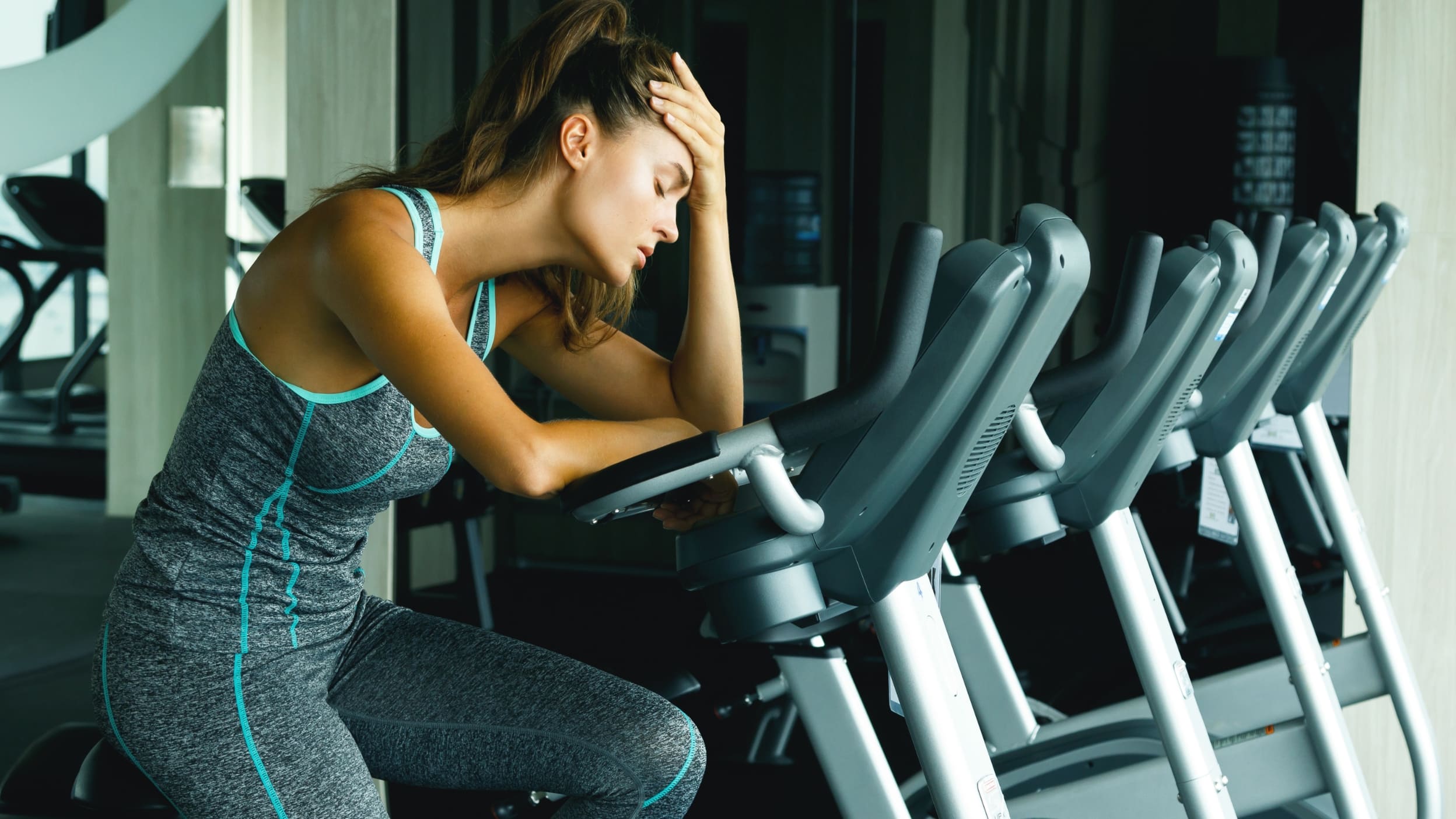
If you’ve ever stared at your workout mat wondering how you used to have energy for squats, I get it. There are days when even tying my shoes feels like an accomplishment. Pms exercise plans designed for low motivation days. PMS has a way of draining both physical and emotional drive, and it’s not a lack of discipline. It’s hormonal.
For me, this drop usually hits five to seven days before my period. I’ll wake up already tired, my usual workout playlist feels too loud, and even a quick stretch feels like too much. I used to think I was failing my fitness goals, but then I noticed the pattern repeating every month.
This is the luteal phase, when progesterone rises and estrogen starts to fall. That hormonal mix slows you down and can lower dopamine, the motivation hormone. Your body shifts focus from performance to preparation. Once I accepted that, I stopped fighting my hormones and started adjusting my workouts instead.
Instead of pushing through, I learned to ask, “What kind of movement would feel good right now?” That question alone helped me stay consistent and compassionate with myself through every cycle.
The Science Behind PMS Fatigue and Movement
PMS fatigue is more than just tiredness; it’s your body redirecting energy. During the luteal phase, your temperature rises slightly, metabolism increases, and fluid retention can make your muscles feel heavier. Even your cardiovascular system works harder to regulate itself.
In simple terms, your body is doing more behind the scenes. The result? Less energy for high-intensity workouts and more need for gentle movement.
Inflammation also tends to rise during PMS, which can lead to achy joints or increased soreness. When I used to lift weights at full capacity during this time, I’d often feel sore for twice as long. Once I switched to lighter strength training, yoga, and walking, that heaviness eased.
Exercise can still be beneficial during PMS. It increases blood flow, releases endorphins, and helps balance hormones. But the trick is to modify the intensity. The goal isn’t to perform at your peak; it’s to support your body through the natural low-energy phase so that you bounce back stronger when your period starts to lift.
Why You Don’t Need to Force Intense Workouts
For years, I believed the “no excuses” mindset was the key to consistency. I thought skipping a workout during PMS meant I lacked willpower. But I learned the hard way that pushing too hard can backfire.
One month, I forced myself through a heavy leg day while bloated and fatigued. My recovery dragged on for nearly a week, and I felt emotionally drained. That’s when I realized consistency doesn’t mean doing the same intensity every day; it means showing up in a way that respects your energy.
High-intensity exercise raises cortisol, your stress hormone, which is already higher during PMS. Too much cortisol can increase bloating, disrupt sleep, and make mood swings worse. On the other hand, lighter movement like walking or yoga helps regulate that stress response.
Once I shifted my mindset from “go hard” to “go gentle,” I actually became more consistent. Instead of quitting for days at a time, I simply adapted my workouts. Progress felt sustainable again, not forced.
How to Adapt Exercise to Match Your Hormonal Energy
Your cycle is a rhythm, not a straight line. When you work with that rhythm, your fitness becomes smoother and more enjoyable. During PMS, your body is in its late luteal phase, energy is lower, strength dips slightly, and your body craves comfort.
Here’s how I match movement to hormonal shifts:
| Cycle Phase | Energy Level | Best Exercise Type | Focus |
| Follicular | High | Strength training, cardio, running | Build muscle and endurance |
| Ovulation | Peak | Dynamic workouts, circuit training | Channel strength and confidence |
| Early Luteal | Moderate | Pilates, low-impact cardio | Maintain flexibility and tone |
| Late Luteal (PMS phase) | Low | Walking, stretching, gentle yoga | Reduce stress and soothe tension |
By training with your hormones, not against them, you create long-term consistency. When you move in sync with your cycle, you’ll notice your body becomes more predictable, and your results feel easier to maintain.
During PMS, I like to replace heavy lifts with bodyweight resistance bands or focus on mobility. If I feel exhausted, I’ll do a short yoga flow instead of cardio. The key is to keep moving without draining your reserves.
Gentle Workouts That Actually Feel Good During PMS
When I finally gave myself permission to slow down, I discovered new kinds of workouts that left me feeling refreshed instead of depleted. These are my top go-to movements for PMS days.
- Walking: A 20 to 30 minute walk boosts serotonin, clears brain fog, and helps with cramps. I prefer morning walks because sunlight resets my mood and helps regulate sleep.
- Restorative yoga: These slow poses help calm the nervous system and reduce bloating. My favorites are supported child’s pose and legs-up-the-wall.
- Pilates: Light mat Pilates strengthens your core gently without overtaxing your muscles. It’s perfect when you want structure but not intensity.
- Stretching: A 10-minute stretching routine before bed can reduce fluid retention and relax tight muscles.
- Dance or flow movement: I put on calm music and move however feels natural. It’s fun, freeing, and helps release tension built up through the day.
You don’t need to follow a perfect plan. What matters most is consistency through kindness. Movement during PMS should feel like medicine, not punishment.
My Go-To Low-Motivation Exercise Plan
This is my personal routine for those low-motivation PMS days when I want to move but also honor my limits. It keeps me active without exhausting me.
| Day | Type of Movement | Duration | Focus |
| Monday | Gentle yoga or stretching | 20–25 min | Mobility and relaxation |
| Tuesday | Brisk walk outdoors | 30 min | Circulation and energy boost |
| Wednesday | Light resistance or Pilates | 25 min | Core strength and stability |
| Thursday | Rest or foam rolling | — | Muscle recovery and calm |
| Friday | Dance flow or bodyweight moves | 20–25 min | Endorphin release |
| Saturday | Light strength or yoga fusion | 30 min | Balance and posture |
| Sunday | Total rest or slow walk | — | Rejuvenation and mindfulness |
I love this plan because it allows for flexibility. Some days, I skip a session completely and stretch instead. Other days, I surprise myself with extra energy and do a little more. It’s about listening, not forcing.
How to Mentally Reset on PMS Days
Low motivation during PMS isn’t just physical; it’s mental too. Hormonal dips affect mood and self-perception, making it easy to feel unmotivated or even guilty for not doing enough. I’ve had days where I felt like my effort didn’t matter, but that mindset only deepened my fatigue.
Here’s what helps me reset mentally:
- Reframe movement: Instead of asking “How hard can I go?” I ask “How can I support my body today?”
- Start small: Commit to five minutes. Once I start moving, the resistance usually melts away.
- Pair movement with joy: I play relaxing playlists or stretch under soft lighting. Making it enjoyable keeps me consistent.
- Focus on how it feels, not how it looks: During PMS, results come from care, not performance.
- Use visual cues: I leave my mat or shoes out in plain sight. Seeing them reminds me that movement is part of my self-care, not a chore.
When I shift my mindset toward compassion, everything else follows. My energy improves, my anxiety lowers, and I start craving movement again naturally.
Movement Recovery and Self-Compassion
One of the most important lessons I’ve learned from cycle syncing is that recovery is not optional. The luteal phase is a time of reflection and renewal. When I used to ignore my body’s cues, my next cycle felt worse, with heavier fatigue, more cramps, and deeper burnout.
Now I treat recovery like a ritual. I stretch before bed, hydrate, eat magnesium-rich foods like dark chocolate or spinach, and get enough sleep. Resting is not quitting; it’s preparation for the next surge of energy after your period.
When I slow down intentionally, I notice I’m more energized once my period ends. I return to my workouts stronger and more mentally focused. That’s what sustainable fitness looks like, working with your body, not against it.
Self-compassion is the real secret to consistency. You can’t punish your way to health. Some of the best progress I’ve ever made came from listening deeply, adjusting mindfully, and letting my body lead.
FAQs
How can I exercise when PMS kills my motivation?
Start with something small. Even a five-minute walk, gentle yoga, or stretching session counts. Once you begin moving, the body often releases enough endorphins to lift your mood and keep you going.
Is it okay to skip workouts during PMS fatigue?
Yes. Skipping a workout during PMS doesn’t mean you’re lazy. It’s often your body asking for recovery. Rest can be productive when it’s intentional and aligned with your cycle.
What workouts are best for low-energy PMS days?
Walking, Pilates, restorative yoga, and light resistance training are ideal. They keep blood flowing, stabilize mood, and reduce bloating without raising stress hormones.
Final Thoughts
I’ve learned that PMS exercise isn’t about pushing harder, it’s about tuning in. Low-motivation days are not failures; they’re feedback from your body. The more you listen, the better you’ll feel.
When you let your exercise plan flow with your hormonal rhythm, you’ll start noticing that your motivation returns naturally after your period. The cycle becomes less of a battle and more of a rhythm you can work with.
Movement during PMS is a form of kindness. It’s how you tell your body, “I’m listening.” So the next time you feel sluggish or unmotivated, skip the guilt and choose something gentle. Walk slowly, stretch, breathe, or simply rest. That’s not giving up, that’s growth through self-awareness.