Table of Contents
I’ve noticed that during the days leading up to my period, my body feels heavier, my joints feel stiff, and fatigue hits harder than usual. Pms mobility routines for full-body hormone release. Many women don’t realize that full-body mobility can help release hormones, improve circulation, and reduce the tension that builds up during PMS.
Mobility isn’t just about flexibility; it’s about moving your joints and muscles through their full range of motion to support blood flow, lymphatic drainage, and hormonal regulation. On days I do a gentle mobility routine, my cramps are lighter, my mood swings feel more manageable, and my energy lasts longer.
When I first started incorporating mobility routines, I was surprised by how quickly my body responded. Even 15 to 20 minutes of full-body movement can create noticeable hormonal and physical relief. I remember one morning when I felt completely sluggish, and after a short 15-minute sequence, I noticed my mood lifted and my energy returned enough to tackle my workday. That moment made me realize how powerful mobility can be during PMS.
Understanding Hormonal Shifts in the Menstrual Cycle
Most women don’t realize that the luteal phase, the week or so before menstruation, is when progesterone peaks. This hormone prepares your body for a potential pregnancy but can also make you feel bloated, tired, and emotionally sensitive. Estrogen, which helps with energy and mood regulation, starts to drop during this phase, adding to fatigue and tension.
By understanding these changes, I’ve learned to align my mobility routines with my hormonal rhythm. Instead of pushing for intense workouts, I focus on gentle, full-body movements that encourage hormone release and reduce PMS symptoms.
Tracking my cycle has been a game-changer. I know when my energy will dip and when I can safely engage in higher-intensity movement. This insight allows me to be more compassionate with myself while still maintaining consistency. I also notice that when I move in tune with my hormonal cycle, my stress levels decrease and my productivity at work feels more manageable.
How Mobility Exercises Support Hormone Balance
Mobility exercises improve circulation, lymphatic flow, and the movement of neurotransmitters, which can influence mood and stress. When I practice full-body mobility during PMS, I notice less tension in my back, hips, and shoulders, areas that often carry extra stress during this phase.
Gentle, rhythmic movements help stimulate endorphin release, which balances cortisol and promotes a calmer nervous system. Over time, I’ve noticed that consistent mobility work makes PMS symptoms less severe and reduces irritability.
In my experience, mobility isn’t just physical. It also creates a mental space to check in with your body and acknowledge what it needs. This mindfulness component reinforces emotional balance during PMS. Some days, the mobility sequence becomes a meditative ritual where I can breathe, stretch, and release tension that has been building for the week.
Key Mobility Movements for PMS Relief
Here are some of my favorite full-body mobility exercises during PMS:
- Cat-Cow Stretch: Moves the spine gently, releasing tension and improving circulation in the back and core
- Hip Circles: Loosens hips and lower back, which can get tight from hormonal water retention
- Shoulder Rolls and Arm Circles: Releases upper body tension, which builds when stress and PMS irritability rise
- Thoracic Rotations: Opens the chest and improves posture, aiding circulation and breathing
- Leg Swings: Mobilizes the hip and hamstring region, supporting pelvic health and hormone regulation
- Standing Side Bends: Gently stretches obliques and improves flexibility along the torso
- Deep Squat with Gentle Pulses: Encourages pelvic floor engagement and lower-body circulation
I usually combine 5–6 of these movements in a sequence lasting 15–20 minutes. On heavier PMS days, even doing half the routine makes a significant difference. I also learned to pair these movements with slow, mindful breathing. By coordinating breath with movement, I notice a deeper release of tension and improved mental clarity.
Daily PMS Mobility Routine Example
Here’s a sample full-body mobility routine I use during the luteal phase to support hormone release:
| Movement | Duration | Focus |
| Cat-Cow Stretch | 1–2 minutes | Spine flexibility, core activation |
| Hip Circles | 1 minute each side | Lower back and hip release |
| Shoulder Rolls + Arm Circles | 2 minutes | Upper body tension release |
| Thoracic Rotations | 1 minute each side | Chest and spine mobility |
| Standing Side Bends | 1 minute each side | Lateral torso stretch |
| Leg Swings | 1–2 minutes each leg | Hip and hamstring mobility |
| Deep Squat with Gentle Pulses | 2 minutes | Pelvic floor and lower-body circulation |
I perform this routine once daily during PMS, usually in the morning or early afternoon when fatigue and cramps are most noticeable. I’ve noticed that consistent practice reduces bloating, eases cramping, and improves overall mood.
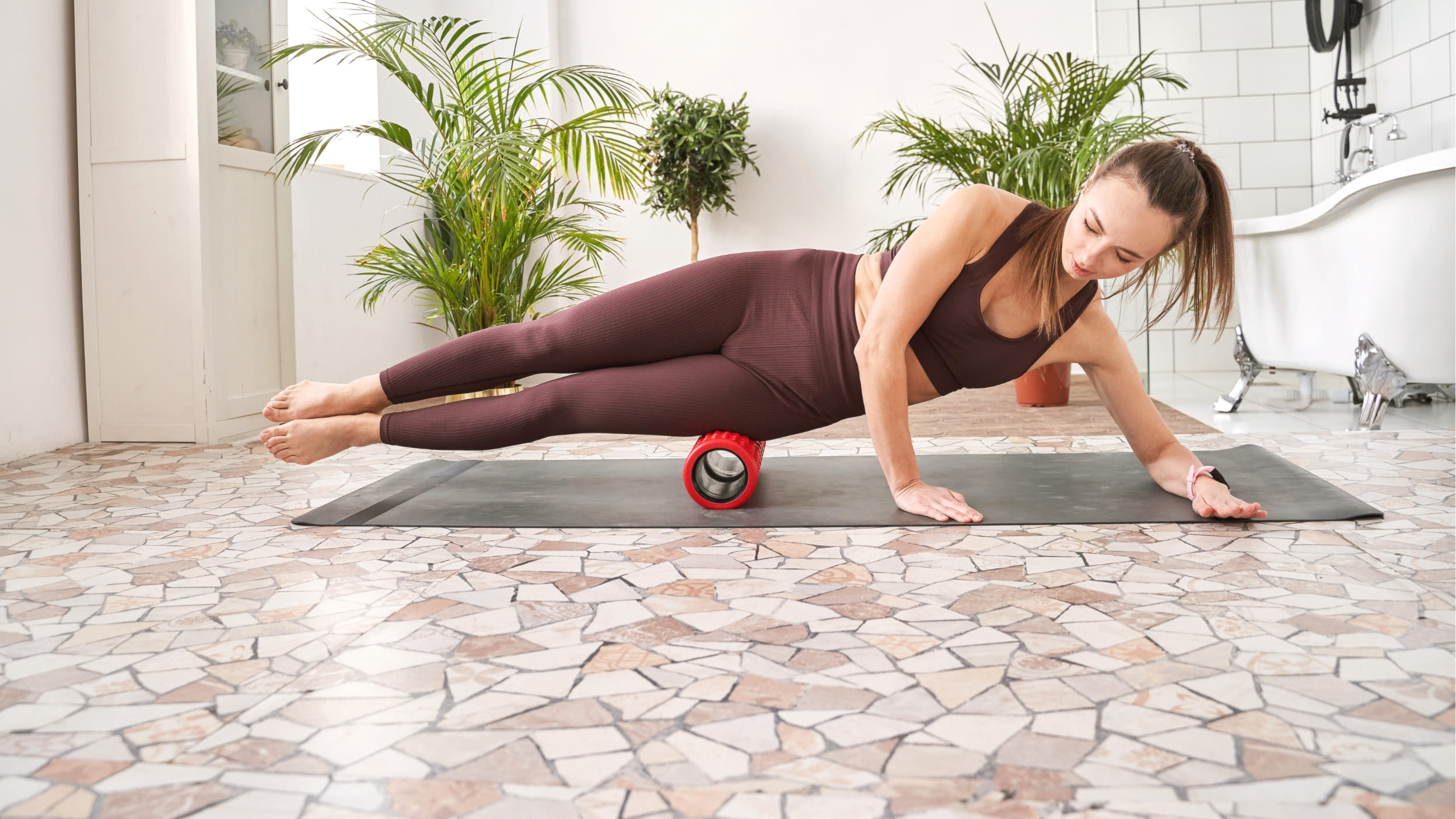
Sometimes I add foam rolling after the mobility sequence, especially on days when my back or hips feel particularly tight. Even five minutes of rolling makes a noticeable difference in how my muscles feel.
Adjusting Workouts Based on Energy and Symptoms
Not every day feels the same during PMS. Some mornings, I have more energy and can incorporate gentle bodyweight exercises or resistance bands into my mobility routine. Other days, I stick to the basic sequence focusing solely on circulation and tension release.
I’ve learned to listen to my body and adjust intensity accordingly. On high-fatigue days, I avoid anything that feels strenuous. On moderate-energy days, I add a few more reps or gentle pulses to enhance circulation. This flexibility has been crucial for staying consistent without feeling exhausted or overtaxed.
In my experience, giving myself permission to modify my routine has prevented burnout and allowed me to enjoy exercise rather than dread it. I also noticed that flexibility in my mobility practice correlates with improved mood and lower PMS irritability.
Mini Case Study: Real-Life Benefits
One client I coached reported severe PMS bloating and irritability that interfered with her work. After introducing a daily 15-minute mobility routine similar to mine, she noticed immediate improvements. By the second week, she felt lighter, more energetic, and her mood swings were less intense.
For both myself and clients, mobility routines during PMS have become a reliable tool for maintaining energy, emotional balance, and physical comfort. Even small, intentional movement sequences can create measurable relief.
Another client shared that performing hip and shoulder mobility sequences helped her manage tension headaches and upper back stiffness that often came with PMS. This reinforced my belief that full-body movement addresses not only emotional but also physical symptoms effectively.
How Mobility Improves Circulation, Mood, and Energy
Full-body mobility improves circulation to muscles and organs, aiding hormonal distribution and reducing fluid retention. I noticed that when I moved daily during PMS, my cramps were less painful, and my energy lasted longer throughout the day.
Mobility also has a psychological impact. The act of intentionally moving and stretching helps calm the nervous system and reduces irritability. I often pair my routines with deep breathing or meditation to enhance hormonal regulation and mental clarity.
Over time, I observed that these practices not only eased PMS symptoms but also improved my overall exercise consistency. Mobility became the foundation that allowed me to safely integrate other forms of movement during the menstrual cycle.
FAQs
What exercises help release hormones during PMS?
Full-body mobility routines like cat-cow stretches, hip circles, thoracic rotations, and gentle squats can stimulate circulation and hormone release
How often should I do mobility routines during PMS?
Once daily for 15–20 minutes is highly effective, though you can adjust based on energy levels and symptom severity
Can gentle mobility exercises relieve PMS cramps and tension?
Yes. Movements that target the spine, hips, and pelvis help reduce cramping and tension while supporting hormone balance
Can mobility exercises improve mood during PMS?
Absolutely. Gentle, rhythmic movements combined with breathwork can release endorphins, reduce cortisol, and help stabilize mood swings
Final Thoughts
PMS mobility routines are more than just gentle movement. They are a tool for hormone regulation, tension release, and energy management. I’ve found that even short daily sessions improve circulation, ease cramps, and help stabilize mood.
The key is consistency and listening to your body. Adjust intensity based on your energy and symptoms, and focus on movements that feel restorative. Over time, these routines create a foundation for hormonal balance and overall well-being throughout the menstrual cycle.
By prioritizing mobility during PMS, you support both your body and your mind. These routines are a simple, practical way to navigate the luteal phase with more ease, energy, and confidence.