Table of Contents
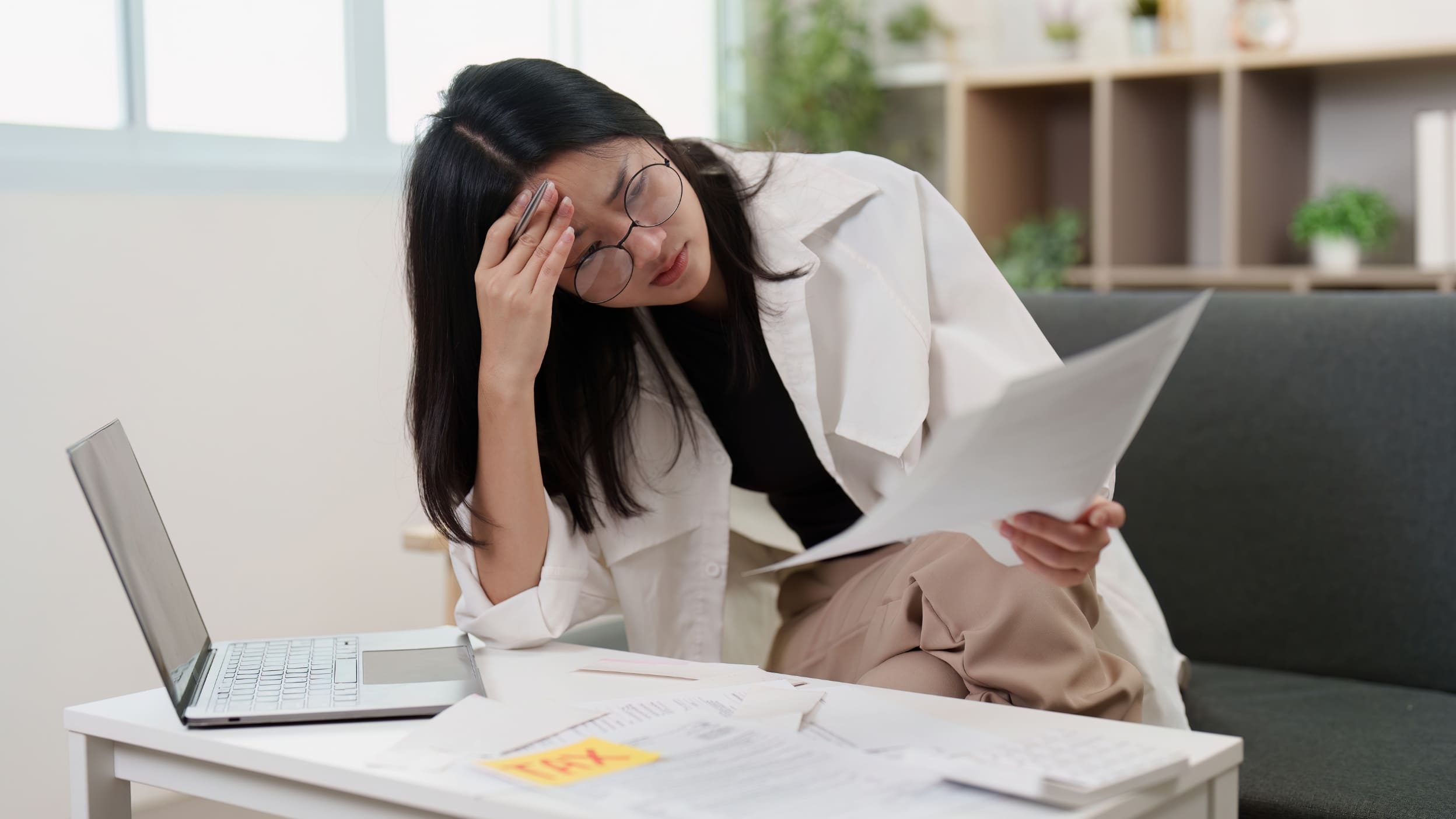
You know those days when everything feels like too much? The traffic light turns red at the wrong time, and suddenly you feel like the world is against you. Why pms makes stress feel ten times bigger. Or you spill coffee on your white shirt before an important meeting and find yourself blinking back tears. I’ve been there, many times.
For the longest time, I couldn’t figure out why some weeks I could handle stress like a pro and other weeks even small setbacks felt impossible. It wasn’t until I started tracking my menstrual cycle that I noticed a pattern. Every meltdown, every wave of overwhelm, every sleepless night seemed to land in the exact same phase: the days leading up to my period.
That was the turning point. I realized that PMS wasn’t just about cramps and cravings. It was also the reason stress felt magnified, like someone had turned up the emotional volume on my life. Once I understood that, everything started making sense.
Understanding What’s Really Happening During PMS
Our menstrual cycle isn’t just about fertility. It affects our mood, energy, productivity, and even how we respond to stress. The cycle is divided into four main phases: follicular, ovulatory, luteal, and menstrual. The luteal phase, which comes right before your period, is the one most closely tied to PMS.
During this phase, progesterone levels rise while estrogen levels begin to fall. Estrogen is like a natural antidepressant. It supports serotonin, which keeps your mood balanced. So when estrogen dips, your serotonin can dip too, leaving you more emotionally fragile.
At the same time, progesterone can have a calming effect for some people, but for others, it can lead to feelings of fatigue and low motivation. Add to that the physical symptoms like bloating, breast tenderness, and changes in appetite, and your body is under extra pressure.
This internal storm doesn’t just influence your body. It directly impacts your brain chemistry and how you perceive challenges. I remember once during my luteal phase, a small disagreement with a friend left me in tears. Looking back, the issue wasn’t the problem; it was my hormones altering my emotional resilience.
When I started studying this connection, I realized how normal it was. PMS isn’t about being weak or emotional. It’s about your body sending signals that it’s under strain and needs care, not criticism.
The Hormonal Rollercoaster: Why Small Problems Feel Huge
I used to think I just had to push through. Deadlines, social commitments, intense workouts, none of it stopped no matter what phase I was in. But the truth is, our hormones are in constant motion, and pretending otherwise only makes PMS worse.
Estrogen, which peaks around ovulation, is linked to motivation and confidence. You feel sharp, energetic, and social. But as you move into the luteal phase, estrogen drops and progesterone takes over. This hormonal shift affects how your brain processes stress.
The body’s main stress hormone, cortisol, interacts with estrogen and progesterone. When those hormones fluctuate, your stress threshold lowers. In simple terms, your body goes on high alert faster and stays there longer.
One time, a few days before my period, I found myself crying over a delayed delivery. I wasn’t really upset about the package; it was the built-up tension from work and hormonal shifts that made me feel like I couldn’t handle one more inconvenience.
When we understand that PMS changes how our brain handles cortisol, we can stop judging ourselves for overreacting and start managing our environment more intentionally. That self-awareness is powerful.
How PMS and Stress Feed Off Each Other
This is where the vicious cycle begins. PMS makes you more reactive to stress, and stress makes PMS symptoms worse. It’s like throwing gasoline on an already burning fire.
When you’re stressed, your body releases more cortisol. That cortisol can interfere with progesterone, creating an even bigger hormonal imbalance. The result? Worse cramps, more mood swings, and heightened anxiety.
I remember working through a particularly demanding month at my old job. I was under constant pressure, skipping meals, and sleeping poorly. When PMS arrived, it hit me like a truck. My patience was gone, my body felt heavy, and I couldn’t focus. It wasn’t just hormonal—it was stress amplifying every symptom.
Once I began managing stress proactively, my PMS symptoms became less intense. I learned that small daily choices, like resting when I needed to, staying hydrated, and avoiding caffeine overload, made a bigger difference than I expected.
The takeaway is simple: when you support your nervous system, you support your hormones too.
Real-World Triggers That Make PMS Stress Worse
Over time, I noticed certain habits made my PMS-related stress spiral out of control. These are the most common triggers I see, both in myself and others.
1. Poor Sleep
When I don’t get enough rest, I become more irritable and emotional, especially in the days before my period. Lack of sleep increases cortisol and reduces serotonin, both of which make PMS symptoms worse. I now protect my sleep like a sacred ritualno screens an hour before bed, dim lighting, and magnesium tea.
2. Caffeine Overload
Caffeine and PMS are not friends. During my luteal phase, that second coffee used to make me jittery and anxious. It raises cortisol levels, which only worsens the emotional ups and downs. I’ve switched to green tea or matcha, and it’s made a world of difference.
3. Skipping Meals
I used to ignore my hunger when I was busy, but that habit always backfired before my period. Blood sugar crashes lead to irritability, fatigue, and cravings. Now I plan balanced meals protein, fiber, and healthy fats to keep my energy and mood stable.
4. Overcommitting
Before I understood my cycle, I’d schedule everything in one week work presentations, social outings, workouts and end up exhausted. Now I plan lighter workloads and extra downtime during my luteal phase. It’s not laziness; it’s alignment.
5. Ignoring Emotional Needs
It’s easy to suppress feelings and keep moving, but I’ve learned that emotions don’t disappear they build. Journaling, walking in nature, or venting to a friend helps me process what’s really going on. Emotional awareness is a form of hormonal balance.
My Go To Strategies to Stay Grounded
These aren’t quick fixes. They’re lifestyle adjustments that took time, trial, and patience. But they’ve changed how I experience PMS and manage stress.
1. Cycle Tracking
Tracking my menstrual cycle was one of the most empowering things I’ve ever done. It turned chaos into clarity. By knowing when I’m likely to feel more emotional or tired, I can plan around it. I use an app, but even marking it on a calendar works.
2. Adjusting Workouts
In my twenties, I thought pushing harder meant progress. But during PMS, intense workouts often left me drained. Now I adjust yoga, stretching, or a gentle walk replaces heavy training. Movement is still medicine, but it has to match the body’s rhythm.
3. Nutrition Tweaks
I can’t overstate how much food matters. Magnesium-rich foods like spinach, almonds, and dark chocolate calm the nervous system. Omega-3s from salmon or chia seeds improve mood. I also reduce sugar, which stabilizes blood sugar and prevents mood crashes.
4. Mindful Downtime
I used to feel guilty resting, but I’ve learned that rest is productivity. If I feel overstimulated, I step away from screens, take a bath, or sit quietly with a book. Sometimes doing less is exactly what my hormones need.
5. Reframing Self-Talk
This one’s huge. For years, I labeled myself as “too emotional” during PMS. Now, I remind myself that my body is doing complex work behind the scenes. Self compassion diffuses stress better than any supplement ever could.
6. Supportive Supplements and Rituals
While I avoid anything extreme, I do use natural support like magnesium glycinate, B vitamins, and herbal teas. I also journal about gratitude and practice deep breathing daily. It’s not about perfection it’s about creating consistency.
When to Take It Seriously
While PMS-related stress is common, there’s a point where it becomes unmanageable. If you feel like your mood swings, anxiety, or fatigue disrupt daily life every month, it could be something deeper like PMDD, or simply a signal your body needs more care.
I’ve had months where PMS made me question everything from my job to my relationships. Back then, I thought I was falling apart. Now I understand those feelings as my body’s way of asking for balance.
If you ever reach that point, it’s okay to seek guidance and support. Sometimes lifestyle changes aren’t enough, and that’s valid. You deserve to feel steady and supported throughout your cycle.
FAQs About PMS and Stress
1. Why does stress feel overwhelming before my period?
Because estrogen and serotonin levels drop in the luteal phase, your brain becomes more sensitive to stress signals. That’s why even small problems can feel bigger.
2. Does PMS make anxiety worse?
Yes. PMS can heighten existing anxiety by lowering your stress threshold and altering your brain chemistry. Managing daily stress helps reduce this effect.
3. How can I cope when everything feels harder during PMS?
Prioritize rest, eat balanced meals, reduce caffeine, and track your cycle. Build awareness instead of pushing through. Compassion and consistency are key.
Final Thoughts
The biggest shift for me was realizing that PMS doesn’t make me broken it makes me human. Our cycles aren’t obstacles to overcome. They’re rhythms to work with.
When I stopped resisting and started listening, everything softened. My mood, my energy, even my relationships improved. Some months still catch me off guard, but instead of spiraling, I pause, breathe, and remind myself that it’s temporary.
Understanding how the menstrual cycle affects stress doesn’t just help you manage PMSit helps you build a kinder relationship with yourself. You start noticing patterns instead of judging them. You learn when to push and when to rest.
That awareness is freedom.
The next time stress feels overwhelming before your period, remember that it’s not just you being sensitive. It’s biology, chemistry, and life all intersecting. Give yourself grace. Drink some water. Take that nap.
Because when you work with your cycle instead of fighting against it, you reclaim your power. You stop seeing PMS as the enemy and start seeing it as a signal a reminder to slow down, care for yourself, and honor the natural rhythm that connects every part of who you are.