Table of Contents
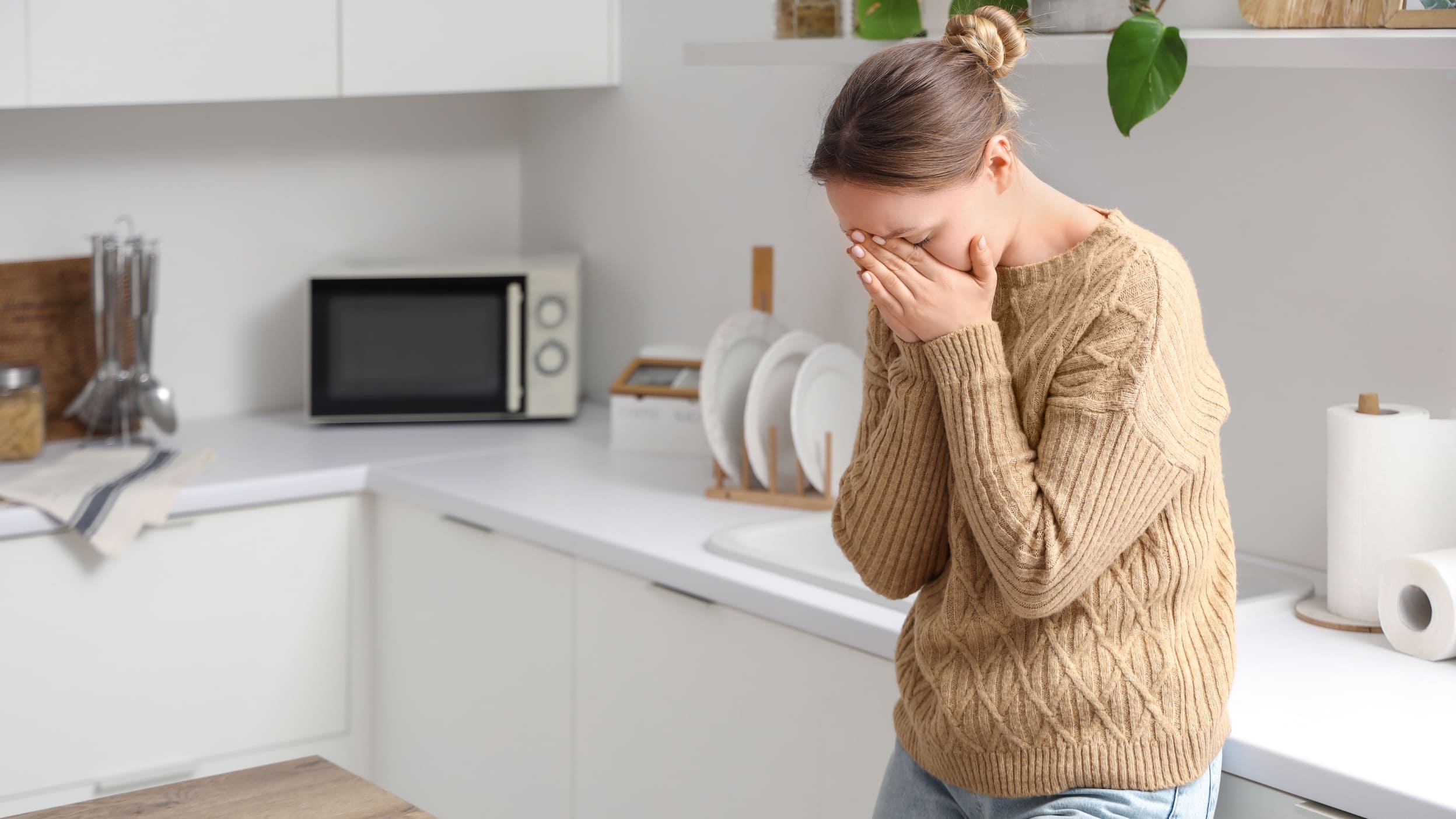
I used to think I just needed to toughen up. Every month, about a week before my period, I’d find myself irritated by things that normally wouldn’t bother me. Pms emotional triggers you can learn to predict. I’d cry over commercials, feel drained by conversations, and snap at people I cared about.
I remember one particular day when I got angry over a simple email at work. Five minutes later, I felt guilty and embarrassed, sitting in my car fighting back tears. That was the moment I realized this wasn’t just being moody. Something deeper was happening.
I started tracking how I felt each day and noticed a pattern. The same emotions like frustration, sadness, and anxiety showed up at the same point in my cycle every month. Once I connected the dots, I realized I wasn’t broken. My body was speaking a hormonal language I hadn’t learned to understand yet.
Recognizing that changed everything. It gave me permission to be curious instead of critical. It was the start of a more compassionate and informed relationship with my cycle and my emotions.
Why PMS Feels So Emotionally Intense
If you’ve ever felt like your emotions are louder or heavier before your period, there’s a biological reason for that. PMS can magnify small frustrations because your brain chemistry and hormones are in flux.
During the luteal phase, the one to two weeks before your period, estrogen begins to drop. Estrogen supports serotonin and dopamine production, so when it declines, your mood regulation weakens. At the same time, progesterone, which normally has a calming effect, rises and then drops sharply.
That combination changes how your brain processes stress and emotional information. You might notice that your patience runs out faster, your energy dips, or you take things more personally. It’s not a flaw or weakness. It’s a temporary shift in your body’s chemistry.
Before I understood this, I used to feel ashamed for being reactive. Now I know that my hormones simply lower my threshold for stress. Once I learned to anticipate that, I could prepare for it instead of fighting against it.
What Really Triggers Emotional PMS Symptoms
Hormones play a big role, but your daily habits can make PMS emotions much worse. Over the years, I’ve seen consistent patterns in myself and in the women I’ve worked with.
Lack of sleep: Even one bad night can make emotions more intense. Sleep deprivation increases cortisol and makes it harder to regulate your mood.
Too much caffeine: Caffeine raises cortisol and can worsen PMS-related anxiety. Cutting back before your period helps more than you’d think.
Blood sugar swings: Skipping meals or eating sugary snacks makes your mood unstable. Balanced meals with protein and fiber help stabilize emotions.
Stress overload: When you’re already running on empty, PMS just magnifies the exhaustion. Managing stress before PMS week is a game changer.
Overstimulation: Loud environments, crowded schedules, or too much screen time can overwhelm your nervous system when your hormones are already heightened.
When I started noticing these triggers, I could see how my choices impacted my PMS experience. Now, when I’m approaching my luteal phase, I intentionally create more quiet space, prioritize meals, and protect my sleep.
The Science of Emotional Sensitivity During PMS
The science behind PMS emotions is fascinating. During your luteal phase, estrogen and progesterone shift dramatically, which affects your brain’s neurotransmitters. Estrogen boosts serotonin, which makes you feel stable and motivated. When estrogen drops, serotonin drops too, leaving you more sensitive to stress and less resilient.
Progesterone can help you relax when balanced, but if it fluctuates quickly, it can lead to fatigue, low mood, or irritability. Cortisol, your stress hormone, also becomes more reactive, which explains why small annoyances can suddenly feel huge.
But there’s another side to this. Emotional sensitivity during PMS also enhances awareness. I started noticing that I became more reflective, intuitive, and emotionally honest during this time. Once I stopped judging those feelings and started listening to them, PMS became less of a struggle and more of a guide.
Your emotions during PMS are not random. They’re a reflection of how your body is processing both hormonal and emotional information.
How to Predict Your PMS Mood Swings
The best way to predict PMS mood changes is by tracking them. When I first started, I used a simple notebook. Each day, I’d write a few words about my energy, mood, and stress. Within a few months, I saw clear patterns.
For example, around day 21 of my cycle, I would feel more critical and impatient. Around day 25, I needed alone time. On day 27, I usually felt emotional or reflective. Once I could see those rhythms, I started scheduling my life around them.
Cycle tracking apps can also help. They connect your physical symptoms and emotional patterns, helping you understand when you’re entering your luteal phase and what to expect.
Here’s how my emotional phases usually look:
- Days 14 to 20: Energy dips slightly. I feel more introspective but still productive.
- Days 21 to 25: My emotions are heightened. I focus on grounding and rest.
- Days 26 to 28: I slow down completely and focus on comfort, hydration, and self-care.
When you can anticipate your emotional changes, you stop being surprised by them. You start planning your days with your hormones in mind, which leads to more control and self-trust.
Common Emotional Patterns to Watch For
While every woman’s emotional cycle is unique, there are common PMS emotional patterns that most of us experience. Recognizing yours makes it easier to support yourself.
| PMS Emotional Trigger | How It Feels | What It’s Signaling |
| Irritability | Snapping easily, frustration | Cortisol is high, you need rest |
| Sadness | Feeling tearful or lonely | Serotonin is dipping |
| Anxiety | Racing thoughts or worry | Blood sugar or progesterone shifts |
| Overwhelm | Unable to focus or decide | Nervous system fatigue |
| Self-criticism | Harsh inner voice | Reflective phase of the cycle |
I used to get frustrated with myself for being moody or negative, but once I saw these as natural fluctuations, I stopped resisting them. Now, I treat them as cues to slow down, eat well, and simplify my schedule.
Your emotional patterns aren’t problems to solve. They’re insights into what your body needs at different times of your cycle.
How to Manage PMS Emotional Triggers Better
Managing PMS emotions isn’t about suppressing them. It’s about creating conditions that help your body regulate itself more smoothly. These are the strategies that made the biggest difference for me.
1. Stabilize Blood Sugar
I eat every three to four hours during PMS week, making sure to include protein, complex carbs, and healthy fats. A balanced breakfast keeps my energy stable all day. Skipping meals almost guarantees I’ll be moody or anxious.
2. Name the Emotion
When emotions spike, I take a breath and name what I’m feeling. Saying “I feel anxious” or “I feel irritable” instantly makes me more self-aware. It’s a small act that keeps me from reacting impulsively.
3. Move Intentionally
Exercise helps regulate hormones, but I stick to lower-intensity workouts like walking or yoga during PMS. High intensity exercise can increase cortisol, which often makes emotions worse.
4. Prioritize Rest
This phase is your body’s natural time to slow down. I schedule fewer commitments, go to bed earlier, and allow myself to recharge. Rest isn’t laziness. It’s hormonal support.
5. Journal or Reflect
Writing helps me process emotions before they build up. I ask myself questions like “What do I need right now?” or “Is this thought true?” Reflection brings perspective and calm.
Over time, these habits reduced my PMS intensity and helped me build a routine that feels sustainable and compassionate.
Real-World Techniques That Help Calm Emotional Reactivity
When emotions feel too strong, I use quick grounding techniques that help me reset fast.
Breathing techniques: Slow, deep breathing reduces stress hormones and helps your body return to balance. I use a pattern of inhaling for four counts, holding for four, and exhaling for six.
Temperature therapy: Splashing cold water on my face or applying a warm compress to my stomach instantly shifts my focus and soothes my body.
Sensory grounding: Touching something textured, smelling essential oils, or stepping outside for fresh air can bring me back into the moment.
Magnesium and hydration: I always take magnesium glycinate during PMS because it supports relaxation and sleep. Staying hydrated also helps flush out excess hormones.
Cycle syncing: I plan my schedule and workouts based on my cycle. I save creative projects for the follicular phase and self-care for the luteal phase. This alignment helps me avoid emotional overload.
These techniques don’t eliminate emotions. They give you space to experience them calmly and with more control.
FAQs
What triggers emotional PMS symptoms?
Hormonal fluctuations in estrogen and progesterone affect serotonin and cortisol levels, which regulate mood and stress responses. Lifestyle factors like sleep and diet also influence them.
How can I predict mood swings before my period?
Track your emotions daily for two or three months. Patterns will emerge showing when you’re most sensitive or reactive.
Why do small things upset me more before my period?
Your brain is more sensitive to stress when serotonin dips and cortisol rises. This hormonal state amplifies emotional reactions.
Final Thoughts
Learning to recognize and predict PMS emotional triggers completely changed how I experience my cycle. What once felt unpredictable now feels like a rhythm I understand and respect.
When I stopped fighting my emotions and started listening to them, my entire approach to self-care shifted. PMS no longer feels like an obstacle. It feels like an opportunity to slow down, reset, and connect with myself on a deeper level.
Your emotions during PMS aren’t weaknesses. They’re signals asking you to care for yourself differently. Once you learn to anticipate and honor those signals, you’ll find balance even in the moments that used to feel chaotic.
The truth is, your hormones aren’t working against you. They’re working for you. The more you align with them, the more peace, productivity, and self-awareness you’ll find throughout every cycle.