Table of Contents
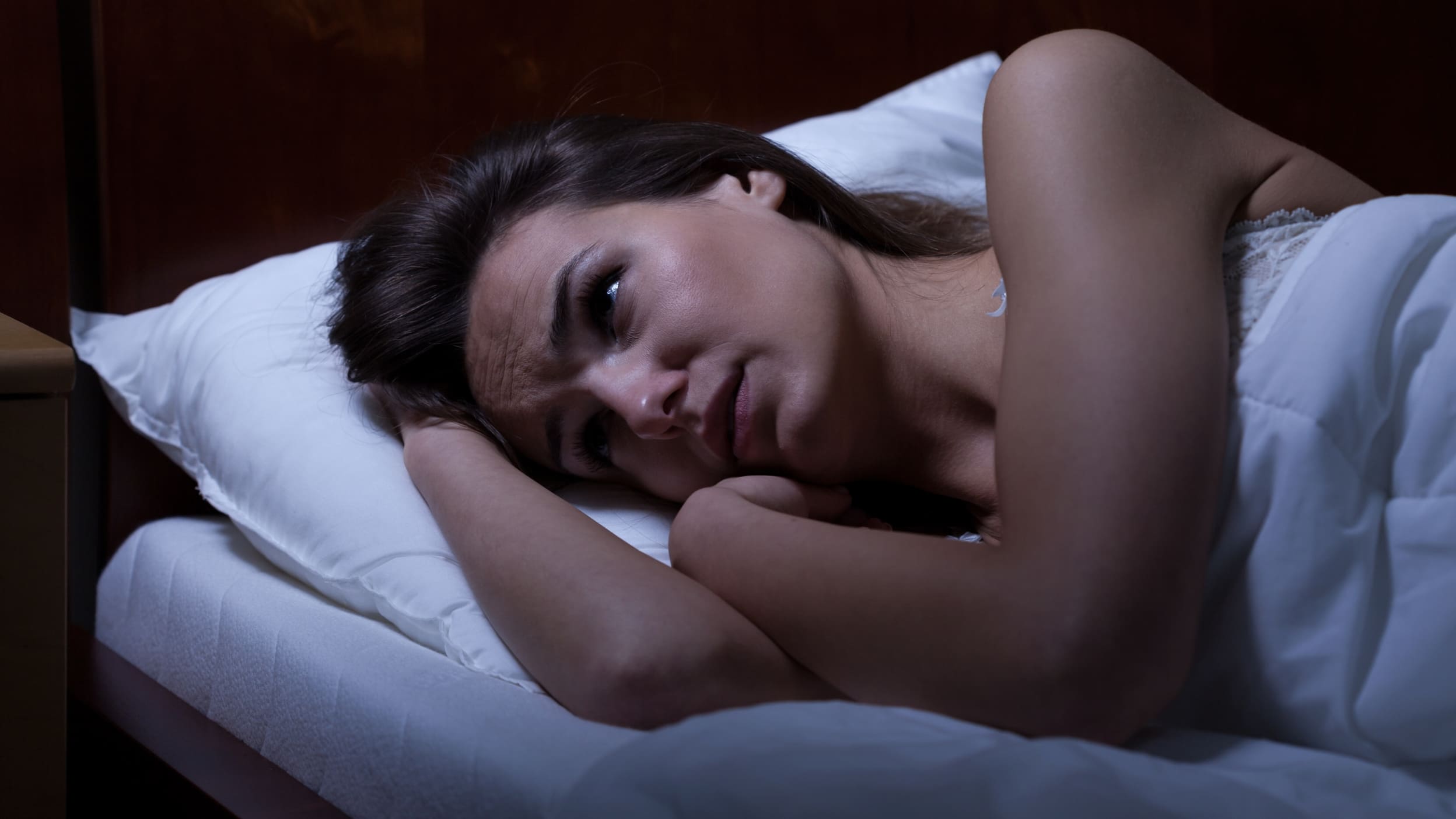
I still remember the night that changed everything for me. It was one of those evenings where I felt wired but exhausted at the same time. Pms symptom flares caused by poor sleep quality. I stared at the ceiling for hours, my mind racing even though my body was begging for rest. When morning came, I felt drained, heavy, and irritable. Every small thing annoyed me, and my PMS symptoms seemed to double overnight.
At first, I thought it was just another rough cycle, but the pattern kept repeating. The nights I slept poorly always led to the hardest PMS days. That’s when I realized my sleep wasn’t just affecting my energy. It was directly influencing my hormones and making my PMS flare up in ways I couldn’t ignore.
Once I began paying attention, the link became obvious. Poor sleep wasn’t just making me tired. It was making me anxious, moody, and more sensitive to pain. That realization changed the way I approached self-care during PMS, and it became one of the most valuable lessons in understanding my body.
How Poor Sleep Triggers PMS Symptom Flares
Sleep isn’t just rest. It’s the foundation for hormonal balance, emotional regulation, and physical recovery. When you miss out on quality sleep, every system in your body feels the strain, including the one that governs your menstrual cycle.
I learned that when I stayed up late, scrolled my phone, or skipped my bedtime routine, my PMS symptoms would always flare up harder. My cramps felt stronger, my patience thinner, and my anxiety louder. It wasn’t a coincidence. Poor sleep raises cortisol, your main stress hormone, while reducing serotonin and melatonin.
During PMS, when hormones are already fluctuating, that combination creates chaos. Your nervous system becomes more reactive, and even normal discomfort feels amplified. This is why a single sleepless night can make PMS feel so much worse. Once I understood this connection, I stopped seeing sleep as optional and started treating it like a crucial part of my hormone health.
What’s Happening in Your Body When You Don’t Sleep
When you don’t get enough rest, your body doesn’t have time to repair or regulate hormones properly. Deep sleep is when your brain clears stress chemicals, your organs detoxify, and your hormones reset. Losing that time disrupts everything from mood to digestion.
During the luteal phase of the menstrual cycle, your hormones naturally shift in preparation for your period. If you’re not sleeping well, this process becomes unstable. Estrogen and progesterone levels drop unevenly, which can trigger anxiety, irritability, and bloating.
I noticed this firsthand during a busy month when my sleep averaged only five hours a night. My PMS symptoms were out of control. I was bloated, emotional, and on edge. My cravings for sugar and caffeine were sky-high, which only made the cycle worse. My body wasn’t asking for coffee it was begging for rest.
Sleep loss also increases inflammation, making cramps and muscle soreness more painful. I used to power through, thinking I was just being “emotional,” but my body was clearly sending signals that it needed recovery.
Why PMS Feels Worse After a Bad Night’s Rest
There’s something uniquely frustrating about waking up after a sleepless night and realizing your PMS has hit harder than usual. I used to think I was overreacting until I learned how lack of sleep affects the nervous system.
Poor sleep makes your brain more sensitive to stress. It lowers your ability to regulate emotions and intensifies physical discomfort. I remember waking up after two restless nights and feeling like everything was too much. My cramps were sharper, my mood unpredictable, and even simple tasks felt overwhelming.
Sleep deprivation also affects how your body processes pain. Studies show that when you’re tired, your pain threshold drops. That means cramps and body aches that you might normally tolerate become almost unbearable after a bad night’s rest.
Once I made this connection, I stopped blaming my emotions and started focusing on sleep hygiene. It became clear that managing PMS wasn’t just about supplements or diet it was about supporting my body’s need for deep, consistent rest.
The Sleep Hormone Connection Explained
Sleep and hormones are partners. They rely on each other to keep your body in balance. When one is off, the other quickly follows.
Estrogen and progesterone play a major role in how well you sleep. Estrogen supports serotonin production, which helps regulate mood, while progesterone promotes relaxation. But during the luteal phase, both hormones drop. That’s why so many women experience insomnia, vivid dreams, or restless nights before their period.
When you add poor sleep to that mix, it throws your entire hormonal system out of rhythm. Low melatonin levels make it harder to fall asleep, and high cortisol levels make it harder to stay asleep. It becomes a frustrating cycle that makes PMS feel never-ending.
For me, understanding this connection was empowering. It helped me realize that sleep wasn’t just about feeling rested it was about giving my hormones a chance to find equilibrium. When I prioritized rest, my PMS symptoms started to lose their edge. My cycles became steadier, my emotions more predictable, and my recovery faster.
Real Lifestyle Factors That Make PMS and Sleep Collide
It’s not just hormones that mess with sleep. The way we live can make PMS worse without us even realizing it. For years, my habits were unintentionally fueling the cycle.
Caffeine and Stimulants
When fatigue hit, I reached for coffee or energy drinks. The quick boost helped me stay alert, but it also spiked my cortisol and kept me wired at night. Cutting off caffeine after 2 p.m. made a noticeable difference in how easily I fell asleep.
Screens Before Bed
Scrolling on my phone became a bedtime routine, but that blue light was disrupting melatonin production. I replaced late-night screen time with reading or journaling, and my sleep improved within days.
Overworking and Stress
I used to push through long hours, thinking rest was something I’d catch up on later. The truth is, stress makes sleep shallow and fragmented. Setting boundaries with work and building downtime into my evenings helped calm my nervous system.
Diet and Sugar
High-sugar snacks before bed made me feel temporarily comforted but led to restless sleep. Now I choose evening snacks with protein and complex carbs, like yogurt with oats or almond butter toast. My body feels calmer, and I wake up less bloated.
These small adjustments didn’t just improve my sleep they changed how my entire PMS week felt.
How I Improved My PMS by Fixing My Sleep Routine
When I started focusing on my sleep, I noticed improvements within two cycles. I wasn’t chasing perfection, just progress.
I began by setting a consistent bedtime and wake-up time. It trained my body to recognize when it was time to rest. I also kept my room cool and dark, invested in blackout curtains, and swapped bright lights for soft, warm bulbs in the evening.
I created a simple wind-down ritual. About an hour before bed, I’d make a cup of chamomile tea, stretch, and read a book. Sometimes I’d write in a journal to release whatever was on my mind. That quiet transition helped signal to my body that it was safe to relax.
The result was remarkable. My cramps became lighter, my bloating less intense, and my mood swings less dramatic. It wasn’t magic it was consistency. I realized that good sleep was the foundation my hormones needed to function properly.
Practical Tips for Better Sleep During PMS
These are the steps that helped me and many women I’ve coached manage PMS symptom flares caused by poor sleep quality.
1. Keep a Sleep Journal
Track your bedtime, wake-up time, and PMS symptoms for at least one month. Patterns will reveal themselves. You’ll start to see how nights of poor sleep correlate with stronger symptoms.
2. Prioritize Magnesium
Magnesium supports relaxation and muscle recovery. I include magnesium-rich foods like almonds, spinach, and avocado in my meals, or take a supplement before bed.
3. Move Your Body Daily
Exercise improves sleep quality and reduces PMS tension. I focus on gentle movement during the luteal phase, like walking or yoga, instead of high-intensity workouts.
4. Create a Restful Sleep Environment
Keep your room dark, quiet, and cool. If light or noise is an issue, use blackout curtains and a white noise app. A comfortable mattress and pillow also make a huge difference.
5. Practice Mindful Breathing
When my mind races at night, I use deep breathing to calm my body. I inhale slowly for four seconds, hold for four, and exhale for six. It helps me fall asleep faster and stay asleep longer.
6. Avoid Alcohol and Heavy Dinners
Alcohol and large meals close to bedtime can interfere with deep sleep. I switched to lighter dinners and replaced my evening glass of wine with herbal tea. My mornings felt clearer and calmer.
7. Honor Rest Without Guilt
If your body asks for an early bedtime, listen. I used to see rest as weakness, but now I see it as one of the most powerful tools for hormonal balance.
FAQs About PMS and Poor Sleep
1. How does poor sleep affect PMS symptoms?
Poor sleep increases cortisol, reduces serotonin, and heightens inflammation, which makes PMS symptoms like cramps, mood swings, and fatigue worse.
2. Can PMS make it harder to sleep?
Yes. Hormonal changes before your period affect body temperature and melatonin production, which can cause restlessness or insomnia.
3. What can I do to prevent PMS flares caused by poor sleep?
Establish a consistent sleep schedule, reduce caffeine and alcohol, and create a relaxing nighttime routine with breathing or journaling.
Final Thoughts
If there’s one thing I’ve learned, it’s that sleep is the most underrated form of self care. For years, I tried every supplement and workout plan to manage PMS, but nothing helped until I started prioritizing rest.
Poor sleep doesn’t just make you tired it destabilizes your hormones, heightens your emotions, and drains your energy. When you honor your body’s need for rest, everything changes. Your mood evens out, your focus improves, and your PMS becomes easier to manage.
Now, I treat sleep as sacred. I protect it the same way I protect my work schedule or relationships because it’s the foundation of everything else. If you’re struggling with PMS flares, start with your sleep. It’s the simplest and most powerful step toward balance.