Table of Contents
I can always tell when my period is coming. Not from my calendar app, but from the subtle signals my body gives me. My shoulders start to bunch up toward my ears, my lower back aches for no reason, and even my jaw feels tight. It’s as if my whole body is bracing for something.
In my early twenties, I thought this tension meant I was just stressed or sitting wrong. But years later, as both a woman and a coach who works with women through hormonal phases, I realized this is something far more specific: PMS muscle tension.
It’s that strange, invisible heaviness that makes your body feel stiff and sore even when you haven’t worked out. What’s interesting is how predictable it is. It shows up almost every month, right before your period, as hormones shift and inflammation quietly builds.
The empowering part is that once you recognize it, you can do something about it. Over the years, I’ve tested countless release methods and workouts designed specifically for this phase. Through that process, I discovered practical and simple ways to ease tension and support my body so it can move and recover smoothly again.
Why Muscles Feel Tighter Before Your Period
If you’ve ever woken up during PMS feeling like your body is one giant knot, you’re not imagining it. There’s real biology behind that stiffness. Hormonal fluctuations in the luteal phase affect everything from hydration to inflammation levels, and those changes directly impact how your muscles feel.
Estrogen and progesterone fluctuations play a huge role. As estrogen drops and progesterone rises, your body becomes slightly more inflamed. It retains more water, which makes tissues swell and feel heavy. The result is tightness, bloating, and slower muscle recovery.
Then there’s the magnesium factor. Magnesium helps muscles contract and relax properly, but it tends to dip right before menstruation. Without enough of it, your muscles can stay in a semi-contracted state, leaving you sore and tense even if you haven’t trained.
And finally, cortisol. When PMS symptoms kick in, stress levels often rise. Even mild stress can make your shoulders, neck, and back tense up without you realizing it. Combine that with the physical discomfort of bloating and cramps, and your whole body ends up in defense mode.
Recognizing these triggers makes it easier to approach PMS tension with care instead of frustration. Your body isn’t broken, it’s reacting to hormonal shifts that are completely natural.
The Science Behind PMS Muscle Tension
When I first started researching this for myself and my clients, one thing stood out: your muscles are not just mechanical, they’re hormonal too. They react directly to changes in your endocrine system.
During PMS, two things happen that contribute to stiffness and soreness. First, your connective tissues become less pliable as estrogen declines. Estrogen has a softening, anti-inflammatory effect, and when it dips, the tissues surrounding your muscles feel tighter. Second, progesterone increases your body temperature slightly, which can make you feel warm but also sluggish, almost like you’re moving through molasses.
I’ve noticed that many women mistake this for weakness, but it’s actually your body working harder to regulate itself. In fitness terms, this means it’s not the ideal time to chase personal records or push through tough workouts. Instead, it’s the perfect time to support your muscles with gentle recovery work.
If you ignore these signs and keep training intensely, you might find yourself feeling more fatigued and less recovered. But when you adapt your movement, the difference is incredible. You feel lighter, calmer, and your PMS symptoms become far easier to manage.
The Best Ways to Release PMS Muscle Tightness
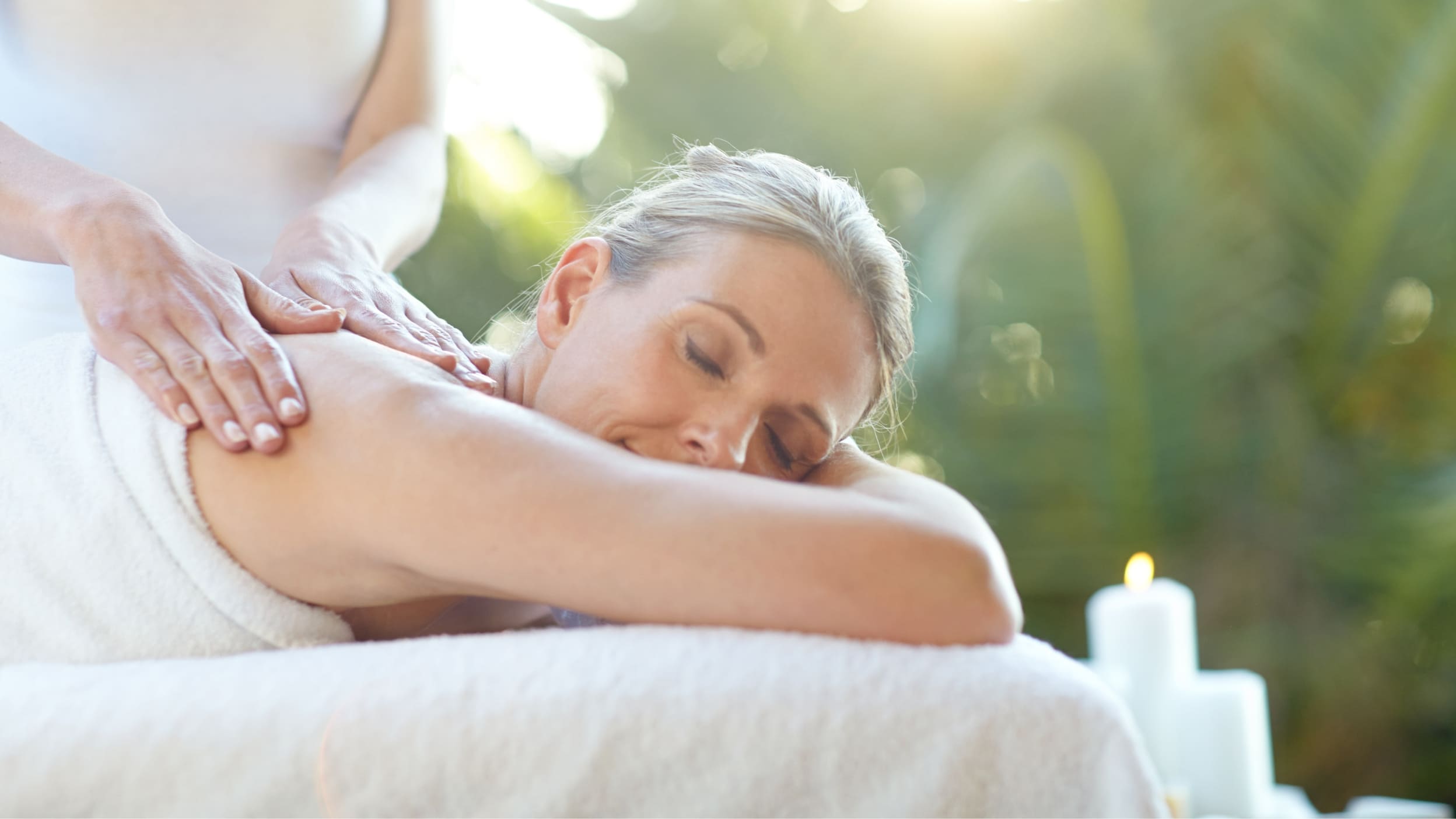
You don’t need a spa day or an expensive massage to ease PMS muscle tension. The most effective methods are often the simplest and can be done right at home. The goal isn’t to force relaxation but to coax your body into it.
1. Breathwork before movement
This is always my first step. Slow, deep breathing helps reset your nervous system, which often drives muscle tension during PMS. I like to inhale through my nose for four counts and exhale through my mouth for six. You’ll feel your shoulders drop almost instantly.
2. Foam rolling or self-massage
Focus on large muscle groups that store tension such as glutes, hamstrings, quads, and shoulders. Move slowly, breathing through the discomfort instead of pushing past it. Even five minutes can make a difference.
3. Heat therapy
Heat is a lifesaver for PMS tension. It boosts blood flow and soothes tight muscles. I use a heating pad on my lower abdomen and back or take an Epsom salt bath before bed to relax everything.
4. Restorative yoga
Gentle yoga poses like Child’s Pose, Legs-Up-The-Wall, or Reclined Butterfly are great for calming your system. Hold each for a few minutes and focus on your breath. These postures ease pressure on the lower back and promote circulation.
5. Stay hydrated and mineralized
Dehydration makes PMS worse. I add a pinch of sea salt or electrolyte powder to my water, which helps balance minerals and prevent cramping.
These steps sound simple, but they compound over time. Once your body realizes it’s safe to relax, your muscles follow suit.
Gentle Workouts That Actually Help
The instinct to rest during PMS is natural, but complete stillness can sometimes make the tension worse. Light, intentional movement helps stimulate circulation and encourages the release of trapped tension. The key is moderation.
Low intensity cardio like walking or cycling at a gentle pace works wonders. Even 20 minutes outside can lift your mood, improve circulation, and ease cramps.
Mobility flows are another go to for me. Think of them as dynamic stretches like cat-cows, shoulder rolls, hip circles, and torso twists. They keep your joints fluid and your fascia flexible.
I also recommend light resistance training during this phase. Bodyweight squats, glute bridges, and gentle band work can help maintain strength without overloading your system. Focus on slow, mindful reps instead of intensity.
Finally, stretching routines after workouts make a huge difference. Spend a few extra minutes on your hips, hamstrings, and lower back. This is where tension tends to build most for women before their period.
I always tell my clients, PMS workouts aren’t about performance, they’re about support. You’re not losing progress by slowing down. You’re allowing your body to recover smarter.
How to Use Active Rest and Mobility for Recovery
When I say active rest, I mean moving with purpose but without pressure. It’s one of the best-kept secrets for managing PMS tension.
Here’s what a weekly active rest structure might look like during your PMS phase:
| Day | Focus | Duration |
| Day 1 | Restorative yoga and breathwork | 30 minutes |
| Day 2 | Brisk walk or light cycle | 25 minutes |
| Day 3 | Full-body mobility routine | 20 minutes |
| Day 4 | Foam rolling and stretching | 15 to 20 minutes |
| Day 5 | Active rest day (gentle movement only) | Flexible |
These days aren’t about sweating. They’re about recharging. The movement increases blood flow, improves oxygen delivery to muscles, and helps flush out the stiffness that hormonal changes create.
On particularly heavy PMS days, I like to pair my movement with soothing rituals like lighting a candle, playing calming music, or diffusing lavender oil. That sensory calm amplifies physical release.
My Experience Coaching Women Through PMS Tension
Over the years, I’ve worked with countless women who were frustrated that their workouts felt harder right before their period. I remember one client who described her PMS week as moving through concrete. Her legs felt heavy, her shoulders ached, and her motivation vanished.
We shifted her training approach. Instead of high intensity circuits, we introduced slower paced resistance workouts, restorative yoga, and foam rolling. Within two cycles, she said her PMS phase felt completely different, no more heaviness and no more soreness that lingered for days.
What that taught me is that the body responds quickly when it’s supported, not forced. You don’t have to fight your hormones, you just have to understand them. When women honor that, their performance actually improves long-term because they’re no longer burning out before their cycle resets.
At Home Release Techniques for Real Relief
If you prefer to manage PMS tension from the comfort of your home, these simple tricks work exceptionally well.
1. The tennis ball method
Sit or lie on a tennis ball under tight muscles like your glutes, lower back, or shoulders and apply slow, gentle pressure. It’s a DIY massage that works wonders.
2. Warm shower mobility
I stretch my shoulders and neck under warm water in the shower. The combination of heat and movement relaxes both muscles and fascia.
3. Diaphragmatic breathing
This breathing technique calms your nervous system and reduces tension. Place one hand on your belly and one on your chest. Breathe deeply so only your belly rises. Do this for two minutes before bed.
4. Bedtime stretching
A quick stretch before sleep can release lingering tightness. Try seated forward folds or gentle twists. It helps your body wind down naturally.
These at-home habits take just a few minutes but bring consistent relief if practiced regularly.
FAQs
1. Why do my muscles feel tighter during PMS?
Hormonal changes, inflammation, and mineral depletion cause increased muscle stiffness during PMS. It’s your body’s natural response to cycle shifts.
2. Should I rest or stretch more during PMS?
A mix of both works best. Gentle stretching, mobility work, and active rest promote flexibility and prevent soreness.
3. What exercises are best for PMS muscle tension?
Low-intensity cardio, restorative yoga, and light resistance workouts help release tension while maintaining circulation and strength.
Final Thoughts
If there’s one lesson I’ve learned from navigating PMS muscle tension, it’s this: your body doesn’t need to be fixed, it needs to be understood.
The tightness, fatigue, and heaviness you feel before your period aren’t flaws. They’re signals. They’re your body’s way of saying slow down, soften, and listen.
When you respond with care through breath, gentle movement, hydration, and rest, you create balance. You start to notice that your body isn’t working against you, it’s guiding you.
These small, mindful choices don’t just reduce physical tension. They build trust between you and your body. And that trust changes everything, not just during PMS, but all month long.