Table of Contents
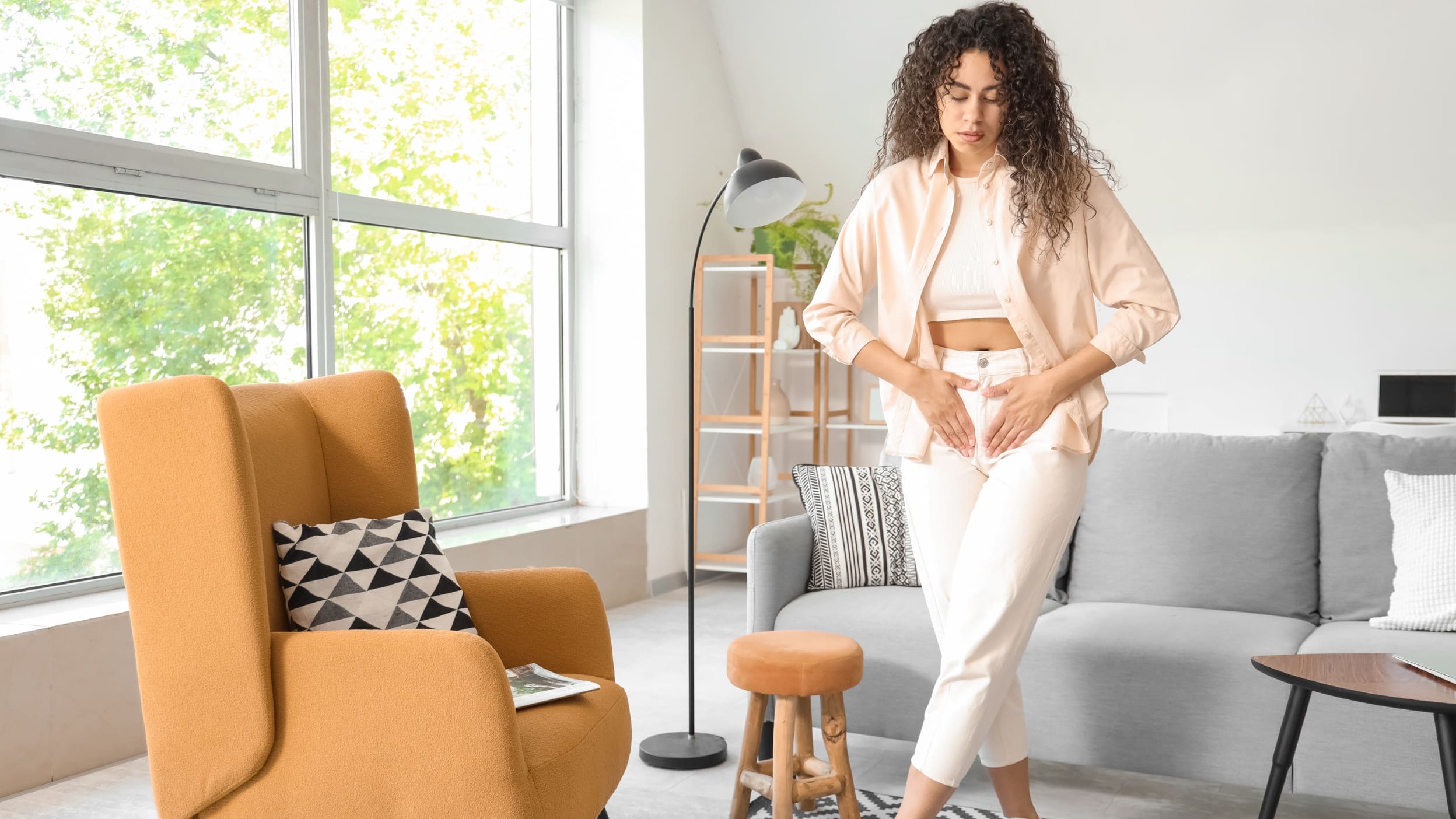
Let’s be honest, few things can throw off your mood and focus like period cramps. I’ve had mornings when I could barely sit through a meeting because my stomach felt like it was twisting from the inside. How to ease pms cramps with simple lifestyle changes. For years, I accepted it as part of being a woman, something to power through. But once I began tracking my menstrual cycle and understanding what my hormones were actually doing, I realized those cramps weren’t random at all.
PMS cramps happen when prostaglandins, hormone-like compounds, increase right before your period starts. These chemicals help your uterus contract to shed its lining. When they build up too much, those contractions become painful. Add in stress, dehydration, poor nutrition, or lack of sleep, and it becomes a perfect storm for discomfort.
The good news? You can actually calm this storm by adjusting your daily habits. I’ve seen it in myself and in countless women I’ve coached: small, consistent lifestyle changes can dramatically reduce pain, bloating, and emotional swings.
Why Cramps Get Worse Before Your Period
If you’ve ever noticed your cramps or mood dips getting worse a few days before your period, that’s no coincidence. It happens during the luteal phase, the two weeks between ovulation and menstruation. During this time, progesterone levels drop and prostaglandins rise, creating the tension and inflammation that trigger cramps.
I used to think I was doing something wrong when I felt unusually tired or moody during that phase. Now I understand it’s my body’s natural signal to slow down. When stress levels are high, cortisol spikes, which can make cramps sharper and recovery slower.
Recognizing this pattern was a game changer. I stopped scheduling big deadlines or intense workouts during my luteal phase and instead used that time to rest more, eat better, and focus on lighter movement. The result was less pain, better sleep, and a noticeable boost in emotional balance. Once you learn how your menstrual cycle and its phases work together, you can plan ahead instead of reacting to discomfort when it hits.
Lifestyle Shifts That Actually Help
Over the years, I’ve tried every quick fix under the sun: heating pads, herbal teas, essential oils, and miracle supplements. Some gave short-term relief, but real progress came when I made long-term lifestyle adjustments. These changes didn’t just ease my PMS cramps; they made my entire cycle more predictable and manageable.
Balance Blood Sugar
I didn’t realize how much my energy crashes were linked to cramps until I started eating for blood sugar balance. When you skip meals or rely on processed carbs, your insulin spikes, and so does inflammation. The body interprets that as stress, which worsens PMS symptoms.
What helped me:
- Eating breakfast with protein, fat, and fiber
- Avoiding caffeine before food
- Choosing complex carbs like oats, sweet potatoes, and lentils
Manage Stress Before It Manages You
I can’t overstate how powerful stress management is. During my busiest months, my cramps were unbearable. Once I started adding 10 minutes of deep breathing, gentle stretching, or journaling into my day, my PMS pain noticeably decreased.
Here’s why: stress hormones directly affect estrogen and progesterone balance. When cortisol stays high, inflammation builds up and intensifies uterine contractions.
Sync Your Schedule
Cycle syncing changed my relationship with my body. Instead of forcing productivity during low-energy days, I began matching tasks to my hormonal rhythm.
- Follicular and ovulation phases: my most productive, creative time
- Luteal phase: focus on review, planning, and rest
- Menstrual phase: full permission to recharge
When you sync your schedule, you stop fighting your body and start supporting it. That simple shift can make PMS much easier to handle.
Nutrition: Foods That Calm PMS Pain
I used to underestimate how much food affected my cycle until I tracked what I ate around my period. Once I started focusing on nutrient-rich, anti-inflammatory meals, my cramps reduced significantly. Here’s what consistently made the biggest difference for me and my clients
| Nutrient | Food Sources | Benefit |
| Magnesium | Dark chocolate, spinach, pumpkin seeds | Relaxes muscles and eases tension |
| Omega-3s | Salmon, chia seeds, walnuts | Lowers prostaglandins and reduces inflammation |
| Iron | Lentils, lean red meat, spinach | Replenishes what’s lost during bleeding |
| Vitamin B6 | Bananas, chickpeas, avocados | Regulates hormones and supports mood |
| Hydration | Water, herbal teas, coconut water | Reduces bloating and muscle fatigue |
I also try to avoid caffeine and salty foods right before my period, as both can cause dehydration and bloating. A magnesium-rich snack like dark chocolate with almonds has become my go-to pre-period treat. It satisfies cravings while actually helping my body relax.
Movement : How Exercise Eases Menstrual Cramps
Exercise is one of the most underrated tools for managing PMS. I used to skip workouts completely when cramps hit, but once I learned how to move intentionally through each cycle phase, everything changed.
During the follicular phase, when energy is high, I lift weights or do interval training. As I move into the luteal phase, I slow down with yoga, Pilates, or long walks. These gentler workouts improve circulation, reduce fluid retention, and ease uterine contractions.
Even on my period, I try light stretching or restorative yoga. It sounds small, but moving even a little helps the body release endorphins, which are natural painkillers. One of my favorite routines is lying on my back with knees bent and breathing deeply into my belly for five minutes. It grounds me and physically softens the tension that builds in my abdomen.
The trick is to move with your body, not against it. When I stopped punishing myself for needing rest and started embracing the rhythm of my menstrual cycle, my cramps became noticeably milder and my overall energy more consistent.
Daily Habits That Make PMS Easier to Manage
Once I built consistent habits around my cycle, my PMS stopped feeling like a monthly battle. Here are the daily practices that continue to make a difference for me
- Track your cycle. Use an app or notebook to spot patterns in mood, energy, and pain
- Sleep 7–8 hours. Rest supports hormonal repair and reduces pain sensitivity
- Stay hydrated. Water helps flush out excess sodium and prostaglandins
- Use warmth. A heating pad or warm bath can soothe muscles instantly
- Apply magnesium lotion or take supplements. It helps calm muscle contractions naturally
- Reduce processed foods. Processed snacks increase inflammation and bloating
- Prioritize self-care rituals. Light stretching, journaling, or tea before bed signal safety to your body
The key is consistency. You don’t need to overhaul your lifestyle overnight. Even one or two of these changes, practiced regularly, can transform your premenstrual week into something far more manageable.
When PMS Pain Might Be More Than “Normal”
For years, I assumed my cramps were normal. They weren’t. If your pain is severe enough to stop you from working, exercising, or sleeping, that’s your body telling you something needs attention.
Persistent, intense cramps can be linked to hormonal imbalances, nutrient deficiencies, or conditions like endometriosis. It’s worth tracking your symptoms for at least three months and noticing patterns. Are your cramps getting worse over time? Are they accompanied by nausea, dizziness, or extreme fatigue?
I once coached a client who thought her monthly pain was just severe PMS, but after tracking her symptoms, she discovered deeper hormonal imbalances that needed treatment. Once she adjusted her diet and stress levels, her pain lessened dramatically.
The takeaway? Don’t normalize extreme discomfort. Awareness is the first step toward healing.
FAQs About PMS Relief
How can I reduce PMS cramps naturally at home?
Use warmth on your abdomen, stay hydrated, stretch daily, and eat anti-inflammatory foods like leafy greens and fatty fish. Magnesium and omega-3s help significantly.
Does exercise really help reduce menstrual cramps?
Yes. Movement improves blood flow, releases endorphins, and helps regulate hormones. The key is adjusting your workout intensity to match your energy level.
How do I know if my PMS cramps are normal or too painful?
If your cramps stop you from living normally or feel progressively worse, that’s not something to ignore. Track them and seek a professional opinion if needed.
Final Thoughts
Learning how to ease PMS cramps with simple lifestyle changes has been one of the most empowering things I’ve ever done for my wellbeing. It’s not about perfection; it’s about listening to what your body is asking for and responding with compassion rather than frustration.
Once I began honoring my cycle instead of resenting it, everything felt different. My moods stabilized, my energy became more predictable, and my cramps, while not completely gone, became manageable and far less disruptive.
The truth is, your menstrual cycle is not the enemy. It’s a natural rhythm that can guide how you eat, move, rest, and plan your life. The more you understand its signals, the easier it becomes to work with it instead of against it.
So, the next time cramps begin to surface, try this mindset shift: instead of seeing them as a problem to fix, see them as your body’s way of communicating. With awareness, nourishment, and a few mindful lifestyle adjustments, PMS doesn’t have to control your month. You can find balance, comfort, and confidence in your own rhythm.