Table of Contents
There was a time when PMS completely threw me off. I would spend three weeks building momentum, feeling strong, clear-headed, and productive, only to hit a wall right before my period. Pms-friendly balance exercises for hormone support. My coordination dipped, I felt bloated and heavy, and even simple tasks felt harder than usual. For years, I blamed myself for being inconsistent, not realizing that my hormones were behind it all.
When I started experimenting with movement that supported my hormonal cycle, everything changed. I realized that PMS doesn’t have to mean losing progress. It’s an invitation to shift your approach, not stop altogether.
Balance exercises became one of my favorite tools because they don’t just strengthen the body; they reconnect the mind and the nervous system. During PMS, when hormones fluctuate and energy dips, these exercises offer grounding, calm, and surprisingly powerful physical results.
Balance training isn’t just about standing on one leg. It’s about staying centered when your body and emotions feel anything but balanced.
How Hormones Affect Your Balance and Energy
During the luteal phase, which happens right before your period, your hormones shift dramatically. Progesterone increases, relaxing your ligaments and softening muscle tone. Estrogen drops, taking your motivation and serotonin levels with it. This hormonal seesaw can leave you feeling less coordinated, more tired, and less confident in your body’s rhythm.
I used to think my clumsiness or fatigue before my period was just stress, but it was actually my biology trying to tell me to slow down. Once I learned to listen, I stopped fighting it. Instead of forcing high-intensity workouts, I began focusing on stabilizing movements that grounded me both physically and emotionally.
Balance exercises during PMS do more than improve stability. They enhance your body’s proprioception, which is its ability to sense movement and position. This helps you reconnect with your body, calm the nervous system, and even improve hormone regulation through better blood flow and reduced cortisol.
When I made balance work a regular part of my PMS routine, I noticed I slept better, had fewer cravings, and didn’t experience that intense pre-period crash. The difference wasn’t instant, but it was undeniable.
PMS-Friendly Balance Exercises That Actually Work
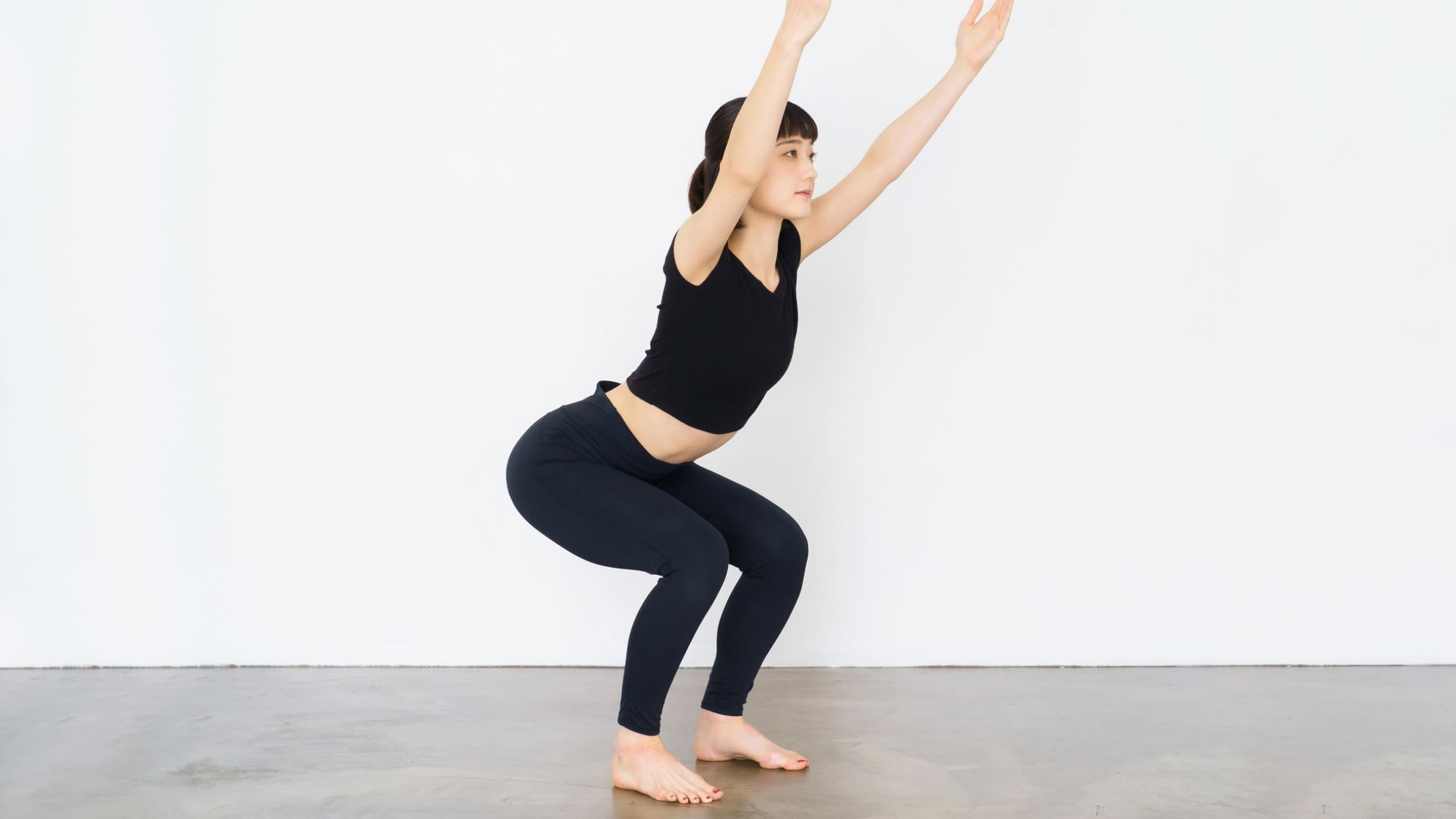
Let’s talk about what actually works. These are the exact exercises I use personally and with clients who want to stay consistent without draining their energy. You don’t need fancy equipment, and you definitely don’t need an hour-long session.
These routines take 15 to 20 minutes and are adaptable whether you’re feeling energized or low on motivation. Focus on how you feel, not how you perform. The goal is harmony, not hustle.
Standing Balance Flow
This flow is my go-to for days when I feel disconnected from my body or restless. It’s simple, grounding, and surprisingly effective for calming anxiety and easing PMS tension.
How to do it:
- Stand tall with your feet hip-width apart and relax your shoulders.
- Shift your weight onto one leg and slowly lift the other foot off the ground.
- Engage your core and keep your gaze steady on a fixed point.
- Hold for 10 to 20 seconds, then switch legs.
- Repeat 3 to 4 rounds on each side.
To make it more challenging, add slow arm movements or try closing your eyes for a few seconds.
Why it helps: During PMS, many women experience bloating and joint stiffness. This simple move strengthens stabilizing muscles around your hips, knees, and ankles, which can ease discomfort. It also brings awareness to your breath, helping you feel centered and calm.
I often do this first thing in the morning, barefoot, with soft music on. It helps me feel grounded before diving into the day.
Seated Core Stabilizers
When cramps or fatigue make it uncomfortable to stand, I switch to seated balance work. These gentle moves activate the deep core muscles that support your posture and lower back.
How to do it:
- Sit on a stability ball or the edge of a firm chair.
- Keep your feet flat on the floor and your spine tall.
- Lift one foot slightly off the ground and hold for 10 seconds while keeping your torso steady.
- Lower the foot and repeat on the other side.
- Do 10 slow reps per leg.
You can add small arm movements or gentle torso rotations to increase the challenge.
Why it helps: This strengthens your deep abdominal muscles and improves spinal alignment. During PMS, when bloating or cramps can make your core feel heavy, these exercises restore gentle engagement without strain. They also improve digestion and circulation through the abdominal region.
I usually do this one mid-afternoon, especially if I’ve been sitting for hours. It helps release tension from my hips and lower back instantly.
Dynamic Stability Training
This routine blends gentle movement and balance, training your body to respond smoothly to hormonal shifts and energy fluctuations. It’s a perfect way to stay active without pushing your limits.
Try this sequence:
- Side-to-side steps: Step left and right slowly for 30 seconds, keeping your knees soft.
- Heel-to-toe walk: Walk in a straight line, placing one foot directly in front of the other.
- Mini single-leg squats: Perform 8 to 10 reps on each side, focusing on control.
- Bird-dog: From hands and knees, extend one arm and the opposite leg, hold for 3 seconds, and switch sides.
Repeat 2 to 3 rounds, moving mindfully and maintaining steady breathing.
Why it helps: These moves work your stabilizers and balance systems without overwhelming your body. They also release stored tension in your hips and spine, two areas that tend to tighten during PMS.
On low-energy days, I use this as my main workout. It helps me maintain consistency without spiking cortisol or leaving me drained.
Gentle Mobility and Stretch Flow
This is the ultimate PMS recovery flow. It combines mobility, stretching, and slow breathing to reduce bloating and calm the mind. It’s especially soothing if you feel tense, puffy, or emotionally heavy.
Sequence:
- Cat-cow stretch (10 reps)
- Child’s pose with side stretch (3 breaths each side)
- Low lunge with arm reach (5 reps per side)
- Supine twist (hold 20 seconds per side)
- Deep forward fold (hold for 30 seconds)
Why it helps: This sequence encourages lymphatic flow, reduces water retention, and opens tight areas in the hips and back. It’s also deeply relaxing for your nervous system.
I often end my evening with this flow, especially if I’ve had a stressful day. It helps me unwind, sleep better, and wake up feeling less bloated.
My Real-World Experience and Tips for Consistency
When I first started incorporating cycle-based fitness into my life, I thought I needed perfection. I used to plan my workouts down to the minute, expecting myself to show up the same way every day. But I quickly learned that hormones don’t work like that. Your energy ebbs and flows, and your movement should too.
Here’s what I’ve learned from years of trial, error, and observing what actually works in real life.
Listen Before You Move
Every morning, I take 30 seconds to check in with my body. How’s my energy? Do I feel grounded or scattered? If I’m dragging, I scale back. If I’m energized, I go a bit harder. Listening to your body is the foundation of consistency. When you stop fighting it, movement becomes intuitive instead of forced.
Prioritize Small Wins
Even five to ten minutes of movement can shift your mood and energy. I’ve had days during PMS where I only did a few standing balance exercises and some breathing, and that alone changed how I felt for the rest of the day. Small, consistent actions build more results than sporadic bursts of effort.
Embrace Rest as Part of the Plan
Rest is a form of progress. Before, I used to feel guilty taking rest days. Now, I plan them strategically around my cycle. During the late luteal and menstrual phases, rest allows my body to recover, regulate hormones, and prevent burnout. It’s not lazy; it’s smart training.
Fuel Your Hormones
Balance exercises work best when paired with supportive nutrition. During PMS, your body needs magnesium, B vitamins, and healthy fats to stabilize mood and reduce cramps. I like to add foods like avocado, pumpkin seeds, and dark leafy greens to my meals. Hydration also makes a noticeable difference in how my body responds to movement.
Use Movement to Regulate Mood
I used to think exercise was only about burning calories or getting stronger. Now I see it as emotional regulation. During PMS, movement keeps me calm, clear-headed, and more in control of my reactions. When I skip it, I feel the difference almost immediately. My patience shortens, and my focus slips.
Consistency Over Perfection
You don’t have to master every phase or every workout. The key is showing up for yourself regularly, even if that just means stretching for five minutes. Over time, these small acts of care rewire how your body responds to stress and hormones.
FAQs
What exercises help balance hormones during PMS?
Low-impact balance exercises like yoga, Pilates, single leg stability work, and mobility flows help regulate hormones naturally. They reduce cortisol, improve circulation, and promote relaxation, which supports progesterone and estrogen balance.
Are balance exercises good during PMS?
Yes. Balance exercises are perfect for PMS because they build stability, improve posture, and reduce anxiety without overloading the body. They also support lymphatic flow, easing bloating and water retention.
What gentle workouts help before my period?
Try walking, stretching, yoga, or mobility flows. These workouts increase endorphins and blood flow while reducing cramping and fatigue. Avoid intense HIIT sessions during this time to prevent hormonal stress.
Final Thoughts
If there’s one thing I’ve learned from years of syncing my workouts with my cycle, it’s that balance isn’t just physical; it’s emotional and hormonal too. PMS doesn’t have to derail your progress. It’s simply your body asking for a different kind of support.
When I shifted from fighting my hormones to working with them, my relationship with fitness completely changed. I no longer feel guilty for slowing down or choosing gentler movement. In fact, that’s when I see the best results: steady energy, better moods, and a sense of harmony that lasts beyond my cycle.
Balance exercises are small but powerful. They remind you that your body isn’t broken or inconsistent. It’s wise, responsive, and always communicating. When you honor that wisdom with mindful movement, everything starts to flow easier—your energy, your mood, and your confidence.
Your body already knows what it needs. You just have to listen.