Table of Contents
If you’ve ever felt more irritable, bloated, or mentally foggy in the days leading up to your period, you’re not imagining it. Pms-friendly workouts that protect your nervous system. I noticed early in my cycle tracking journey that the week before menstruation always brought the heaviest emotional and physical load.
This is the luteal phase when progesterone rises to prepare your body for a possible pregnancy. That same hormone can also make your nervous system feel sensitive, leaving you tense, anxious, or easily fatigued. I learned that acknowledging these changes instead of pushing through them completely changed how I approached exercise and self-care.
Many women try to maintain their usual high-intensity routines, but the body isn’t always equipped for it. Your nervous system is signaling that it needs supportive, restorative movement rather than strenuous effort. Recognizing this was a turning point in my cycle-aware fitness journey.
I also noticed that mood swings and heightened emotional sensitivity often coincide with physical tension in the body. My shoulders, neck, and lower back felt tighter than usual. This made me realize that nervous system support is just as important as exercise itself during PMS.
How the Menstrual Cycle Affects Energy and Motivation
Our energy naturally ebbs and flows with the menstrual cycle. During the follicular phase after your period, energy is usually higher, motivation is strong, and strength peaks. By the luteal phase, energy often dips, fatigue increases, and PMS symptoms like mood swings, irritability, or cramping become more noticeable.
I noticed that before adjusting my workouts, I felt guilty for missing sessions or for not performing at my usual intensity. But once I understood that my hormones were influencing my energy, I started planning exercise that matched my body’s rhythm.
Menstrual cycle awareness is not about excuses; it’s about strategy. Moving in alignment with your hormones improves adherence, protects the nervous system, and reduces the risk of feeling drained or irritable. I began tracking my cycle using a journal, noting days when I felt tired, bloated, or emotionally sensitive. This helped me plan my workouts realistically instead of forcing routines that my body wasn’t ready for.
Is It Safe to Exercise During PMS?
Absolutely, but the key is how you approach it. I used to fear that exercising while fatigued or irritable could make PMS worse, but that wasn’t true when I focused on the right kind of movement.
Exercise increases blood flow, supports endorphin production, and can improve mood and sleep. The trick is to avoid overloading the nervous system with high-intensity workouts when your body is already sensitive. Gentle, deliberate movements are often the most effective way to reduce symptoms without creating additional stress.
I’ve learned to read my body carefully. Some days a brisk walk or restorative yoga feels perfect, while other days I need stretching and breathwork. Learning to differentiate between “I’m lazy” and “my body needs gentleness” has been transformative.
Movement during PMS is not about performance; it’s about connection. When I started viewing exercise as a tool for balance and nervous system support, I noticed less anxiety, better sleep, and more overall energy.
Why Gentle Movement Feels Better Than Intense Workouts
I’ve tried powering through intense routines during PMS, and it rarely ended well. My body felt exhausted, tense, and more irritable afterward. On days when I shifted to gentle movement, I noticed immediate relief.
Gentle workouts help regulate the nervous system, release tension, and improve circulation without spiking cortisol. They allow the body to move energy through the system instead of accumulating stress.
Activities like yoga, walking, light Pilates, or gentle stretching help maintain mobility and stability. They also support mood by triggering endorphin release, calming cortisol, and increasing blood flow to muscles and organs. Over time, I noticed my PMS symptoms were less intense and recovery between cycles improved.
I also discovered that gentle movement helps prevent overactivation of the sympathetic nervous system, which is responsible for fight or flight responses. PMS often amplifies stress sensitivity, and intense exercise can push the system further out of balance. Gentle, mindful movement signals safety to the nervous system, which helps reduce irritability and mental tension.
PMS-Friendly Workouts That Support Your Nervous System
Here are some of my favorite routines that protect the nervous system during PMS:
- Walking: A 20 to 30-minute walk outdoors provides gentle cardiovascular stimulation and improves mood. Sunlight exposure helps regulate circadian rhythms, reducing fatigue and mental fog.
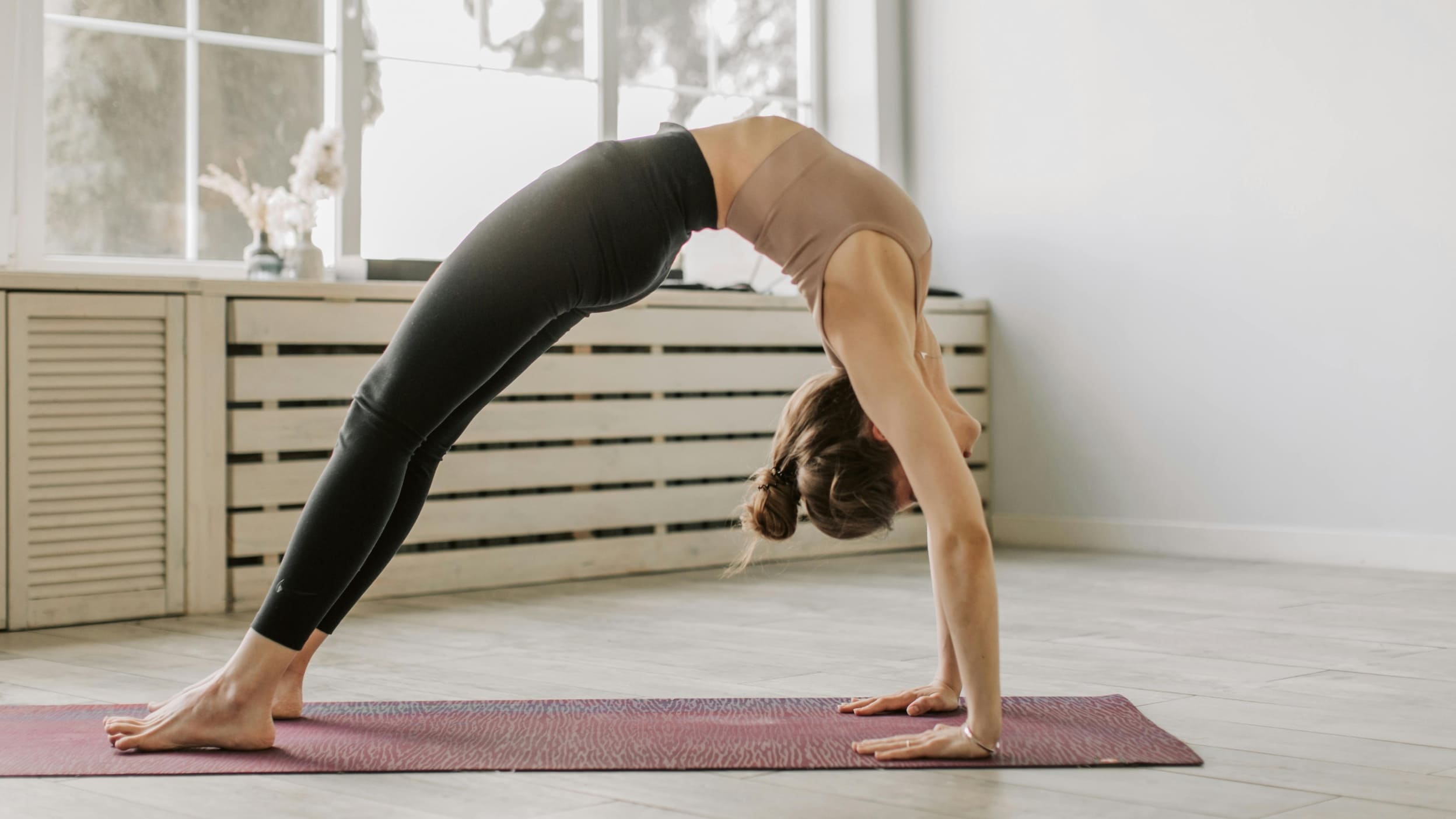
- Restorative yoga: Poses like supported child’s pose, forward folds, or legs-up-the-wall calm the nervous system and relieve tension in the hips and lower back.
- Light Pilates: Focus on core engagement without overexerting. It strengthens muscles gently while maintaining flexibility.
- Stretching: Full-body stretches release tension and improve circulation, especially helpful for PMS-related bloating or cramps.
- Low-impact strength work: Using resistance bands or light weights can help maintain muscle tone without raising stress hormones.
- Breathwork and mindful movement: Slow, intentional movements combined with deep breathing reduce nervous system excitability and improve mental clarity.
I combine these workouts depending on how I feel each day. Some days, a gentle flow is enough; others, a short walk outside is ideal. The key is listening and responding, not forcing performance.
When I share these strategies with women I coach, I often see them surprised that simple movement can feel more effective than high-intensity training during this phase. The relief and clarity they feel afterward confirms that gentle movement is powerful when done intentionally.
Adjusting Your Exercise Routine Around the Luteal Phase
I learned to shift my workouts based on the menstrual cycle to match my energy levels. The late luteal phase is where I personally feel my energy lowest, and respecting that has improved both consistency and nervous system recovery.
| Phase | Energy Level | Suggested Exercise | Focus |
| Follicular | High | Strength training, cardio, HIIT | Build strength and endurance |
| Ovulation | Peak | Power workouts, dynamic exercises | Channel energy safely |
| Early Luteal | Moderate | Pilates, low-impact cardio | Maintain mobility and core stability |
| Late Luteal | Low | Walking, restorative yoga, gentle stretching | Nervous system support and tension relief |
During the luteal phase, intensity is best reduced, duration can be shortened, and exercises should prioritize mobility, circulation, and mental calmness. Over time, I noticed that respecting this rhythm prevented post-workout irritability and fatigue.
I often adjust my routine week by week depending on PMS severity. If cramps are heavy, I focus more on restorative yoga and stretching. If energy is slightly higher, I add a short walk or light resistance exercises. Flexibility and self-awareness are key.
Real-Life Tips for Staying Active When PMS Drains Motivation
I know how hard it can be to move when your motivation dips. Here’s what helped me stay consistent:
- Start small: Even a five-minute walk or a short stretch session counts. Momentum often follows.
- Pair movement with enjoyment: Listening to music, podcasts, or being outdoors can make exercise feel less like a chore.
- Use visual cues: Keeping a yoga mat, dumbbells, or resistance bands visible encourages participation.
- Focus on feeling better, not burning calories: Reframing movement as a tool for relief rather than performance changes the mindset entirely.
- Allow flexible timing: Sometimes a midday stretch is better than a long evening session. I learned to adapt based on energy levels.
I also noticed that inviting a friend or partner to join me on a walk adds accountability and social support, which lifts motivation without creating additional pressure.
Recovery and Nervous System Support During PMS
Supporting recovery during PMS is just as important as the workout itself. Gentle stretches, foam rolling, hydration, magnesium-rich foods, and adequate sleep all help calm the nervous system.
I also practice mindful breathing or meditation after exercise, which significantly reduces tension and anxiety. Over time, these practices improved my mood, energy, and resilience during PMS. Recovery isn’t optional during this phase; it’s essential to protect your body and nervous system.
When I prioritize recovery and low impact movement, I feel stronger and more balanced during my period. I also notice fewer mood swings, better sleep, and less fatigue overall.
FAQs
Is it safe to exercise during PMS?
Yes, but focus on gentle, supportive exercises like walking, yoga, stretching, or light strength work. Intense workouts can raise cortisol and increase fatigue.
What workouts are best when PMS makes me tired?
Walking, restorative yoga, light Pilates, stretching, and mindful movement are excellent choices. They support circulation and calm the nervous system.
How do I adjust workouts around my menstrual cycle?
Reduce intensity during the luteal phase, focus on mobility and gentle exercises, and increase intensity during the follicular and ovulation phases when energy is higher.
Final Thoughts
Exercise during PMS doesn’t have to feel like punishment. The key is listening to your body and prioritizing your nervous system. Low-impact, supportive movement helps reduce tension, improve mood, and maintain consistency without adding stress.
I’ve learned that moving gently when my motivation dips not only protects my nervous system but actually enhances my energy and mood for the days that follow. When you honor your cycle and approach workouts with awareness, exercise becomes a tool for balance, not struggle.
By syncing your movement with your hormonal rhythm, you create a sustainable, effective routine that supports your body, mind, and nervous system every month.