Table of Contents
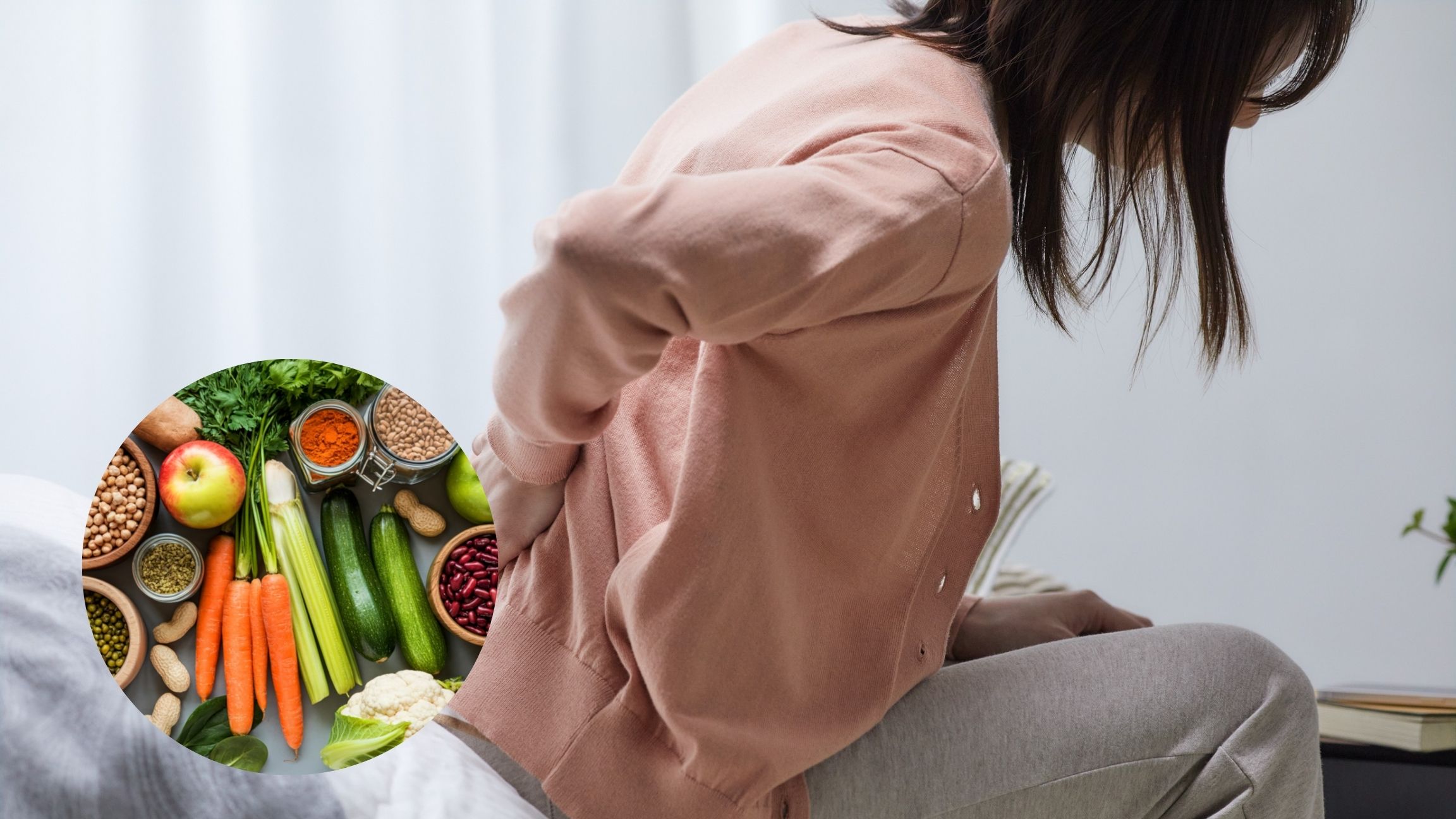
If you have ever felt stiff, achy, or sore in your knees, hips, or lower back right before your period, you are not imagining it. How to manage pms anger without suppressing it. PMS joint pain is real, and it is far more common than most women realize. Pms joint pain solutions you should start today.
In my work with women tracking their cycles, I have heard the same description many times. The pain feels like a deep fatigue or a post-workout soreness that settles in just before bleeding begins. It often shows up during the luteal phase, which is the time between ovulation and menstruation.
During this phase, hormones like estrogen and progesterone fluctuate significantly. Estrogen, which usually protects joints and reduces inflammation, begins to drop. Progesterone, which has calming and muscle-relaxing effects, also falls before your period. This hormonal shift increases inflammation, fluid retention, and sensitivity to pain.
The result is what many describe as “tight” or “stiff” joints. Some women even experience discomfort in their wrists, shoulders, or neck. Once you understand that these aches are part of the hormonal pattern, you can work with your body instead of feeling confused or frustrated by it.
The Role of Hormones and Inflammation
Hormones influence everything from your mood to your digestion, and joint pain is no exception. When they are balanced, you feel steady and strong. When they fluctuate or fall out of balance, symptoms like PMS pain can become more noticeable.
Here is what happens during PMS:
- Estrogen helps regulate inflammation and supports collagen production. When it drops, joints can lose some lubrication and become more sensitive.
- Progesterone reduces inflammation and relaxes muscles. When it falls before your period, tension and stiffness can return.
- Prostaglandins are compounds your body releases to trigger uterine contractions. When they circulate through the bloodstream, they can increase inflammation in muscles and joints.
I have seen this pattern again and again in women with busy, stressful lifestyles. When stress levels are high or inflammation is already elevated from diet or poor sleep, PMS pain can become more intense.
The good news is that this process is predictable. Once you understand that hormonal changes trigger this inflammation, you can plan ahead and reduce its effects.
How Long PMS Joint Pain Usually Lasts
For most women, PMS-related joint pain begins about five to seven days before menstruation and fades within one to two days of bleeding. However, duration and intensity can vary.
Some women experience only mild stiffness for a day or two. Others feel lingering pain that lasts a week. The difference often depends on lifestyle factors like stress, sleep, and diet.
Cycle tracking can make a huge difference. I often encourage clients to log their symptoms for a few months. You start to see clear patterns and connections. For example, one client noticed her hip and knee pain was worse in cycles when she consumed more processed food. Another found that sitting for long hours during stressful work projects made her symptoms return.
When you identify patterns like these, you can make adjustments before symptoms begin, rather than reacting afterward.
Common Triggers That Make PMS Joint Pain Worse
Understanding what makes PMS joint pain worse helps you minimize flare-ups. These are the most common triggers I have observed:
- High sugar or processed foods: These spike insulin and trigger inflammation.
- Lack of sleep: Poor sleep raises cortisol, increasing pain sensitivity.
- Overtraining: Pushing your body too hard during the luteal phase can worsen inflammation.
- Stress: High cortisol interferes with progesterone and contributes to stiffness and soreness.
- Caffeine and alcohol: Both can dehydrate you and amplify inflammation.
You do not have to eliminate these completely. The goal is to recognize your body’s sensitivity during the luteal phase and support it with recovery, nourishment, and rest.
Natural Ways to Relieve PMS Joint Pain
Managing PMS joint pain is about supporting your body holistically. The goal is not just to mask the pain but to reduce inflammation and balance hormones.
1. Eat an Anti-Inflammatory Diet
The right foods can help calm inflammation and support hormonal balance. Focus on nutrient-rich, whole foods that reduce swelling and stiffness.
Include:
- Fatty fish such as salmon and sardines for omega-3s
- Leafy greens and cruciferous vegetables for detox support
- Berries, citrus, and turmeric for antioxidants
- Magnesium-rich foods like spinach, almonds, and dark chocolate
A few years ago, I added flaxseed oil and turmeric tea to my daily routine and noticed my joint pain decreased significantly within three cycles. Food really is medicine when used intentionally.
2. Gentle Movement and Stretching
Exercise is one of the best ways to improve circulation and reduce stiffness. You do not need to push hard. Gentle movement works wonders.
Try yoga, Pilates, swimming, or a brisk walk. These activities release endorphins that improve your mood and decrease pain perception.
One of my clients, a dedicated runner, began replacing her long-distance runs with yoga during the week before her period. Her knee pain improved dramatically without sacrificing fitness.
3. Prioritize Rest and Sleep
Sleep is when your body repairs and restores balance. Without enough rest, your body stays in an inflammatory state. Aim for seven to nine hours per night.
To improve sleep quality, take a magnesium bath, reduce caffeine after noon, and limit screen time before bed. Even ten minutes of deep breathing or meditation can lower cortisol and help your body reset.
4. Stay Hydrated and Balance Electrolytes
Hydration supports joint function and helps reduce bloating. During PMS, hormonal changes can make your body hold onto sodium, causing stiffness.
Drink plenty of water and include natural electrolytes such as coconut water or sea salt. I start every morning with warm water, lemon, and a pinch of salt to help reduce puffiness and stiffness.
Supplements and Lifestyle Adjustments That Help
Supplements can strengthen your foundation when paired with healthy habits. Here are some that have proven effective for managing PMS-related joint pain:
- Magnesium: Calms the nervous system and relaxes muscles.
- Vitamin D: Low levels are associated with higher inflammation.
- Omega-3 fatty acids: Help reduce prostaglandin production and inflammation.
- Curcumin: The active compound in turmeric that supports joint health.
- B-complex vitamins: Aid in hormone metabolism and reduce fatigue.
Lifestyle habits matter just as much as supplements. Try these adjustments:
- Limit caffeine and alcohol in the week before your period.
- Add short walks after meals to improve blood sugar balance.
- Practice mindfulness or journaling to manage stress.
When I began adding more structure to my own evening routine and reduced alcohol before my period, I felt calmer and noticed fewer body aches. Sometimes small shifts make the biggest difference.
How Exercise and Movement Affect PMS Pain
Exercise can be both helpful and harmful depending on how you approach it. The key is aligning your movement with your hormonal cycle.
During the follicular phase, right after your period, estrogen rises, and your body is more resilient. This is the time for high-intensity workouts or strength training. During the luteal phase, focus on lower-intensity exercise and active recovery.
Movement increases circulation, releases tension, and helps flush out excess prostaglandins. Yoga, walking, or mobility sessions can be incredibly effective.
Many women I work with notice that when they sync their workouts to their cycle, their PMS symptoms, including joint pain, drop significantly. You are not being lazy when you rest more before your period. You are being aligned with your biology.
When Joint Pain Might Signal Something More
Mild joint pain before your period is normal, but persistent or severe pain should not be ignored.
If your pain is constant, worsens each month, or interferes with daily life, it may indicate something more serious. Conditions such as endometriosis, rheumatoid arthritis, or autoimmune inflammation can flare with hormonal changes.
Pay attention to warning signs such as:
- Pain that lasts more than 10 days
- Visible swelling or redness
- Stiffness upon waking
- Fatigue or fever
If these occur, consult a healthcare professional. Early diagnosis can prevent long-term issues. Supporting your hormones is powerful, but medical guidance ensures you address deeper causes safely.
FAQs
Why does PMS cause joint pain?
Hormonal fluctuations increase inflammation and fluid retention, which can make joints feel sore or stiff before menstruation.
Can inflammation increase joint pain during PMS?
Yes. When estrogen drops, inflammation markers rise, making the body more sensitive to pain.
What helps relieve PMS joint pain naturally?
Anti-inflammatory foods, hydration, magnesium, gentle movement, and good sleep help most. These approaches work best when done consistently.
Does estrogen affect joint pain before menstruation?
Yes. Low estrogen reduces joint lubrication and can cause stiffness or discomfort.
When should PMS joint pain be a concern?
If the pain lasts after your period or limits movement, it may indicate another health condition. Seek medical advice.
Final thoughts
When I first started noticing my own premenstrual aches, I assumed it was just another annoying part of womanhood. I pushed through, ignored it, and sometimes overtrained, which only made it worse.
Eventually, I began tracking my symptoms and saw the pattern. The pain was not random. It followed my hormones. Once I accepted that, everything shifted. I adjusted my diet, prioritized rest, and began syncing my workouts with my cycle. Within three months, the difference was undeniable.
Most women do not realize how intelligent their bodies are. Every symptom is a message. PMS joint pain is not something to dread; it is feedback that your hormones, inflammation, or recovery may need extra support.
You do not need to suffer through every cycle. Your body is adaptable and responsive when you give it what it needs. Pay attention to the signals, make gradual changes, and you will find more balance, more energy, and less pain.
Your body is not your enemy. It is your guide.