Table of Contents
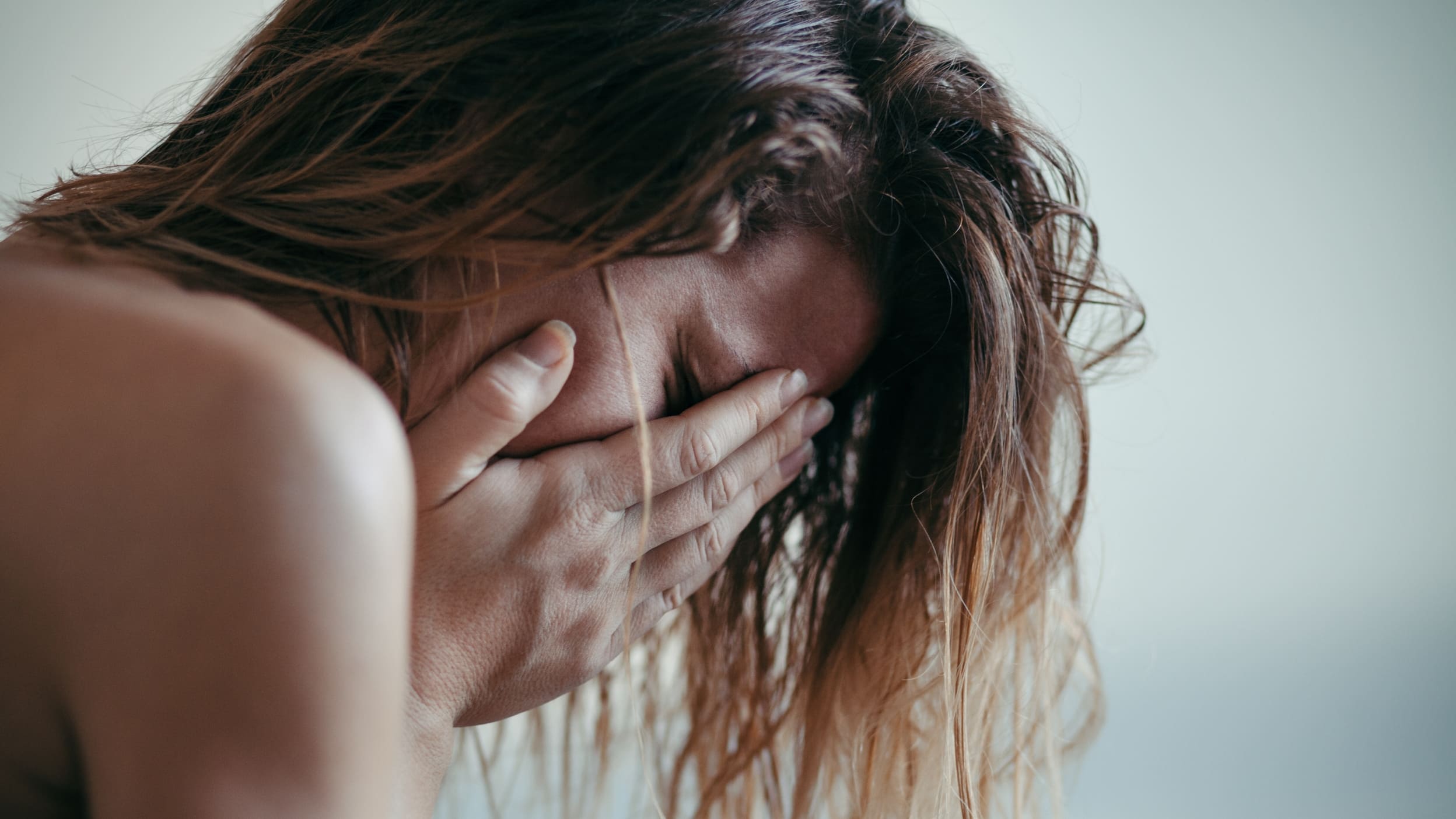
If you have ever had to cancel plans, curl up with a hot water bottle, or spend an entire day feeling drained by cramps, I know exactly how you feel. Pms lifestyle changes that reduce pain dramatically. PMS pain can be incredibly unpredictable. Some months it’s mild and manageable, while other times it completely takes over your body and mind.
For years, I believed this pain was something I just had to accept. I told myself that every woman went through it, so I should just push through. I tried painkillers, hot baths, comfort food, anything that might help me function. But deep down, I knew there had to be more to the story.
When I started learning about hormonal health, I realized that my body wasn’t working against me. It was communicating with me. PMS pain is not random. It’s your body signaling that something inside is out of balance. Once I started making intentional changes in how I lived, ate, moved, and rested, everything began to shift. My cramps lessened, my energy stabilized, and my mood became far more predictable.
That’s when I learned that PMS pain isn’t just about hormones. It’s about lifestyle choices that either support or stress your body.
My Journey Toward Managing PMS Naturally
My PMS journey started with confusion and frustration. I considered myself healthy. I exercised, ate balanced meals, and rarely got sick. Yet every month, my PMS symptoms were intense. The pain affected my focus, my productivity, and even my relationships.
One morning, I woke up with cramps so severe that I couldn’t stand up straight. I remember sitting on the edge of my bed, exhausted, and thinking, “I can’t keep doing this.” That moment became a turning point.
I began tracking my cycle and paying attention to patterns. I noticed that my sleep, caffeine intake, and stress levels all played huge roles in how severe my PMS became. Slowly, I began making small but consistent changes things like adjusting my workouts, improving my sleep, and managing my stress better.
Within a few months, my body started responding differently. My cramps were less intense, my bloating reduced, and my energy stayed consistent even during my period. These results didn’t come from medication or drastic diets, but from sustainable habits that worked with my hormones instead of against them.
Now, I no longer dread my PMS week. I plan around it. I support it. And I move through it with much more ease.
The Science Behind PMS Pain
Understanding what’s happening inside your body is empowering. PMS pain is mostly triggered by changes in hormone levels during the luteal phase, which is the time between ovulation and your period.
After ovulation, your estrogen levels drop while progesterone rises. These hormonal changes trigger the release of prostaglandins, which are chemical compounds that cause the uterus to contract and shed its lining. When your body produces too many prostaglandins, those contractions become stronger and more painful, resulting in cramps, lower back pain, and fatigue.
Other factors like stress, poor diet, and lack of movement can worsen inflammation and make PMS symptoms more severe. Too much caffeine, not enough sleep, or skipping meals can also spike cortisol and blood sugar, both of which throw your hormones off balance.
When I realized that PMS pain wasn’t just about my uterus but about my entire hormonal ecosystem, I stopped treating it like an isolated problem. My symptoms became a message that my body needed better support, not more medication or willpower.
Small Lifestyle Shifts That Made a Big Difference
When I decided to address my PMS pain naturally, I didn’t overhaul my entire life at once. I made small, manageable changes and gave my body time to adjust. Each change made a noticeable difference in how I felt month after month.
1. Sleep became my foundation
I used to think I could get by on five or six hours of sleep. But sleep is when your body resets and regulates hormones. Once I committed to 7–9 hours a night, my cramps, mood swings, and fatigue improved significantly. Quality sleep also lowered my cortisol levels, which helped my body feel more balanced overall.
2. I cut back on caffeine and alcohol
Caffeine used to be my morning savior and afternoon pick-me-up, but it made my PMS anxiety worse. It also constricted blood vessels, making cramps sharper. Alcohol, on the other hand, interfered with magnesium absorption and made my sleep restless. Swapping coffee for herbal teas like chamomile or peppermint was a game changer.
3. I started taking magnesium and omega-3s
Magnesium relaxes muscles, reduces anxiety, and helps your body manage prostaglandins. Omega-3s fight inflammation. Adding both to my diet through food and supplements dramatically reduced my PMS pain over time.
4. I made stress management a daily habit
Stress was one of my biggest triggers. I noticed that in high-stress months, my cramps were far worse. I began adding five-minute breathing breaks throughout the day and taking short walks to reset. Reducing constant stress helped keep my hormones in check.
5. I tracked my cycle
This was the most empowering change I made. Tracking my phases helped me anticipate what my body needed. During my luteal phase, I planned for lighter workouts, earlier nights, and more nourishing foods. This awareness made PMS feel predictable instead of chaotic.
These small shifts added up to massive changes. My body started feeling more aligned, and my PMS week no longer controlled my entire month.
Movement and Exercise That Actually Help
For a long time, I thought exercise during PMS had to mean pushing through discomfort. I used to force myself into intense cardio sessions thinking it would help, but it always left me feeling drained and sore. What I didn’t realize was that my hormones needed a different approach during the second half of my cycle.
Now, I treat movement as a form of self-care, not punishment. Exercise helps regulate hormones, improves circulation, and reduces bloating, but the right kind of movement matters.
Here’s what I found most effective:
- Walking: It’s low-impact but incredibly effective for circulation and mood. Even a 20-minute walk can reduce cramping.
- Yoga and stretching: Gentle poses that open the hips and lower back ease muscle tension. I practice deep breathing alongside stretches for extra relaxation.
- Strength training: In the earlier part of my cycle, I do moderate strength work to build muscle and improve metabolism. During PMS, I keep weights lighter and focus on form.
- Rest: Rest days became just as important as workouts. PMS is not the time to push harder but to restore energy.
The more I listened to my body’s signals instead of ignoring them, the less pain I experienced. Movement became healing rather than exhausting.
Foods That Ease PMS Pain and Inflammation
Food has a direct impact on how your hormones behave. When I was eating lots of processed snacks, my cramps and mood swings were always worse. Once I started choosing foods that supported hormone balance, my PMS became much easier to handle.
Here’s what made the biggest difference:
1. Anti-inflammatory foods
I include salmon, walnuts, olive oil, leafy greens, and berries almost daily. These foods calm inflammation and keep prostaglandin levels balanced.
2. Magnesium and calcium sources
Avocados, pumpkin seeds, and dark chocolate are staples during PMS week. They help my muscles relax and ease tension.
3. Complex carbohydrates
Sweet potatoes, quinoa, and oats stabilize blood sugar, preventing mood swings and energy crashes.
4. Iron and B vitamins
Since your body loses iron during your period, I load up on lentils, spinach, and tofu. B vitamins also help regulate mood and energy levels.
5. Hydration
This may sound simple, but staying hydrated makes a world of difference. Water helps reduce bloating and keeps digestion regular. I sip on herbal teas and infuse water with cucumber or lemon for variety.
The more whole, colorful, and nutrient-dense my meals became, the less pain and fatigue I felt. Food became my daily form of medicine.
The Role of Stress and Rest in PMS Management
I used to underestimate how deeply stress affected my PMS symptoms. Whenever life got busy, my cramps and mood swings became unbearable. It wasn’t until I started actively managing my stress that I saw real change.
Cortisol, the main stress hormone, competes with progesterone the hormone responsible for calm and stability. When cortisol dominates, PMS symptoms worsen. Once I started building rest into my schedule, my PMS became far more manageable.
Here’s what helped me most:
- Morning mindfulness: Starting my day with quiet time or journaling grounded me before the rush of the day began.
- Breathing exercises: Slow breathing helps lower cortisol and ease muscle tension. I do this especially before bed.
- Evening rituals: Dimming lights, reading, and herbal tea help signal to my body that it’s time to rest.
- Saying no: I stopped overcommitting during my PMS week. Protecting my energy made a noticeable difference.
Stress management doesn’t have to mean hour-long meditation sessions. Sometimes it’s as simple as five minutes of stillness or taking a mindful walk.
Building a Hormone Friendly Daily Routine
Cycle syncing taught me how to design my days around my hormones instead of forcing productivity at all times. I started treating my cycle like four distinct seasons, each with its own rhythm.
Follicular phase (after your period)
This is when energy rises and creativity flows. I schedule important projects, workouts, and social events here.
Ovulation phase
This is my peak energy phase. I feel confident and communicative, so I plan meetings and collaborative work during this time.
Luteal phase
Energy starts to dip, so I shift to slower workouts, nutrient-dense meals, and earlier bedtimes. I also plan lighter workdays if possible.
Menstrual phase
This is my rest phase. I focus on recovery, self-care, and reflection. My workouts are gentle walks or stretching, and my meals are comforting but healthy.
Once I started honoring these natural cycles, my productivity and emotional balance improved across the board. My PMS week became easier to predict and much easier to handle.
FAQs About Reducing PMS Pain Naturally
How long does it take to see results from lifestyle changes?
It usually takes two to three menstrual cycles to notice consistent improvement. Your body needs time to rebalance hormones, so consistency is key.
Can diet alone reduce PMS cramps?
Food plays a huge role, but combining nutrition with stress reduction, better sleep, and movement delivers the best results.
What’s the quickest natural way to relieve PMS pain?
Heat therapy, magnesium-rich snacks, gentle stretching, and hydration usually give me the fastest relief.
Final Thoughts
For much of my life, PMS pain felt like something I had to endure. But the truth is, you have more control than you think. Once I began listening to my body, understanding my hormones, and making small but meaningful lifestyle changes, everything shifted.
My PMS pain went from debilitating to manageable. My mood stabilized. My cycle felt more like a rhythm than a burden. None of this required perfection or strict rules just consistency, awareness, and patience.
Your body is constantly communicating with you. When you support it with nourishing food, mindful movement, rest, and compassion, it responds with balance.
You don’t have to dread PMS week. With a few intentional lifestyle changes, you can reduce PMS pain dramatically and reclaim those days as part of a cycle that supports your strength, not your struggle.