Table of Contents
The short answer is yes – exercising during your period is not only safe but can actually help reduce menstrual symptoms. However, the longer answer involves understanding how your body changes during menstruation, what types of exercise work best, and when you might need to modify your routine. This complete guide will help you navigate period workouts with confidence.
Why the Confusion Exists
For decades, cultural taboos and medical misconceptions led to the belief that women should avoid physical activity during menstruation. These outdated ideas suggested that exercise during periods could be harmful or that menstrual blood would somehow “flow backward.” Modern science has thoroughly debunked these myths, yet many people still feel uncertain about exercising during their period.
What Actually Happens During Your Period
Hormonal Changes During menstruation, both estrogen and progesterone are at their lowest levels. This creates a hormonal environment that’s actually more similar to men’s hormonal profile, which can make some types of exercise feel easier than during other phases of your cycle.
Physical Changes Your body is shedding the uterine lining, which can cause cramping as the uterus contracts. Blood loss is typically minimal (about 2-3 tablespoons total), but some people experience heavier flows that can affect energy levels.
Pain and Discomfort Menstrual cramps, headaches, and general discomfort can make the idea of exercise unappealing, but movement often helps alleviate these symptoms rather than worsen them.
The Science-Backed Benefits of Period Exercise
Natural Pain Relief Exercise releases endorphins, your body’s natural painkillers, which can be more effective than over-the-counter pain medications for menstrual cramps. Studies show that regular exercisers experience less severe period pain overall.
Improved Blood Flow Physical activity increases circulation, which can help reduce the intensity of cramps and decrease bloating. Better blood flow also means more oxygen and nutrients reaching your muscles and organs.
Mood Enhancement The hormonal fluctuations during menstruation can affect mood and energy. Exercise helps stabilize these fluctuations and provides mental health benefits that are especially valuable during your period.
Reduced Bloating Movement helps stimulate digestion and can reduce the water retention that causes period bloating. Even gentle activity like walking can make a significant difference.
Better Sleep Many people experience sleep disturbances during their period. Regular exercise, even light activity, can improve sleep quality and help regulate your circadian rhythm.
Best Exercises During Your Period
Low-Impact Cardio
Walking A 20-30 minute walk is one of the best exercises during your period. It’s gentle, accessible, and effective for reducing cramps and improving mood without being overly strenuous.
Swimming Swimming is excellent during menstruation because the water pressure can help reduce bloating and cramps. Use tampons or a menstrual cup for comfort and confidence in the water.
Cycling Light to moderate cycling, whether outdoors or stationary, provides cardiovascular benefits while being gentle on your joints. The seated position can also feel comfortable when experiencing lower back pain.
Yoga and Stretching
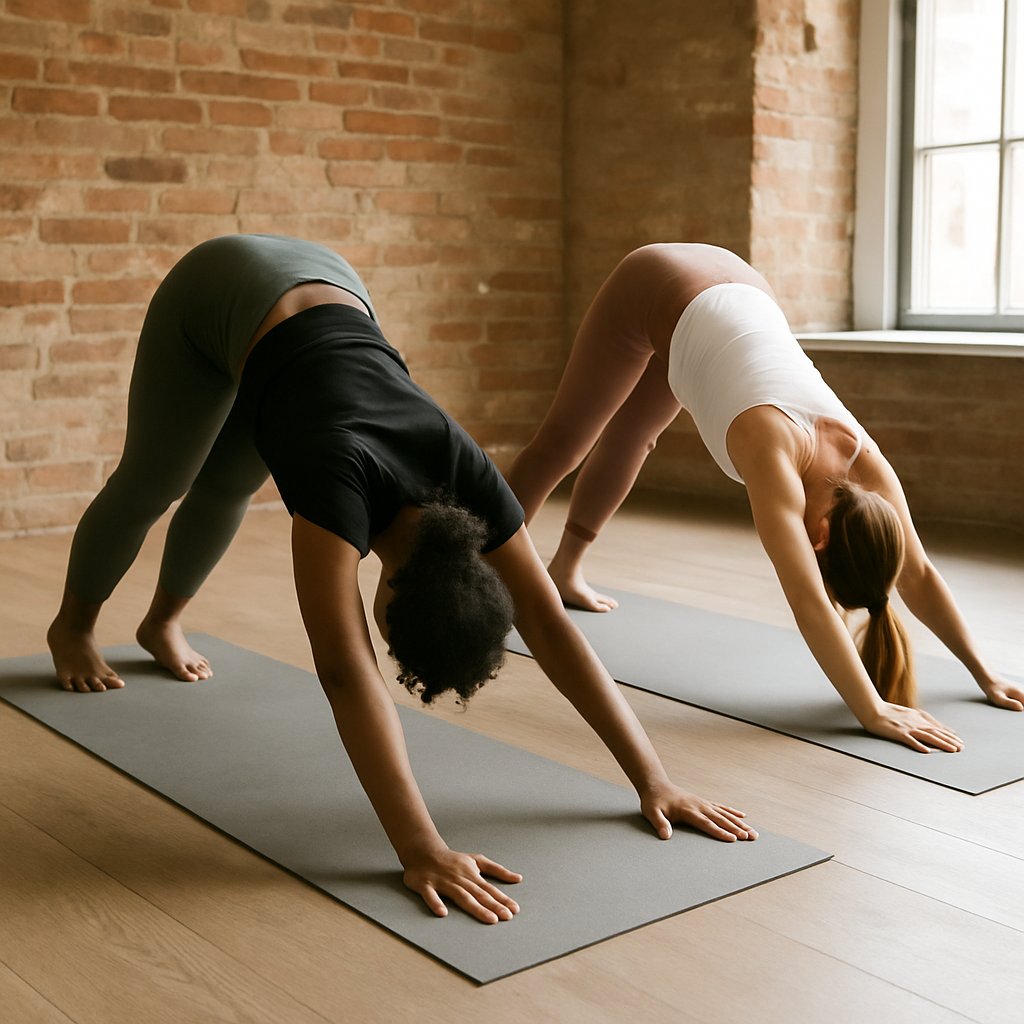
Gentle Flow Yoga Yoga combines movement, breathing, and mindfulness, making it ideal for period discomfort. Focus on gentle flows rather than intense power yoga sessions.
Restorative Poses Child’s pose, legs-up-the-wall, and gentle spinal twists can provide targeted relief for cramps and lower back pain.
Hip Openers Gentle hip-opening stretches can help relieve tension in the pelvic area and reduce cramping.
Strength Training
Bodyweight Exercises Light bodyweight exercises like modified squats, wall push-ups, and gentle planks can help maintain strength without overexertion.
Light Weight Training If you regularly lift weights, you can continue during your period, but consider reducing the weight by 10-20% and focusing on form rather than heavy lifting.
Core Work Gentle core exercises can actually help with cramping by strengthening the muscles that support your uterus. Avoid intense ab workouts that might worsen discomfort.
What to Avoid or Modify
High-Intensity Interval Training (HIIT) While not dangerous, HIIT workouts might feel more challenging during your period due to increased perceived exertion. If you choose to do HIIT, reduce the intensity or shorten the workout.
Heavy Lifting Your ligaments may be slightly more lax during menstruation due to hormonal changes, potentially increasing injury risk with very heavy weights. Stick to moderate weights with perfect form.
Inversions in Yoga While not harmful, some yoga practitioners prefer to avoid inversions like headstands during menstruation for comfort reasons. This is a personal preference rather than a medical necessity.
Activities That Worsen Your Symptoms Pay attention to how different exercises affect your individual symptoms. If certain activities consistently make your cramps worse or increase your flow uncomfortably, it’s fine to avoid them during menstruation.
Practical Considerations for Period Workouts
Menstrual Products and Exercise
Tampons Tampons are often the most comfortable option for exercise, especially swimming and high-movement activities. Choose the right absorbency and change as needed.
Menstrual Cups Menstrual cups can be excellent for exercise as they don’t shift during movement and can be worn for longer periods than tampons.
Period Underwear For lighter flows or backup protection, period underwear can provide confidence during workouts without the bulk of pads.
Pads While less ideal for intense movement, pads can work for gentle activities like walking or yoga. Choose thin, well-adhering options designed for active wear.
Hydration and Nutrition
Extra Hydration You may need more fluids during your period, especially if your flow is heavy. Drink water before, during, and after exercise.
Pre-Workout Fuel A light snack with protein and complex carbohydrates can help maintain energy levels, which might be lower during menstruation.
Post-Workout Recovery Your body may need slightly more recovery time during your period. Listen to your body and don’t push through unusual fatigue.
Clothing Considerations
Dark Colors Wearing dark-colored bottoms can provide psychological comfort and hide any potential leaks.
Proper Fit Well-fitting, supportive clothing is especially important during your period when you might feel more sensitive to fabric and fit.
Layers Temperature regulation can be trickier during menstruation. Dress in layers so you can adjust as needed.
Creating Your Period Workout Plan
Week Before Your Period As you approach menstruation, you might want to gradually reduce workout intensity. This is when many people experience PMS fatigue, so listen to your body.
Days 1-2 of Your Period These are often the heaviest flow days with the most cramping. Focus on gentle activities like walking, restorative yoga, or light stretching.
Days 3-5 of Your Period As symptoms typically improve, you can gradually return to your normal workout routine while still being mindful of your energy levels.
Individual Variation Everyone’s period experience is different. Some people feel energetic and strong during menstruation, while others need more rest. Neither is wrong – work with your body’s signals.
When to Skip Your Workout
Heavy Bleeding If you’re experiencing unusually heavy bleeding (changing a pad or tampon every hour for several hours), it’s better to rest and consult a healthcare provider if this continues.
Severe Pain While mild to moderate cramps often improve with exercise, severe pain that doesn’t respond to movement or medication warrants rest and potentially medical attention.
Extreme Fatigue If you feel unusually exhausted, your body may need rest more than exercise. Gentle stretching or a slow walk might be better than skipping movement entirely.
Nausea or Dizziness These symptoms can make exercise unsafe. Rest and stay hydrated, and see a healthcare provider if symptoms are severe or unusual for you.
Addressing Common Concerns
“Will exercise make my flow heavier?” Exercise doesn’t increase your menstrual flow. You might notice more blood during or immediately after exercise due to the movement helping blood flow out, but this doesn’t mean you’re bleeding more overall.
“Is it unsanitary?” With proper menstrual products and normal hygiene practices, exercising during your period is perfectly sanitary. Change products as needed and shower after workouts as usual.
“Will I have less energy?” Some people do have less energy during their period, while others feel normal or even more energetic due to lower estrogen levels. Adjust your workout intensity based on how you feel, not assumptions about how you should feel.
“Can I go swimming?” Absolutely. Water pressure naturally prevents menstrual flow from entering the pool, and using tampons or a menstrual cup provides additional protection.
Working with Your Cycle
Track Your Patterns Keep a simple log of how you feel during workouts throughout your cycle. This can help you identify patterns and plan your exercise routine accordingly.
Cyclical Training Some athletes and fitness enthusiasts adjust their training to work with their menstrual cycle, doing more intense workouts during the follicular phase and gentler activities during menstruation.
Flexibility is Key Having a planned workout is great, but being willing to modify it based on how you feel that day is even better. A planned HIIT session might become a gentle yoga flow, and that’s perfectly fine.
The Mental Health Component
Exercise during your period isn’t just about physical health. Many people find that maintaining their workout routine provides psychological benefits, including a sense of normalcy and control during a time when they might feel physically uncomfortable.
However, it’s equally important not to feel guilty if you need to rest. Part of having a healthy relationship with exercise is recognizing when your body needs movement and when it needs rest.
Professional Athletes and Periods
Elite female athletes have been competing during their periods for decades, often achieving personal bests and winning medals while menstruating. This demonstrates that not only is period exercise safe, but peak performance is absolutely possible during menstruation.
Many professional sports teams now have protocols for supporting athletes during their menstrual cycles, recognizing that periods are a normal part of athletic life, not an impediment to it.
Building Confidence
If you’re new to exercising during your period, start small. Try a gentle 15-minute walk or some light stretching. As you experience the benefits and build confidence, you can gradually return to your full routine.
Remember that every person’s experience is different. What works for your friend, sister, or favorite fitness influencer might not work for you, and that’s completely normal.
Long-Term Benefits
Regular exercise throughout your entire menstrual cycle can lead to less severe period symptoms over time. Many people find that consistent physical activity reduces cramping, improves mood stability, and makes periods more manageable overall.
Final Thoughts
Exercising during your period is a personal choice, but it’s one supported by science and millions of people’s positive experiences. The key is listening to your body, being flexible with your routine, and focusing on movement that feels good rather than pushing through significant discomfort.
Your period doesn’t have to be a monthly interruption to your fitness routine. With the right approach, it can simply be another part of your cycle that you navigate with confidence and self-awareness.
Start where you are, be patient with yourself, and remember that any movement is better than none. Your future self will thank you for maintaining healthy habits throughout your entire cycle, not just the “easy” days.