Table of Contents
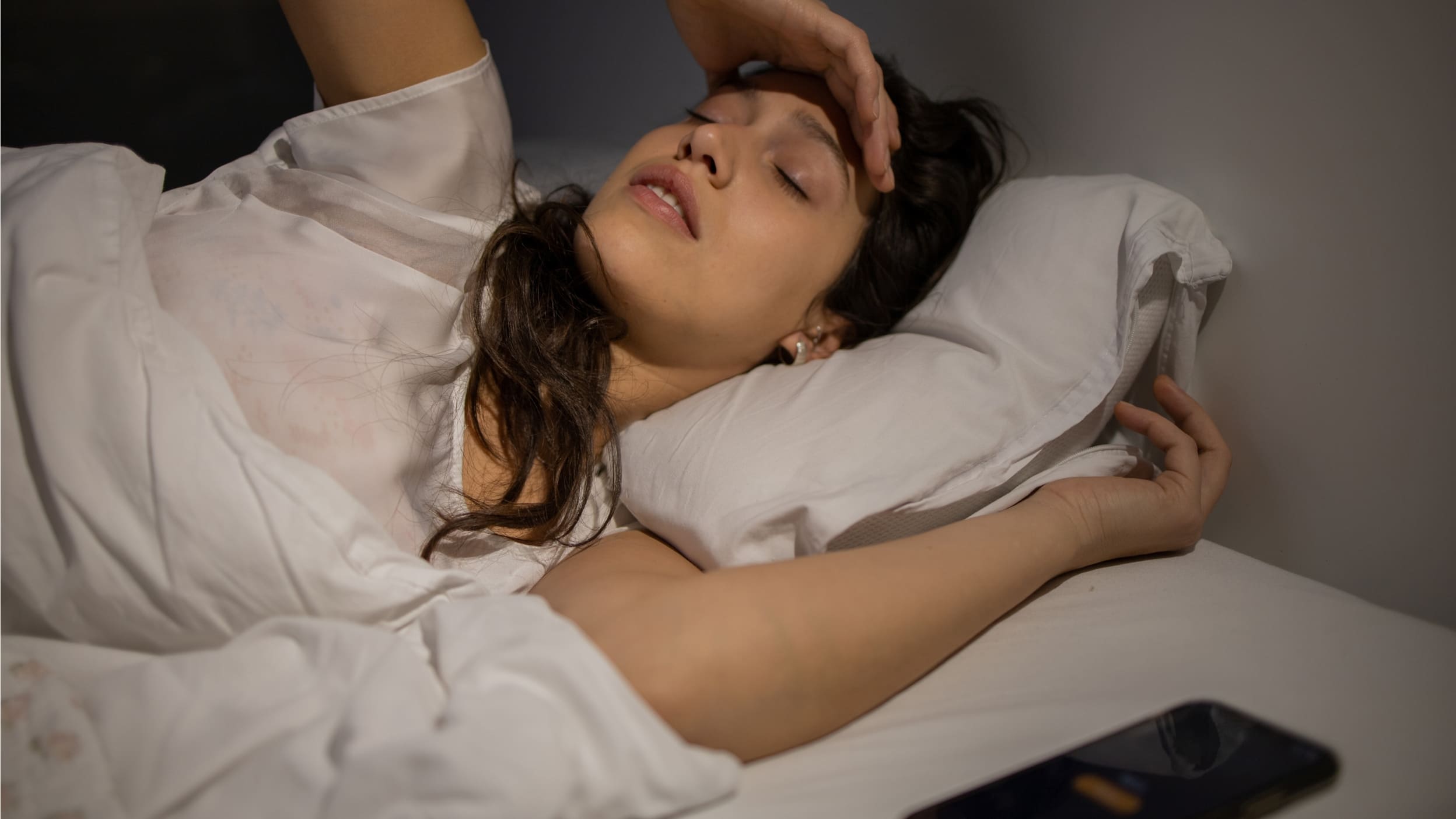
I used to think my 2AM wake ups were random. I’d toss, turn, and check the clock, frustrated that I was wide awake in the middle of the night. Then I noticed it always happened the same week each month, the week before my period.
If you’ve ever asked yourself, “Why do I wake up at 2AM before my period?”, you’re not imagining it. It’s one of those quiet PMS symptoms Evening Snack nobody really talks about. It’s not just about stress or insomnia; it’s your hormones shifting.
Your body is changing gears in the luteal phase, and those hormonal changes can trigger blood sugar fluctuations, temperature changes, and cortisol spikes that wake you right up. I used to assume it was my mind racing, but once I started tracking it, I saw a clear pattern: PMS week equals disrupted sleep.
The good news is that there’s a fix. And it’s not complicated. When I began adjusting what I ate before bed, my 2AM wake ups nearly disappeared.
It turns out your evening snack might be the most powerful and most overlooked sleep tool you have.
What’s Really Happening in Your Luteal Phase
The luteal phase is the stretch between ovulation and the start of your period. For most women, it lasts about 10 to 14 days. During this time, progesterone takes center stage, preparing your body for a possible pregnancy. Estrogen, which usually boosts energy and mood, drops lower.
That combination changes how your body handles everything, from food to emotions to sleep.
Progesterone slightly increases your body temperature, which can make deep sleep harder to achieve. It also affects breathing and heart rate. But what most women don’t realize is that this hormonal shift can make you more insulin resistant, meaning your cells don’t absorb glucose from your bloodstream as efficiently.
When that happens, your blood sugar becomes more unstable. If you eat a sugary meal or go to bed without eating enough, your glucose levels can dip while you’re asleep.
When your blood sugar drops too low, your body sends out an alarm signal. It releases adrenaline and cortisol to bring your blood sugar back up. Those same hormones also make you feel awake and alert. That’s why you might wake suddenly around 2 or 3AM, heart racing, thoughts spinning, and unable to fall back asleep.
Once I understood that, everything clicked. It wasn’t anxiety. It was biology.
The Role of Blood Sugar in PMS Sleep Disruptions
Blood sugar balance is one of the most underrated aspects of hormonal health. During PMS, when your hormones are shifting rapidly, even small changes in your diet can create noticeable effects on sleep and mood.
When you skip meals or eat something high in sugar at dinner, your blood sugar first spikes, then crashes later. During that crash, your body responds by increasing cortisol, which breaks down stored glucose to raise your blood sugar again. But that cortisol surge also wakes your brain up.
I started to notice this every time I had a light dinner or a sweet dessert and went to bed hungry or full of sugar. Without fail, I’d wake up at 2AM. My heart would race, and my thoughts would run wild. Once I learned to support my blood sugar before bed, that pattern disappeared almost completely.
It’s not about eating more. It’s about eating strategically. When your body gets the right mix of nutrients before sleep, it can rest without triggering a blood sugar alarm in the middle of the night.
That’s where the PMS evening snack comes in. It’s not just a craving fix; it’s fuel for hormone balance and better sleep.
Why Nighttime Hunger Hits Hard Before Your Period
If you’re suddenly ravenous before bed during PMS, that’s not a lack of willpower. It’s your metabolism doing exactly what it’s supposed to do.
During the luteal phase, your resting metabolic rate increases slightly. Your body burns more calories at rest. Combine that with progesterone’s appetite stimulating effects, and your hunger naturally increases, especially in the evening.
Low serotonin levels also play a role. Serotonin drops in the second half of the cycle, and your body seeks out carbs because carbs help boost serotonin production. That’s why you crave chocolate, toast, or cereal at night.
The trick isn’t to fight those cravings, but to work with them. When I started allowing myself an intentional, balanced snack instead of fighting the hunger, my sleep quality improved dramatically.
If you’ve ever wondered, “Is it normal to wake up starving during PMS?”, the answer is yes, but it’s a sign that your body needs steadier fuel.
The Evening Snack That Actually Works
After years of trial and error, I found that the most effective PMS evening snack is a simple combination of protein, complex carbohydrates, and healthy fats.
These three together stabilize blood sugar and prevent that 2AM cortisol spike that disrupts sleep.
Here are some of my favorite combinations:
- Greek yogurt with chia seeds, cinnamon, and a few berries
- Whole grain toast with almond butter and a drizzle of honey
- Half a banana with peanut butter
- Oatmeal topped with pumpkin seeds and a touch of maple syrup
- A small smoothie with protein powder, oats, and almond milk
Here’s why this formula works so well:
- Protein keeps blood sugar stable and supports neurotransmitters that regulate sleep.
- Complex carbs provide slow, sustained energy to keep glucose steady all night.
- Healthy fats slow digestion and prolong fullness, preventing hunger spikes.
- Magnesium rich foods like seeds, oats, and nut butter help relax your muscles and nervous system.
It’s about keeping your body fueled, not full. These snacks provide just enough energy to maintain steady glucose levels and calm your system until morning.
When I started doing this consistently, my 2AM wake ups became rare. I fall asleep faster, stay asleep longer, and wake up with more energy instead of that drained PMS fog.
How to Build a PMS Friendly Bedtime Snack
A simple framework I teach clients is the 3 2 1 rule.
3: Protein source (Greek yogurt, nuts, eggs, or protein powder)
2: Slow digesting carbs (fruit, oats, rice cakes, or whole grains)
1: Calming addition (magnesium, cinnamon, or chamomile tea)
This keeps your blood sugar balanced while supporting serotonin and melatonin, the hormones that help you relax and sleep.
If your sleep tends to dip right before your period, include a little extra carbohydrate in your evening meal or snack. Carbs help tryptophan cross the blood brain barrier, allowing your body to produce more serotonin and melatonin naturally.
Avoid going to bed hungry or skipping carbs altogether; that’s one of the fastest ways to trigger a 2AM cortisol rush.
In my own routine, half a banana with almond butter about an hour before bed is my go to. It’s comforting, satisfying, and consistent. I sleep soundly almost every night of my luteal phase now.
Real World Results: What I’ve Seen With Clients
I’ve seen this small habit completely change how women experience their PMS week.
One client used to wake up between 2AM and 4AM every night, wide awake and anxious. She started eating Greek yogurt with pumpkin seeds and cinnamon before bed. Within a week, her sleep stabilized. By the next cycle, her PMS cravings and fatigue had improved too.
Another client in her 30s, a busy fitness coach, used to skip her bedtime snack because she thought eating at night would slow her metabolism. She was struggling with both PMS bloating and poor sleep. Once she added a small protein carb snack before bed, her digestion and recovery improved, and she finally slept through the night.
What I’ve learned is that your luteal phase needs support, not restriction. It’s when your body is working hard, metabolically and hormonally. Giving it steady nourishment is an act of care, not indulgence.
When you sleep better, your cortisol levels stay lower, your PMS cravings lessen, and your mood steadies. Everything feels more manageable.
FAQs
Why do I wake up at 2AM before my period?
During the luteal phase, your body becomes more insulin resistant and more sensitive to drops in blood sugar. When your glucose levels fall too low, your body releases cortisol to correct it, which wakes you up. A small balanced snack before bed keeps your blood sugar stable.
What should I eat at night to stop waking up during PMS?
A mix of protein, complex carbs, and healthy fats, like yogurt with chia seeds or banana with nut butter, supports blood sugar balance and prevents cortisol spikes that cause nighttime wake ups.
Why is my sleep worse before my period?
Progesterone raises body temperature and lowers melatonin, making deep sleep harder to sustain. Blood sugar dips can also trigger cortisol surges. Supporting your hormones with a steady snack helps your body relax and stay asleep.
How can I stop PMS hunger from keeping me awake?
Don’t fight it. Hunger before your period is your body’s signal for more energy. Choose a nourishing bedtime snack that combines protein and complex carbs to satisfy cravings while stabilizing hormones overnight.
Final Thoughts
For years, I thought bad sleep before my period was just something I had to live with. Now I know it’s completely preventable. The key isn’t in supplements or sleep aids. It’s in how you feed yourself before bed.
That small window between dinner and sleep can make or break your PMS week. When I honor my hunger with the right evening snack, I wake up rested, clear headed, and balanced. It’s one of those small shifts that pays off in a big way.
Your body isn’t fighting you during PMS. It’s asking for stability. When you respond with nourishment instead of restriction, you’ll find your rhythm again.
So tonight, when that familiar late night hunger hits, don’t ignore it. Pour a small bowl of oats, spread some nut butter on toast, or blend a quick smoothie. Feed your hormones what they need, and they’ll reward you with the kind of deep, peaceful sleep you’ve been missing.