Table of Contents
If you have ever wondered why your PMS Workouts feel unpredictable throughout the month, the answer lies deeper than your muscles. Your nervous system plays a massive role in how you move, recover, and handle stress, especially during PMS.
For years, I blamed my lack of consistency on motivation. I would feel strong and focused one week, then suddenly sluggish, sore, and emotional the next. What I did not realize was that my nervous system was responding to hormonal shifts that happen before my period.
During the luteal phase, your body’s stress response becomes more sensitive. The balance between your sympathetic (fight or flight) and parasympathetic (rest and recover) nervous systems shifts, making it harder to handle both physical and emotional stress. This means your body might not respond to workouts the same way it did a week earlier.
Once I understood this connection, I stopped trying to force my body into high performance every day. I learned to listen, adapt, and train in ways that supported my nervous system instead of overwhelming it.
Why Workouts Feel Harder Before Your Period
Before your period, it is completely normal for workouts to feel more difficult. Hormonal changes affect everything from hydration to heart rate and even how your muscles use energy.
During the luteal phase, estrogen drops while progesterone rises, and this combination increases your internal body temperature and slows recovery. You might notice higher heart rates, heavier breathing, or even clumsier movements.
Here is what I experienced once I started paying attention:
- My endurance dipped even with the same intensity.
- My mood became unpredictable, making motivation harder to find.
- I felt sore for longer after workouts that used to feel easy.
Your nervous system is essentially doing its best to protect you. When it senses too much strain, it triggers fatigue or emotional changes to signal you to slow down. That is not a weakness. It is wisdom. The body is incredibly smart at protecting its resources during hormonally demanding times.
When I finally accepted this and started programming my workouts based on my cycle, I stopped feeling like I was constantly failing at consistency.
Understanding the Luteal Phase and Stress Response
The luteal phase, or the two weeks before your period, is when most PMS symptoms appear. It is also when your nervous system becomes more reactive to stress. Progesterone has a calming effect for some, but for others, it can heighten sensitivity and anxiety.
Here is the tricky part. High intensity exercise also stimulates the sympathetic nervous system, the same system activated by stress. When your hormones are already taxing your nervous system, adding too much intensity can lead to burnout, irritability, or even sleep problems.
I learned this firsthand during a heavy training block. I was doing intense strength sessions four times a week, and every month before my period, I would hit a wall. My energy vanished, my recovery lagged, and even my appetite shifted. It was not until I reduced my intensity during the luteal phase that my body started to feel balanced again.
Once I gave my nervous system space to rest, I noticed fewer emotional crashes and more stability in both my performance and mood.
How I Realized My Nervous System Was Controlling My Training
One moment stands out clearly. It was a leg day about a week before my period. I remember warming up and feeling completely off. My breathing was shallow, my focus was scattered, and my body felt heavy. I pushed through, but by the end, I was exhausted, not just physically but mentally.
That evening, I journaled my symptoms and realized this pattern had been repeating for months. Every time I ignored the signals, my energy and mood would crash for days afterward.
So I started experimenting. Instead of pushing through, I swapped heavy workouts for walks, mobility work, or low weight training. To my surprise, my performance the following week improved dramatically. I felt stronger, calmer, and less inflamed.
That is when I truly understood. My nervous system was not my enemy. It was my coach, quietly signaling when I needed to rest and when I was ready to push.
The Best Workouts to Support Your Nervous System During PMS
When your body is under stress, recovery focused training can actually accelerate progress. Supporting your nervous system means choosing movement that regulates rather than overstimulates.
Here are my go to workouts during PMS:
1. Gentle Strength Training
I keep the same compound movements like squats, lunges, and rows but lower the weight by 20 to 30 percent. I focus on slow tempo and deep breathing between sets. This gives me the satisfaction of training without taxing my nervous system.
2. Steady State Cardio
Walking, swimming, or cycling at a moderate pace can help regulate cortisol levels and reduce bloating. I often listen to a podcast or calming playlist to keep my pace relaxed and my nervous system grounded.
3. Yoga and Stretching
This is my number one PMS workout. Deep stretches and controlled breathing activate the parasympathetic system, which helps calm the mind and ease tension.
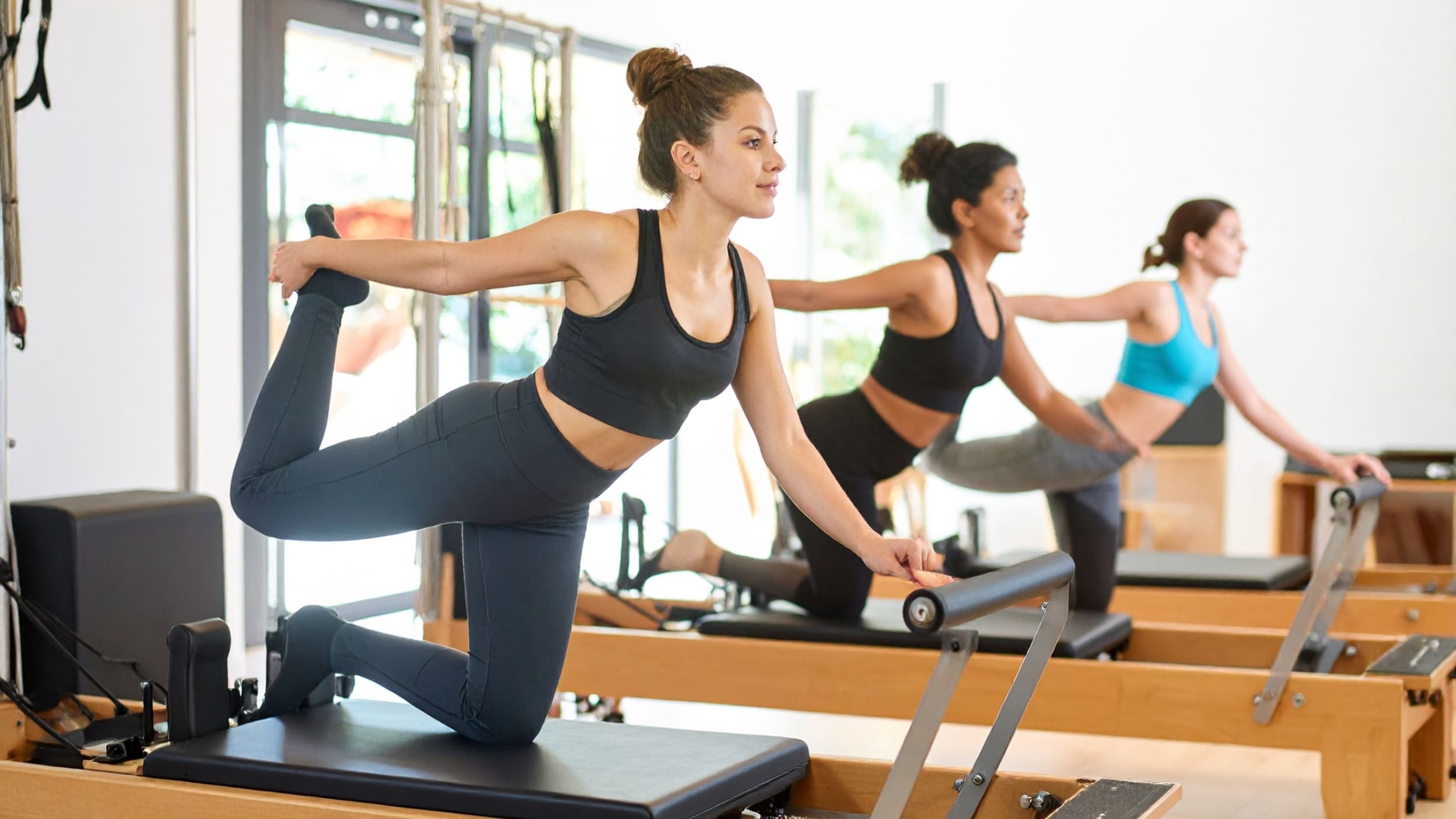
4. Pilates or Core Stability Work
When I feel anxious or emotionally overloaded, Pilates helps me focus. It strengthens the core while connecting movement with breath, helping me feel centered.
By aligning my workouts with my body’s needs, I have noticed not only better physical results but also a calmer mind. I leave my sessions feeling grounded, not drained.
How to Balance Energy and Recovery in the Luteal Phase
The goal during PMS is not to stop training. It is to balance effort and recovery. Your body can still perform well, but it thrives when you work with your hormones instead of against them.
Here are the strategies that made the biggest difference for me:
- Sleep deeply: I treat sleep as my most powerful recovery tool. I wind down early, avoid screens before bed, and sometimes take magnesium to help me relax.
- Track your stress: If I notice more irritability or mental fatigue, I lower workout volume. Stress from daily life counts too.
- Prioritize recovery days: I used to think rest days were lazy days. Now, I see them as essential maintenance for both my body and nervous system.
- Breathe intentionally: Breathing deeply before training helps lower heart rate and signals my body that it is safe to move.
These small shifts have completely changed my relationship with fitness. I no longer chase constant intensity. I chase alignment and sustainability.
Nutrition and Lifestyle Tips to Calm the Nervous System
Your diet and lifestyle choices can dramatically impact your nervous system during PMS. I learned that what I eat and how I recover during this time can either support or sabotage my body’s balance.
Here is what helps me stay grounded:
1. Eat magnesium rich foods.
Magnesium supports nerve function and helps ease cramps. I include pumpkin seeds, spinach, and dark chocolate in my meals.
2. Support your gut.
Your gut communicates directly with your nervous system. I eat probiotic rich foods like yogurt, kimchi, or kefir to help regulate digestion and mood.
3. Stay hydrated.
Dehydration amplifies fatigue and irritability. I add electrolytes or sea salt to my water during PMS to keep hydration balanced.
4. Limit caffeine and sugar.
Both can heighten anxiety and nervous system overstimulation. During PMS, I swap coffee for matcha or herbal teas.
5. Move for mental clarity.
Even a 15 minute walk helps reset my nervous system. When I move gently, I can feel my body relaxing and my mood lifting almost immediately.
By supporting my nervous system through nutrition and lifestyle, I have been able to reduce PMS symptoms naturally while keeping my energy stable.
How Emotional Health Affects Training During PMS
PMS is not just physical. It is deeply emotional. When estrogen drops, serotonin levels can decrease too, making us more sensitive and reactive. I used to get frustrated by this emotional volatility, but I have learned it is simply my nervous system processing change.
Now, I see emotional awareness as part of training. If I am feeling anxious or emotional, I adapt my workout to match my state. Sometimes that means doing a slower, grounding yoga flow instead of a full gym session.
I also use journaling to reflect on my emotional patterns throughout my cycle. Over time, I have noticed that when I care for my mental health during PMS, my physical energy naturally follows.
FAQs
1. Why do workouts feel harder before my period?
Hormonal changes in the luteal phase affect your nervous system, hydration, and energy metabolism, making high intensity workouts feel more challenging.
2. Should I rest completely during PMS?
Not necessarily. Gentle movement supports hormone balance and mood regulation. The key is adjusting intensity, not avoiding exercise.
3. What are the best workouts for PMS?
Low impact strength training, walking, yoga, and Pilates are all excellent options that calm your nervous system while keeping you active.
4. How can I manage emotional fluctuations during PMS workouts?
Practice mindfulness and self compassion. Instead of pushing through frustration, focus on how movement can make you feel better rather than what it can achieve.
Final Thoughts
Understanding why your nervous system guides your PMS workouts has completely changed how I approach fitness. It is not about doing less. It is about doing smarter.
When I stopped fighting my body’s rhythm and started honoring its signals, I found a level of consistency and peace I had never had before. My PMS symptoms became more manageable, my workouts more enjoyable, and my energy far more stable.
Your nervous system is not holding you back. It is guiding you toward balance. Listen to it, respect it, and let it shape your training choices. The more you align your movement with your body’s natural rhythm, the stronger, calmer, and more empowered you will feel in every cycle.